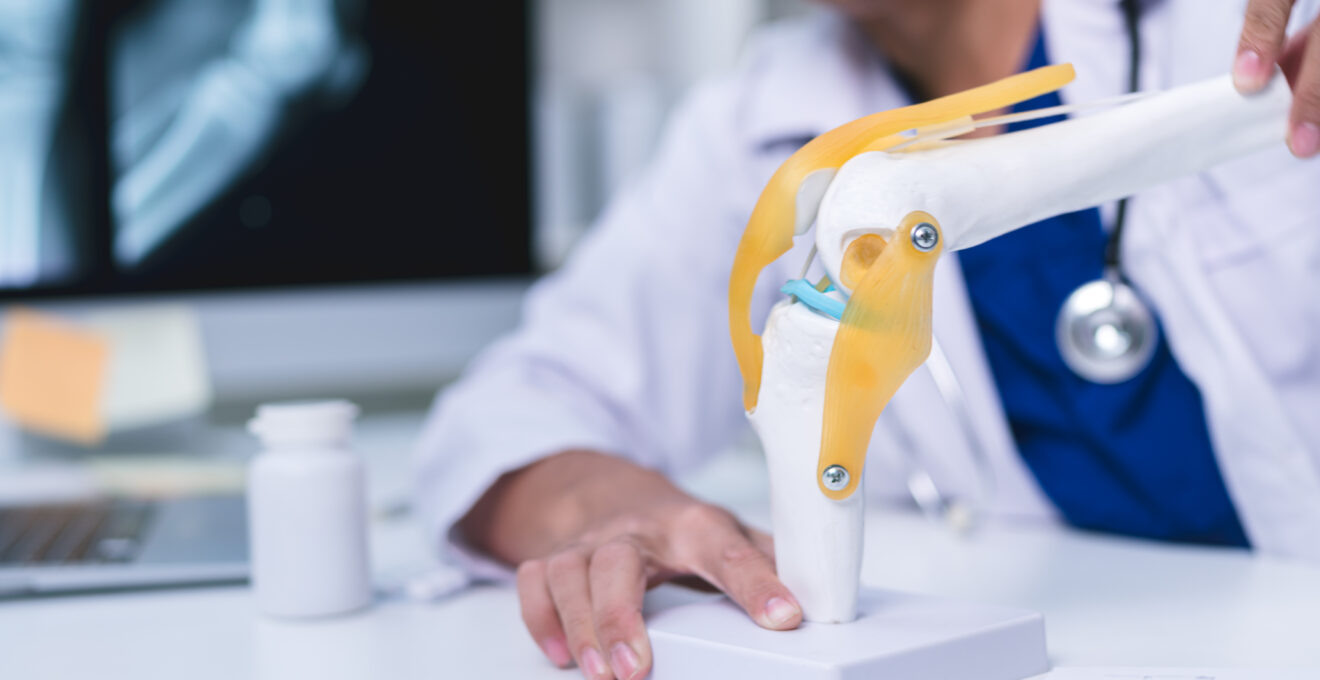
Important information
This content is provided for informational purposes only and does not constitute medical advice. Please consult a qualified orthopaedic surgeon or healthcare professional for decisions regarding your individual treatment.
The grinding sensation woke you at 3am. Or perhaps your knee buckled during a simple walk to the shops. Whatever brought you here, you are facing questions that feel overwhelming. Will surgery actually help? How long until life returns to normal? What if something goes wrong?
These fears are entirely rational. Having worked alongside orthopaedic surgeons across Europe, I have seen how uncertainty affects patients far more than the procedure itself. The reality? Modern knee surgery has transformed dramatically. According to the NJR 22nd Annual Report, 263,865 joint procedures were recorded in 2024 alone, with outcomes improving year-on-year. This guide walks you through every stage, from that first GP appointment to the moment you return to the activities you love.
- Diagnosis involves physical examination plus imaging (MRI or X-ray) to determine which surgery suits your condition
- Three main procedures exist: ACL reconstruction for ligament injuries, knee replacement for arthritis, and arthroscopy for minor repairs
- Pre-operative conditioning significantly improves post-surgical pain relief and recovery speed
- Full recovery timelines vary from 6 weeks (arthroscopy) to 12 months (ACL reconstruction)
What this guide covers
When Your Knee Tells You Something Is Wrong: Understanding Diagnosis
I remember speaking with a logistics manager from Manchester. He had ignored knee pain for three years, convincing himself it was “just age.” By the time he sought help, his osteoarthritis had progressed significantly. This pattern repeats constantly.
The diagnostic pathway typically begins with your GP, who assesses symptoms and refers you to an orthopaedic consultant. From there, expect a combination of physical examination and imaging. X-rays reveal bone changes and joint space narrowing. MRI scans show soft tissue damage, including ligament tears and meniscal injuries that X-rays miss entirely.

Key diagnostic indicators your consultant will assess:
- Range of motion limitations and stiffness patterns
- Instability or “giving way” episodes
- Locking or catching sensations
- Location and intensity of pain under different activities
- Response to conservative treatments already attempted
Surgery becomes the recommended path when conservative measures, including physiotherapy, injections, and lifestyle modifications, have failed to provide adequate relief. Your consultant considers your age, activity level, and the specific structural damage present. If you want context on how knee procedures fit within broader surgical practice, this overview of the most common surgeries provides useful perspective.
Frankly, the decision is never purely mechanical. I have observed that surgeons weigh quality of life heavily. Someone unable to walk their dog without significant pain has different considerations than an athlete wanting to return to competitive sport.
Your Surgical Options: Matching the Procedure to Your Condition
Not all knee surgeries are equal, and matching the procedure to your specific condition matters enormously. A torn ACL requires reconstruction. Advanced arthritis may need joint replacement. A damaged meniscus might be addressed arthroscopically. Choosing the right approach, guided by a qualified knee surgeon, determines your outcome.
| Surgery Type | Primary Indication | Hospital Stay | Return to Normal Activity | Long-term Outlook |
|---|---|---|---|---|
| ACL Reconstruction | Ligament rupture | Day surgery or 1 night | 9-12 months | 85-90% return to pre-injury sport level |
| Total Knee Replacement | Advanced osteoarthritis | 1-3 days | 3-6 months | Prosthesis lasts 20+ years typically |
| Partial Knee Replacement | Single-compartment arthritis | 1-2 days | 6-8 weeks | Preserves healthy bone and ligaments |
| Arthroscopy | Meniscal tears, loose bodies | Day surgery | 2-6 weeks | Depends on underlying joint health |
ACL Reconstruction: Rebuilding Stability After Ligament Injury
The anterior cruciate ligament sits at the centre of your knee, providing rotational stability. When it ruptures, usually during sport, your knee loses this stability entirely. The “giving way” sensation becomes impossible to ignore.
Reconstruction involves replacing the torn ligament with a graft, typically harvested from your own hamstring or patellar tendon. The procedure uses arthroscopic techniques, meaning small incisions rather than open surgery. Most patients go home the same day or stay one night.
The challenge with ACL reconstruction lies in rehabilitation, not the surgery itself. Full recovery takes 9 to 12 months. I have seen patients push too hard at month four and set themselves back significantly. The graft needs time to integrate and strengthen before returning to pivoting activities.
Knee Replacement: From Partial to Total Joint Solutions
When cartilage has worn away completely, leaving bone grinding on bone, replacement surgery offers the definitive solution. NHS inform data on knee replacements confirms that for most patients, a replacement knee lasts over 20 years when cared for properly.
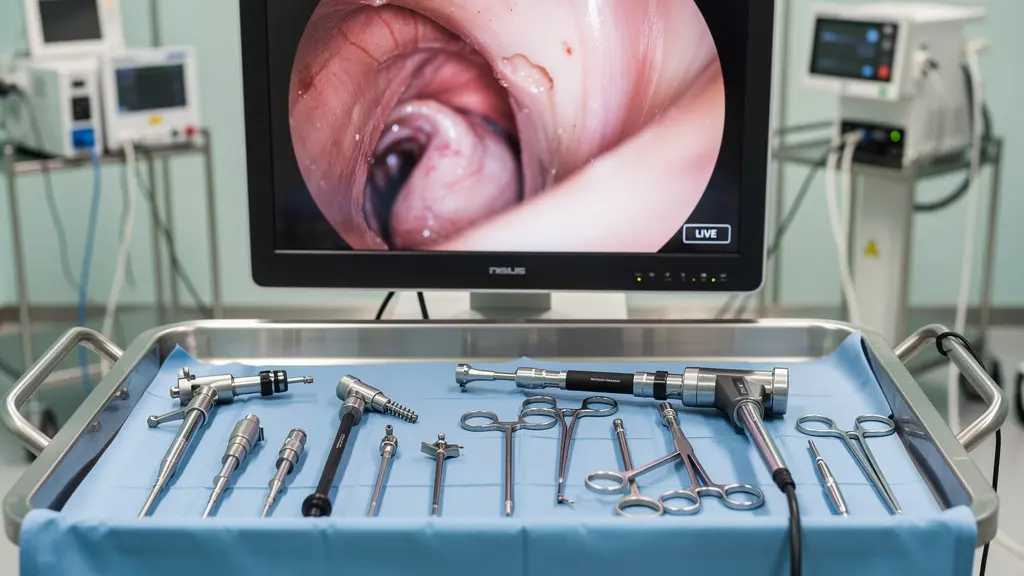
Partial replacement (unicompartmental) targets only the damaged section of the knee. Total replacement removes all three compartments, resurfacing them with metal and plastic components. NHS clinical guidance specifies that surgeons performing partial replacements should complete a minimum of 12 procedures annually to maintain competency.
The question patients always ask: will I set off airport metal detectors? Sometimes yes, sometimes no. The inconsistency depends on scanner sensitivity. Carry your surgical documentation when travelling internationally.
Arthroscopic Surgery: The Minimally Invasive Approach
Arthroscopy involves inserting a small camera and instruments through keyhole incisions. Surgeons can trim torn meniscus, remove loose cartilage fragments, and smooth damaged surfaces. The procedure takes 30 to 60 minutes typically.
Recovery is significantly faster than other knee surgeries. Many patients walk with minimal support within days. Return to desk work happens within two weeks for most. Physical jobs require longer.
Soyons clairs: arthroscopy works brilliantly for mechanical problems but cannot reverse arthritis. If your underlying joint shows significant degeneration, arthroscopy provides temporary relief at best. Your surgeon should explain this clearly.
Preparing for Surgery: What Happens Before You Reach the Operating Theatre
What I observe consistently in surgical outcomes is this: patients who prepare properly recover faster. The weeks before your operation matter enormously.

A meta-analysis published in Frontiers in Medicine confirmed that preoperative rehabilitation is effective in relieving knee pain in patients up to 6 months postoperatively. The evidence is clear. Pre-operative conditioning, called prehabilitation, genuinely improves outcomes.
Preparation mistakes that delay recovery
- Stopping regular exercise in the weeks before surgery, leading to muscle weakness
- Ignoring weight management advice when BMI exceeds recommended thresholds
- Failing to arrange adequate home support for the first two weeks
- Not discussing all medications with your surgical team, including supplements
- Underestimating the importance of pre-operative physiotherapy exercises
Your pre-assessment appointment, usually two to four weeks before surgery, covers blood tests, ECG if needed, and a detailed discussion about anaesthesia options. This is your opportunity to ask every question. No concern is too minor.
Your pre-surgery preparation checklist
- Complete all pre-operative physiotherapy exercises as prescribed
- Arrange transport home from hospital and support for the first week
- Prepare your home: move essential items to waist height, remove trip hazards
- Stock easy-to-prepare meals and ensure prescriptions are filled
- Stop smoking at least 4-6 weeks before surgery if applicable
The night before surgery, you will follow fasting instructions precisely. Arrive wearing loose, comfortable clothing. Leave valuables at home. The anaesthetic team will discuss options: general anaesthesia, spinal block, or regional nerve blocks. Each has advantages depending on your procedure and health profile.
The Recovery Journey: From Hospital Bed to Full Mobility
Recovery begins the moment you wake from anaesthesia. Within hours, physiotherapists will have you moving. This feels counterintuitive when your knee is swollen and painful. Trust the process.
One statistic reassures patients more than any other: the SSISS surveillance report 2024-2025 documented that knee replacement carried the lowest surgical site infection risk among all surgical categories monitored in NHS hospitals England, at just 0.4%. Modern surgical protocols are remarkably safe.
0.4%
Surgical site infection rate for knee replacement in NHS England
-
Hospital recovery: initial mobilisation with walking aids, pain management established -
Home recovery: wound care, gentle exercises, managing swelling with elevation and ice -
Progressive physiotherapy: increasing range of motion, building strength, reducing walking aid dependence -
Functional recovery: return to driving (after consultant approval), light activities, desk work -
Advanced rehabilitation: return to more demanding activities, sports-specific training if applicable
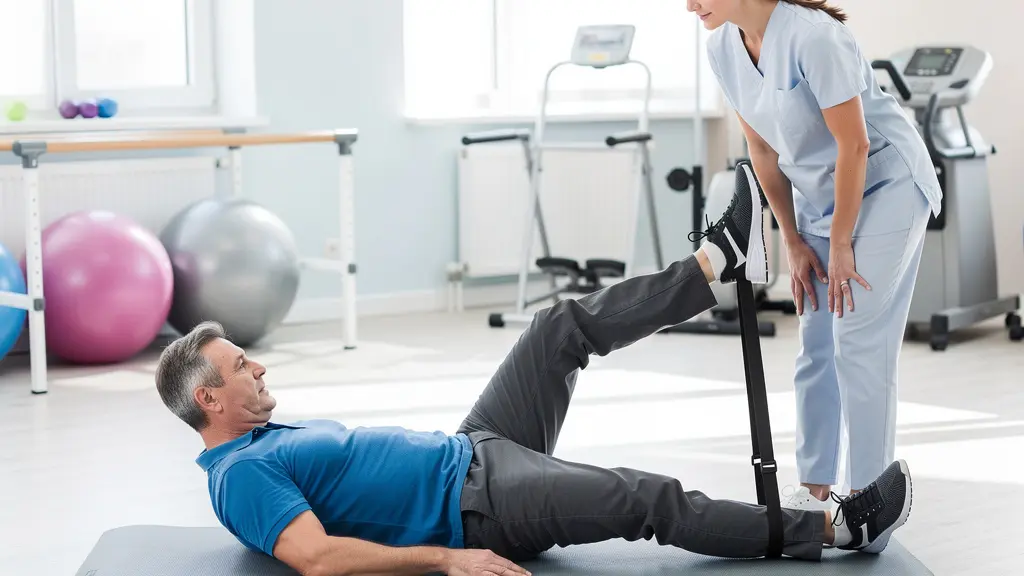
The cases I have seen demonstrate that compliance with physiotherapy protocols determines outcomes more than any other factor. Skipping sessions or “pushing through” pain both cause problems. Follow your programme precisely.
Once you are progressing through recovery, selecting the right rehabilitation aids for post-surgery recovery can support your return to mobility. Walking aids, ice machines, and exercise equipment all play roles at different stages.
Your Questions About Knee Surgery
The questions patients ask during consultations reveal their real concerns. Here are honest answers to the most common.
Your questions about knee surgery answered
How long will I be off work after knee surgery?
Desk-based work typically resumes at 2-3 weeks for arthroscopy, 4-6 weeks for replacement, and 6-8 weeks for ACL reconstruction. Physical jobs requiring standing, lifting, or climbing may need 3-6 months depending on the procedure and your specific role demands.
Will my knee replacement last the rest of my life?
For most patients, a replacement knee lasts over 20 years with proper care. The NJR data shows continued reductions in revision surgery rates, meaning implants are lasting longer than ever. Your activity level, weight, and adherence to precautions all influence longevity.
When can I drive again after knee surgery?
Your consultant must confirm you can perform an emergency stop safely. This typically occurs at 4-6 weeks for knee replacement and 6-8 weeks for ACL reconstruction. Right knee surgeries may require longer than left if you drive an automatic. Check with your insurer too.
What are the main risks of knee surgery?
Infection, blood clots (DVT), stiffness, and ongoing pain are potential complications. However, infection rates for knee replacement sit at just 0.4% according to NHS surveillance data. Blood clot prevention protocols are standard. Most patients experience straightforward recoveries, but understanding these risks helps you recognise warning signs early.
Can I avoid surgery with injections or physiotherapy?
For early-stage arthritis and certain injuries, conservative management works well. Steroid injections provide temporary relief. Physiotherapy strengthens supporting muscles. However, these approaches cannot repair torn ligaments or regenerate worn cartilage. Surgery becomes necessary when conservative measures no longer control symptoms adequately.
Important considerations for your surgical journey
- This guide provides general information and cannot replace a personalised consultation with your orthopaedic surgeon
- Recovery timelines mentioned are averages and individual outcomes vary based on age, fitness level, and specific condition
- Surgical techniques and protocols evolve continuously: verify current best practices with your medical team
For decisions about your individual treatment, please consult a qualified orthopaedic knee surgeon or your NHS consultant.
And now, what comes next for you
You have the information. The question now is whether to act on it.
If your knee has been limiting your life, avoiding the conversation with your GP only prolongs the problem. If you have already been referred and surgery is recommended, the preparation you do in the coming weeks directly shapes your recovery experience.
Rather than dwelling on uncertainty, consider this: what specific question would you most want answered during your next consultation? Write it down. Bring it with you. The surgeons I have worked with respect patients who arrive prepared. Your recovery begins with that first informed conversation.