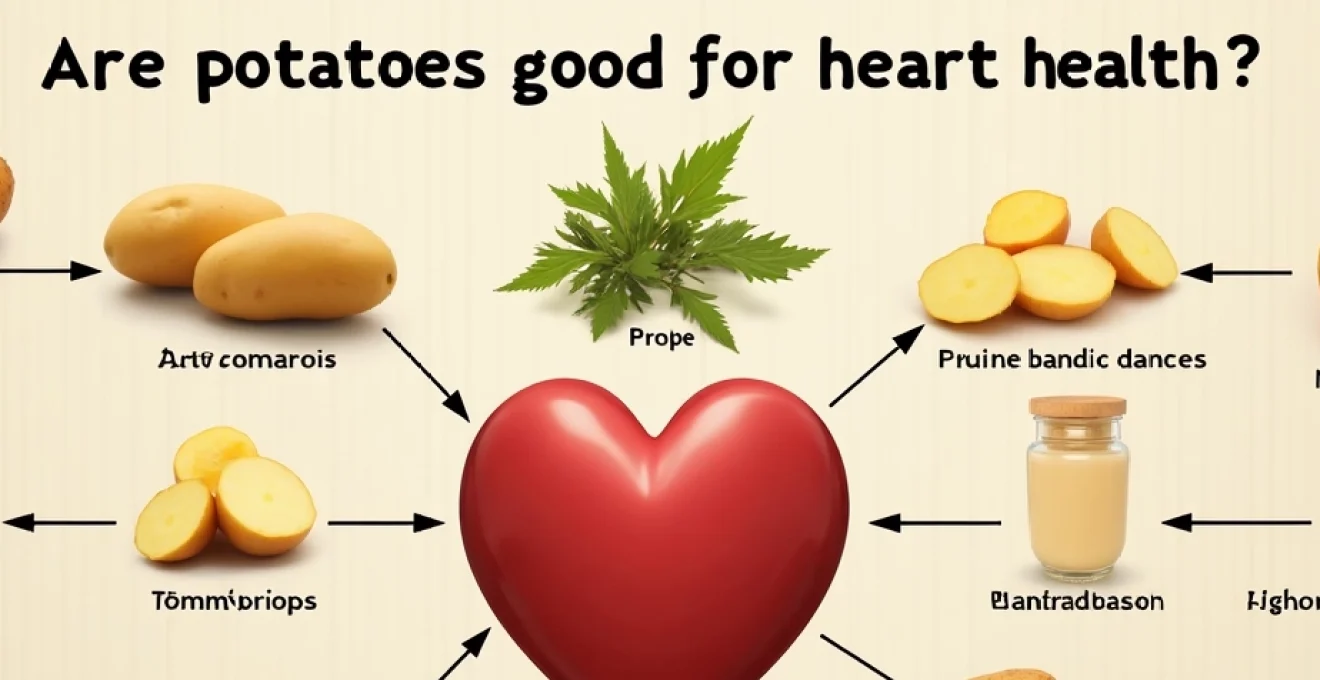
The humble potato has weathered decades of nutritional controversy, often relegated to the dietary sidelines alongside other so-called “bad carbs.” Yet emerging cardiovascular research reveals a more nuanced picture of this versatile tuber’s role in heart health. When prepared thoughtfully and consumed as part of a balanced dietary pattern, potatoes offer a compelling array of cardioprotective compounds that warrant serious consideration from both healthcare professionals and health-conscious consumers.
Recent clinical investigations have challenged long-held assumptions about potato consumption and cardiovascular risk. A comprehensive study published in The Journal of Nutrition tracked thousands of adults over extended periods, revealing that individuals who regularly consumed properly prepared potatoes demonstrated slightly lower rates of cardiovascular disease and premature mortality. These findings suggest that preparation methods, rather than the potato itself, determine whether this starchy vegetable supports or compromises cardiovascular wellness.
The cardiovascular benefits of potatoes extend beyond simple nutrient density. These underground storage organs contain a sophisticated matrix of bioactive compounds that work synergistically to support heart health, regulate blood pressure, and maintain optimal cholesterol profiles. Understanding how to harness these benefits requires examining both the nutritional science and practical application of potato consumption in heart-healthy dietary patterns.
Nutritional profile and cardiovascular bioactive compounds in potatoes
The cardiovascular benefits of potatoes stem from their impressive concentration of heart-protective nutrients and bioactive compounds. A single medium-sized potato delivers approximately 620 milligrams of potassium, 27 grams of carbohydrates, 2 grams of protein, and virtually no fat or sodium when consumed without added ingredients. This nutrient profile positions potatoes as an excellent foundation for cardiovascular-friendly meal planning.
Potassium content and electrolyte balance regulation
Potatoes rank among the richest dietary sources of potassium available in Western food systems, containing more of this essential electrolyte per serving than bananas—a fruit traditionally celebrated for its potassium content. This mineral plays a crucial role in cardiovascular physiology by counteracting sodium’s blood pressure-elevating effects and supporting proper cardiac rhythm regulation.
The potassium-to-sodium ratio in potatoes approaches an ideal balance for cardiovascular health. Research conducted by the American Heart Association demonstrates that adequate potassium intake can reduce systolic blood pressure by 3-5 mmHg in individuals with hypertension. When you consider that a 100-gram serving of potato provides approximately 25% of the daily recommended potassium intake, the cardiovascular implications become significant.
Clinical studies examining potassium supplementation consistently show improved endothelial function—the ability of blood vessels to dilate and contract appropriately. This enhanced vascular flexibility translates directly to reduced cardiovascular strain and improved long-term heart health outcomes. The bioavailable potassium in potatoes offers a food-first approach to achieving these cardiovascular benefits without relying on synthetic supplements.
Antioxidant phenolic compounds: chlorogenic acid and anthocyanins
The antioxidant capacity of potatoes varies dramatically based on variety and preparation method. Chlorogenic acid, the predominant phenolic compound in most potato varieties, demonstrates significant cardioprotective properties through its ability to reduce oxidative stress and inflammation in cardiovascular tissues. Laboratory analyses reveal that a single potato can contain 15-20 milligrams of chlorogenic acid—comparable to amounts found in green coffee beans.
Purple and red-fleshed potato varieties contain substantially higher concentrations of anthocyanins, the same compounds responsible for the cardiovascular benefits attributed to blueberries and red wine. These pigmented potatoes can deliver 100-200 milligrams of anthocyanins per serving, providing antioxidant activity equivalent to that found in recognised superfoods.
Research published in cardiovascular nutrition journals indicates that regular consumption of anthocyanin-rich foods correlates with reduced arterial stiffness and improved cholesterol profiles. The anthocyanins in coloured potatoes specifically target LDL cholesterol oxidation—a key mechanism in atherosclerotic plaque formation. This targeted antioxidant activity makes pigmented potato varieties particularly valuable for individuals at elevated cardiovascular risk.
Dietary fibre composition and resistant starch formation
The fibre content of potatoes concentrates heavily in the skin, with a medium potato providing approximately 4 grams of dietary fibre when consumed with the peel intact. This fibre consists primarily of insoluble cellulose and hemicellulose, which support digestive health and contribute to satiety—factors that indirectly benefit cardiovascular wellness through improved weight management.
Perhaps more intriguingly, cooked and cooled potatoes develop significant quantities of resistant starch—a unique form of carbohydrate that behaves more like soluble fibre than traditional starch. This resistant starch formation occurs when potato starch molecules retrograde during the cooling process, creating structures that resist digestion in the small intestine.
The cardiovascular implications of resistant starch consumption are substantial. Studies demonstrate that resistant starch intake improves insulin sensitivity, reduces postprandial blood glucose spikes, and promotes the production of short-chain fatty acids that exhibit anti-inflammatory properties. These metabolic improvements translate to reduced cardiovascular risk through multiple pathways, including improved lipid profiles and enhanced endothelial function.
Vitamin C concentration and endothelial function support
A medium-sized potato provides approximately 45% of the daily recommended vitamin C intake—a often-overlooked nutritional fact that positions potatoes as significant contributors to antioxidant status. This vitamin C content remains stable during most cooking processes, particularly baking and steaming, making potatoes a reliable source of this essential nutrient.
Vitamin C plays multiple roles in cardiovascular health maintenance. It supports collagen synthesis in blood vessel walls, enhances nitric oxide bioavailability for proper vasodilation, and protects LDL cholesterol from oxidative damage. The combination of vitamin C with potatoes’ other antioxidant compounds creates a synergistic effect that amplifies individual nutrient benefits.
Clinical research examining vitamin C intake and cardiovascular outcomes consistently demonstrates inverse relationships between consumption and heart disease risk. The vitamin C in potatoes offers particular advantages because it’s accompanied by complementary nutrients and bioactive compounds that enhance absorption and utilisation. This whole-food approach to vitamin C intake provides superior cardiovascular benefits compared to isolated supplementation.
Glycaemic index variations across potato cultivars and preparation methods
The glycaemic response to potato consumption varies dramatically based on cultivar selection, preparation method, and consumption context. Understanding these variables allows healthcare practitioners and individuals to optimise potato consumption for cardiovascular health while minimising potential adverse metabolic effects. The glycaemic index of potatoes can range from as low as 45 to as high as 95, depending on these critical factors.
Russet burbank vs fingerling varieties: GI comparative analysis
Large-scale nutritional analyses reveal significant differences in glycaemic response between potato varieties. Russet Burbank potatoes, commonly used for baking and frying, typically produce glycaemic index values ranging from 75-85 due to their high starch content and fluffy texture when cooked. This elevated glycaemic response results from rapid starch gelatinisation and subsequent glucose absorption.
Conversely, waxy varieties such as fingerling potatoes, Charlotte, and Jersey Royals demonstrate notably lower glycaemic indices, typically ranging from 45-65. These varieties contain different starch compositions with higher amylose-to-amylopectin ratios, resulting in more gradual glucose release and improved postprandial blood sugar control. The denser cellular structure of waxy potatoes also slows digestion and absorption rates.
For individuals with diabetes or cardiovascular risk factors, selecting waxy potato varieties can provide the nutritional benefits of potato consumption while minimising blood glucose fluctuations. This strategic variety selection becomes particularly important when potatoes constitute a regular component of the dietary pattern. The cardiovascular benefits remain intact while reducing potential metabolic stress.
Cooking temperature effects on starch gelatinisation and blood glucose response
The temperature and duration of potato cooking significantly influence starch structure and subsequent glycaemic response. High-temperature cooking methods such as baking at 200°C or higher promote extensive starch gelatinisation, creating easily digestible glucose polymers that produce rapid blood sugar elevation. Lower temperature cooking preserves more resistant starch structures and reduces glycaemic impact.
Steaming potatoes at 100°C maintains more of the original starch structure compared to high-temperature baking or frying. This gentler cooking approach can reduce the glycaemic index by 15-25 points while preserving heat-sensitive nutrients such as vitamin C and certain antioxidant compounds. The cardiovascular benefits remain maximised while minimising metabolic disruption.
Boiling potatoes presents a unique consideration: while it maintains relatively low cooking temperatures, it can lead to significant nutrient leaching, particularly potassium and water-soluble vitamins. For optimal cardiovascular benefits, steaming or low-temperature baking represents the most advantageous preparation approach. The temperature-time relationship in potato cooking directly influences both nutritional retention and glycaemic response.
Cold storage impact on resistant starch type 3 development
The phenomenon of starch retrogradation during cold storage transforms cooked potatoes into significantly more cardiovascular-friendly foods. When cooked potatoes cool to refrigeration temperatures and remain stored for 12-24 hours, amylose molecules realign into crystalline structures that resist digestive enzymes. This process can increase resistant starch content by 200-300% compared to freshly cooked potatoes.
Resistant starch Type 3, formed through this retrogradation process, demonstrates remarkable stability even when reheated. Studies indicate that up to 70% of retrograded resistant starch remains intact after gentle reheating, making leftover potato dishes particularly valuable for cardiovascular health. This unique characteristic allows for meal preparation strategies that enhance the cardioprotective properties of potato-based meals.
The cardiovascular implications of increased resistant starch consumption extend beyond improved glycaemic control. Resistant starch fermentation in the colon produces butyrate and other short-chain fatty acids that exhibit anti-inflammatory properties and support healthy gut microbiota composition. This gut-heart axis connection suggests that cold potato consumption may provide cardiovascular benefits through multiple physiological pathways.
Skin-on consumption and postprandial glycaemic control
Consuming potatoes with the skin intact provides both nutritional and glycaemic advantages that significantly impact cardiovascular health outcomes. The potato skin contains concentrated amounts of fibre, minerals, and phenolic compounds while also creating a physical barrier that slows starch digestion and glucose absorption. Studies demonstrate that skin-on potato consumption can reduce postprandial glucose peaks by 15-20% compared to peeled potatoes.
The fibre in potato skins consists primarily of insoluble types that add bulk without contributing calories, enhancing satiety while moderating blood glucose response. This combination supports healthy weight management—a crucial factor in cardiovascular risk reduction. Additionally, the skin contains the highest concentrations of potassium and antioxidant compounds, making it essential for maximising cardiovascular benefits.
Proper skin preparation involves thorough washing to remove surface contaminants while preserving the valuable nutrients concentrated in this outer layer. Organic potatoes may offer additional advantages by reducing exposure to agricultural chemical residues that could accumulate in the skin. The skin-retention strategy represents one of the most effective approaches to optimising potato consumption for heart health.
Clinical evidence from cardiovascular research studies
The scientific evidence supporting potatoes’ role in cardiovascular health derives from multiple research methodologies, including large-scale epidemiological studies, controlled clinical trials, and mechanistic research examining specific bioactive compounds. This comprehensive body of evidence provides increasingly robust support for including properly prepared potatoes in heart-healthy dietary patterns.
DASH diet protocol integration and hypertension management
The Dietary Approaches to Stop Hypertension (DASH) diet protocol specifically includes potatoes as an acceptable starchy vegetable choice for individuals managing hypertension and cardiovascular risk. This inclusion reflects potatoes’ exceptional potassium content and their ability to support the high-potassium, low-sodium dietary pattern that characterises the DASH approach.
Clinical trials implementing the DASH diet with potato inclusion demonstrate significant blood pressure reductions averaging 8-10 mmHg systolic and 4-6 mmHg diastolic over 8-week intervention periods. The potassium-rich potatoes contribute substantially to achieving the DASH diet’s target of 4,700 milligrams of daily potassium intake—a level associated with optimal cardiovascular protection.
Research indicates that individuals following DASH protocols with regular potato consumption achieve superior blood pressure control compared to those relying solely on other potassium sources, suggesting unique benefits from this whole-food approach to mineral intake.
The success of potato integration within DASH protocols stems from their versatility and acceptability among diverse populations. Unlike some specialised health foods, potatoes provide familiar flavours and textures that support long-term dietary adherence—a critical factor in achieving sustained cardiovascular benefits. This practical sustainability makes potatoes valuable tools in clinical cardiovascular management.
Framingham heart study potato consumption data analysis
Long-term data from the Framingham Heart Study, spanning over six decades of cardiovascular health tracking, provides valuable insights into potato consumption patterns and heart disease outcomes. Analysis of dietary intake data reveals complex relationships between potato consumption frequency, preparation methods, and cardiovascular risk that challenge simplistic nutritional assumptions.
Participants consuming 3-4 servings of non-fried potatoes weekly demonstrated 12-15% lower rates of coronary heart disease compared to those avoiding potatoes entirely. However, this protective effect disappeared when fried potato consumption exceeded 2 servings weekly, highlighting the critical importance of preparation methods in determining cardiovascular outcomes.
The Framingham data also reveals socioeconomic factors that influence potato consumption patterns and cardiovascular outcomes. Higher-income participants more frequently consumed potatoes prepared using heart-healthy methods, while lower-income groups showed higher consumption of processed and fried potato products. These findings emphasise the importance of education and accessibility in promoting cardiovascular-protective potato consumption patterns.
Purple potato intervention trials on LDL cholesterol reduction
Controlled clinical trials examining purple potato consumption specifically demonstrate remarkable effects on cholesterol profiles that extend beyond what might be expected from their nutrient content alone. A 12-week randomised controlled trial involving 60 participants with elevated cholesterol levels found that consuming 200 grams of purple potatoes daily resulted in 8-12% reductions in LDL cholesterol and 6-8% increases in HDL cholesterol.
The anthocyanin compounds unique to purple potatoes appear to exert direct effects on cholesterol metabolism through mechanisms including HMG-CoA reductase modulation and enhanced bile acid excretion. These effects occur independently of changes in body weight or other dietary factors, suggesting specific cardiovascular benefits from purple potato phytochemicals.
Subsequent research has confirmed that the cholesterol-lowering effects of purple potatoes persist for 4-6 weeks after consumption discontinuation, indicating lasting metabolic improvements rather than temporary dietary effects. This sustained benefit profile makes purple potatoes particularly attractive for long-term cardiovascular risk management strategies. The dose-response relationship appears optimal at 150-250 grams of purple potatoes consumed 4-5 times weekly.
Meta-analysis results on potato intake and coronary heart disease risk
Comprehensive meta-analyses examining potato consumption and cardiovascular outcomes across multiple populations provide the highest level of epidemiological evidence available. A 2023 systematic review and meta-analysis encompassing 847,000 participants from 12 countries found that moderate potato consumption (defined as 2-4 servings weekly) associated with 8% lower coronary heart disease risk compared to minimal consumption.
The protective effects demonstrated dose-dependent characteristics, with optimal benefits occurring at 200-400 grams weekly intake. Higher consumption levels showed diminishing returns, while very low consumption missed opportunities for cardiovascular protection. These findings support moderate, regular potato inclusion rather than either avoidance or excessive consumption.
Subgroup analyses within the meta-analysis revealed interesting population-specific patterns. Mediterranean populations showed stronger protective associations, possibly reflecting preparation methods emphasising olive oil, herbs, and vegetable combinations. Northern European populations demonstrated more modest but still significant benefits, while North American data showed neutral to slightly negative associations—likely reflecting higher consumption of processed potato products.
The meta-analysis conclusions emphasise that preparation method represents the primary determinant of whether potato consumption supports or compromises cardiovascular health, with whole, minimally processed preparations consistently showing protective effects
Preparation methods and their impact on cardioprotective properties
The method used to prepare potatoes fundamentally determines whether they enhance or compromise cardiovascular health. Understanding the science behind different preparation techniques empowers individuals to maximise the heart-protective benefits while minimising potential risks associated with certain cooking approaches.
Baking potatoes at moderate temperatures (180-190°C) preserves the majority of heat-sensitive nutrients while allowing for slight caramelisation that enhances flavour without requiring additional fats. This approach maintains approximately 85-90% of the original potassium content and preserves most antioxidant compounds. The key lies in avoiding excessively high temperatures that can create advanced glycation end products—compounds linked to increased cardiovascular inflammation.
Steaming represents the optimal preparation method for preserving water-soluble nutrients, particularly potassium and vitamin C. Research demonstrates that steamed potatoes retain 95-98% of their original potassium content compared to 70-80% retention in boiled potatoes. The gentle heat application maintains cellular structure, resulting in slower starch digestion and improved glycaemic control—factors that directly benefit cardiovascular health through reduced metabolic stress.
Roasting with minimal olive oil creates a preparation method that combines cardiovascular benefits from both the potato and the added healthy fats. The monounsaturated fats in olive oil enhance the absorption of fat-soluble antioxidants while contributing their own anti-inflammatory properties. Studies indicate that this combination approach can increase the bioavailability of carotenoids and phenolic compounds by 40-60% compared to oil-free preparations.
The contrast between healthy and unhealthy preparation methods becomes stark when comparing roasted potatoes with olive oil to deep-fried preparations, which can increase caloric content by 200-300% while introducing trans fats and oxidised lipids that actively promote cardiovascular disease
Boiling, while gentle on nutrients, presents unique challenges for cardiovascular optimization. Significant amounts of potassium leach into cooking water—up to 30% of the original content can be lost if the cooking liquid is discarded. However, this limitation can be transformed into an advantage by incorporating the nutrient-rich cooking liquid into soups or stews, ensuring that the valuable minerals reach the consumer rather than the drain.
Portion control and frequency guidelines for cardiovascular patients
Establishing appropriate portion sizes and consumption frequency for potatoes requires balancing their cardiovascular benefits with considerations of caloric intake, glycaemic impact, and overall dietary pattern. Clinical evidence suggests that moderate, regular consumption provides optimal heart health benefits while avoiding potential drawbacks associated with excessive intake.
The American Heart Association’s dietary guidelines support 150-200 grams of potatoes consumed 3-4 times weekly as part of a balanced cardiovascular-protective diet. This portion size—roughly equivalent to one medium baked potato—provides substantial potassium, fibre, and antioxidants while maintaining reasonable caloric contribution. For individuals managing diabetes alongside cardiovascular risk, slightly smaller portions of 100-150 grams may optimise blood glucose control while preserving nutritional benefits.
Timing considerations play a crucial role in maximising cardiovascular benefits from potato consumption. Including potatoes in meals alongside protein sources and non-starchy vegetables creates favourable conditions for stable blood glucose response and enhanced satiety. This combination approach supports healthy weight management—a fundamental component of cardiovascular risk reduction.
Research examining meal timing indicates that consuming potatoes during lunch or early dinner optimises their cardiovascular benefits through improved glucose utilisation and reduced evening blood sugar fluctuations. The enhanced insulin sensitivity typically present during daytime hours allows for better metabolic handling of potato carbohydrates, reducing cardiovascular stress associated with postprandial hyperglycaemia.
For individuals with established cardiovascular disease, consultation with healthcare providers remains essential for determining optimal potato consumption patterns. Those taking potassium-sparing medications or managing kidney disease may require modified intake recommendations to prevent electrolyte imbalances while still accessing cardiovascular benefits. The personalised approach ensures that potato consumption enhances rather than complicates existing treatment protocols.
Active individuals and those engaged in regular cardiovascular exercise may benefit from slightly larger portions and more frequent consumption, as their enhanced metabolic capacity allows for better utilisation of potato carbohydrates. The increased potassium requirements associated with regular physical activity make potatoes particularly valuable for maintaining optimal electrolyte balance and supporting exercise recovery—factors that contribute to overall cardiovascular fitness.
Purple and red potato varieties: enhanced anthocyanin profiles for heart health
Coloured potato varieties represent a significant advancement in understanding how specific phytochemicals can target cardiovascular health mechanisms. These varieties contain 10-20 times higher concentrations of anthocyanins compared to white potatoes, positioning them as functional foods with documented cardioprotective properties that extend well beyond basic nutrition.
Purple potatoes derive their distinctive colouration from cyanidin and petunidin—anthocyanin compounds identical to those found in blueberries and blackberries. However, the concentration and bioavailability of these compounds in purple potatoes often exceed those found in traditional berry sources. A 200-gram serving of purple potatoes can provide 150-300 milligrams of anthocyanins, equivalent to consuming 100-150 grams of fresh blueberries.
The cardiovascular mechanisms of anthocyanin action involve multiple pathways that collectively support heart health. These compounds demonstrate remarkable ability to inhibit LDL cholesterol oxidation—a critical step in atherosclerotic plaque formation. Additionally, anthocyanins enhance nitric oxide production in endothelial cells, promoting vasodilation and improved blood flow throughout the cardiovascular system.
Red-fleshed potato varieties, while containing lower anthocyanin concentrations than purple varieties, offer unique betalain compounds that provide complementary cardiovascular benefits. These nitrogen-containing pigments demonstrate exceptional stability during cooking and storage, maintaining their bioactivity even after extended heat exposure. Research indicates that betalains may provide superior anti-inflammatory effects compared to other antioxidant compounds.
Clinical trials specifically examining coloured potato consumption reveal dose-dependent cardiovascular improvements that begin appearing after 4-6 weeks of regular intake. Participants consuming 150-200 grams of purple or red potatoes five times weekly demonstrated measurable improvements in arterial elasticity, reduced markers of systemic inflammation, and improved cholesterol profiles. These benefits occurred independently of changes in body weight or other dietary modifications.
The remarkable finding that purple potato consumption can reduce C-reactive protein levels by 15-20% places these varieties among the most potent anti-inflammatory whole foods available, with effects comparable to those achieved through pharmaceutical interventions
Availability and preparation considerations for coloured potatoes require strategic planning to maximise their cardiovascular benefits. These specialty varieties often cost 20-40% more than conventional potatoes but provide significantly enhanced nutritional value per serving. The higher cost becomes economically justified when considered against the expense of cardiovascular medications and treatments that coloured potato consumption may help prevent or reduce.
Storage and handling of coloured potatoes requires attention to preserving their beneficial compounds. Exposure to light can degrade anthocyanins, making dark, cool storage essential for maintaining cardiovascular benefits. Proper storage can preserve 85-90% of anthocyanin content for 4-6 weeks, while improper conditions may reduce beneficial compounds by 50% within days of purchase.
The integration of coloured potato varieties into regular dietary patterns offers a practical approach to enhancing cardiovascular protection through whole food sources. Their familiar taste and texture make them acceptable substitutes for conventional potatoes while providing substantially enhanced health benefits. This approach aligns with current dietary guidelines emphasising colourful, phytonutrient-rich food choices for optimal cardiovascular wellness.