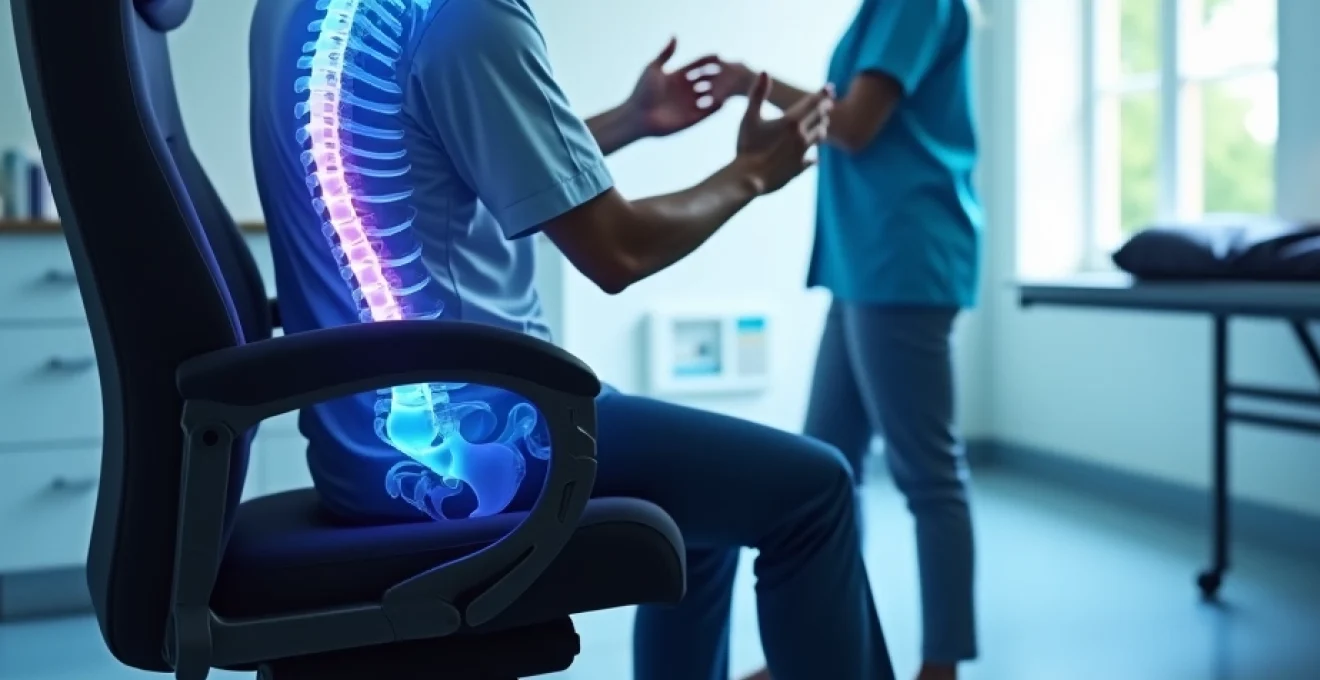
Choosing the right chair after back surgery can significantly impact your recovery trajectory and long-term spinal health. The post-surgical period demands careful attention to seating ergonomics, as improper support can exacerbate pain, delay healing, and potentially compromise surgical outcomes. Healthcare professionals increasingly recognise that therapeutic seating solutions play a crucial role in rehabilitation protocols, particularly for patients recovering from various spinal procedures including lumbar discectomy, spinal fusion, and herniated disc surgery.
The complexity of post-surgical recovery extends beyond immediate pain management to encompass proper spinal alignment, pressure distribution, and mobility considerations. Modern ergonomic chairs designed for medical recovery incorporate sophisticated support mechanisms that can adapt to changing needs throughout the healing process. Understanding the specific features that promote optimal recovery can help you make an informed decision that supports both comfort and clinical outcomes during this critical period.
Ergonomic design features essential for Post-Surgical spinal recovery
Post-surgical seating requirements differ significantly from standard office ergonomics, necessitating specialised design features that accommodate healing tissues and altered mobility patterns. The primary consideration involves creating a supportive environment that maintains proper spinal alignment while minimising stress on surgical sites. Therapeutic seating solutions must balance stability with adjustability, allowing patients to modify positioning as their recovery progresses and comfort needs evolve.
The integration of medical-grade materials and construction standards ensures durability under frequent adjustment cycles typical during recovery periods. Premium recovery chairs often incorporate antimicrobial fabrics and easy-clean surfaces that support infection control protocols essential for post-surgical patients. These features become particularly important for individuals with compromised immune systems or those at elevated risk for complications.
Lumbar support mechanisms and adjustable curvature systems
Effective lumbar support systems represent the cornerstone of post-surgical seating design, providing crucial lower back stabilisation during the healing process. Advanced lumbar mechanisms feature independently adjustable height and depth settings, allowing precise positioning of support elements to match individual spinal curvature requirements. This customisation becomes essential when surgical procedures have altered natural spinal alignment or when post-operative swelling affects comfortable positioning.
Modern therapeutic chairs incorporate pneumatic lumbar adjustment systems that enable real-time modifications without requiring the patient to leave the chair. This feature proves invaluable during extended sitting periods when comfort needs may change due to fatigue, medication effects, or natural healing progression. The ability to fine-tune lumbar support throughout the day helps maintain optimal positioning and prevents the development of compensatory postures that could impede recovery.
Seat height adjustment range and pneumatic cylinder specifications
Proper seat height adjustment becomes critical for post-surgical patients who may experience altered mobility patterns or require specific positioning to minimise discomfort. Premium pneumatic cylinders should provide a minimum adjustment range of 15-20 centimetres to accommodate various body types and recovery positioning needs. The smoothness of height adjustment mechanisms directly impacts patient comfort, as jerky or unstable movements can trigger pain responses in sensitive post-surgical tissues.
Heavy-duty pneumatic systems designed for medical applications typically feature enhanced stability and load-bearing capacity compared to standard office chairs. These specifications ensure consistent performance even when patients require assistance entering or exiting the chair, a common scenario during early recovery phases. The reliability of height adjustment mechanisms becomes particularly important for patients using mobility aids or those with temporary balance limitations following surgery.
Armrest positioning and Multi-Directional support functions
Armrest functionality extends beyond simple arm support to encompass transfer assistance and pressure relief for post-surgical patients. Multi-adjustable armrest systems should provide height, width, depth, and angular adjustments to accommodate various recovery positions and assist with chair transfers. The ability to temporarily remove or fold away armrests becomes essential for patients using mobility aids or requiring caregiver assistance.
Advanced armrest designs incorporate soft, contoured padding that distributes pressure evenly while providing stable support during position changes. The positioning flexibility allows patients to find optimal arm placement that doesn’t interfere with surgical dressings or restrict movement patterns recommended by physiotherapists. Well-designed armrests can significantly reduce upper body strain and facilitate safer chair transfers throughout the recovery period.
Seat depth requirements for optimal popliteal space
Appropriate seat depth ensures proper circulation and prevents pressure buildup behind the knees, particularly important for post-surgical patients at risk for blood clots or circulation complications. Adjustable seat depth mechanisms allow customisation to maintain 5-8 centimetres clearance between the seat edge and the back of the knees, optimising blood flow while providing adequate thigh support.
Recovery chairs often feature telescoping seat pans or removable cushion systems that enable depth modifications without compromising structural integrity. This adjustability becomes crucial for patients whose sitting tolerance changes throughout recovery or those who experience swelling that affects comfortable positioning. Proper seat depth also supports correct lumbar positioning by preventing patients from sliding forward to achieve knee clearance.
Recline angle limitations and tilt tension control
Controlled recline functionality provides essential pressure relief and positioning options for post-surgical patients who may need to alternate between upright and reclined positions throughout the day. Medical-grade recline mechanisms typically offer lockable positions at predetermined angles to prevent sudden or uncontrolled movement that could cause discomfort or injury. Tension control systems should be easily adjustable to accommodate varying patient weights and strength levels during recovery.
Advanced tilt mechanisms maintain proper spinal alignment throughout the recline range, preventing the pelvis from sliding forward or the lumbar curve from flattening. This biomechanical consideration becomes crucial for maintaining the benefits of surgical intervention while allowing necessary position changes for comfort and circulation. Some therapeutic chairs incorporate independent backrest and seat tilt controls, providing greater positioning flexibility for complex recovery requirements.
Medical-grade seating solutions for different surgical procedures
Different spinal surgical procedures create distinct recovery requirements that influence optimal seating selection, as each operation affects specific anatomical structures and healing timelines. Understanding these procedure-specific needs enables more targeted chair selection that addresses the unique challenges and restrictions associated with various surgical interventions. Personalised seating approaches consider not only the surgical site but also the patient’s overall health status, mobility limitations, and expected recovery trajectory.
The timing of chair introduction during recovery phases also varies by procedure type, with some surgeries requiring immediate specialised seating while others may benefit from transitioning through different support levels as healing progresses. Healthcare teams increasingly collaborate with ergonomic specialists to develop procedure-specific seating protocols that optimise both comfort and clinical outcomes throughout the recovery continuum.
Lumbar discectomy recovery chairs with enhanced lower back support
Lumbar discectomy patients require chairs that provide targeted lower back support while avoiding excessive pressure on the surgical site during the initial healing phase. Specialised lumbar recovery chairs feature contoured backrests that distribute support across a broader area, reducing concentrated pressure points that could interfere with tissue healing. The support profile should accommodate potential swelling and allow for gradual return to normal sitting tolerance over several weeks.
Post-discectomy seating often incorporates reduced seat-to-back angles that maintain slight forward pelvic tilt, helping preserve natural lumbar lordosis without creating excessive extension at the surgical level. Memory foam cushioning systems adapt to body contours while providing consistent support, particularly important during the initial weeks when sitting tolerance may be limited and position changes frequent.
Spinal fusion Post-Operative seating requirements
Spinal fusion patients face unique seating challenges due to movement restrictions and the need to maintain specific spinal alignment during the fusion process. Fusion recovery chairs must provide stable, immobilising support that prevents excessive spinal movement while accommodating the extended recovery timeline typical of these procedures. The chair design should support compliance with post-operative movement restrictions while maintaining comfort during prolonged sitting periods.
Advanced fusion recovery seating incorporates rigid back support systems that maintain prescribed spinal alignment without allowing compensatory movements that could compromise fusion outcomes. The seat design often features increased depth and width to accommodate back braces or other post-operative orthotic devices commonly prescribed following fusion procedures.
Herniated disc surgery recovery and pressure distribution
Herniated disc surgery recovery requires careful attention to pressure distribution and spinal decompression to support healing of affected disc structures. Therapeutic pressure-relieving chairs utilise advanced cushioning technologies that distribute weight evenly while reducing peak pressures that could exacerbate disc-related pain. The chair design should facilitate frequent position changes recommended during disc recovery protocols.
Recovery chairs for disc surgery patients often feature enhanced recline capabilities with multiple locking positions, allowing patients to find optimal angles for pain relief throughout the day. The ability to transition smoothly between sitting and semi-reclined positions becomes crucial for managing pain fluctuations and maintaining mobility during the healing process.
Cervical spine surgery seating with neck support integration
Cervical spine surgery patients require specialised head and neck support systems that maintain proper alignment while accommodating post-operative restrictions and potential neck brace requirements. Cervical recovery chairs feature adjustable headrests with multi-directional positioning capabilities that can be precisely aligned with the patient’s specific anatomical needs and post-operative restrictions.
The integration of cervical support systems with overall chair ergonomics ensures that neck positioning doesn’t compromise spinal alignment or create compensatory tension in other body regions. These chairs often incorporate broader back support profiles that extend into the upper thoracic region, providing comprehensive spinal stabilisation during the critical healing period following cervical procedures.
Premium therapeutic chair models for Post-Surgical recovery
The marketplace for therapeutic recovery chairs has evolved significantly, with manufacturers developing increasingly sophisticated solutions that address the complex needs of post-surgical patients. Premium recovery chair models typically incorporate multiple adjustment mechanisms, medical-grade materials, and clinical validation protocols that ensure both safety and efficacy for post-operative use. These chairs often represent significant investments but provide comprehensive support systems that can accelerate recovery and improve long-term outcomes.
Leading therapeutic chair manufacturers collaborate with healthcare institutions and rehabilitation specialists to develop evidence-based design features that address specific recovery challenges. The resulting products often exceed standard ergonomic requirements, incorporating advanced technologies such as pressure mapping systems, integrated heating elements, and computerised position memory functions that enhance both comfort and clinical utility.
The integration of medical-grade seating solutions into post-surgical recovery protocols represents a paradigm shift towards comprehensive rehabilitation environments that address both clinical and comfort requirements.
Premium therapeutic chairs frequently feature modular design approaches that allow customisation based on individual patient needs and specific surgical requirements. This flexibility enables healthcare providers to configure chairs for optimal support while accommodating changing needs throughout the recovery process. The investment in high-quality therapeutic seating often proves cost-effective when considering reduced complications, improved patient satisfaction, and faster return to normal activities.
Advanced models incorporate smart technology features such as position sensors that alert patients when sitting duration exceeds recommended limits, or automatic adjustment systems that periodically modify positioning to promote circulation and prevent stiffness. These technological integrations represent the future of therapeutic seating, where chairs become active participants in the recovery process rather than passive support structures.
Memory foam vs High-Density cushioning for surgical recovery
The selection between memory foam and high-density cushioning systems significantly impacts comfort, support quality, and durability for post-surgical patients with extended seating requirements. Memory foam cushioning provides superior pressure distribution by conforming to individual body contours, reducing pressure points that could exacerbate post-surgical discomfort. However, the temperature sensitivity of memory foam can affect support consistency, particularly important for patients taking medications that alter body temperature regulation.
High-density foam alternatives offer more consistent support characteristics across varying temperature conditions and typically provide greater durability under frequent position adjustments common during recovery periods. The firmer support profile of high-density cushioning can benefit patients requiring more substantial postural support, particularly those recovering from fusion procedures or other surgeries requiring movement restriction.
Hybrid cushioning systems combine the benefits of both materials, utilising memory foam for pressure-sensitive areas while incorporating high-density foam cores for structural support. Advanced cushioning technologies may include gel-infused memory foam that addresses temperature regulation concerns or zoned density systems that provide varying support levels across different body regions. The selection should consider individual patient factors including body weight, temperature sensitivity, and specific comfort preferences that may change during recovery.
The maintenance requirements of different cushioning systems also impact long-term utility for post-surgical patients. Memory foam typically requires more careful handling and longer replacement intervals, while high-density foam systems may offer easier cleaning and greater resistance to compression set over time. Consider the total cost of ownership when evaluating cushioning options, particularly for extended recovery periods or patients with ongoing seating needs.
The choice between cushioning systems should align with individual recovery requirements, considering factors such as pressure sensitivity, temperature regulation, and expected duration of use throughout the healing process.
Clinical assessment criteria for Post-Surgery chair selection
Healthcare professionals utilise specific assessment criteria to evaluate seating solutions for post-surgical patients, ensuring that selected chairs support both immediate comfort needs and long-term recovery objectives. Clinical evaluation protocols typically examine multiple factors including spinal alignment maintenance, pressure distribution effectiveness, adjustment range adequacy, and compatibility with post-operative restrictions. These assessments often involve collaboration between surgeons, physiotherapists, and occupational therapists to ensure comprehensive evaluation of patient needs.
The assessment process frequently includes trial periods where patients test multiple chair options under supervised conditions, allowing healthcare providers to observe positioning, comfort responses, and functional capabilities. This hands-on evaluation approach helps identify potential issues before final selection and ensures that the chosen chair truly meets the patient’s specific recovery requirements. Documentation of assessment findings also supports insurance approval processes and provides baseline data for monitoring recovery progress.
Objective measurement tools such as pressure mapping systems provide quantitative data on seating effectiveness, helping healthcare teams make evidence-based selection decisions. Biomechanical assessment protocols may include posture analysis, muscle activity monitoring, and pain scale evaluations to determine optimal seating configurations. These scientific approaches help eliminate guesswork from the selection process and provide data to support ongoing adjustments as recovery progresses.
Clinical assessment criteria also encompass safety considerations specific to post-surgical patients, including transfer ease, stability during position changes, and compatibility with mobility aids or assistive devices. The evaluation process must consider potential changes in patient capabilities throughout recovery, ensuring that the selected chair remains appropriate as strength and mobility improve. Regular reassessment schedules help identify when chair modifications or transitions to different seating solutions become appropriate.
Mobility and transfer considerations for Post-Operative patients
Post-operative patients often face temporary or permanent mobility limitations that significantly impact seating accessibility and transfer requirements, necessitating careful consideration of chair design features that facilitate safe and independent movement. Transfer-friendly chair designs incorporate features such as removable or flip-up armrests, appropriate seat height ranges, and stable base configurations that support various transfer techniques recommended by occupational therapists and physiotherapy specialists.
The chair approach and exit pathways must accommodate mobility aids such as wheelchairs, walkers, or crutches commonly used during post-surgical recovery phases. Swivel capabilities and adequate clearance around the chair base become essential for patients with limited mobility or those requiring caregiver assistance during transfers. Chair positioning within the recovery environment should also consider proximity to essential items and support surfaces that may be needed during transfer activities.
Advanced mobility considerations include the integration of transfer aids such as seat lift mechanisms, transfer boards compatibility, or pivot disc accommodation that can significantly enhance independence for patients with temporary mobility restrictions. Assistive transfer technologies built into therapeutic chairs can reduce caregiver burden while promoting patient autonomy throughout the recovery process. These features become particularly valuable for elderly patients or those with multiple comorbidities that compound post-surgical mobility challenges.
The timing of mobility progression throughout recovery phases influences seating requirements, with many patients transitioning from assisted to independent transfers as healing progresses. Chair selection should anticipate these capability changes, incorporating features that remain beneficial across different mobility levels while avoiding over-engineering that could create unnecessary complexity. Regular evaluation of transfer capabilities helps determine when chair modifications or alternative seating solutions become appropriate as patient independence increases.