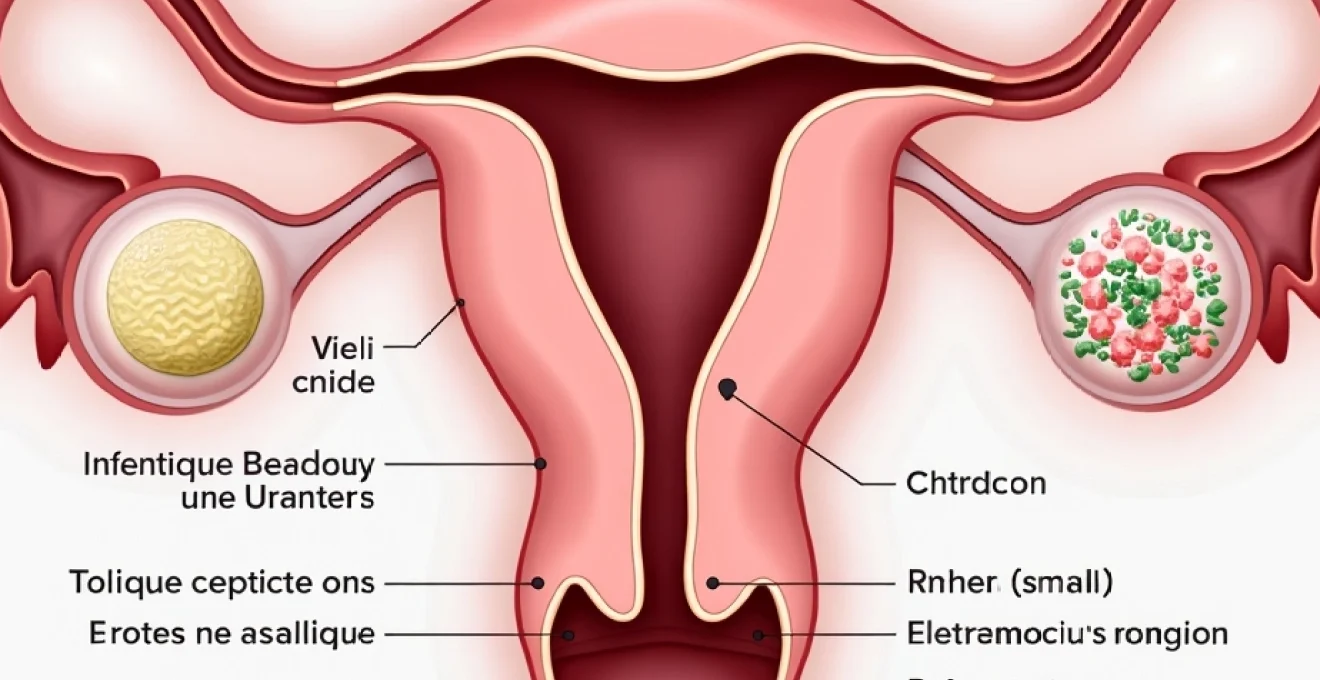
Urinary tract infections following dilatation and curettage procedures represent a significant clinical concern that affects approximately 2-8% of patients undergoing this common gynaecological intervention. The intimate anatomical relationship between the reproductive and urinary systems creates a unique environment where surgical manipulation can inadvertently compromise urological health. Understanding the multifactorial causes behind post-D&C bladder infections is crucial for both healthcare providers and patients, as these complications can lead to prolonged recovery times, additional medical interventions, and potentially serious systemic infections if left untreated.
The development of cystitis following uterine curettage involves complex interactions between anatomical vulnerabilities, procedural factors, microbial pathogenesis, and individual patient characteristics. While D&C remains a vital diagnostic and therapeutic tool in modern gynaecology, its potential urological complications demand careful consideration and proactive management strategies.
Pathophysiological mechanisms of Post-Dilatation and curettage urinary tract infections
Anatomical proximity between reproductive and urinary systems
The pelvis houses both reproductive and urinary organs in remarkably close proximity, creating an environment where surgical procedures on one system can significantly impact the other. The bladder sits directly anterior to the uterus, separated only by the vesicouterine pouch and a thin layer of peritoneum. During D&C procedures, this anatomical intimacy means that mechanical manipulation of the uterus can directly affect bladder function and predispose patients to urinary complications.
The shared blood supply and lymphatic drainage between these organ systems further complicates matters. Inflammation initiated in the uterine cavity can easily spread to adjacent structures through these interconnected networks. The cardinal and uterosacral ligaments, which provide structural support to the uterus, also contain nerve fibres that influence bladder function, explaining why uterine procedures can disrupt normal micturition patterns.
Bacterial translocation during cervical dilatation procedures
Cervical dilatation represents a critical phase where bacterial translocation commonly occurs. The cervix normally acts as a protective barrier, maintaining the sterility of the upper reproductive tract. However, forceful dilatation can create microscopic tears in the cervical mucosa, providing entry points for pathogenic bacteria. These microtrauma sites become conduits for ascending infections that can subsequently affect the urinary system through direct extension or haematogenous spread.
The process of dilatation itself can alter the normal bacterial flora of the cervicovaginal environment. Mechanical disruption of the mucosal surface can disturb the delicate balance of commensal bacteria, allowing opportunistic pathogens to proliferate and establish infections. Studies indicate that approximately 15% of patients show evidence of bacterial contamination of the uterine cavity following cervical dilatation, even when strict aseptic techniques are employed.
Compromised bladder innervation following uterine manipulation
The autonomic nervous system plays a crucial role in maintaining normal bladder function, and uterine manipulation during D&C can disrupt these delicate neural pathways. The hypogastric plexus, which controls both uterine and bladder function, can experience temporary dysfunction following surgical trauma. This neurological disruption manifests as incomplete bladder emptying , urinary retention, or altered sensation, all of which predispose patients to bacterial colonisation and subsequent infection.
Parasympathetic nerve fibres originating from the S2-S4 spinal segments innervate both the detrusor muscle and the ureteric orifices. When these pathways are irritated during uterine procedures, patients may experience vesicoureteral reflux, allowing bacteria to ascend from the lower urinary tract into the bladder and potentially the upper urinary tract.
Inflammatory cascade response in adjacent pelvic organs
The body’s inflammatory response to surgical trauma extends beyond the immediate surgical site, creating a cascade effect that can compromise the natural defence mechanisms of adjacent organs. Following D&C, the release of inflammatory mediators such as prostaglandins, cytokines, and chemokines can alter the local immune environment. This inflammatory milieu can impair the bladder’s natural antimicrobial properties, including the production of antimicrobial peptides and the maintenance of protective glycosaminoglycan layers on the urothelium.
Research demonstrates that surgical stress can temporarily suppress local immune function for up to 72 hours post-procedure. During this vulnerable period, the bladder’s ability to resist bacterial invasion is significantly compromised, creating an optimal environment for pathogenic colonisation and subsequent infection development.
Procedural risk factors and iatrogenic bladder trauma
Hegar Dilator-Associated urethral microtrauma
Hegar dilators, the standard instruments used for cervical dilatation, can inadvertently cause microtrauma to surrounding structures when excessive force is applied or when anatomical variations are present. The proximity of the urethra to the anterior vaginal wall means that aggressive cervical manipulation can compress or directly traumatise urethral tissues. This mechanical trauma creates entry points for bacteria and can disrupt the normal flow dynamics within the urinary tract.
The technique employed during dilatation significantly influences the risk of urethral injury. Rapid or forceful dilatation increases the likelihood of tissue damage, while gradual, controlled expansion minimises trauma. Studies show that procedures requiring dilatation beyond 10-12mm carry a substantially higher risk of urological complications, as the increased force required can affect surrounding anatomical structures.
Foley catheterisation complications during D&C
Urinary catheterisation, often employed during D&C procedures to ensure bladder decompression and prevent injury, paradoxically introduces its own set of infection risks. The insertion of a Foley catheter disrupts the normal urethral flora and can introduce exogenous bacteria directly into the bladder. Even under sterile conditions, catheter-associated urinary tract infections occur in approximately 3-7% of short-term catheterisations.
The catheter itself acts as a foreign body, providing a surface for bacterial adherence and biofilm formation. The biofilm matrix protects bacteria from antimicrobial agents and host immune responses, making subsequent infections more difficult to treat. Additionally, catheter manipulation during the procedure can cause urethral trauma, creating additional portals of entry for pathogenic organisms.
Lithotomy Position-Induced urinary stasis
The lithotomy position, standard for most D&C procedures, can contribute to urinary stasis and subsequent infection risk. This positioning alters normal pelvic anatomy and can impede adequate bladder drainage, particularly in patients with pre-existing pelvic floor dysfunction. Prolonged immobilisation in the lithotomy position can lead to dependent pooling of urine in the bladder base, creating stagnant conditions favourable for bacterial multiplication.
The elevation of the legs and pelvis during surgery can also affect venous return and lymphatic drainage from the pelvis, potentially compromising local immune function. Studies indicate that procedures lasting longer than 60 minutes in the lithotomy position carry a significantly increased risk of post-operative urinary complications, including infection and retention.
Operative duration impact on bladder dysfunction
Extended operative times correlate directly with increased infection rates, as prolonged surgical manipulation intensifies tissue trauma and inflammatory responses. Procedures exceeding 45 minutes show a marked increase in post-operative complications, including urinary tract infections. The cumulative effect of prolonged anaesthesia, positioning, and surgical manipulation creates an environment conducive to bacterial colonisation and subsequent infection.
Lengthy procedures often indicate technical difficulties or complications, which may necessitate more aggressive manipulation of pelvic structures. This increased surgical trauma can disrupt normal anatomical relationships and compromise the natural defence mechanisms that prevent bacterial invasion of the urinary tract.
Microbial pathogenesis and bacterial colonisation patterns
Escherichia coli ascending infection pathways
Escherichia coli remains the most common pathogen responsible for post-D&C urinary tract infections, accounting for approximately 75-85% of cases. This gram-negative bacterium possesses unique virulence factors that enable it to ascend from the intestinal reservoir through the urogenital tract. The P-fimbriae of uropathogenic E. coli strains demonstrate particular affinity for uroepithelial receptors, facilitating bacterial adherence and colonisation of the bladder mucosa.
The surgical disruption associated with D&C procedures can alter the normal protective mechanisms that prevent E. coli ascension. Changes in vaginal pH, disruption of normal flora, and compromised immune function create an environment where E. coli translocation from the intestinal tract to the urinary system becomes significantly more likely. Additionally, the bacterium’s ability to form intracellular bacterial communities within bladder epithelial cells provides protection from antimicrobial therapy and immune clearance.
Enterococcus faecalis biofilm formation in Post-Surgical bladders
Enterococcus faecalis represents the second most common cause of post-D&C urinary infections, particularly in healthcare-associated cases. This gram-positive bacterium demonstrates remarkable resilience in hospital environments and possesses intrinsic resistance to many commonly used antimicrobial agents. The organism’s ability to form robust biofilms on both biotic and abiotic surfaces makes it particularly problematic in post-surgical patients with indwelling catheters.
The biofilm-forming capacity of E. faecalis enables it to persist in the urinary tract despite appropriate antimicrobial therapy. These structured microbial communities can serve as reservoirs for recurrent infections and may contribute to the development of chronic cystitis in susceptible patients. The extracellular matrix produced by biofilm-embedded bacteria provides protection from both antimicrobial agents and host immune responses.
Staphylococcus saprophyticus Healthcare-Associated transmission
Staphylococcus saprophyticus, while traditionally associated with uncomplicated urinary tract infections in young women, has emerged as a significant cause of healthcare-associated urinary infections following gynaecological procedures. This coagulase-negative staphylococcus demonstrates particular tropism for uroepithelial tissue and can persist in the urinary tract for extended periods.
The organism’s resistance to novobiocin and its ability to adhere strongly to uroepithelial cells make it particularly problematic in the post-surgical setting. Hospital environmental contamination with S. saprophyticus can occur through inadequate sterilisation of instruments or cross-contamination between patients. The bacterium’s hydrophobic surface properties facilitate adherence to medical devices and can lead to persistent colonisation of the urinary tract.
Proteus mirabilis Urease-Mediated alkalinisation
Proteus mirabilis infections following D&C procedures present unique challenges due to the organism’s potent urease activity. This enzyme hydrolyses urea to ammonia and carbon dioxide, resulting in significant alkalinisation of the urinary tract. The resulting alkaline environment can damage uroepithelial tissue and predispose patients to stone formation, particularly in the presence of foreign bodies such as catheters.
The swarming motility of P. mirabilis enables rapid ascension through the urinary tract, potentially leading to upper urinary tract involvement. The organism’s ability to produce crystalline biofilms in alkaline urine creates particularly treatment-resistant infections. These crystalline matrices can obstruct normal urine flow and provide protected niches for bacterial persistence even after appropriate antimicrobial therapy.
Hormonal fluctuations and immune system compromise
The perioperative period following D&C procedures is characterised by significant hormonal fluctuations that can compromise the body’s natural defence mechanisms against urinary tract infections. Oestrogen levels, which play a crucial role in maintaining the integrity of the urogenital tract, may be disrupted following uterine manipulation. This hormonal disruption can lead to thinning of the urethral and bladder epithelium, reducing the natural barrier function that prevents bacterial invasion.
Surgical stress triggers the release of cortisol and other stress hormones, which can suppress immune function for several days post-procedure. This immunosuppressive effect creates a window of vulnerability during which pathogenic bacteria can establish infections that might otherwise be cleared by normal immune responses. The combination of local tissue trauma and systemic immune suppression creates an optimal environment for bacterial colonisation and subsequent infection development.
Additionally, disruption of the hypothalamic-pituitary-ovarian axis following uterine procedures can affect the normal cyclical changes in vaginal pH and flora composition. These changes can persist for weeks following the procedure, creating prolonged susceptibility to urogenital infections. The loss of oestrogen-mediated maintenance of healthy vaginal lactobacilli populations allows pathogenic bacteria to establish dominance in the urogenital ecosystem.
The interplay between surgical trauma, hormonal disruption, and immune compromise creates a perfect storm for post-procedural infections, requiring vigilant monitoring and proactive management strategies.
Research indicates that patients with pre-existing hormonal imbalances, such as those with polycystic ovary syndrome or menopausal women, face significantly higher risks of post-D&C urinary complications. The baseline compromise of their urogenital epithelium makes them particularly susceptible to bacterial invasion following surgical procedures.
Pre-existing comorbidities predisposing to Post-D&C cystitis
Diabetes mellitus represents one of the most significant predisposing factors for post-D&C urinary tract infections, affecting approximately 15-20% of women undergoing these procedures. Hyperglycaemia impairs neutrophil function, reducing the body’s ability to combat bacterial infections effectively. Additionally, glucosuria creates a nutrient-rich environment in the urinary tract that promotes bacterial growth and proliferation.
Diabetic patients often experience delayed wound healing and compromised tissue integrity, making them more susceptible to surgical site infections that can subsequently involve the urinary tract. The microvascular complications associated with diabetes can also impair local blood flow to pelvic organs, reducing the delivery of immune cells and antimicrobial agents to sites of potential infection.
Immunocompromised patients, including those receiving chemotherapy, chronic steroid therapy, or immunosuppressive medications, face substantially elevated risks of post-procedural infections. Their diminished immune responses allow opportunistic pathogens to establish infections that might be easily cleared in immunocompetent individuals. These patients often require prophylactic antimicrobial therapy and extended monitoring periods to prevent serious complications.
Patients with multiple comorbidities face compounded risks, as the interaction between different conditions can create synergistic effects that dramatically increase infection susceptibility.
Chronic kidney disease presents another significant risk factor, as impaired renal function can affect the normal flushing mechanism that helps clear bacteria from the urinary tract. Patients with reduced glomerular filtration rates may experience altered pharmacokinetics of antimicrobial agents, potentially leading to suboptimal tissue concentrations and treatment failures.
Previous history of urinary tract infections, particularly recurrent episodes, indicates an underlying predisposition to urological complications. These patients may have anatomical abnormalities, functional disorders, or altered immune responses that persist beyond the immediate post-surgical period. The presence of persistent bacterial reservoirs in these patients can lead to rapid recolonisation of the urinary tract following surgical procedures.
Understanding individual patient risk factors allows for personalised prevention strategies and targeted interventions that can significantly reduce the incidence of post-procedural complications.
Obesity represents an increasingly recognised risk factor for post-surgical infections, including urinary tract complications. Adipose tissue can harbour pathogenic bacteria and may impair local immune function through the production of inflammatory cytokines. Additionally, technical difficulties associated with procedures in obese patients can lead to prolonged operative times and increased tissue trauma, both of which contribute to infection risk.