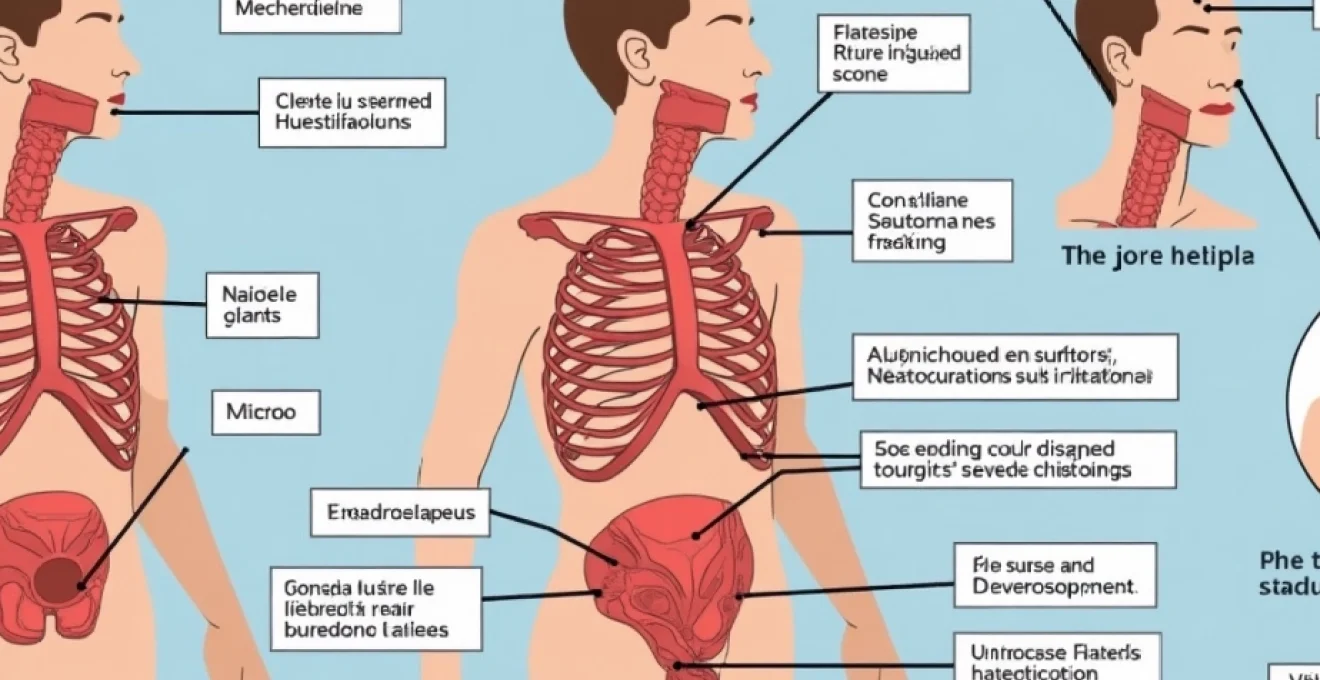
Sternal injuries represent a significant clinical challenge in emergency medicine, often resulting from high-impact trauma such as motor vehicle accidents, sports collisions, or direct blows to the chest. The sternum, commonly known as the breastbone, serves as a critical protective structure for vital organs including the heart and lungs. When this robust bone sustains injury, distinguishing between a simple contusion and a complete fracture becomes paramount for appropriate treatment and patient safety.
Understanding the subtle yet crucial differences between sternal bruising and fracture can mean the difference between conservative management and urgent surgical intervention. While both conditions share similar initial presentations, their underlying pathophysiology, diagnostic requirements, and potential complications vary significantly. The ability to accurately assess and differentiate these injuries requires comprehensive knowledge of chest wall anatomy, trauma mechanisms, and clinical evaluation techniques.
Understanding sternal anatomy and injury mechanisms
Anatomical structure of the sternum and costal cartilage attachments
The sternum comprises three distinct anatomical components: the manubrium, body (gladiolus), and xiphoid process. These segments unite through fibrocartilaginous joints, with the manubriosternal junction representing a particularly vulnerable area for fracture propagation. The sternum’s robust construction reflects its protective function, measuring approximately 15-20 centimetres in length and providing structural integrity to the anterior chest wall.
Costal cartilages attach the first seven ribs directly to the sternum, creating a semi-rigid framework that facilitates respiratory mechanics while protecting underlying structures. The thickness of the sternum varies considerably between individuals, with measurements ranging from 8-15 millimetres in healthy adults. Age-related changes significantly influence sternal vulnerability , as osteopaenia and reduced bone density increase fracture susceptibility in elderly populations.
Common trauma mechanisms leading to sternal injuries
Motor vehicle collisions account for approximately 60-80% of sternal injuries, with seatbelt compression during rapid deceleration creating focused pressure against the anterior chest wall. The classic mechanism involves a restrained occupant experiencing sudden forward momentum, causing the sternum to impact forcefully against the seatbelt or steering wheel assembly. Sports-related trauma, particularly in contact disciplines such as rugby, American football, and martial arts, represents another significant aetiological factor.
Direct impact mechanisms differ substantially from acceleration-deceleration injuries in their force distribution patterns. Falls from height, particularly when landing chest-first, can generate sufficient energy to fracture the sternum through concentrated loading. Industrial accidents involving heavy machinery or falling objects create similar high-energy transfer scenarios, often resulting in complex injury patterns requiring multidisciplinary management.
Pathophysiology of blunt chest trauma and force distribution
Understanding force transmission through the chest wall illuminates why certain impact patterns produce sternal contusions while others result in complete fractures. The sternum’s ability to absorb and distribute energy depends on multiple factors including impact velocity, contact surface area, and underlying bone quality. When applied forces exceed the bone’s elastic limit, microscopic trabecular damage occurs, potentially progressing to macroscopic fracture propagation.
Energy dissipation through the chest wall follows predictable biomechanical principles, with the sternum acting as the primary load-bearing structure for anterior impacts. Soft tissue injury patterns often mirror underlying bony damage , providing valuable clinical clues during physical examination. The relationship between external force magnitude and internal injury severity remains complex, with seemingly minor impacts occasionally producing significant sternal disruption in vulnerable populations.
Associated mediastinal and cardiac injury patterns
Sternal trauma frequently occurs in conjunction with mediastinal injuries due to the close anatomical proximity of these structures. Cardiac contusion affects 10-15% of patients with sternal fractures, manifesting through electrocardiographic abnormalities, elevated cardiac enzymes, or echocardiographic findings. The heart’s position directly posterior to the sternum makes it particularly susceptible to compression injuries during anterior chest wall trauma.
Great vessel injuries, while uncommon, represent potentially catastrophic complications requiring immediate recognition and intervention. Aortic disruption occurs in less than 5% of sternal fracture cases but carries mortality rates exceeding 80% without prompt surgical management. Pulmonary complications including pneumothorax and haemothorax may develop secondary to associated rib fractures or pleural injury from bone fragments.
Early recognition of associated injuries remains crucial for optimising patient outcomes, as isolated sternal trauma carries a significantly better prognosis than complex multi-organ involvement.
Clinical presentation differences between sternal contusion and fracture
Pain characteristics and functional movement limitations
The quality and intensity of pain experienced with sternal injuries provides valuable diagnostic information for differentiating contusions from fractures. Patients with simple sternal bruising typically describe a deep, aching discomfort that intensifies with direct pressure or certain positional changes. This pain pattern reflects soft tissue inflammation and muscular spasm rather than bony disruption, generally following a more predictable resolution timeline.
Fracture-related pain demonstrates distinct characteristics, often described as sharp, stabbing, or tearing sensations that worsen dramatically with respiratory effort, coughing, or sudden movements. The pain intensity associated with sternal fractures frequently proves incapacitating, preventing normal activities and significantly impacting quality of life. Movement-related pain exacerbation serves as a key differentiating factor , with fracture patients experiencing severe discomfort during routine activities such as rising from bed or turning over during sleep.
Functional limitations extend beyond simple pain perception, affecting respiratory mechanics and postural stability. Patients with sternal fractures often adopt protective postures, limiting chest wall expansion and potentially compromising ventilatory function. The involuntary muscle guarding observed in fracture cases contrasts markedly with the more tolerable discomfort experienced by those with simple contusions.
Physical examination findings: palpation and inspection techniques
Systematic physical examination remains the cornerstone of sternal injury assessment, requiring methodical inspection and careful palpation techniques. Visual inspection may reveal anterior chest wall swelling, ecchymosis, or obvious deformity in cases of displaced sternal fractures. The presence of seatbelt marks across the anterior chest provides valuable historical context and should prompt thorough evaluation for underlying structural damage.
Palpation techniques must be performed with appropriate caution to avoid exacerbating existing injuries while gathering diagnostic information. Gentle pressure applied along the sternal length can elicit point tenderness in both contusions and fractures, but the intensity and localisation of discomfort differs significantly. Crepitus detection during palpation strongly suggests fracture presence , representing the pathognomonic grinding sensation produced by bone fragment movement.
The presence of a palpable step-off deformity indicates displaced sternal fracture with potential instability requiring urgent orthopaedic consultation. Swelling patterns also provide diagnostic clues, with localised oedema suggesting simple soft tissue injury while diffuse chest wall swelling may indicate more extensive trauma. Documentation of examination findings should include detailed anatomical localisation and pain severity scoring for subsequent comparison.
Respiratory symptoms and breathing pattern assessment
Respiratory compromise represents a critical consideration in sternal trauma evaluation, as chest wall injuries directly impact ventilatory mechanics. Patients with sternal contusions typically maintain normal breathing patterns with mild discomfort during deep inspiration, while those with fractures often demonstrate shallow, rapid respirations aimed at minimising chest wall movement. The reluctance to cough effectively in fracture patients increases pneumonia risk and requires active management.
Paradoxical chest wall movement, while rare in isolated sternal injuries, may occur in cases of severe displacement or associated rib fractures. This finding indicates significant structural compromise requiring immediate medical attention and potential mechanical ventilatory support. Subjective dyspnoea complaints should be thoroughly investigated to exclude pneumothorax, haemothorax, or cardiac tamponade as potential complications.
Pulmonary function testing, while not routinely performed in acute settings, may reveal restrictive patterns in patients with significant chest wall injuries. The correlation between pain severity and respiratory limitation helps guide analgesic requirements and rehabilitation planning. Monitoring oxygen saturation and arterial blood gas values provides objective measures of respiratory adequacy during the acute management phase.
Cardiovascular signs and haemodynamic stability indicators
Cardiovascular assessment assumes paramount importance in sternal trauma cases due to the proximity of cardiac structures to the injury site. Haemodynamic instability may indicate cardiac contusion, pericardial tamponade, or great vessel injury requiring emergent intervention. Blood pressure monitoring should include assessment for pulsus paradoxus, which may suggest pericardial involvement or tension pneumothorax development.
Electrocardiographic abnormalities occur in 10-25% of sternal fracture cases, ranging from benign rhythm disturbances to life-threatening arrhythmias. ST-segment changes, new bundle branch blocks, or atrial fibrillation warrant cardiac enzyme measurement and continuous monitoring. Troponin elevation may reflect myocardial contusion rather than coronary artery disease in the trauma setting, requiring careful clinical correlation.
The absence of immediate cardiovascular compromise does not exclude significant cardiac injury, as delayed presentations can occur up to 48 hours following initial trauma.
Diagnostic imaging protocols for sternal trauma assessment
Plain radiography: lateral chest x-ray interpretation and limitations
Lateral chest radiography serves as the initial imaging modality for suspected sternal injuries, offering rapid assessment capabilities in emergency settings. The lateral sternal view demonstrates fracture lines, displacement patterns, and associated soft tissue swelling when present. However, plain radiography exhibits limited sensitivity for detecting non-displaced fractures or subtle trabecular injuries, potentially missing up to 30-40% of clinically significant sternal trauma cases.
Radiographic interpretation requires systematic evaluation of sternal contour, cortical continuity, and associated findings such as retrosternal haematoma or mediastinal widening. Displacement measurement proves crucial for surgical planning, with greater than 50% cortical disruption or significant angulation warranting orthopaedic consultation. Standard posteroanterior chest radiographs demonstrate poor sensitivity for sternal pathology due to overlapping cardiac and mediastinal structures obscuring bone detail.
The clinical correlation between radiographic findings and symptom severity occasionally reveals discordances, with some patients experiencing significant discomfort despite normal imaging studies. This phenomenon emphasises the importance of comprehensive clinical assessment rather than relying solely on imaging findings for diagnosis. Quality factors including patient positioning, respiratory phase, and exposure technique significantly influence diagnostic accuracy.
Computed tomography imaging: MDCT protocol and fracture classification
Multi-detector computed tomography (MDCT) represents the gold standard for comprehensive sternal trauma evaluation, providing detailed visualisation of fracture patterns, displacement, and associated injuries. Modern CT protocols utilise thin-section reconstruction with multiplanar reformatting capabilities, enabling precise fracture characterisation and surgical planning when indicated. The superior contrast resolution of CT imaging facilitates detection of retrosternal haematoma, cardiac contusion, and great vessel injuries.
Fracture classification systems based on CT findings help standardise treatment approaches and prognostic discussions. Simple fractures demonstrate single cortical breaks without significant displacement, while complex fractures involve multiple fragments, angulation, or associated instability. Three-dimensional reconstruction capabilities enhance surgical planning by providing detailed spatial relationships between fracture fragments and surrounding structures.
CT angiography protocols should be considered when vascular injury is suspected based on mechanism or associated findings. The rapid acquisition times of modern scanners minimise motion artefacts while providing comprehensive chest evaluation. Radiation exposure considerations must be balanced against diagnostic benefits, particularly in younger patients or those requiring serial imaging studies.
Ultrasound applications in emergency department sternal assessment
Point-of-care ultrasonography offers valuable diagnostic capabilities for sternal trauma assessment, particularly in resource-limited settings or when ionising radiation exposure should be minimised. High-frequency linear transducers provide excellent resolution for superficial bone cortex evaluation, enabling fracture detection and haematoma characterisation. The real-time nature of ultrasound examination allows dynamic assessment of chest wall movement and respiratory mechanics.
Ultrasound examination techniques require systematic probe placement along the sternal length with careful attention to cortical discontinuity or step-off deformities. Soft tissue changes including oedema, haematoma formation, and inflammatory responses are readily visualised using appropriate gain settings and colour Doppler applications. Operator experience significantly influences diagnostic accuracy , with adequate training essential for reliable clinical implementation.
The limitations of ultrasound include operator dependency, reduced penetration in obese patients, and inability to assess deeper mediastinal structures comprehensively. However, its portability, non-invasive nature, and immediate availability make it particularly valuable for initial trauma assessment and monitoring during treatment. Integration with other imaging modalities provides comprehensive diagnostic coverage.
Advanced imaging for suspected cardiac contusion and aortic injury
Advanced cardiac imaging protocols become essential when myocardial contusion or great vessel injury is suspected based on clinical presentation or mechanism of injury. Echocardiography, both transthoracic and transoesophageal, provides real-time assessment of cardiac function, pericardial collections, and valvular integrity. The portability of modern echocardiographic equipment enables bedside evaluation in critically ill patients.
Cardiac magnetic resonance imaging offers superior soft tissue contrast for detecting myocardial oedema, haemorrhage, or scar formation associated with contusion injuries. However, the longer acquisition times and limited availability restrict its use to stable patients in whom detailed cardiac assessment is required. Troponin correlation with imaging findings helps guide management decisions regarding cardiac monitoring requirements and activity restrictions.
CT angiography protocols specifically designed for aortic evaluation provide rapid, comprehensive assessment of the thoracic aorta and branch vessels. The sensitivity for detecting aortic injury approaches 95-98% with modern multi-detector systems, making it the preferred initial imaging modality for suspected great vessel trauma. Integration of cardiac and vascular imaging protocols maximises diagnostic yield while minimising patient exposure to contrast agents.
Emergency department management and treatment protocols
Emergency department management of sternal injuries requires systematic approach focusing on immediate stabilisation, comprehensive assessment, and appropriate disposition decisions. Initial evaluation must prioritise airway, breathing, and circulation while simultaneously identifying potential life-threatening complications. Pain management assumes critical importance not only for patient comfort but also for preventing respiratory complications associated with inadequate chest wall expansion.
Conservative management remains the mainstay of treatment for most sternal injuries, involving analgesic therapy, activity modification, and respiratory physiotherapy. Multimodal pain control strategies combining paracetamol, non-steroidal anti-inflammatory drugs, and opioid medications when necessary provide optimal symptom relief while minimising individual drug-related side effects. Adequate analgesia enables effective coughing and deep breathing , reducing the risk of pneumonia development during the healing process.
Respiratory physiotherapy protocols should be initiated early to prevent pulmonary complications, with patients receiving instruction on proper coughing techniques, incentive spirometry use, and mobility exercises. The tendency to adopt protective postures and limit chest wall movement increases atelectasis risk, making proactive respiratory management essential. Smoking cessation counselling should be provided to all tobacco users, as continued smoking significantly impairs healing and increases complication rates.
Surgical intervention requirements remain relatively uncommon, reserved for cases involving significant displacement, instability, or associated complications requiring operative management. Open reduction and internal fixation may be considered for severely displaced fractures causing persistent pain, respiratory compromise, or cosmetic deformity. The decision for surgical management requires careful consideration of patient factors including age, activity level, comorbidities, and functional expectations.
Multidisciplinary collaboration between emergency physicians, orthopaedic surgeons, and cardiothoracic specialists ensures optimal patient outcomes through coordinated care planning and appropriate resource utilisation.
Complications and long-term prognosis following sternal injuries
The spectrum of complications following sternal trauma ranges from minor discomfort to life-threatening conditions requiring immediate intervention. Early complications include pneumothorax, haemothorax, cardiac tamponade, and great vessel injury, with prompt recognition essential for preventing morbidity and mortality. Delayed complications may manifest days to weeks following initial injury, emphasising the importance of appropriate patient education and follow-up planning.
Chronic pain syndromes affect approximately 15-25% of patients with sternal injuries, particularly those with inadequate initial pain management or premature return to high-impact activities. The development of persistent pain correlates with fracture displacement severity, associated
rib injuries, and the presence of other comorbid conditions affecting healing capacity. Non-union or malunion of sternal fractures occurs rarely but may necessitate surgical intervention when conservative measures fail to achieve adequate stability.
Respiratory complications represent another significant concern, with pneumonia development occurring in 5-10% of cases due to impaired cough effectiveness and reduced chest wall mobility. The risk factors for pulmonary complications include advanced age, smoking history, pre-existing lung disease, and inadequate pain control limiting respiratory effort. Early mobilisation and aggressive respiratory physiotherapy significantly reduce complication rates by maintaining normal pulmonary mechanics and preventing secretion retention.
Cosmetic deformity following sternal injury creates functional and psychological impacts that may persist long after initial healing. Prominent chest wall irregularities or persistent tenderness can affect clothing choices, sleep positioning, and participation in physical activities. The psychological impact of visible deformity should not be underestimated, particularly in younger patients or those engaged in activities requiring chest protection or contact sports participation.
Long-term functional outcomes generally remain favourable for appropriately managed sternal injuries, with most patients achieving complete recovery within 6-12 months following initial trauma.
Return to activity guidelines and rehabilitation protocols
Structured return-to-activity protocols ensure safe progression while minimising re-injury risk and optimising functional outcomes. The timeline for activity resumption varies considerably based on injury severity, patient age, occupation, and recreational demands. Conservative progression through graduated activity levels allows tissue healing while maintaining cardiovascular fitness and preventing deconditioning that commonly accompanies prolonged rest periods.
Phase one rehabilitation focuses on pain management and respiratory function maintenance during the initial 2-4 weeks following injury. Patients should perform gentle range-of-motion exercises for the shoulders and neck while avoiding direct chest wall stress or lifting activities exceeding 5 kilograms. Walking remains the preferred cardiovascular exercise during this phase, with gradual distance and pace progression as tolerated. Regular assessment of pain levels and functional capacity guides progression timing, ensuring individual patient needs are addressed appropriately.
Phase two typically begins 4-6 weeks post-injury when acute pain has substantially resolved and initial healing has progressed. This phase introduces light resistance exercises, stretching routines, and gradual return to occupational activities not involving heavy lifting or repetitive chest movements. Swimming may be initiated during this phase as the buoyancy reduces chest wall stress while providing excellent cardiovascular conditioning. Patients should monitor for increased pain or swelling that might indicate excessive activity levels.
Return to contact sports or high-impact activities requires careful consideration of fracture healing status and residual symptoms. Most athletes can safely return to non-contact activities by 8-12 weeks post-injury, while contact sports participation should be delayed until 12-16 weeks minimum. Individual assessment by sports medicine specialists helps determine readiness for high-level competition, considering factors such as protective equipment requirements and sport-specific demands. The risk-benefit analysis must account for potential career implications and long-term health consequences of premature return.
Occupational considerations play a crucial role in return-to-work decisions, particularly for manual labourers, emergency service personnel, or healthcare workers involved in patient handling. Modified duty assignments may be necessary during the transition period, with gradual resumption of full responsibilities as healing progresses. Ergonomic assessments can identify workplace modifications that reduce chest wall stress and facilitate safer job performance during recovery phases.
Patient education regarding warning signs and activity modification principles empowers individuals to make informed decisions about their recovery while maintaining realistic expectations about timeline and functional outcomes.