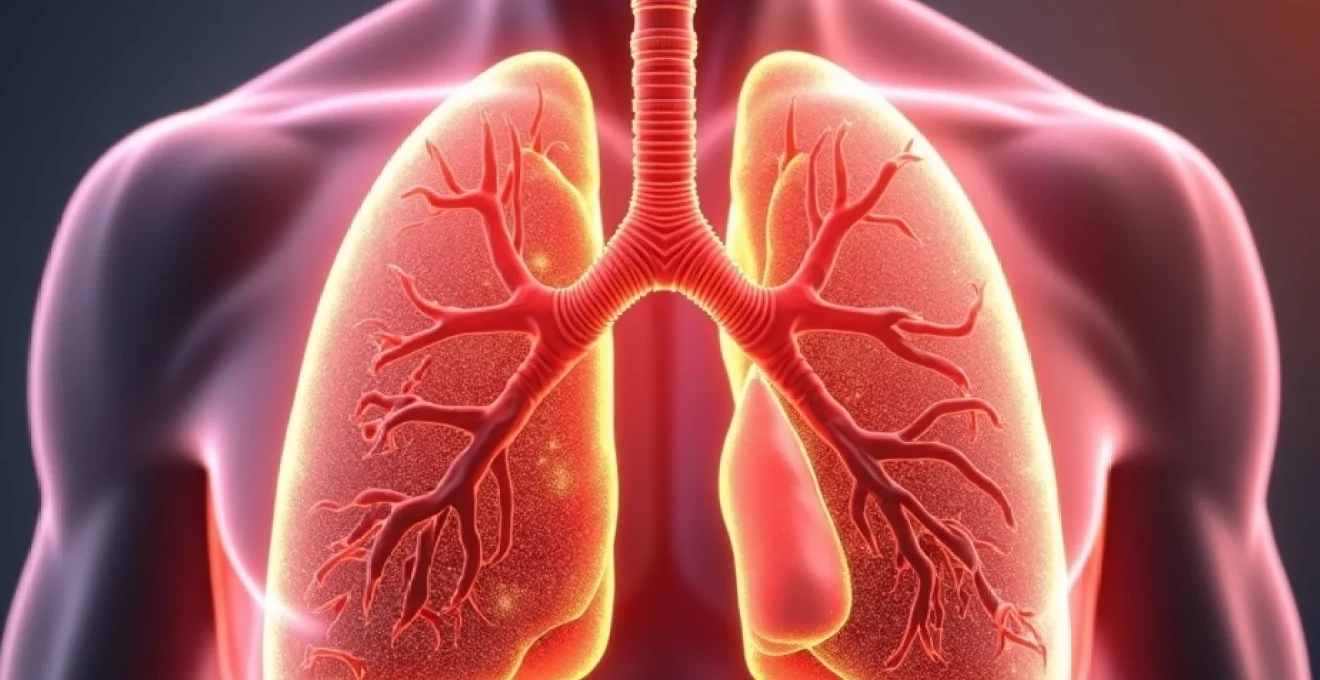
A burning sensation in the lungs can be an alarming and distressing experience that leaves many people wondering about its underlying cause. This uncomfortable symptom manifests as a fiery, irritating feeling deep within the chest cavity, often accompanied by breathing difficulties, coughing, or chest tightness. While the sensation might feel like your lungs are literally on fire, understanding the various medical conditions and environmental factors that trigger this symptom is crucial for proper diagnosis and treatment.
The respiratory system’s delicate tissues are particularly susceptible to inflammation and irritation from numerous sources. From viral infections that inflame the alveolar walls to chemical exposures that burn the bronchial passages, the causes of pulmonary burning sensations span a wide spectrum of medical conditions. Recognising the specific characteristics and accompanying symptoms of lung burning can help differentiate between minor irritations and potentially serious medical emergencies requiring immediate attention.
Environmental pollutants, infectious pathogens, chronic inflammatory diseases, and even gastroesophageal reflux can all manifest as burning lung sensations. The complexity of these interconnected causes means that accurate diagnosis often requires careful evaluation of symptom patterns, exposure history, and comprehensive medical assessment to determine the most appropriate treatment approach.
Respiratory tract infections and viral pneumonia as primary causes
Respiratory infections represent one of the most common triggers for burning lung sensations, as invading pathogens cause widespread inflammation throughout the pulmonary system. The body’s immune response to viral, bacterial, or atypical pathogens creates inflammatory cascades that irritate sensitive lung tissues, producing the characteristic burning feeling that many patients describe as feeling like their chest is on fire.
COVID-19 induced pulmonary inflammation and alveolar damage
SARS-CoV-2 infection frequently causes extensive pulmonary inflammation that manifests as burning chest sensations, particularly in moderate to severe cases. The virus’s spike proteins bind to ACE2 receptors abundant in lung tissue, triggering inflammatory responses that damage alveolar walls and create the burning sensation patients experience. COVID-19 pneumonia often presents with a distinctive dry cough accompanied by chest burning that can persist for weeks or months after initial infection.
Long COVID syndrome has emerged as a significant concern, with many patients reporting persistent burning lung sensations months after recovery from acute infection. This prolonged inflammation appears to involve ongoing immune system dysfunction and potential microclot formation within pulmonary capillaries, creating chronic irritation and the persistent burning feeling that characterises long-haul COVID symptoms.
Influenza A and B respiratory complications
Seasonal influenza viruses commonly cause burning lung sensations, particularly when infections progress to viral pneumonia. The inflammatory response to influenza creates widespread bronchial irritation, with patients often describing a raw, burning feeling that worsens with deep breathing or coughing. Influenza-associated burning typically develops alongside systemic symptoms like fever, body aches, and profound fatigue.
Secondary bacterial pneumonia following influenza infection can intensify the burning sensation as additional inflammatory mediators are released in response to bacterial colonisation. The combination of viral and bacterial infection creates a perfect storm for severe pulmonary inflammation that produces intense burning sensations requiring prompt antibiotic treatment alongside supportive care.
Respiratory syncytial virus (RSV) lower airway involvement
RSV infection typically affects the lower respiratory tract, causing bronchiolitis and pneumonia that produces burning sensations in both children and adults. The virus targets the small airways and alveoli, creating inflammatory swelling that narrows breathing passages and produces the characteristic burning feeling. Adult RSV infections have become increasingly recognised as a significant cause of respiratory symptoms, particularly in immunocompromised individuals.
The burning sensation from RSV often accompanies wheezing and difficulty breathing as inflamed bronchioles struggle to maintain adequate airflow. RSV-induced inflammation can trigger reactive airway disease that persists long after the initial infection resolves, continuing to produce intermittent burning sensations during physical exertion or exposure to respiratory irritants.
Bacterial pneumonia from streptococcus pneumoniae
Pneumococcal pneumonia creates intense burning lung sensations as bacterial toxins and inflammatory responses damage alveolar tissues. The infection typically begins in one lung segment before spreading, with patients experiencing progressively worsening burning sensations alongside high fever, productive cough, and pleuritic chest pain. The inflammatory cascade triggered by Streptococcus pneumoniae releases numerous cytokines that directly irritate lung tissues.
Complications from pneumococcal pneumonia, including empyema and lung abscess formation, can create particularly severe burning sensations as infected fluid accumulates within the pleural space. These complications require aggressive antibiotic therapy and sometimes surgical drainage to resolve the underlying infection and alleviate the intense burning sensation patients experience.
Mycoplasma pneumoniae atypical pneumonia presentation
Atypical pneumonia caused by Mycoplasma pneumoniae often produces subtle but persistent burning lung sensations that develop gradually over several days or weeks. Unlike typical bacterial pneumonia, mycoplasma infections create a more diffuse inflammatory pattern that affects the interstitial tissues surrounding the alveoli. This creates a distinctive burning sensation that patients often describe as feeling like their lungs are slowly smouldering.
The prolonged course of mycoplasma pneumonia means that burning sensations can persist for weeks despite appropriate antibiotic treatment. Mycoplasma infections trigger unique inflammatory pathways that can lead to reactive airway symptoms and persistent cough with burning sensations that require extended treatment courses with macrolide antibiotics.
Chemical and environmental pulmonary irritants
Chemical exposures represent another major category of causes for burning lung sensations, as toxic substances directly damage respiratory epithelium and trigger intense inflammatory responses. These exposures can occur occupationally, accidentally, or through environmental contamination, creating immediate or delayed onset burning sensations depending on the specific chemical involved and concentration of exposure.
Chlorine gas inhalation and acute lung injury
Chlorine gas exposure creates immediate and severe burning lung sensations as the chemical reacts with moisture in the respiratory tract to form hydrochloric acid. This chemical reaction literally burns the delicate tissues lining the airways and alveoli, producing intense pain and inflammatory responses that can progress to acute respiratory distress syndrome in severe cases. Swimming pool chemical accidents and industrial exposures are common sources of chlorine inhalation injuries.
The burning sensation from chlorine exposure typically begins immediately after inhalation and may worsen over several hours as inflammatory cascades develop. Chlorine-induced lung injury often requires immediate medical intervention including bronchodilators, corticosteroids, and supplemental oxygen to prevent respiratory failure and long-term pulmonary complications.
Ammonia vapour exposure and bronchial burns
Ammonia vapour inhalation causes intense burning sensations throughout the respiratory tract as the alkaline gas dissolves in airway moisture to form caustic ammonium hydroxide. This chemical reaction burns the mucous membranes lining the nose, throat, and lungs, creating immediate pain and inflammatory swelling that can rapidly compromise breathing. Agricultural workers and cleaning product users face particular risk for ammonia exposure incidents.
The severity of burning sensations from ammonia exposure correlates directly with concentration and duration of exposure. Low-level chronic exposures may produce subtle burning sensations that gradually worsen over time, while high-concentration acute exposures create immediate, severe burning that requires emergency medical treatment to prevent respiratory tract scarring and permanent lung damage.
Sulphur dioxide industrial exposure effects
Sulphur dioxide exposure in industrial settings creates burning lung sensations as the gas irritates respiratory tissues and triggers bronchospasm in susceptible individuals. The chemical acts as a potent respiratory irritant that causes immediate burning sensations, particularly in individuals with pre-existing asthma or chronic obstructive pulmonary disease. Power plants, refineries, and paper mills represent common sources of occupational sulphur dioxide exposure.
The burning sensation from sulphur dioxide typically affects the upper airways first before progressing to deeper lung tissues with continued exposure. Sulphur dioxide sensitivity varies significantly between individuals , with some people experiencing severe burning sensations at concentrations that barely affect others, highlighting the importance of proper workplace monitoring and personal protective equipment use.
Wildfire smoke particulate matter inhalation
Wildfire smoke contains numerous toxic compounds and fine particulate matter that create burning lung sensations through multiple mechanisms of respiratory irritation. The complex mixture of combustion products includes aldehydes, volatile organic compounds, and microscopic particles that penetrate deep into the alveoli, triggering inflammatory responses and the characteristic burning sensation associated with smoke inhalation.
Prolonged exposure to wildfire smoke can create persistent burning lung sensations that continue for days or weeks after the initial exposure ends. The fine particulate matter becomes embedded in lung tissues, creating ongoing inflammatory responses that manifest as chronic burning sensations, particularly during physical activity when breathing becomes more laboured and irritated tissues are further stressed.
Chronic inflammatory lung conditions
Chronic inflammatory lung diseases represent a significant category of conditions that produce persistent or recurrent burning lung sensations. These conditions involve ongoing immune system activation and inflammatory cascades that continuously irritate respiratory tissues, creating the burning sensation that patients often describe as a constant smouldering feeling within their chest cavity.
Asthma bronchospasm and airway hyperresponsiveness
Asthmatic inflammation creates burning lung sensations through multiple pathways, including eosinophilic infiltration of bronchial walls, mast cell degranulation, and smooth muscle hyperreactivity. During asthma exacerbations, inflamed airways produce the characteristic burning sensation alongside wheezing, coughing, and shortness of breath. The severity of burning often correlates with the degree of airway inflammation and can serve as an early warning sign of impending asthma attacks.
Exercise-induced asthma frequently manifests with burning lung sensations that develop during or immediately after physical activity as hyperresponsive airways react to increased ventilation and potential exposure to cold, dry air. This burning sensation typically resolves with bronchodilator use and rest, but persistent symptoms may indicate inadequate asthma control requiring adjustment of maintenance medications.
Chronic obstructive pulmonary disease (COPD) exacerbations
COPD exacerbations often present with intensified burning lung sensations as chronic inflammation becomes acutely worsened by viral infections, bacterial colonisation, or environmental irritant exposure. The underlying chronic inflammation in COPD creates a baseline level of respiratory irritation that flares dramatically during exacerbations, producing severe burning sensations alongside increased dyspnea and sputum production.
The burning sensation in COPD typically reflects the severity of underlying emphysematous changes and chronic bronchitis. Patients with predominantly bronchitic COPD often experience more prominent burning sensations due to ongoing inflammatory processes within the bronchial tubes, while those with emphysema-predominant disease may have less burning but more profound shortness of breath during exacerbations.
Bronchiectasis and persistent airway inflammation
Bronchiectasis creates chronic burning lung sensations through persistent bacterial colonisation and inflammatory responses within abnormally widened bronchi. The structural damage to airways creates ideal conditions for bacterial growth and biofilm formation, leading to ongoing inflammatory cascades that produce constant irritation and burning sensations. Patients typically describe a persistent burning feeling that worsens during infectious exacerbations.
The cyclical nature of bronchiectasis means that burning sensations often follow predictable patterns of worsening during infectious periods followed by partial improvement with antibiotic treatment. Pseudomonas aeruginosa colonisation in bronchiectasis frequently intensifies burning sensations due to the organism’s production of inflammatory toxins and its resistance to clearance by normal respiratory defence mechanisms.
Interstitial lung disease and pulmonary fibrosis
Interstitial lung diseases create burning sensations through inflammatory processes that affect the delicate tissues surrounding the alveoli. Conditions such as idiopathic pulmonary fibrosis, hypersensitivity pneumonitis, and connective tissue disease-related lung involvement all produce characteristic burning sensations as inflammatory cells infiltrate the interstitium and trigger fibrotic responses that stiffen lung tissues.
The burning sensation in interstitial lung disease often correlates with disease activity and progression. During acute inflammatory phases, patients experience more intense burning sensations alongside worsening dyspnea and dry cough. As fibrotic changes develop, the burning may become less prominent, but respiratory function continues to decline, creating a different pattern of symptoms dominated by progressive shortness of breath.
Gastroesophageal reflux disease (GERD) and aspiration syndromes
Gastroesophageal reflux disease frequently causes burning lung sensations through aspiration of gastric contents into the respiratory tract and direct irritation from acid reflux reaching the pharynx and upper airways. The acidic stomach contents create chemical burns within the sensitive respiratory tissues, triggering inflammatory responses that manifest as burning sensations throughout the chest and lungs. This mechanism explains why many patients experience worsening lung burning when lying flat or after consuming spicy or acidic foods.
Nocturnal acid reflux poses particular risk for aspiration-induced lung burning as the horizontal position facilitates retrograde flow of gastric contents into the esophagus and potentially into the respiratory tract. Silent aspiration during sleep can create morning burning lung sensations that many patients attribute to other causes, delaying appropriate diagnosis and treatment of underlying GERD. The chronic inflammatory response to repeated micro-aspirations can lead to persistent burning sensations that require comprehensive acid suppression therapy to resolve.
Aspiration pneumonitis represents the most severe manifestation of GERD-related lung burning, occurring when significant volumes of acidic gastric contents enter the lungs and create immediate chemical injury. This condition produces intense burning sensations alongside rapid onset respiratory distress, requiring emergency medical intervention to prevent progression to acute respiratory failure. The inflammatory cascade triggered by aspiration can continue for days or weeks, maintaining burning sensations long after the initial aspiration event.
The relationship between gastroesophageal reflux and respiratory symptoms is often underrecognised, with up to 80% of asthma patients also experiencing GERD symptoms that may contribute to their lung burning sensations.
Treatment of GERD-related lung burning requires aggressive acid suppression with proton pump inhibitors alongside lifestyle modifications including elevation of the head of the bed, avoiding late evening meals, and eliminating trigger foods. Many patients experience significant improvement in lung burning sensations within weeks of implementing comprehensive reflux management strategies, confirming the important role of gastric acid in creating respiratory symptoms.
Pulmonary embolism and Vascular-Related chest burning
Pulmonary embolism creates burning lung sensations through multiple mechanisms including acute pulmonary hypertension, inflammatory responses to clot formation, and potential pulmonary infarction in severe cases. The sudden obstruction of pulmonary blood flow triggers immediate inflammatory cascades that irritate lung tissues and create burning sensations alongside the classic symptoms of shortness of breath, chest pain, and hemoptysis. The severity of burning often correlates with the size and location of the embolic obstruction.
Smaller, peripheral pulmonary emboli may produce subtle burning sensations that patients initially attribute to respiratory infections or musculoskeletal causes. These burning sensations typically worsen with deep breathing or physical activity as the compromised pulmonary circulation struggles to meet increased oxygen demands. The burning sensation from pulmonary embolism often has a distinctive quality that patients describe as different from typical respiratory irritation, frequently accompanied by feelings of impending doom or severe anxiety.
Chronic thromboembolic pulmonary hypertension can develop following acute pulmonary embolism, creating persistent burning lung sensations due to ongoing pulmonary vascular inflammation and elevated pulmonary pressures. This condition requires anticoagulation therapy and sometimes pulmonary endarterectomy to remove organised clots and restore normal pulmonary circulation. The burning sensations typically improve as pulmonary pressures normalise and inflammatory responses subside.
Pulmonary embolism affects approximately 900,000 people annually in the United States, with burning chest sensations reported in up to 60% of cases, making it a critical differential diagnosis for patients presenting with acute onset lung burning.
Risk factors for pulmonary embolism include prolonged immobilisation, recent surgery, malignancy, hormonal contraceptives, and inherited thrombophilias. Patients presenting with burning lung sensations
alongside these risk factors should undergo immediate evaluation for possible thromboembolism, as early diagnosis and treatment significantly improve outcomes and reduce the risk of recurrent episodes.
Exercise-induced bronchoconstriction and cold air exposure
Exercise-induced bronchoconstriction creates burning lung sensations through rapid airway cooling and drying during periods of increased ventilation, particularly when exercising in cold, dry environments. The mechanism involves osmotic changes within the airway surface liquid that trigger mast cell degranulation and inflammatory mediator release, creating the characteristic burning sensation that athletes often describe as feeling like their lungs are freezing from the inside. This condition affects up to 90% of individuals with asthma and 10% of the general population, making it a common cause of exercise-related respiratory symptoms.
Cold air exposure intensifies exercise-induced burning sensations as the respiratory system struggles to warm and humidify large volumes of frigid air during physical activity. Winter sports athletes face particular risk for severe burning lung sensations due to the combination of high ventilation rates and extremely cold ambient temperatures. The burning typically begins within minutes of starting exercise and may persist for 30-60 minutes after activity cessation, gradually resolving as airway inflammation subsides.
The inflammatory cascade triggered by exercise-induced bronchoconstriction involves multiple cellular pathways including eosinophil activation, leukotriene production, and histamine release. These mediators create direct irritation of bronchial nerve endings, producing the burning sensation alongside bronchospasm and increased mucus production. Pre-treatment with short-acting bronchodilators can prevent or significantly reduce the intensity of exercise-induced burning sensations in most affected individuals.
Research indicates that warming up gradually for 15-20 minutes before intense exercise can reduce the severity of exercise-induced burning sensations by up to 50% compared to starting vigorous activity immediately.
Environmental modifications can significantly impact the severity of exercise-induced lung burning. Indoor exercise facilities with controlled temperature and humidity typically produce less severe symptoms compared to outdoor activities in harsh weather conditions. Athletes who experience persistent burning sensations despite bronchodilator pre-treatment may benefit from controller medications such as inhaled corticosteroids or leukotriene modifiers to reduce underlying airway hyperresponsiveness and inflammation.
The differential diagnosis of exercise-induced burning lung sensations must consider vocal cord dysfunction, which can mimic bronchoconstriction but involves paradoxical vocal cord closure during inspiration rather than true bronchospasm. This condition creates intense burning sensations during exercise alongside inspiratory stridor and a feeling of throat tightness. Vocal cord dysfunction often requires speech therapy and breathing retraining rather than bronchodilator therapy, highlighting the importance of accurate diagnosis through pulmonary function testing and laryngoscopy when symptoms are atypical.
Long-term management of exercise-induced burning sensations focuses on identifying and avoiding trigger conditions while maintaining physical fitness through appropriate medication use and environmental modifications. Many athletes successfully manage their symptoms through careful timing of bronchodilator use, gradual warm-up protocols, and strategic selection of exercise environments that minimise exposure to cold, dry air conditions that exacerbate their respiratory symptoms.