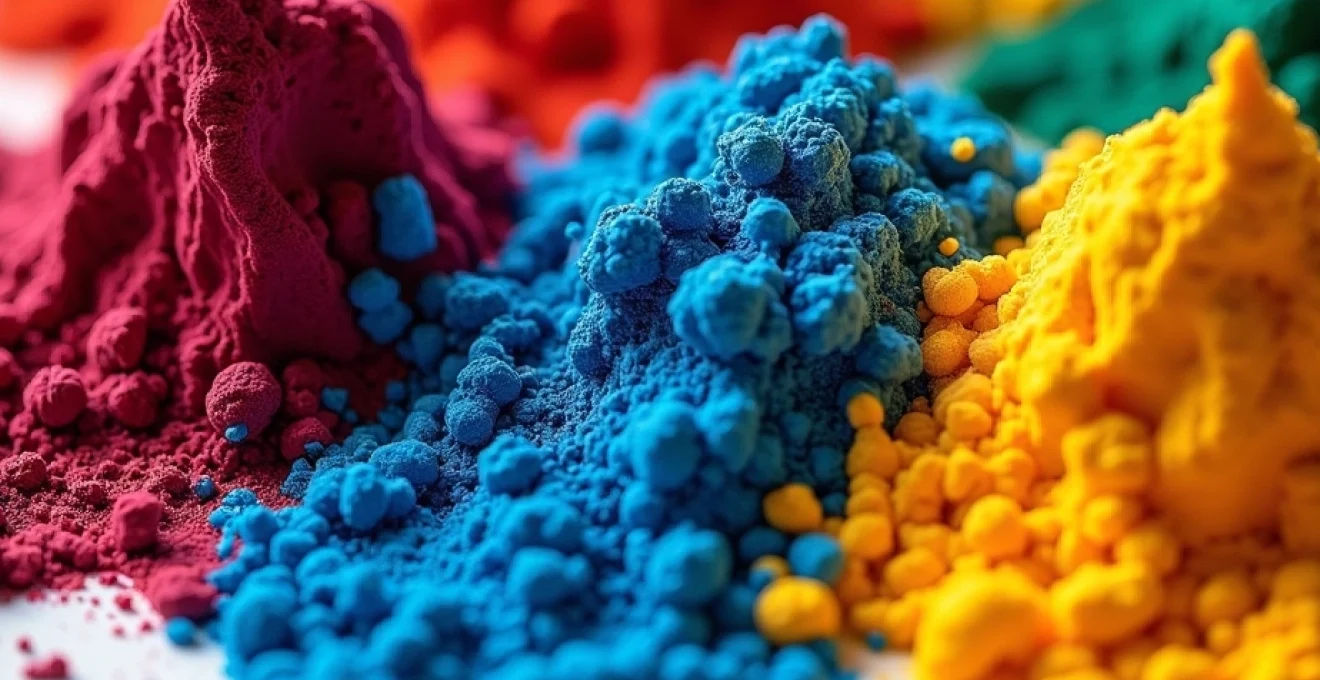
California has once again positioned itself at the forefront of food safety reform with groundbreaking legislation targeting artificial food dyes in public school meals. The Golden State’s pioneering approach addresses mounting scientific evidence linking synthetic colour additives to hyperactivity and neurobehavioural problems in children. This legislative milestone represents the culmination of decades of research documenting the potential adverse effects of petroleum-derived food colourants on developing minds. As the first state to implement comprehensive restrictions on artificial dyes in educational settings, California’s initiative could reshape how America approaches food additive regulation, potentially influencing federal policy and setting precedents for other states grappling with children’s behavioural health challenges.
California food safety modernisation act: legislative framework for artificial colour restrictions
The California Food Safety Modernisation Act establishes a comprehensive regulatory framework addressing synthetic food colourants in public educational institutions. This pioneering legislation emerged from extensive consultation with public health experts, educational administrators, and consumer advocacy groups who recognised the urgent need for protective measures in school environments.
Assembly bill 418 provisions and enforcement mechanisms
Assembly Bill 418 introduces stringent provisions governing the use of artificial food dyes in California’s public school system. The legislation empowers state health departments to conduct regular inspections of school cafeterias and food service operations, ensuring compliance through a robust monitoring system. Enforcement mechanisms include graduated penalties for non-compliant institutions, ranging from written warnings to potential funding restrictions for repeat offenders. The bill also establishes clear protocols for reporting violations and provides schools with technical assistance to navigate the transition period effectively.
Red dye no. 3, yellow dye no. 5, and blue dye no. 1 prohibition timeline
The prohibition timeline for specific synthetic dyes follows a carefully structured implementation schedule. Red Dye No. 3, also known as Erythrosine, faces the most immediate restrictions due to its established links to thyroid dysfunction and potential carcinogenic properties. Yellow Dye No. 5 (Tartrazine) and Blue Dye No. 1 (Brilliant Blue FCF) follow under the same regulatory umbrella, with manufacturers required to reformulate products by December 2027. This phased approach allows food processors adequate time to identify suitable natural alternatives whilst maintaining nutritional standards and cost-effectiveness for school meal programmes.
FDA colour additive regulations vs State-Level legislative authority
The tension between federal FDA colour additive regulations and state-level legislative authority creates a complex regulatory landscape. Whilst the FDA maintains that approved colour additives are safe for consumption, California’s legislation leverages states’ constitutional authority to establish more stringent safety standards for their residents. This dual regulatory structure reflects the precautionary principle adopted by European nations, where potential harm warrants protective action even without definitive causal proof. Legal experts anticipate potential challenges to state authority, though precedent suggests states retain significant power to regulate food safety within their jurisdictions.
Manufacturing compliance requirements for food processors
Food processors serving California’s public school market must navigate comprehensive compliance requirements under the new legislation. Manufacturing facilities must implement detailed ingredient tracking systems, ensuring complete documentation of all colourant sources and alternatives employed in production. Quality assurance protocols require enhanced testing procedures to verify the absence of prohibited synthetic dyes throughout the supply chain. Additionally, processors must maintain certified organic or natural colour alternatives that meet both nutritional and aesthetic requirements for school meal programmes, creating new operational challenges but also opportunities for innovation in the food manufacturing sector.
Neurological impact studies: artificial food colourants and paediatric hyperactivity research
Scientific research examining the neurological impact of artificial food colourants on children has evolved dramatically over the past five decades. Early investigations in the 1970s established preliminary connections between synthetic dyes and behavioural changes, whilst contemporary studies employ sophisticated methodologies to quantify these relationships with greater precision.
Southampton study methodology and statistical significance
The landmark Southampton Study employed rigorous double-blind methodology to examine artificial dye effects on 300 children aged 3 and 8 years. Researchers eliminated synthetic colourants from participants’ diets for one week before administering controlled doses of specific dye combinations or placebo drinks. The study’s statistical significance emerged through comprehensive behavioural assessments conducted by parents, teachers, and independent observers who remained unaware of treatment assignments. Results demonstrated measurable increases in hyperactivity scores across all participants, not merely those previously diagnosed with attention disorders, suggesting broader population susceptibility than previously recognised.
These changes shift the children along the hyperactivity scale. For children who are already predisposed to attention problems, the impact of dyes can move them far enough up that scale to cause a real problem.
Tartrazine (E102) and allura red AC (E129) behavioural correlation analysis
Detailed analysis of specific synthetic dyes reveals particularly strong correlations between Tartrazine (E102) and Allura Red AC (E129) consumption and measurable behavioural changes. Research indicates that Tartrazine exposure correlates with increased impulsivity and reduced attention span in sensitive individuals, whilst Allura Red AC demonstrates associations with heightened aggression and emotional volatility. These petroleum-derived compounds appear to affect neurotransmitter function differently than natural colour alternatives, potentially explaining their disproportionate impact on developing nervous systems. Clinical observations suggest that removal of these specific dyes from children’s diets can result in noticeable behavioural improvements within 72 hours to one week.
Dopaminergic pathway disruption in ADHD-Susceptible children
Emerging research identifies potential mechanisms through which synthetic food dyes may disrupt dopaminergic pathways in ADHD-susceptible children. These petroleum-derived compounds appear to interfere with dopamine reuptake and metabolism, exacerbating attention deficit symptoms and hyperactivity. Neuroimaging studies suggest that artificial colourants may influence prefrontal cortex activity, the brain region responsible for executive function and impulse control. Children with existing ADHD diagnoses demonstrate heightened sensitivity to these effects, with some experiencing symptom intensification lasting several days following dye exposure. Understanding these neurochemical interactions helps explain why certain children respond more dramatically to dietary interventions targeting synthetic food additives.
Meta-analysis results from european food safety authority assessments
The European Food Safety Authority’s comprehensive meta-analyses reveal consistent patterns across multiple studies examining artificial dye effects on childhood behaviour. Their systematic review of 27 peer-reviewed studies identified statistically significant associations between synthetic colourant consumption and adverse neurobehavioural outcomes. The analysis encompassed research spanning four decades, demonstrating remarkable consistency in findings despite varying methodologies and population demographics. Particularly noteworthy is the Authority’s conclusion that approximately 8-10% of children with ADHD show marked sensitivity to artificial dyes, with behavioural improvements following dietary elimination protocols. These findings formed the scientific foundation for European Union labelling requirements mandating health warnings on products containing synthetic food colours.
Targeted synthetic dyes: chemical composition and industrial applications
The six synthetic dyes targeted by California’s legislation represent some of the most widely used colour additives in the global food industry. Understanding their chemical composition and industrial applications provides crucial context for assessing their potential health impacts and the challenges facing manufacturers seeking alternatives.
Erythrosine (FD&C red no. 3) molecular structure and thyroid concerns
Erythrosine, designated as FD&C Red No. 3 in the United States, possesses a distinctive molecular structure containing four iodine atoms bonded to a fluorescein backbone. This iodinated compound’s chemical composition raises specific concerns regarding thyroid function, as iodine exposure can potentially disrupt hormone production in sensitive individuals. Laboratory studies demonstrate that Erythrosine can interfere with thyroid peroxidase activity, an enzyme critical for thyroid hormone synthesis. The dye’s molecular stability makes it particularly useful in processed foods requiring extended shelf life, explaining its widespread adoption in confectionery, baked goods, and preserved fruits despite mounting health concerns.
Sunset yellow FCF manufacturing process and petroleum derivative origins
Sunset Yellow FCF, also known as Yellow No. 6, originates from petroleum-derived benzene compounds through a complex industrial synthesis process. Manufacturing begins with aniline, a benzene derivative, which undergoes diazotisation and coupling reactions to create the final azo dye compound. This petroleum-based origin distinguishes synthetic food colours from natural alternatives derived from plants, minerals, or other biological sources. The manufacturing process requires stringent quality controls to minimise impurities, including potentially carcinogenic aromatic amines that can form during synthesis. Industrial applications extend beyond food colouring to include pharmaceutical tablets, cosmetics, and textile dyes, highlighting the compound’s versatility but also raising questions about cumulative exposure across multiple product categories.
Brilliant blue FCF stability characteristics in processed foods
Brilliant Blue FCF (FD&C Blue No. 1) demonstrates exceptional stability characteristics that make it invaluable for processed food applications requiring consistent colour retention. The dye’s triphenylmethane structure provides resistance to heat, light, and pH variations commonly encountered during food processing and storage. Its stability under acidic conditions makes it particularly suitable for beverages, whilst its heat resistance enables use in baked goods and other thermally processed products. However, this same molecular stability may contribute to its persistence in biological systems, potentially explaining why some children experience prolonged behavioural effects following exposure. The compound’s ability to cross the blood-brain barrier in animal studies raises additional concerns about its potential neurological impact.
Potassium bromate interaction effects with artificial colourants
Recent research has identified concerning interaction effects between potassium bromate, a flour treatment agent, and artificial colourants commonly used in baked goods. These interactions can potentially amplify the individual compounds’ effects on human health, creating synergistic responses that may exceed the sum of their individual impacts. Laboratory studies suggest that bromate compounds may enhance the cellular uptake of synthetic dyes, potentially increasing their bioavailability and biological activity. This phenomenon could explain why some children experience more severe reactions to coloured baked goods compared to other dye-containing products. The discovery of these interaction effects underscores the complexity of food additive safety assessment and the need for comprehensive testing protocols that consider combination effects rather than evaluating individual compounds in isolation.
Food industry response: reformulation strategies and natural colour alternatives
The food industry’s response to California’s artificial dye restrictions demonstrates both innovation and adaptation as manufacturers navigate the transition towards natural colour alternatives. Major food processors have begun investing heavily in research and development programmes focused on plant-based colourants that can replicate the vibrant hues previously achieved through synthetic dyes. Companies like Nestlé, General Mills, and Kraft Heinz have established dedicated teams to identify and test natural alternatives such as beetroot extract for red colours, turmeric for yellow, and spirulina for blue-green hues.
Reformulation challenges extend beyond simple ingredient substitution, as natural colours often behave differently during processing, storage, and distribution. Natural colour alternatives frequently exhibit lower stability profiles compared to synthetic counterparts , requiring manufacturers to adjust formulations, packaging materials, and supply chain logistics. Some companies have discovered that combining multiple natural colour sources can achieve greater stability and colour intensity, though this approach increases ingredient costs and complexity. The industry has also invested in microencapsulation technologies to protect natural colours from degradation whilst maintaining their visual appeal throughout product shelf life.
Innovation in natural colour extraction has accelerated significantly, with biotechnology companies developing new methods for producing vibrant colours from sustainable sources. Fermentation-based colour production using genetically modified microorganisms represents a promising frontier, potentially offering the stability of synthetic dyes with the safety profile of natural alternatives. However, consumer acceptance of these “nature-identical” colours remains uncertain, as some advocacy groups question whether biotechnologically produced compounds truly qualify as “natural” alternatives.
Economic implications for california’s $50 billion food manufacturing sector
California’s artificial dye restrictions create significant economic implications for the state’s massive food manufacturing sector, valued at approximately $50 billion annually. The transition to natural colour alternatives represents both substantial costs and potential opportunities for companies willing to invest in innovation and reformulation. Initial compliance costs include research and development expenses, ingredient sourcing modifications, production line adjustments, and regulatory documentation requirements. Industry analysts estimate that reformulation costs could range from $50,000 to $500,000 per product line, depending on complexity and production volume.
Manufacturing efficiency considerations present additional economic challenges, as natural colours often require different processing conditions, storage temperatures, and handling procedures compared to synthetic alternatives. Production yields may decrease initially as manufacturers optimise new formulations , whilst ingredient costs typically increase due to the higher price points of natural colour alternatives. However, companies successfully navigating this transition may gain competitive advantages in health-conscious markets, potentially offsetting initial investment costs through premium pricing and enhanced market positioning.
The economic ripple effects extend throughout California’s agricultural sector, as demand for colour-producing crops like red cabbage, purple carrots, and turmeric increases substantially. This shift could benefit California farmers willing to diversify their crop portfolios to meet food manufacturers’ emerging needs. Additionally, the state’s biotechnology sector may experience growth opportunities as companies invest in innovative colour production technologies. Long-term economic projections suggest that early adopters of natural colour technologies could capture significant market share as consumer preferences continue shifting towards cleaner label products.
Global regulatory precedents: european union colour additive restrictions and labelling requirements
The European Union’s approach to artificial food colour regulation provides valuable precedents for understanding the potential trajectory of American food additive policy. Since 2010, EU regulations have required warning labels on foods containing specific synthetic dyes, stating that these additives “may have an adverse effect on activity and attention in children.” This precautionary approach reflects the EU’s commitment to consumer protection even when scientific evidence suggests correlation rather than definitive causation.
European manufacturers’ responses to these regulations offer insights into potential American industry adaptations. Many multinational companies maintain separate formulations for European and American markets, using natural colours in European products whilst continuing synthetic dye use in regions with less restrictive regulations. This dual-standard approach highlights the feasibility of natural colour alternatives whilst revealing economic considerations driving continued synthetic dye use in markets where regulations permit their application.
The precautionary principle adopted by European nations warrants protective action even without definitive causal proof, reflecting a fundamental difference in regulatory philosophy compared to traditional American approaches.
International trade implications of divergent colour additive standards create complex challenges for global food manufacturers. Companies exporting to multiple markets must navigate varying regulatory requirements, potentially necessitating region-specific formulations that increase operational complexity and costs. However, some manufacturers have chosen to standardise their formulations around the most restrictive requirements, effectively eliminating synthetic dyes from their global product portfolios to simplify operations and reduce regulatory compliance costs.
Australia and New Zealand’s food standards authority has implemented similar restrictions, creating a growing international consensus around synthetic dye regulation. These coordinated international efforts suggest that American regulations may eventually align with global standards, making California’s proactive approach potentially advantageous for companies preparing for broader regulatory changes. The convergence of international food safety standards could ultimately benefit consumers worldwide whilst creating more level playing fields for manufacturers committed to natural ingredient alternatives.