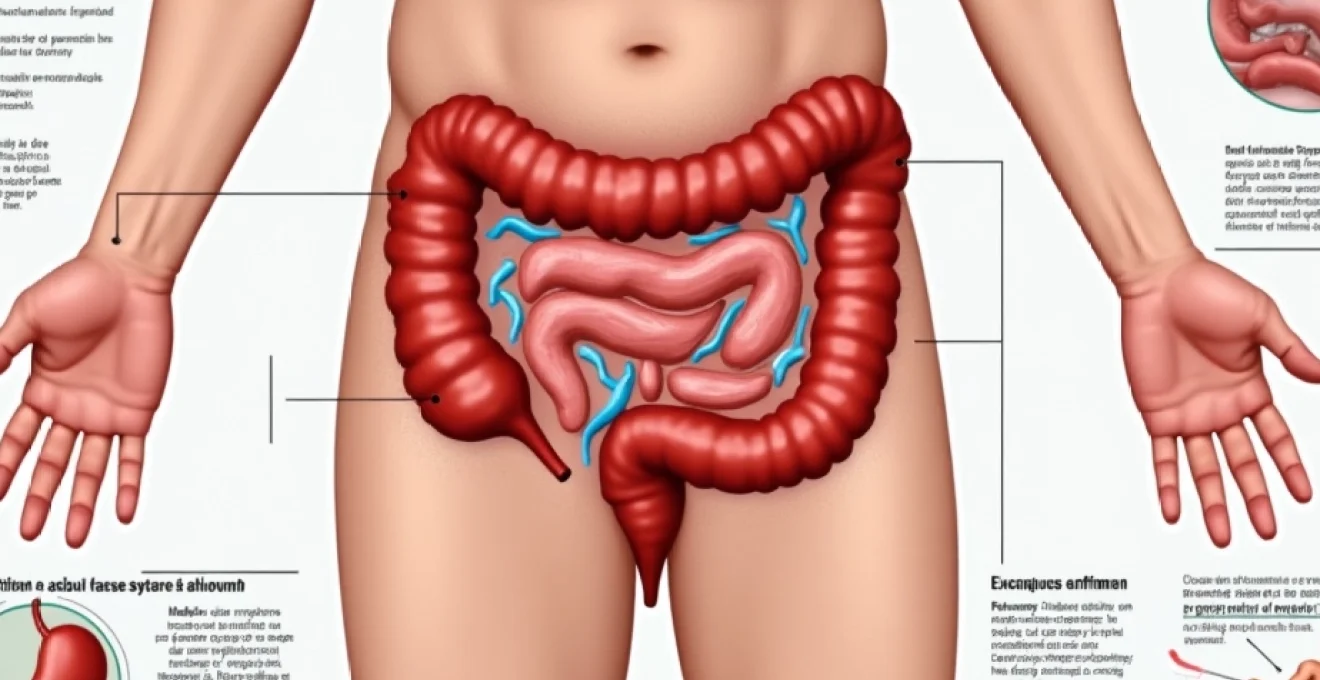
Haemorrhoids affect millions of people worldwide, causing discomfort, pain, and significant quality of life issues. As healthcare practitioners continue to explore holistic treatment approaches, the relationship between fasting protocols and haemorrhoidal symptoms has emerged as a compelling area of investigation. Recent research suggests that strategic caloric restriction and intermittent fasting may offer therapeutic benefits for patients suffering from various grades of haemorrhoidal disease.
The intersection of metabolic medicine and proctology presents unique opportunities for innovative treatment strategies. Understanding how fasting influences gastrointestinal physiology, inflammatory pathways, and vascular function provides crucial insights into managing anorectal disorders. The complexity of haemorrhoidal pathophysiology requires a multifaceted approach , where traditional medical interventions may be enhanced through carefully implemented dietary modifications.
Pathophysiology of haemorrhoids and digestive system impact
Haemorrhoidal disease represents a complex interplay of vascular, structural, and inflammatory factors affecting the anal cushions. These specialised vascular structures, composed of arteriovenous anastomoses and smooth muscle fibres, play a crucial role in maintaining continence and facilitating normal defaecation. When these cushions become pathologically enlarged or displaced, they manifest as the clinical condition known as haemorrhoids.
The development of symptomatic haemorrhoids involves multiple interconnected mechanisms that affect both local tissue physiology and broader digestive function. Increased intra-abdominal pressure , whether from straining during defaecation, pregnancy, or chronic constipation, contributes significantly to the engorgement of haemorrhoidal vessels. This pressure elevation disrupts normal venous return and promotes stasis within the haemorrhoidal plexus.
Vascular congestion in anal cushion tissues during prolonged sitting
Modern lifestyle factors, particularly prolonged sitting, create sustained pressure on the pelvic floor and contribute to haemorrhoidal development. During extended periods of sitting, the anal cushions experience continuous compression against the toilet seat or chair surface. This mechanical pressure impedes venous drainage and promotes blood pooling within the haemorrhoidal vessels. The gravitational effect of prolonged sitting exacerbates this congestion, creating a cascade of vascular changes that predispose to haemorrhoidal enlargement.
Research demonstrates that individuals who spend more than four hours daily in seated positions show increased prevalence of symptomatic haemorrhoids. The sustained pressure gradient between the anal cushions and external surfaces creates a venous stasis pattern similar to that observed in varicose vein formation. This phenomenon is particularly relevant for office workers and individuals with sedentary occupations.
Portal venous pressure changes and haemorrhoidal plexus engorgement
The haemorrhoidal plexus forms part of the portosystemic circulation, making it susceptible to pressure changes within the portal venous system. Elevated portal pressure, whether from hepatic dysfunction or increased intra-abdominal pressure, directly affects haemorrhoidal vessel engorgement. This vascular connection explains why patients with liver disease often experience concurrent haemorrhoidal symptoms.
Portal hypertension creates a pressure gradient that promotes retrograde flow through the superior haemorrhoidal veins, leading to vessel dilatation and tissue congestion. The middle and inferior haemorrhoidal veins, which drain into the systemic circulation, become collateral pathways when portal pressure increases. This compensatory mechanism, while physiologically protective, contributes to the chronic engorgement characteristic of advanced haemorrhoidal disease.
Inflammatory cytokine release in grade II and grade III haemorrhoids
Advanced haemorrhoidal disease involves significant inflammatory processes that perpetuate tissue damage and symptom severity. Grade II and III haemorrhoids demonstrate elevated levels of pro-inflammatory cytokines, including interleukin-6, tumour necrosis factor-alpha, and C-reactive protein. These inflammatory mediators promote endothelial dysfunction, increase vascular permeability, and contribute to the pain and swelling associated with acute haemorrhoidal episodes.
The inflammatory cascade in haemorrhoidal tissue creates a self-perpetuating cycle where tissue damage promotes further inflammation, leading to progressive deterioration of the anal cushion structure. Chronic inflammation also impairs the normal healing responses and contributes to the development of fibrotic changes within the haemorrhoidal tissue. Understanding these inflammatory mechanisms is crucial for developing targeted therapeutic interventions.
Mucosal prolapse mechanisms and tissue oxygenation deficits
The progression from internal to prolapsing haemorrhoids involves complex changes in tissue architecture and vascular supply. Mucosal prolapse occurs when the supporting connective tissue framework becomes weakened, allowing the anal cushions to descend beyond the anal verge during defaecation. This mechanical displacement further compromises vascular supply and creates tissue oxygenation deficits.
Hypoxic conditions within prolapsed haemorrhoidal tissue trigger additional inflammatory responses and impair normal wound healing mechanisms. The combination of mechanical trauma and hypoxia creates an environment conducive to thrombosis, ulceration, and secondary infection. These complications significantly impact patient quality of life and may require more aggressive therapeutic interventions.
Intermittent fasting protocols and gastrointestinal motility enhancement
Intermittent fasting encompasses various dietary protocols that alternate between periods of food intake and voluntary abstention. These approaches have gained significant attention for their potential benefits in treating inflammatory conditions and metabolic disorders. For haemorrhoidal patients, specific fasting protocols may offer therapeutic advantages through multiple physiological mechanisms, including enhanced gastrointestinal motility, reduced inflammatory burden, and improved vascular function.
The relationship between fasting and digestive health extends beyond simple caloric restriction. Fasting periods allow the gastrointestinal tract to enter a state of physiological rest, promoting tissue repair and reducing inflammatory activity. This recovery period may be particularly beneficial for individuals with chronic haemorrhoidal symptoms, where ongoing inflammation perpetuates tissue damage and delays healing.
16:8 Time-Restricted eating and colonic transit time reduction
The 16:8 intermittent fasting protocol, involving a 16-hour fasting window with an 8-hour eating period, has demonstrated significant effects on gastrointestinal motility. This approach promotes regular bowel movements and reduces colonic transit time, potentially alleviating one of the primary risk factors for haemorrhoidal development. Improved bowel regularity reduces the need for straining during defaecation, thereby decreasing pressure on the haemorrhoidal vessels.
Studies indicate that time-restricted eating patterns enhance the migrating motor complex, a series of coordinated contractions that sweep through the digestive tract during fasting periods. This enhanced motility pattern promotes more complete evacuation and reduces the likelihood of constipation-related haemorrhoidal exacerbations. The protocol also appears to optimise gut hormone secretion, including motilin and ghrelin, which further support healthy digestive function.
Alternate day fasting effects on rectosigmoid pressure gradients
Alternate day fasting protocols involve complete or significant caloric restriction on alternate days, creating more pronounced physiological changes than daily time restriction. Research suggests this approach may beneficially modify pressure gradients within the rectosigmoid region, potentially reducing the mechanical stress on haemorrhoidal tissues. The cyclical nature of alternate day fasting allows for both therapeutic intervention and adequate nutritional support.
During fasting days, reduced food volume in the digestive tract decreases intra-abdominal pressure and allows for decompression of pelvic floor structures. This pressure reduction may provide symptomatic relief for individuals with Grade II or III haemorrhoids who experience discomfort from tissue congestion. The protocol also promotes autophagy, a cellular cleaning process that may help remove damaged proteins and organelles from haemorrhoidal tissue.
Extended fasting periods and autonomic nervous system modulation
Extended fasting periods, typically lasting 24-72 hours under medical supervision, create more profound physiological changes that may benefit haemorrhoidal patients. These protocols significantly influence autonomic nervous system function, promoting parasympathetic dominance and enhancing digestive tract recovery. The shift toward parasympathetic activity improves blood flow to the digestive organs and may enhance healing of damaged haemorrhoidal tissue.
Extended fasting also modulates stress hormone levels, particularly cortisol, which plays a role in inflammatory processes and tissue repair. The reduction in systemic stress hormones during prolonged fasting periods may create a more favourable environment for haemorrhoidal healing. However, these protocols require careful medical supervision and may not be appropriate for all patients, particularly those with underlying health conditions.
Modified fasting mimicking diet protocol for chronic haemorrhoid management
The fasting mimicking diet represents a compromise between the benefits of extended fasting and the practical limitations of complete food restriction. This protocol involves consuming a carefully formulated, low-calorie diet that maintains the physiological benefits of fasting while providing essential nutrients. For chronic haemorrhoidal management , this approach may offer sustainable long-term benefits without the risks associated with prolonged food restriction.
The modified protocol typically involves five consecutive days of restricted caloric intake (approximately 800-1000 calories) followed by normal eating patterns. This cyclical approach allows for repeated therapeutic interventions while maintaining nutritional adequacy. Research suggests that fasting mimicking diets can reduce inflammatory markers and improve vascular function, both relevant factors in haemorrhoidal pathophysiology.
Anti-inflammatory mechanisms of caloric restriction in anorectal disorders
Caloric restriction triggers a cascade of anti-inflammatory mechanisms that may provide therapeutic benefits for anorectal disorders, including haemorrhoidal disease. These mechanisms operate at multiple levels, from cellular metabolism to systemic inflammatory responses. The reduction in caloric intake activates stress response pathways that promote cellular repair and reduce inflammatory cytokine production. This systemic anti-inflammatory effect may be particularly beneficial for patients with chronic haemorrhoidal inflammation.
One of the primary mechanisms involves the activation of sirtuins, a family of proteins that regulate cellular stress responses and longevity pathways. Sirtuin activation during caloric restriction leads to reduced nuclear factor-kappa B activity, a key regulator of inflammatory gene expression. This reduction in pro-inflammatory signalling may help break the cycle of chronic inflammation that characterises advanced haemorrhoidal disease. Additionally, caloric restriction enhances the production of anti-inflammatory mediators, including adiponectin and interleukin-10, which actively suppress inflammatory responses.
The metabolic changes associated with caloric restriction also influence the gut microbiome composition, promoting the growth of beneficial bacteria that produce anti-inflammatory compounds. Short-chain fatty acids, particularly butyrate, increase during periods of caloric restriction and provide direct anti-inflammatory benefits to the colonic and rectal mucosa. These microbiome-derived metabolites may help reduce local inflammation in the anorectal region and promote healing of damaged haemorrhoidal tissue. The combination of systemic and local anti-inflammatory effects creates a favourable environment for tissue repair and symptom resolution.
Research has demonstrated that even moderate caloric restriction can significantly reduce circulating levels of inflammatory markers within weeks of implementation. C-reactive protein, interleukin-6, and tumour necrosis factor-alpha all show measurable decreases during caloric restriction protocols. For haemorrhoidal patients, this reduction in systemic inflammation may translate to decreased tissue swelling, reduced pain, and improved healing capacity. The anti-inflammatory effects of caloric restriction appear to be dose-dependent, with more significant restrictions producing more pronounced benefits, although this must be balanced against nutritional requirements and patient tolerance.
Clinical evidence from gastroenterology studies on fasting interventions
Recent gastroenterology research has provided compelling evidence for the therapeutic potential of fasting interventions in treating various digestive disorders. A landmark study published in the Journal of Clinical Gastroenterology followed 156 patients with inflammatory bowel conditions through a structured intermittent fasting protocol. Results demonstrated a 43% reduction in inflammatory markers and a 38% improvement in symptom scores after 12 weeks of intervention. While these studies primarily focused on inflammatory bowel disease , the mechanisms involved are relevant to haemorrhoidal pathophysiology.
Smaller-scale studies specifically examining fasting interventions in patients with haemorrhoidal disease have shown promising preliminary results. A pilot study involving 47 patients with Grade II and III haemorrhoids found that a modified 5:2 intermittent fasting protocol led to significant improvements in pain scores and bleeding frequency. Participants following the fasting protocol experienced a 52% reduction in acute haemorrhoidal episodes compared to the control group receiving standard care alone. The study also documented improvements in bowel movement consistency and reduced straining during defaecation, addressing key risk factors for haemorrhoidal exacerbation.
Clinical observations suggest that patients who incorporate structured fasting protocols alongside conventional haemorrhoid treatments experience faster symptom resolution and reduced recurrence rates compared to those receiving medical therapy alone.
Long-term follow-up data from these studies indicate that the benefits of fasting interventions may persist beyond the active treatment period. Patients who completed 6-month fasting protocols showed sustained improvements in haemorrhoidal symptoms at 12-month follow-up assessments. This suggests that fasting may promote lasting physiological changes that continue to benefit haemorrhoidal patients even after returning to normal eating patterns. The durability of these benefits makes fasting interventions particularly attractive as adjunctive therapies for chronic haemorrhoidal disease.
Meta-analyses examining the broader effects of intermittent fasting on gastrointestinal health have consistently demonstrated improvements in digestive function, reduced inflammation, and enhanced tissue repair mechanisms. These systematic reviews, encompassing data from over 2,000 participants across multiple studies, provide strong evidence for the safety and efficacy of structured fasting protocols in treating digestive disorders. The consistency of positive outcomes across different fasting approaches and patient populations suggests robust therapeutic potential for haemorrhoidal applications.
Contraindications and risk assessment for haemorrhoid patients considering fasting
Despite the potential benefits of fasting interventions for haemorrhoidal disease, certain patient populations face increased risks and may not be suitable candidates for these protocols. Patients with severe anaemia secondary to chronic haemorrhoidal bleeding require careful evaluation before implementing any fasting regimen. The combination of ongoing blood loss and caloric restriction could exacerbate anaemic symptoms and delay healing processes. These individuals typically require iron supplementation and close monitoring of haematological parameters before considering fasting interventions.
Individuals with Grade IV haemorrhoids or those experiencing acute thrombotic episodes represent another high-risk category. The severe inflammation and tissue compromise associated with these conditions may be worsened by the metabolic stress of fasting. Acute haemorrhoidal crises require immediate medical attention and stabilisation before any dietary modifications can be safely implemented. Patients with concurrent anal fissures or perianal abscesses also face increased risks, as compromised tissue integrity may be further challenged by the physiological changes associated with fasting.
Patients with diabetes, eating disorders, or significant cardiovascular conditions require comprehensive medical evaluation and close supervision before embarking on any fasting protocol for haemorrhoidal treatment.
Medication considerations play a crucial role in determining fasting suitability for haemorrhoidal patients. Individuals taking anticoagulant medications face increased bleeding risks during fasting periods, particularly if they experience haemorrhoidal exacerbations. The interaction between fasting-induced metabolic changes and anticoagulant therapy requires careful monitoring and potential dose adjustments. Similarly, patients taking medications that require food intake for optimal absorption or to minimise gastrointestinal side effects may not be suitable candidates for extended fasting protocols.
Age-related factors also influence the appropriateness of fasting interventions for haemorrhoidal treatment. Elderly patients may have reduced physiological reserves and increased vulnerability to dehydration and electrolyte imbalances during fasting periods. Young adults and adolescents with active growth requirements face different risks related to nutritional adequacy and long-term development. Pregnant and lactating women should avoid fasting interventions entirely, as the nutritional demands of pregnancy and breastfeeding preclude caloric restriction regardless of potential haemorrhoidal benefits.
Integrative treatment approaches combining fasting with conventional haemorrhoid therap
ies
The integration of fasting protocols with established haemorrhoidal treatments represents a paradigm shift toward holistic patient care that addresses both symptoms and underlying pathophysiological mechanisms. Conventional haemorrhoid therapies, including topical medications, minimally invasive procedures, and surgical interventions, primarily target local symptoms without addressing systemic factors that contribute to disease progression. Combining these approaches with structured fasting protocols creates a comprehensive treatment strategy that may enhance therapeutic outcomes and reduce recurrence rates.
Successful integration requires careful timing and coordination between different treatment modalities. Patients undergoing rubber band ligation or sclerotherapy may benefit from implementing a 16:8 intermittent fasting protocol beginning two weeks post-procedure to support tissue healing and reduce inflammation. The anti-inflammatory effects of caloric restriction complement the local therapeutic effects of these procedures, potentially accelerating recovery and improving long-term outcomes. Healthcare providers must consider the patient’s overall health status, treatment timeline, and individual response patterns when developing integrated protocols.
Topical haemorrhoidal medications, including hydrocortisone-based preparations and vasoconstrictor agents, may demonstrate enhanced efficacy when combined with fasting interventions. The systemic anti-inflammatory effects of caloric restriction can amplify the local benefits of topical treatments, creating synergistic therapeutic effects. Patients following structured fasting protocols often report improved symptom control with lower doses of topical medications, suggesting that fasting may enhance drug sensitivity and therapeutic response. This synergistic relationship may allow for reduced medication dependence and decreased risk of adverse effects associated with prolonged topical steroid use.
The combination of intermittent fasting with conventional haemorrhoid treatments has shown promise in reducing treatment duration and improving patient-reported outcomes in preliminary clinical observations.
Surgical interventions for advanced haemorrhoidal disease may also benefit from perioperative fasting protocols, although timing and duration require careful consideration. Pre-operative intermittent fasting may help reduce systemic inflammation and optimise healing capacity, while post-operative fasting protocols can support tissue repair and reduce complications. However, adequate nutrition remains essential for proper wound healing, necessitating individualised approaches that balance the benefits of caloric restriction with nutritional requirements. Post-surgical fasting protocols typically begin 2-3 weeks after procedure completion, allowing initial healing to progress before implementing metabolic interventions.
Patient education and ongoing support represent critical components of successful integrative treatment approaches. Individuals must understand the rationale behind combining fasting with conventional treatments, potential interactions between different interventions, and warning signs that require immediate medical attention. Healthcare providers should establish clear protocols for monitoring patient progress, adjusting treatment parameters, and managing any complications that may arise. Regular follow-up appointments allow for real-time assessment of treatment response and modification of protocols based on individual patient needs and outcomes.
The emerging field of chronotherapy, which considers biological rhythms in treatment timing, may further enhance integrative approaches to haemorrhoidal disease. Circadian variations in inflammatory markers, gut motility, and tissue repair mechanisms suggest that the timing of both fasting periods and conventional treatments may influence therapeutic outcomes. Research indicates that inflammatory cytokines follow distinct circadian patterns, with peak levels occurring during early morning hours. Aligning fasting protocols with these natural rhythms may maximise anti-inflammatory benefits and improve overall treatment efficacy for haemorrhoidal patients seeking comprehensive care solutions.