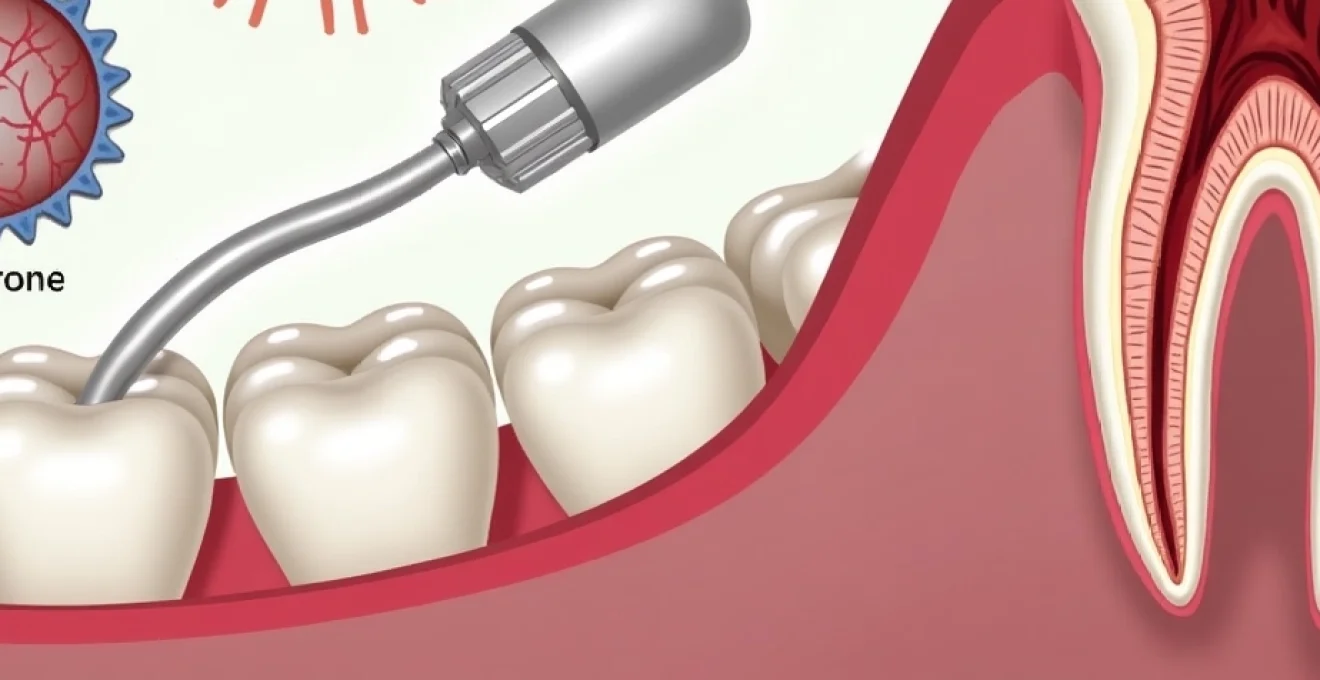
The connection between oral health and cardiovascular disease has emerged as one of the most compelling areas of medical research in recent decades. Periodontal disease , commonly known as gum disease, affects over 50% of adults worldwide and has been increasingly linked to elevated blood pressure readings. Recent studies demonstrate that individuals with severe periodontitis are twice as likely to develop hypertension compared to those with healthy gums, suggesting a significant relationship that extends far beyond the confines of the mouth.
This relationship carries profound implications for public health, particularly as both conditions are remarkably prevalent. High blood pressure affects approximately 30-45% of adults globally and remains the leading preventable cause of cardiovascular disease. When considered alongside the widespread nature of periodontal disease, the potential for these conditions to compound cardiovascular risk becomes a critical concern for healthcare professionals and patients alike.
Pathophysiological mechanisms linking periodontal disease to hypertension
Understanding the biological mechanisms that connect periodontal disease to elevated blood pressure requires examining the complex interplay between bacterial infection, immune response, and vascular function. The mouth serves as a gateway to the systemic circulation, and chronic periodontal inflammation creates a pathway for bacterial toxins and inflammatory mediators to enter the bloodstream, potentially triggering cascading effects throughout the cardiovascular system.
Systemic inflammatory response and C-Reactive protein elevation
Periodontal disease initiates a chronic inflammatory state that extends well beyond the gingival tissues. Research indicates that patients with severe periodontitis exhibit significantly elevated levels of C-reactive protein (CRP), interleukin-6, and tumor necrosis factor-alpha compared to periodontally healthy individuals. These inflammatory markers directly correlate with increased cardiovascular risk and have been shown to promote endothelial dysfunction.
The inflammatory cascade begins when periodontal pathogens and their endotoxins trigger local immune responses in the gums. However, the chronic nature of periodontal infection ensures that these inflammatory mediators continuously enter the systemic circulation. Studies have documented that individuals with periodontitis show CRP levels up to three times higher than those with healthy gums, indicating a state of low-grade systemic inflammation that can persist for years.
Bacteraemia and endothelial dysfunction cascade
Daily activities such as tooth brushing, chewing, and dental procedures can introduce periodontal bacteria into the bloodstream through compromised gingival tissues. This transient bacteraemia becomes particularly significant in individuals with advanced periodontal disease, where the epithelial barrier is severely compromised. Endothelial cells , which line blood vessels, respond to bacterial invasion by increasing vascular permeability and promoting inflammatory cell recruitment.
The endothelium plays a crucial role in regulating blood pressure through the production of vasoactive substances. When exposed to periodontal pathogens and their toxins, endothelial function becomes impaired, leading to reduced production of nitric oxide and increased release of vasoconstrictive factors. This dysfunction contributes directly to elevated blood pressure and increased cardiovascular risk.
Cytokine-mediated vascular smooth muscle cell proliferation
Chronic exposure to inflammatory cytokines released during periodontal disease promotes abnormal proliferation of vascular smooth muscle cells within arterial walls. This process, known as arterial remodelling , results in thickened vessel walls and reduced arterial compliance. The structural changes to blood vessels create increased resistance to blood flow, necessitating higher pressures to maintain adequate circulation throughout the body.
Research has demonstrated that specific cytokines associated with periodontal disease, particularly interleukin-1β and matrix metalloproteinases, directly stimulate smooth muscle cell migration and proliferation. These cellular changes occur gradually over time but can lead to measurable increases in arterial stiffness and systolic blood pressure, particularly in older adults who may already have age-related vascular changes.
Nitric oxide bioavailability reduction through oxidative stress
Periodontal inflammation generates substantial oxidative stress through the production of reactive oxygen species by activated immune cells. This oxidative environment directly interferes with nitric oxide synthesis and bioavailability, compromising the body’s primary mechanism for blood vessel relaxation. Nitric oxide deficiency leads to impaired vasodilation and contributes significantly to hypertension development.
Studies have shown that individuals with severe periodontitis exhibit marked reductions in nitric oxide metabolites in their blood and urine, indicating systemic impairment of this crucial vasodilatory pathway. The relationship between oxidative stress and blood pressure becomes particularly evident when examining the effects of periodontal therapy, which has been shown to improve nitric oxide bioavailability and reduce blood pressure in some patients.
Clinical evidence from longitudinal studies and Meta-Analyses
The relationship between periodontal disease and hypertension has been extensively studied through various research methodologies, providing robust evidence for this connection. Large-scale epidemiological studies, longitudinal cohort analyses, and systematic reviews have consistently demonstrated associations between gum disease and elevated blood pressure across diverse populations and geographic regions.
NHANES database findings on periodontitis and systolic blood pressure
Analysis of the National Health and Nutrition Examination Survey (NHANES) database, encompassing thousands of participants, has revealed significant correlations between periodontal disease severity and blood pressure measurements. Participants with severe periodontitis showed average systolic blood pressure readings 4.5 mmHg higher than those with healthy gums, a difference that translates to approximately 25% increased risk of cardiovascular events.
The NHANES data becomes particularly compelling when examining dose-response relationships. Individuals with moderate periodontal disease showed intermediate blood pressure elevations, suggesting a graduated relationship between periodontal disease severity and cardiovascular risk. These findings remained statistically significant even after adjusting for traditional cardiovascular risk factors including age, smoking status, diabetes, and body mass index.
Framingham heart study correlations between alveolar bone loss and cardiovascular risk
The prestigious Framingham Heart Study has provided crucial longitudinal data demonstrating that alveolar bone loss, a hallmark of advanced periodontal disease, predicts future cardiovascular events. Participants with significant bone loss around their teeth showed increased incidence of heart attack, stroke, and hypertension development over 20-year follow-up periods.
Particularly noteworthy are the study’s findings regarding subclinical cardiovascular disease . Even before overt hypertension diagnosis, individuals with periodontal disease showed measurable changes in arterial function and structure. These preclinical changes suggest that the cardiovascular effects of periodontal disease begin early in the disease process, emphasising the importance of preventive interventions.
Japanese cohort studies demonstrating causal relationships
Japanese population studies have been instrumental in establishing potential causal relationships between periodontal disease and hypertension. These studies benefit from relatively homogeneous populations and excellent healthcare record keeping, allowing for detailed analysis of temporal relationships between periodontal treatment and blood pressure changes.
One landmark study followed over 10,000 participants for five years, documenting that individuals who received comprehensive periodontal therapy showed significant blood pressure reductions compared to those who received only basic dental care. The magnitude of blood pressure reduction correlated with the extent of periodontal improvement, providing evidence for a dose-response relationship between periodontal health and cardiovascular outcomes.
European periodontal health surveys and hypertension prevalence data
European epidemiological surveys have contributed valuable cross-sectional data on the relationship between periodontal disease and hypertension across different ethnic groups and socioeconomic strata. These studies consistently show higher hypertension prevalence among individuals with severe periodontal disease, with odds ratios ranging from 1.5 to 2.5 depending on the study population and periodontal disease definition used.
The European data has been particularly valuable in identifying vulnerable populations where the periodontal disease-hypertension relationship appears strongest. Postmenopausal women, individuals with diabetes, and those with limited access to healthcare show the most pronounced associations, suggesting that multiple risk factors may interact synergistically to amplify cardiovascular risk.
Specific periodontal pathogens and their cardiovascular impact
The oral cavity harbours hundreds of bacterial species, but certain periodontal pathogens have been specifically implicated in cardiovascular disease development. These bacteria possess unique virulence factors that enable them to invade tissues, evade immune responses, and trigger inflammatory cascades that extend throughout the body. Understanding the specific mechanisms by which these pathogens contribute to hypertension provides insights into potential therapeutic targets.
Porphyromonas gingivalis virulence factors and arterial wall invasion
Porphyromonas gingivalis stands out as perhaps the most extensively studied periodontal pathogen in relation to cardiovascular disease. This anaerobic bacterium produces a range of virulence factors, including gingipains, lipopolysaccharides, and fimbriae, that enable it to invade endothelial cells and survive within the cardiovascular system. Research has documented the presence of P. gingivalis DNA and proteins within atherosclerotic plaques, suggesting direct bacterial involvement in arterial disease.
The bacterium’s ability to manipulate host immune responses is particularly concerning for cardiovascular health. P. gingivalis can suppress beneficial immune responses while promoting chronic inflammation, creating an environment conducive to endothelial dysfunction and arterial remodelling. Clinical studies have shown that individuals with high levels of antibodies against P. gingivalis have significantly increased risk of developing hypertension and other cardiovascular complications.
Aggregatibacter actinomycetemcomitans leukotoxin effects on blood vessel integrity
Aggregatibacter actinomycetemcomitans produces a potent leukotoxin that specifically targets white blood cells and endothelial cells. This toxin can cause direct damage to blood vessel walls, compromising their structural integrity and functional capacity. The resulting endothelial dysfunction contributes to arterial stiffness and elevated blood pressure through mechanisms that bypass traditional inflammatory pathways.
Recent research has revealed that A. actinomycetemcomitans can form biofilms within blood vessels, creating persistent sources of toxin production. These bacterial reservoirs may explain why some individuals continue to show cardiovascular risk even after successful periodontal therapy, highlighting the importance of comprehensive bacterial elimination in treatment protocols.
Treponema denticola proteolytic enzymes and endothelial barrier function
Treponema denticola produces numerous proteolytic enzymes that can degrade proteins essential for endothelial barrier function. These enzymes, including trypsin-like proteases and hyaluronidases, compromise the tight junctions between endothelial cells, increasing vascular permeability and promoting inflammatory cell infiltration into vessel walls.
The spirochetal nature of T. denticola enables it to penetrate deeply into tissues and potentially cross the blood-brain barrier. This ability has raised concerns about the bacterium’s role in cerebrovascular disease and hypertension-related complications affecting the central nervous system. Studies have detected T. denticola DNA in brain tissue from patients with vascular dementia, suggesting systemic dissemination from periodontal sites.
Tannerella forsythia surface proteins and platelet aggregation
Tannerella forsythia expresses surface proteins that can interact with platelets and coagulation factors, promoting thrombotic events that may contribute to acute cardiovascular complications. The bacterium’s ability to trigger platelet aggregation creates a prothrombotic state that increases risk of heart attack and stroke, particularly in individuals with existing cardiovascular risk factors.
Research has shown that T. forsythia can survive within platelets, potentially using them as vehicles for systemic dissemination. This mechanism may explain how periodontal pathogens reach distant sites within the cardiovascular system and contribute to atherogenesis in arterial beds far from the oral cavity.
The identification of specific periodontal pathogens within cardiovascular tissues represents a paradigm shift in our understanding of how oral infections can influence systemic health, moving beyond correlational evidence to demonstrate direct bacterial involvement in disease processes.
Diagnostic markers and assessment tools for combined risk evaluation
The development of diagnostic approaches that assess both periodontal and cardiovascular risk simultaneously represents an emerging area of clinical medicine. Traditional risk assessment tools have largely ignored oral health status, but growing evidence suggests that incorporating periodontal parameters could significantly improve cardiovascular risk prediction . Modern diagnostic strategies are beginning to integrate inflammatory markers, bacterial assessments, and functional measurements that reflect the interconnected nature of these disease processes.
Inflammatory biomarkers serve as crucial links between periodontal and cardiovascular disease assessment. Elevated levels of high-sensitivity C-reactive protein, interleukin-6, and fibrinogen often reflect chronic periodontal inflammation and correlate strongly with hypertension risk. Advanced diagnostic panels now include these markers alongside traditional cardiovascular risk factors, providing a more comprehensive assessment of an individual’s overall inflammatory burden and associated disease risk.
Bacterial profiling through advanced molecular techniques has revolutionised the ability to identify high-risk periodontal infections. Quantitative PCR and next-generation sequencing can detect specific periodontal pathogens and assess bacterial load, information that correlates with both periodontal disease severity and cardiovascular risk. These techniques enable clinicians to identify patients who may benefit from targeted antimicrobial therapy to reduce both oral and systemic disease risk.
Functional assessments of endothelial health provide direct measurements of cardiovascular function that may be impacted by periodontal disease. Flow-mediated dilation testing, pulse wave velocity measurements, and carotid intima-media thickness assessment can detect early vascular changes associated with chronic periodontal inflammation. These non-invasive techniques offer objective measures of vascular health that complement traditional blood pressure monitoring and risk factor assessment.
Therapeutic interventions and blood pressure outcomes
The therapeutic management of periodontal disease has shown promising results in reducing blood pressure and cardiovascular risk, though outcomes vary significantly based on treatment intensity and patient factors. Comprehensive periodontal therapy that includes deep cleaning, antimicrobial treatment, and ongoing maintenance has demonstrated the most consistent benefits for cardiovascular health. However, the relationship between treatment success and blood pressure reduction is complex and continues to be refined through ongoing clinical research.
Non-surgical periodontal therapy, including scaling and root planing combined with adjunctive antimicrobial agents, has shown modest but clinically significant effects on blood pressure reduction. Studies indicate that patients receiving intensive periodontal treatment experience average systolic blood pressure reductions of 3-7 mmHg, with effects becoming apparent within 2-6 months after treatment completion. The magnitude of blood pressure reduction appears to correlate with the extent of periodontal improvement achieved, suggesting dose-response relationships between treatment success and cardiovascular benefits.
Surgical periodontal interventions may offer additional cardiovascular benefits beyond those achieved through non-surgical therapy alone. Regenerative procedures that restore periodontal attachment and eliminate bacterial reservoirs have shown superior results in reducing systemic inflammatory markers and improving endothelial function. However, the invasive nature of surgical treatment must be weighed against potential risks, particularly in patients with existing cardiovascular disease who may be at increased risk for surgical complications.
Adjunctive systemic antibiotics have shown variable results in improving cardiovascular outcomes following periodontal therapy. While some studies demonstrate enhanced blood pressure reduction when antibiotics are combined with mechanical debridement, concerns about antibiotic resistance and adverse effects limit their routine use. Targeted antimicrobial therapy based on bacterial profiling may represent a more precise approach to managing high-risk periodontal infections with systemic implications .
Long-term maintenance therapy appears crucial for sustaining cardiovascular benefits achieved through initial periodontal treatment. Patients who maintain regular periodontal maintenance visits show more stable blood pressure control compared to those who discontinue care after active treatment completion. This finding emphasises the chronic nature of periodontal disease and the need for ongoing management to maintain systemic health benefits.
The emerging evidence that periodontal therapy can meaningfully impact blood pressure control suggests that dental professionals may play an increasingly important role in cardiovascular disease prevention and management strategies.
Risk stratification models incorporating periodontal health parameters
Contemporary cardiovascular risk assessment tools are beginning to incorporate periodontal health parameters as significant predictive factors for hypertension and related complications. These enhanced risk stratification models recognise that traditional cardiovascular risk factors alone may inadequately capture the full spectrum
of disease risk that individuals may carry. The integration of periodontal assessment data into established frameworks like the Framingham Risk Score and ASCVD Risk Calculator represents a significant advancement in personalised medicine approaches to cardiovascular prevention.
Advanced risk stratification models now incorporate multiple periodontal parameters including clinical attachment loss, bleeding on probing, radiographic bone loss, and bacterial load assessments. These comprehensive periodontal evaluations provide quantifiable data that can be weighted alongside traditional risk factors such as age, gender, smoking status, diabetes, and family history. Research indicates that including periodontal parameters can improve risk prediction accuracy by 15-20%, particularly in intermediate-risk patients where treatment decisions may be challenging.
Machine learning algorithms are increasingly being employed to identify complex patterns between periodontal health indicators and cardiovascular outcomes. These sophisticated models can process vast amounts of clinical data to identify subtle relationships that may not be apparent through traditional statistical analyses. Early applications have shown promise in identifying patients at highest risk for rapid progression from periodontal disease to cardiovascular complications, enabling more targeted preventive interventions.
The temporal relationship between periodontal disease progression and cardiovascular risk development has emerged as a crucial factor in risk stratification models. Patients with rapidly progressive periodontal disease show accelerated cardiovascular risk accumulation compared to those with stable chronic periodontitis. This finding has led to the development of dynamic risk assessment tools that adjust cardiovascular risk predictions based on periodontal disease activity and treatment response over time.
Population-specific risk models are being developed to account for genetic, environmental, and socioeconomic factors that may modify the periodontal-cardiovascular disease relationship. These tailored approaches recognise that the strength of association between gum disease and hypertension varies significantly across different demographic groups. For example, the risk relationship appears stronger in postmenopausal women and individuals with diabetes, necessitating adjusted risk calculations for these populations.
Clinical implementation of integrated risk assessment tools requires coordination between dental and medical professionals to ensure comprehensive patient evaluation. Electronic health record systems are beginning to incorporate periodontal health data alongside medical information, enabling seamless communication between healthcare providers. This integration facilitates more informed decision-making regarding preventive interventions, medication management, and monitoring strategies for patients with combined periodontal and cardiovascular risk factors.
The evolution of risk stratification models to include periodontal health parameters represents a fundamental shift toward recognising oral health as an integral component of overall cardiovascular risk assessment, moving beyond traditional medical silos toward truly integrated healthcare approaches.
Validation studies for these enhanced risk prediction models are ongoing across diverse populations and healthcare settings. Early results suggest that incorporating periodontal parameters not only improves risk prediction accuracy but also enhances patient engagement with preventive care recommendations. Patients who understand the connection between their oral health and cardiovascular risk show improved adherence to both dental and medical treatment recommendations, leading to better overall health outcomes and reduced healthcare costs over time.