Lexapro, the brand name for escitalopram oxalate, represents one of the most frequently prescribed selective serotonin reuptake inhibitors (SSRIs) for treating major depressive disorder and generalised anxiety disorder. While this medication has demonstrated remarkable efficacy in managing mental health conditions, patients and healthcare providers must understand its comprehensive side effect profile, particularly regarding gastrointestinal manifestations. The relationship between Lexapro and abdominal discomfort emerges as a significant concern for many individuals initiating or maintaining treatment with this antidepressant.
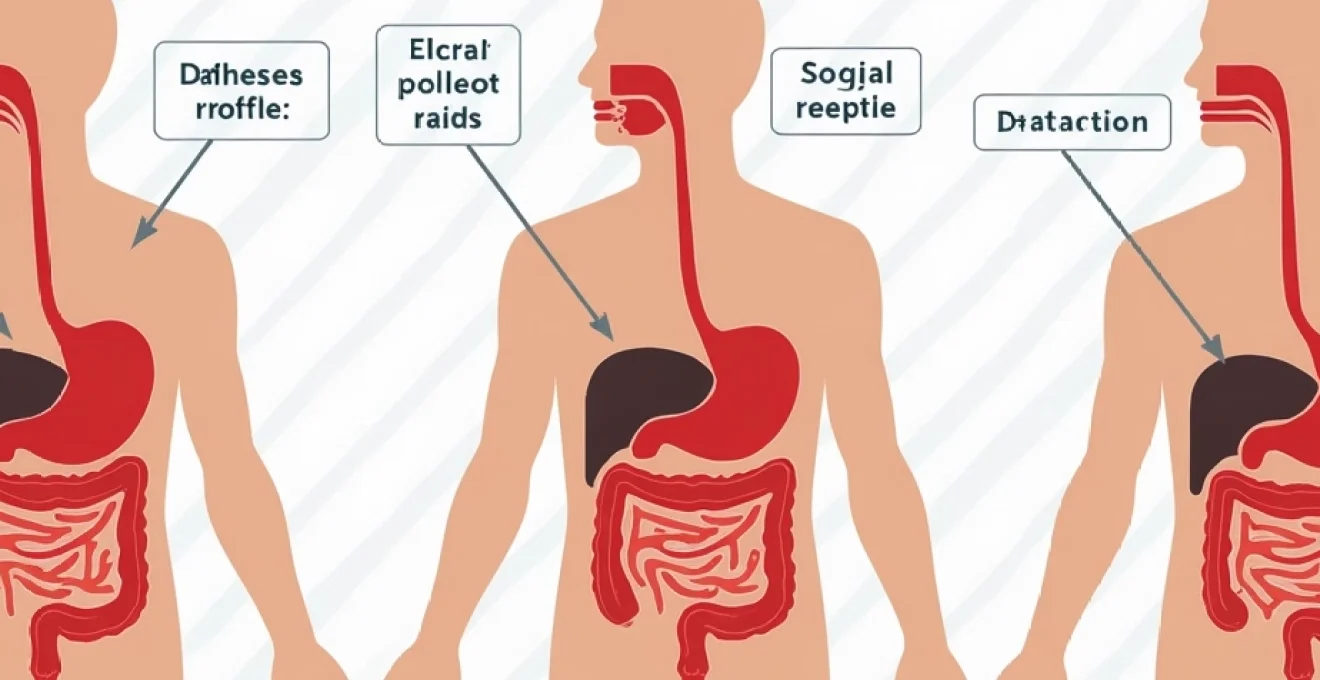
The gastrointestinal system contains an extensive network of serotonin receptors, making it particularly susceptible to the pharmacological effects of SSRIs like Lexapro. Stomach pain, nausea, and digestive disturbances represent some of the most commonly reported adverse events during escitalopram therapy, affecting approximately 15-25% of patients according to clinical trial data. Understanding these effects becomes crucial for optimising treatment outcomes whilst minimising patient discomfort and ensuring medication adherence.
Escitalopram oxalate mechanism and gastrointestinal side effect profile
The pharmacodynamic properties of escitalopram oxalate create a complex interaction with the human digestive system through multiple pathways. As a highly selective serotonin reuptake inhibitor, Lexapro blocks the reuptake of serotonin at synaptic terminals, leading to increased concentrations of this neurotransmitter throughout the body. This mechanism, whilst beneficial for mood regulation, inadvertently affects the substantial serotonin receptor population distributed throughout the gastrointestinal tract.
Selective serotonin reuptake inhibition impact on digestive system
The enhanced serotonergic activity resulting from escitalopram administration directly influences gastric function through multiple mechanisms. Approximately 90% of the body’s serotonin is produced within the enterochromaffin cells of the gastrointestinal tract, making this system particularly responsive to SSRI-induced changes. When Lexapro inhibits serotonin reuptake, the resulting elevated serotonin levels can trigger various gastrointestinal responses, including altered gastric acid production, modified intestinal motility, and changes in visceral sensitivity.
Serotonin receptor distribution in gastrointestinal tract
The human digestive system contains numerous serotonin receptor subtypes, with 5-HT3 and 5-HT4 receptors playing particularly significant roles in mediating escitalopram-related gastric symptoms. These receptors are densely distributed throughout the stomach mucosa, small intestine, and colon, creating multiple sites where increased serotonin availability can trigger uncomfortable sensations. The 5-HT3 receptors, specifically, are known to mediate nausea and emetic responses when overstimulated by elevated serotonin levels.
Enteric nervous system modulation by SSRIs
The enteric nervous system, often referred to as the “second brain,” contains more neurons than the spinal cord and operates semi-independently from central nervous system control. Escitalopram’s influence on this intricate network can lead to significant alterations in digestive function , including changes in gastric emptying rates, intestinal transit times, and coordination of digestive processes. These modifications frequently manifest as abdominal discomfort, bloating, and irregular bowel movements in patients receiving Lexapro therapy.
Gastric acid secretion changes with lexapro treatment
Research indicates that SSRI medications, including escitalopram, can influence gastric acid production through direct and indirect mechanisms. The medication may affect histamine release from gastric enterochromaffin-like cells, potentially leading to increased acid secretion in some patients whilst causing acid suppression in others. This variability in gastric acid response contributes to the diverse spectrum of stomach-related side effects observed with Lexapro treatment, ranging from gastric irritation to dyspeptic symptoms.
Clinical documentation of Lexapro-Induced abdominal adverse events
Comprehensive clinical evidence demonstrates a clear association between escitalopram treatment and various forms of gastrointestinal distress. The documentation of these adverse events spans multiple phases of clinical development, from initial controlled trials to extensive post-marketing surveillance data collected over nearly two decades of clinical use.
Phase III clinical trial data from forest laboratories studies
The pivotal Phase III clinical trials conducted by Forest Laboratories revealed that gastrointestinal adverse events represented the most frequently reported category of side effects among Lexapro-treated patients. Nausea occurred in approximately 15% of patients receiving escitalopram compared to 7% in placebo groups, whilst abdominal pain affected roughly 8% of active treatment recipients versus 4% of placebo controls. These trials, involving over 2,300 patients across multiple studies, provided the foundational safety data supporting Lexapro’s regulatory approval.
Post-marketing surveillance reports from FAERS database
The FDA Adverse Event Reporting System (FAERS) database contains thousands of reports documenting gastrointestinal adverse events associated with escitalopram use. Analysis of these post-marketing reports reveals a consistent pattern of stomach-related complaints, with descriptions ranging from mild gastric discomfort to severe abdominal cramping. The temporal relationship between Lexapro initiation and symptom onset, typically occurring within the first 1-2 weeks of treatment, supports a causal association between the medication and gastric disturbances.
Comparative incidence rates across SSRI class medications
When compared to other SSRI medications, escitalopram demonstrates a moderate propensity for causing gastrointestinal side effects. Sertraline and fluvoxamine tend to produce higher rates of gastric disturbance, whilst fluoxetine shows similar gastrointestinal tolerability to escitalopram. Citalopram, being the parent compound , exhibits nearly identical gastrointestinal side effect rates to Lexapro, supporting the hypothesis that these effects are mediated through shared serotonergic mechanisms rather than unique pharmacological properties.
Dose-dependent relationship in gastric discomfort manifestation
Clinical observations suggest a dose-dependent relationship between escitalopram dosage and the severity of gastrointestinal symptoms. Patients receiving 20mg daily doses report higher incidences of stomach pain and related symptoms compared to those on 10mg regimens. This dose-response relationship supports the pharmacological basis for these adverse events and provides guidance for clinical management strategies, including initial dose titration and individualised dosing approaches.
Pathophysiological mechanisms behind lexapro gastric irritation
The development of stomach pain during Lexapro treatment involves complex interactions between enhanced serotonergic signalling and various physiological systems controlling gastric function. Understanding these mechanisms provides insight into both the inevitability of these side effects in susceptible individuals and potential strategies for mitigation.
5-HT3 receptor activation in chemoreceptor trigger zone
The chemoreceptor trigger zone, located in the area postrema of the medulla oblongata, contains dense concentrations of 5-HT3 receptors responsible for detecting circulating toxins and initiating protective responses. Elevated serotonin levels resulting from escitalopram treatment can overstimulate these receptors, triggering nausea and gastric discomfort even in the absence of actual gastric irritation. This central mechanism explains why some patients experience stomach-related symptoms that seem disproportionate to any direct gastric effects of the medication.
Gastric motility alterations through vagal nerve modulation
The vagus nerve, carrying both afferent and efferent fibres between the brain and digestive system, serves as a crucial pathway through which escitalopram can influence gastric function. Enhanced serotonergic activity can modify vagal tone, leading to alterations in gastric emptying, antral contractions, and coordination of digestive processes. These changes frequently manifest as feelings of gastric fullness, delayed satiety, and generalised abdominal discomfort that patients describe as stomach pain.
Prostaglandin E2 production changes in gastric mucosa
Recent research suggests that SSRI medications may influence prostaglandin E2 production within gastric mucosal tissues. This inflammatory mediator plays crucial roles in maintaining gastric mucosal integrity and regulating acid secretion. Alterations in prostaglandin E2 levels can lead to increased gastric sensitivity, reduced mucosal protection, and enhanced perception of normal gastric processes as uncomfortable or painful sensations.
The interaction between enhanced serotonin signalling and prostaglandin pathways represents a significant mechanism through which Lexapro can induce gastric discomfort, particularly in patients with pre-existing gastric sensitivity or inflammatory conditions.
Inflammatory cytokine response in intestinal epithelium
Emerging evidence indicates that chronic SSRI exposure may trigger low-grade inflammatory responses within intestinal epithelial tissues. This inflammatory cascade, mediated through various cytokine pathways, can increase intestinal permeability and enhance visceral hypersensitivity. The resulting changes in gut barrier function may contribute to the chronic gastric discomfort experienced by some patients during long-term escitalopram therapy, extending beyond the initial adaptation period typically observed with other SSRI side effects.
Risk stratification and Patient-Specific vulnerability factors
Not all patients receiving Lexapro will experience gastric side effects, and understanding individual risk factors can help predict which patients may be more susceptible to these adverse events. Patient-specific characteristics including age, gender, genetic polymorphisms, and pre-existing gastrointestinal conditions all contribute to varying degrees of gastric tolerability during escitalopram treatment.
Women demonstrate statistically higher rates of gastrointestinal side effects with SSRI medications, including Lexapro, compared to men. This gender-based difference may relate to hormonal influences on serotonin metabolism, differences in gastric emptying rates, or variations in pain perception thresholds. Additionally, patients with pre-existing functional gastrointestinal disorders, such as irritable bowel syndrome or functional dyspepsia, show increased vulnerability to developing stomach pain during escitalopram therapy.
Age-related factors also influence the likelihood and severity of Lexapro-induced gastric symptoms. Elderly patients may experience more pronounced gastrointestinal effects due to age-related changes in drug metabolism, reduced gastric acid production, and increased sensitivity to serotonergic stimulation. Conversely, younger patients, particularly adolescents, may show greater resilience to these effects, though they remain susceptible during the initial treatment period.
Genetic polymorphisms affecting serotonin transporter function, cytochrome P450 enzyme activity, and serotonin receptor sensitivity can significantly influence an individual’s propensity for developing gastric side effects. Patients carrying specific variants of the serotonin transporter gene (SLC6A4) may experience more pronounced serotonergic effects, including enhanced gastrointestinal symptoms, when treated with standard escitalopram doses.
Pharmacokinetic interactions affecting gastrointestinal tolerance
The pharmacokinetic profile of escitalopram can be significantly altered by concurrent medications, dietary factors, and individual metabolic variations, all of which may influence the severity and duration of gastric side effects. Understanding these interactions becomes crucial for optimising treatment regimens and minimising gastrointestinal discomfort.
Medications that inhibit cytochrome P450 2C19 and 3A4 enzymes can increase escitalopram plasma concentrations, potentially exacerbating gastrointestinal side effects. Common inhibitors include omeprazole, cimetidine, and various antifungal medications. Conversely, enzyme inducers such as carbamazepine or St. John’s wort may reduce escitalopram levels, potentially affecting both therapeutic efficacy and side effect profiles.
Food interactions with Lexapro are generally minimal, but certain dietary components may influence gastric tolerability. Taking escitalopram with food can reduce the peak plasma concentration and may help minimise acute gastric irritation in sensitive individuals. However, this approach may also slightly delay the onset of therapeutic effects, requiring careful consideration of the risk-benefit balance for individual patients.
The timing of Lexapro administration relative to meals can significantly influence gastric tolerability, with many patients finding that taking the medication with food reduces immediate stomach discomfort without compromising therapeutic efficacy.
Evidence-based management strategies for Lexapro-Related gastric pain
Effective management of Lexapro-induced stomach pain requires a multifaceted approach combining pharmacological interventions, lifestyle modifications, and careful treatment optimisation. The goal involves maintaining therapeutic benefit whilst minimising gastrointestinal discomfort through evidence-based strategies tailored to individual patient needs.
Dose titration represents the primary strategy for managing gastric side effects during Lexapro initiation. Starting with lower doses (5mg daily) and gradually increasing over 2-3 weeks allows the gastrointestinal system to adapt to enhanced serotonergic stimulation. This approach significantly reduces the incidence and severity of acute gastric symptoms whilst maintaining therapeutic efficacy for most patients. Clinical experience suggests that approximately 70% of patients who experience initial gastric discomfort will see significant improvement within 2-4 weeks of continued treatment.
Timing of medication administration can substantially impact gastric tolerability. Taking Lexapro with food, particularly meals containing moderate amounts of fat, can slow absorption and reduce peak plasma concentrations that contribute to acute gastric irritation. Evening administration may be beneficial for patients experiencing morning nausea, though this approach requires monitoring for potential sleep disturbances in sensitive individuals.
Adjunctive medications may provide symptomatic relief for patients experiencing persistent gastric discomfort despite optimised dosing and timing. Proton pump inhibitors can address acid-related symptoms, whilst prokinetic agents may help with gastric emptying issues. However, these interventions require careful consideration of potential drug interactions and long-term effects on gastric physiology.
For patients experiencing severe or persistent gastric symptoms that don’t respond to conservative management strategies, switching to alternative antidepressants with different gastrointestinal side effect profiles may be necessary. Bupropion, mirtazapine, or newer agents like vilazodone may offer therapeutic benefits with reduced gastric adverse effects, though individual response patterns vary considerably.
| Management Strategy | Implementation | Success Rate | Timeframe |
|---|---|---|---|
| Dose Titration | Start 5mg, increase weekly | 70-80% | 2-4 weeks |
| Food Administration | Take with moderate-fat meal | 60-70% | Immediate |
| Timing Adjustment | Evening vs. morning dosing | 50-60% | 1-2 weeks |
| Adjunctive Therapy | PPI or prokinetic agent | 40-50% | 1-3 weeks |
Long-term monitoring remains essential for patients who develop gastric symptoms during Lexapro treatment. While most gastrointestinal side effects resolve or become manageable within the first month of treatment, some patients may experience persistent or delayed-onset symptoms requiring ongoing evaluation. Regular assessment of symptom severity, functional impact, and treatment satisfaction helps guide ongoing management decisions and ensures optimal patient outcomes throughout the duration of antidepressant therapy.