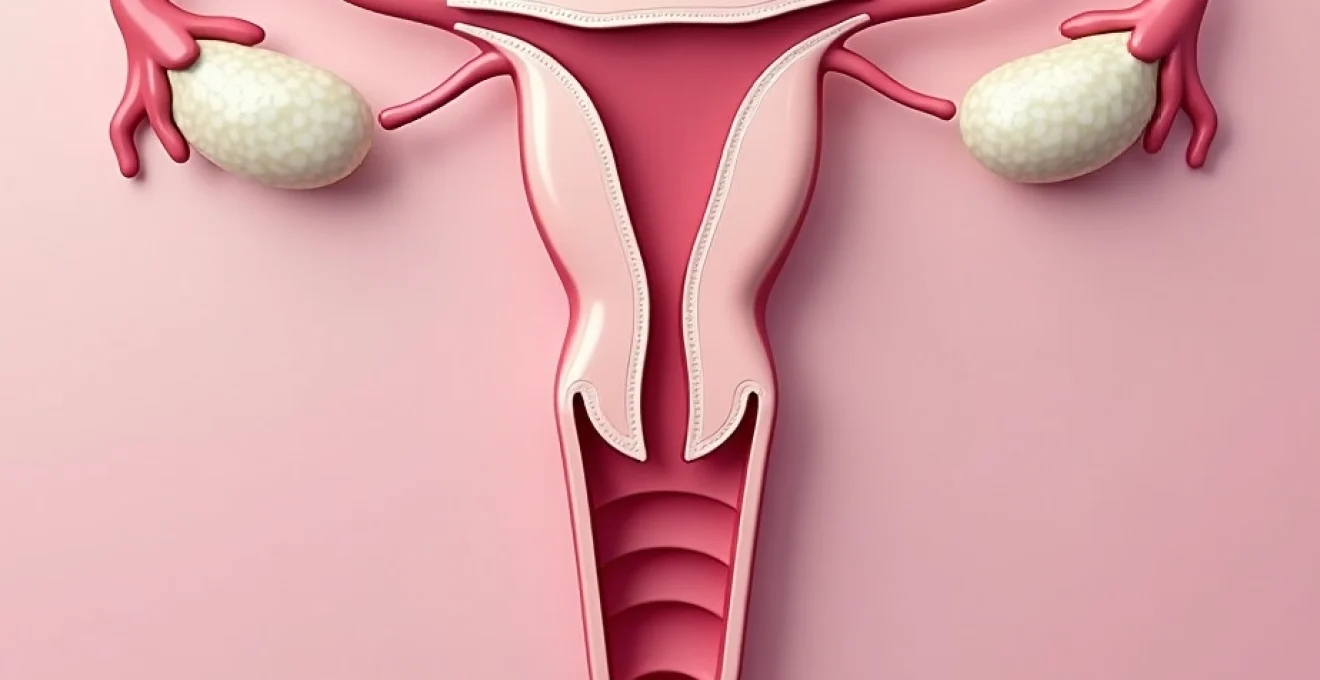
The Mirena intrauterine device has become one of the most widely prescribed contraceptive methods globally, with millions of women relying on its hormonal release mechanism for both birth control and menstrual management. However, emerging evidence and patient testimonials suggest potential connections between this levonorgestrel-releasing device and various thyroid complications. Understanding the complex relationship between hormonal contraception and endocrine function has become increasingly important as healthcare providers navigate patient safety concerns whilst ensuring access to effective reproductive health solutions.
Recent clinical studies present conflicting evidence regarding the Mirena IUD’s impact on thyroid health, with some research suggesting protective effects against hypothyroidism whilst patient reports describe significant thyroid dysfunction following insertion. This discrepancy between clinical data and real-world experiences highlights the need for comprehensive examination of the mechanisms through which progestin-based contraceptives might influence thyroid function. The complexity of endocrine interactions demands careful consideration of individual patient factors and long-term monitoring protocols.
Understanding the mirena IUD’s hormonal composition and levonorgestrel release mechanism
The Mirena intrauterine device contains 52 milligrams of levonorgestrel, a synthetic progestin that provides contraceptive efficacy through multiple mechanisms. This T-shaped device features a hormone-releasing core surrounded by a silicone elastomer reservoir, designed to deliver controlled amounts of levonorgestrel directly into the uterine cavity. The localised hormone delivery system aims to minimise systemic absorption whilst maintaining therapeutic effectiveness for up to five years.
Levonorgestrel dosage and systematic absorption patterns in mirena users
Initial levonorgestrel release rates reach approximately 20 micrograms per day during the first year, gradually decreasing to roughly 10 micrograms daily by the fifth year. Despite intended localised action, measurable plasma concentrations of levonorgestrel occur within hours of insertion, with peak levels typically achieved within two weeks. Systemic absorption patterns vary significantly among individuals, influenced by factors including body mass index, hepatic metabolism, and protein binding capacity.
Plasma levonorgestrel concentrations in Mirena users range from 150-200 picograms per millilitre during the initial months, maintaining detectable levels throughout the device’s lifespan. These circulating hormone levels, whilst lower than oral contraceptive formulations, remain sufficient to exert systemic endocrine effects. Understanding these absorption patterns becomes crucial when evaluating potential thyroid interactions and developing appropriate monitoring protocols for at-risk patients.
Progestin-mediated endocrine disruption pathways and thyroid function
Levonorgestrel’s mechanism of action extends beyond reproductive system effects, potentially influencing multiple endocrine pathways through complex hormonal interactions. Progestins can affect thyroid hormone metabolism by altering hepatic enzyme activity, particularly those involved in thyroid hormone synthesis and degradation. Cytochrome P450 enzyme systems responsible for thyroid hormone metabolism may experience modulation through sustained levonorgestrel exposure.
Additionally, progestins demonstrate potential to influence hypothalamic-pituitary-thyroid axis regulation through central nervous system effects. The intricate feedback mechanisms controlling thyroid-stimulating hormone release may experience disruption when exposed to synthetic progestin compounds. These interactions suggest plausible biological mechanisms through which the Mirena IUD might contribute to thyroid dysfunction development in susceptible individuals.
Comparison with copper IUD systems: ParaGard and hormonal interference analysis
Non-hormonal copper intrauterine devices, such as the ParaGard system, provide contraceptive efficacy through spermicidal copper ion release without introducing synthetic hormones into the reproductive system. Comparative studies between copper and levonorgestrel-releasing devices offer valuable insights into hormone-specific effects on thyroid function. Copper IUD users generally demonstrate stable thyroid function parameters throughout device usage periods.
The absence of thyroid-related complaints among copper IUD users compared to Mirena users suggests hormonal rather than mechanical factors in potential thyroid dysfunction development. This comparison strengthens the hypothesis that levonorgestrel exposure, rather than intrauterine device presence alone, contributes to observed thyroid complications. Such evidence supports the need for hormone-specific monitoring protocols in Mirena users.
Duration-dependent hormone release: Five-Year efficacy and thyroid impact timeline
The Mirena device’s extended release profile creates unique exposure patterns compared to daily oral contraceptives, potentially leading to cumulative thyroid effects over time. Initial high-dose levonorgestrel release during the first months may trigger acute endocrine responses, whilst sustained lower-level exposure might contribute to gradual thyroid function deterioration. Time-dependent effects require consideration when evaluating symptom onset and device removal decisions.
Patient reports frequently describe thyroid dysfunction developing several months to years after Mirena insertion, suggesting delayed rather than immediate onset mechanisms. This timeline correlates with the gradual nature of autoimmune thyroid disease development and supports theories regarding progestin-triggered autoimmune responses. Understanding these temporal relationships assists healthcare providers in establishing appropriate monitoring schedules and recognising potential device-related complications.
Clinical evidence linking mirena IUD to thyroid dysfunction manifestations
Recent large-scale research examining over 18,000 women revealed unexpected findings regarding hormonal contraception and thyroid function. The study demonstrated protective effects against hypothyroidism development in users of progestin-only contraceptives, including intrauterine devices, with odds ratios suggesting significant risk reduction. However, these findings contrast sharply with numerous patient reports describing thyroid complications following Mirena insertion, creating a complex clinical picture requiring careful interpretation.
The discrepancy between research outcomes and patient experiences may reflect several factors, including study design limitations, selection bias, and inadequate follow-up periods for detecting delayed-onset thyroid dysfunction. Real-world evidence from patient testimonials and healthcare provider observations suggests thyroid complications occur more frequently than suggested by controlled studies. This divergence highlights the importance of individualised patient care and comprehensive monitoring approaches.
Hypothyroidism case studies: TSH elevation and T4 suppression in mirena users
Hypothyroidism represents the most commonly reported thyroid dysfunction among Mirena users, characterised by elevated thyroid-stimulating hormone levels and decreased free thyroxine concentrations. Patient case reports describe gradual symptom onset, including fatigue, weight gain, cold intolerance, and cognitive dysfunction, typically developing months after device insertion. Laboratory findings often reveal progressive TSH elevation accompanied by declining T4 levels over time.
The pattern of hypothyroidism development in Mirena users frequently resembles autoimmune thyroiditis progression, suggesting potential immune system involvement. Some patients experience subclinical hypothyroidism initially, with normal thyroid hormone levels but elevated TSH concentrations, progressing to overt hypothyroidism requiring therapeutic intervention. This progression pattern supports theories regarding progestin-induced autoimmune thyroid disease development.
Hyperthyroidism presentations: graves’ disease and toxic nodular goitre correlations
Although less frequently reported than hypothyroidism, hyperthyroid manifestations have been documented in Mirena users, presenting as either Graves’ disease or toxic nodular goitre. These presentations typically involve suppressed TSH levels, elevated thyroid hormone concentrations, and characteristic clinical symptoms including palpitations, weight loss, heat intolerance, and anxiety. Hyperthyroid complications may develop through different mechanisms than hypothyroid presentations, potentially involving thyroid-stimulating immunoglobulin production or autonomous nodule development.
The occurrence of both hypo- and hyperthyroid presentations in Mirena users suggests complex immunological interactions rather than simple hormone suppression effects. This diversity of thyroid dysfunction patterns complicates diagnostic approaches and monitoring strategies, requiring comprehensive thyroid function assessment protocols for optimal patient care.
Hashimoto’s thyroiditis onset: autoimmune triggers and levonorgestrel connections
Hashimoto’s thyroiditis, an autoimmune condition characterised by thyroid gland inflammation and progressive hormone production decline, has been reported in numerous Mirena users without previous thyroid disease history. The condition typically presents with positive thyroid peroxidase antibodies, thyroglobulin antibodies, and characteristic ultrasonographic changes including heterogeneous echogenicity and decreased vascularity. Autoimmune thyroiditis development following Mirena insertion suggests potential immunological triggering mechanisms.
The relationship between levonorgestrel exposure and autoimmune thyroid disease development may involve molecular mimicry, wherein synthetic hormone structures trigger cross-reactive immune responses against thyroid tissue. Additionally, progestins may influence immune system regulation, potentially predisposing susceptible individuals to autoimmune disease development through altered T-helper cell balance and cytokine production patterns.
Subclinical thyroid disorders: laboratory abnormalities without overt symptoms
Subclinical thyroid dysfunction, characterised by abnormal TSH levels with normal thyroid hormone concentrations, represents an intermediate stage between normal thyroid function and overt disease. Many Mirena users develop subclinical hypothyroidism, with TSH values exceeding normal ranges whilst maintaining adequate T4 and T3 levels. Subclinical presentations often precede overt thyroid dysfunction development and may cause subtle symptoms easily attributed to other causes.
The clinical significance of subclinical thyroid disorders in Mirena users remains debated, with some experts advocating for early intervention whilst others recommend monitoring approaches. The progressive nature of many subclinical presentations suggests potential benefit from early recognition and treatment consideration, particularly in patients experiencing unexplained symptoms consistent with thyroid dysfunction.
Thyroid-binding globulin interactions and hormone transport mechanisms
Thyroid hormone transport relies heavily on binding proteins, particularly thyroid-binding globulin, which carries approximately 70% of circulating thyroid hormones. Levonorgestrel exposure can influence thyroid-binding globulin production and binding affinity, potentially affecting thyroid hormone bioavailability and metabolism. Protein binding alterations may contribute to thyroid dysfunction development through mechanisms independent of direct thyroid gland effects.
Changes in thyroid-binding globulin concentrations can affect total thyroid hormone measurements whilst leaving free hormone levels initially unchanged, potentially masking developing thyroid dysfunction in routine laboratory assessments. Understanding these transport mechanism interactions becomes crucial for accurate thyroid function interpretation in Mirena users. Healthcare providers must consider these factors when evaluating thyroid function tests and making treatment decisions.
The complex interplay between synthetic progestins and thyroid hormone transport mechanisms requires careful consideration in clinical practice, as standard thyroid function tests may not fully capture the nuanced effects of hormonal contraceptive use on thyroid physiology.
Additionally, levonorgestrel may affect thyroid hormone receptor sensitivity and cellular uptake mechanisms, potentially influencing tissue-level thyroid hormone action independent of circulating hormone concentrations. These peripheral effects could contribute to thyroid dysfunction symptoms even when standard laboratory tests appear normal, highlighting the importance of comprehensive clinical assessment approaches in symptomatic patients.
Diagnostic protocols for Mirena-Associated thyroid complications
Establishing comprehensive diagnostic protocols for potential Mirena-associated thyroid dysfunction requires systematic approaches encompassing clinical assessment, laboratory testing, and imaging studies. The subtle onset of many thyroid-related symptoms necessitates heightened clinical awareness and proactive screening strategies. Diagnostic challenges arise from symptom overlap with other conditions and the gradual progression of thyroid dysfunction in many cases.
Comprehensive thyroid function testing: TSH, free T4, and T3 assessment protocols
Baseline thyroid function assessment prior to Mirena insertion provides crucial reference values for subsequent monitoring, particularly in patients with family history of thyroid disease or other risk factors. Initial testing should include thyroid-stimulating hormone, free thyroxine, and free triiodothyronine measurements to establish comprehensive functional baselines. Serial monitoring at regular intervals allows detection of gradual changes that might otherwise escape recognition.
Post-insertion monitoring protocols should include thyroid function testing at six-month intervals during the first two years, followed by annual assessments throughout device usage. More frequent monitoring may be warranted in patients developing suggestive symptoms or those with additional risk factors for thyroid disease. The timing of laboratory assessments should consider potential seasonal variations and other factors affecting thyroid function test results.
Thyroid antibody screening: Anti-TPO and thyroglobulin antibody significance
Thyroid antibody testing provides valuable insights into autoimmune thyroid disease development, particularly relevant given patient reports of Hashimoto’s thyroiditis onset following Mirena insertion. Anti-thyroid peroxidase antibodies and anti-thyroglobulin antibodies serve as markers for autoimmune thyroid involvement and may predict future thyroid dysfunction development. Antibody screening should be considered in patients with concerning symptoms or family history of autoimmune thyroid disease.
Serial antibody monitoring may help identify patients developing autoimmune thyroid disease before overt dysfunction occurs, enabling early intervention strategies. The appearance of positive thyroid antibodies in previously negative patients following Mirena insertion could suggest device-related autoimmune triggering, supporting removal consideration in symptomatic individuals.
Ultrasound imaging requirements: structural thyroid changes and nodule detection
Thyroid ultrasonography provides valuable structural assessment capabilities, particularly important given patient reports of nodule development and goitre formation in Mirena users. Baseline imaging establishes structural reference standards whilst serial examinations detect developing abnormalities including nodules, cysts, and inflammatory changes. Imaging protocols should follow established guidelines for thyroid nodule evaluation and monitoring.
The development of new thyroid nodules or significant structural changes during Mirena usage warrants careful evaluation and potential device removal consideration. Ultrasound findings should be interpreted in conjunction with clinical symptoms and laboratory results to guide management decisions effectively.
Timing of diagnostic testing: Pre-Insertion baseline vs Post-Insertion monitoring
Optimal timing of diagnostic testing balances the need for early detection with practical considerations including cost-effectiveness and patient compliance. Pre-insertion baseline testing enables identification of existing thyroid dysfunction that might be exacerbated by hormonal contraception. Monitoring schedules should be individualised based on patient risk factors, symptoms, and baseline assessment results.
Post-insertion testing should occur at predetermined intervals regardless of symptom presence, given the subtle nature of many thyroid dysfunction presentations. However, symptom-prompted testing should occur without delay when patients report concerns consistent with thyroid dysfunction, even outside scheduled monitoring periods.
Management strategies for thyroid dysfunction in mirena IUD users
Management approaches for thyroid dysfunction in Mirena users require careful consideration of multiple factors, including symptom severity, laboratory abnormalities, patient preferences, and contraceptive alternatives. The decision to continue or remove the device represents a complex clinical determination balancing reproductive health needs against potential thyroid complications. Treatment strategies may involve thyroid hormone replacement therapy whilst maintaining the device or removal with alternative contraceptive implementation.
Conservative management approaches involve thyroid hormone replacement therapy for hypothyroid presentations whilst monitoring for disease progression or symptom resolution. Some patients experience thyroid function improvement following device removal, suggesting reversible effects in certain cases. However, established autoimmune thyroid disease typically requires ongoing treatment regardless of device status, highlighting the importance of early recognition and intervention.
The management of thyroid dysfunction in Mirena users requires individualised approaches that consider both the severity of thyroid complications and the patient’s contraceptive needs, often necessitating multidisciplinary collaboration between gynaecologists and endocrinologists.
Device removal should be considered in patients with severe thyroid dysfunction, progressive disease despite treatment, or strong patient preference following informed discussion. The timing of removal requires careful planning to ensure contraceptive continuity and appropriate thyroid dysfunction management during the transition period. Post-removal monitoring helps assess potential thyroid function improvement and guides ongoing treatment decisions.
Alternative contraceptive options for women with Pre-Existing thyroid conditions
Women with pre-existing thyroid conditions require special consideration when selecting contraceptive methods, with emphasis on options unlikely to exacerbate existing dysfunction or interfere with thyroid hormone replacement therapy. Non-hormonal contraceptive methods, including copper intrauterine devices, barrier methods, and fertility awareness approaches, eliminate potential hormone-related thyroid complications whilst providing effective pregnancy prevention. Alternative options should be discussed thoroughly with patients experiencing thyroid dysfunction during
Mirena usage.
Combined hormonal contraceptives containing oestrogen and progestin may theoretically provide better thyroid stability than progestin-only methods, though individual responses vary significantly. Some women with thyroid conditions tolerate low-dose combined oral contraceptives well, whilst others experience symptom exacerbation. Careful monitoring remains essential regardless of contraceptive choice, with regular thyroid function assessments ensuring optimal disease management.
Barrier methods, including diaphragms, cervical caps, and condoms, offer hormone-free contraception suitable for women with any thyroid condition. These methods require consistent use and proper technique but eliminate potential hormonal interactions with thyroid function or medication absorption. Fertility awareness methods, when used correctly, provide effective pregnancy prevention without any hormonal influence, though they require significant commitment to tracking and abstinence periods.
For women requiring reliable contraception without hormonal interference, the copper IUD represents an excellent long-term option. This device provides up to ten years of contraceptive efficacy through spermicidal copper ion release, maintaining stable effectiveness without influencing endocrine function. Copper IUD insertion may cause initial menstrual changes, but these typically resolve within several months without affecting thyroid status.
The decision-making process for contraceptive selection in women with thyroid conditions should involve thorough discussion of risks, benefits, and monitoring requirements for each available option. Healthcare providers must consider disease severity, treatment stability, patient preferences, and lifestyle factors when making recommendations. Regular follow-up ensures optimal outcomes regardless of chosen contraceptive method.
Women with pre-existing thyroid conditions should work closely with both their gynaecologist and endocrinologist to select contraceptive methods that support their overall health goals whilst providing reliable pregnancy prevention without compromising thyroid management.
The integration of reproductive health decisions with endocrine disease management requires ongoing assessment and potential method adjustments based on changing health status or treatment requirements. Patient education about recognising thyroid dysfunction symptoms remains crucial, enabling early detection of any contraceptive-related complications and prompt intervention when necessary.