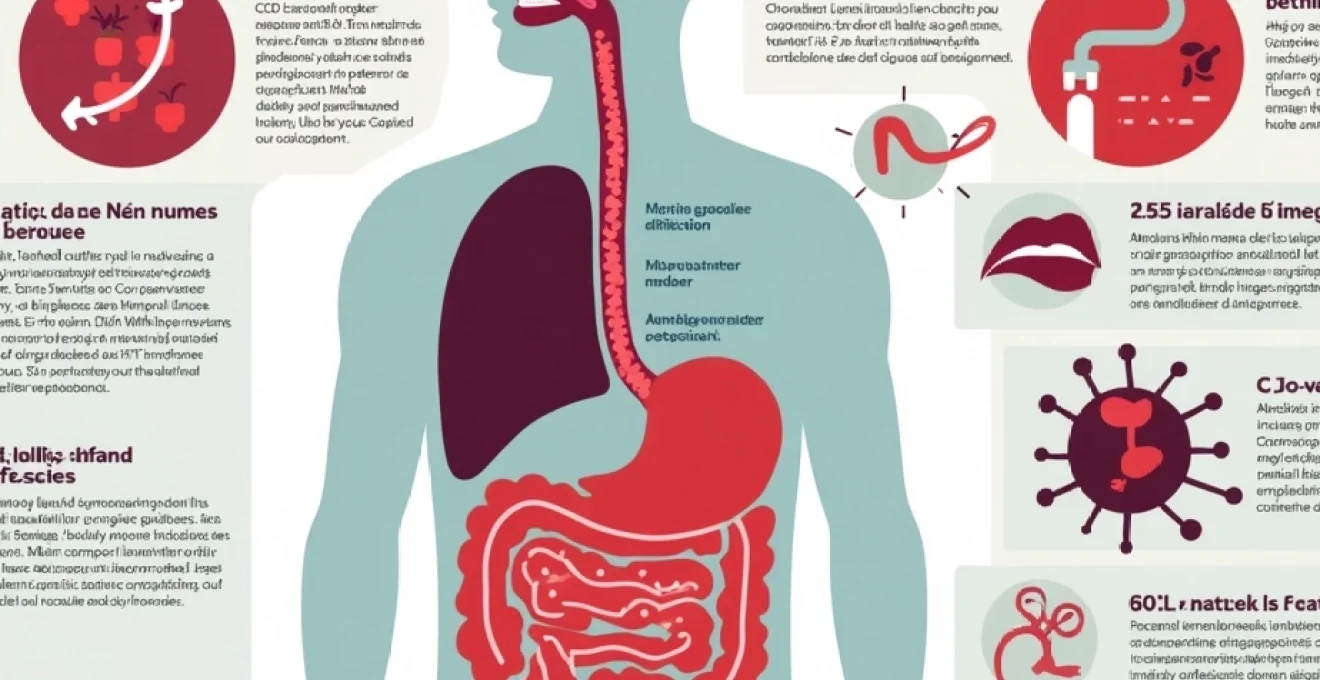
Gastroenteritis, commonly known as the stomach flu, affects millions of people worldwide each year, typically causing uncomfortable but manageable symptoms like nausea, vomiting, and diarrhoea. However, whilst most healthy individuals recover within days without complications, the condition can indeed become life-threatening under certain circumstances. The key lies in understanding when mild gastrointestinal symptoms escalate into serious medical emergencies requiring immediate intervention.
The mortality risk associated with viral gastroenteritis depends heavily on several critical factors: the patient’s age, underlying health conditions, immune system status, and most importantly, the development of severe dehydration. When fluid loss exceeds the body’s ability to compensate, what begins as a simple stomach bug can rapidly progress to organ failure and death. This transformation from benign illness to medical emergency often occurs within hours, particularly in vulnerable populations.
Gastroenteritis mortality rates and statistical analysis
Understanding the true mortality burden of gastroenteritis requires examining comprehensive surveillance data from health organisations worldwide. The condition represents a significant global health challenge, with deaths occurring primarily in developing nations where access to medical care and clean water remains limited. However, even in developed countries with advanced healthcare systems, fatal cases continue to occur, particularly among high-risk demographics.
Global statistics reveal that gastroenteritis causes approximately 1.3 million deaths annually, with the vast majority occurring in children under five years of age in low-resource settings. In developed nations, the mortality rate drops dramatically to less than 0.01% of all cases, yet this still translates to hundreds of preventable deaths each year. The discrepancy between developed and developing world mortality rates highlights the critical importance of timely medical intervention and supportive care.
CDC surveillance data on Norovirus-Related deaths
Norovirus, responsible for the majority of acute gastroenteritis cases in developed countries, demonstrates surprisingly low mortality rates when examined through CDC surveillance systems. Between 2009 and 2023, the CDC documented fewer than 800 deaths annually attributed directly to norovirus infections across the United States. However, these figures likely underrepresent the true burden, as many deaths occur in elderly patients with multiple comorbidities where gastroenteritis serves as a contributing rather than primary cause of death.
The age distribution of norovirus-related fatalities reveals a stark pattern: approximately 85% of deaths occur in adults over 65 years of age. This demographic vulnerability stems from age-related immune system decline, increased prevalence of chronic diseases, and reduced physiological reserves for compensating fluid losses. Additionally, many elderly victims reside in long-term care facilities where norovirus outbreaks can spread rapidly through shared living spaces and dining areas.
Rotavirus fatality statistics in immunocompromised populations
Rotavirus presents a particularly concerning mortality profile among immunocompromised patients, including those receiving chemotherapy, organ transplant recipients, and individuals with primary immunodeficiencies. Pre-vaccination era data showed rotavirus causing over 500,000 deaths annually worldwide, with case fatality rates reaching 10-15% in severely immunocompromised children. The introduction of rotavirus vaccination programmes has dramatically reduced these numbers in countries with high vaccine uptake.
Contemporary studies of immunocompromised populations reveal persistent vulnerability despite vaccination efforts. Cancer patients undergoing active treatment show case fatality rates of 3-5% when infected with rotavirus, primarily due to prolonged viral shedding and inability to mount effective immune responses. Bone marrow transplant recipients face even higher risks, with some cohort studies reporting mortality rates approaching 20% in the immediate post-transplant period.
Clostridium Difficile-Associated gastroenteritis mortality patterns
Clostridium difficile infections represent perhaps the most lethal form of infectious gastroenteritis in healthcare settings, with mortality rates significantly exceeding those of viral causes. Recent surveillance data indicates that C. difficile-associated disease kills approximately 29,000 Americans annually, representing a case fatality rate of 6-7% among hospitalised patients. The emergence of hypervirulent strains has further increased mortality risk, with some outbreak investigations documenting fatality rates exceeding 20%.
The pathophysiology underlying C. difficile mortality differs markedly from viral gastroenteritis. Rather than simple volume depletion, patients develop pseudomembranous colitis, toxic megacolon, and systemic inflammatory response syndrome. These complications can rapidly progress to multi-organ failure, making C. difficile infections among the most feared nosocomial pathogens. Risk factors for fatal outcomes include advanced age, recent antibiotic exposure, proton pump inhibitor use, and underlying inflammatory bowel disease.
Age-stratified death rates from viral gastroenteritis
Age-specific mortality analysis reveals a distinctive bimodal distribution in gastroenteritis deaths, with peaks occurring in infancy and advanced age. Children under 12 months demonstrate the highest vulnerability, with case fatality rates reaching 2-3% in some developing regions. This elevated risk stems from immature immune systems, limited fluid reserves relative to body weight, and difficulty communicating distress symptoms to caregivers.
Among elderly populations, mortality rates increase exponentially with advancing age. Adults aged 65-74 years show baseline mortality rates of approximately 0.05%, whilst those over 85 years face risks approaching 0.5%. The presence of multiple comorbidities, particularly chronic kidney disease, heart failure, and diabetes, amplifies these baseline risks substantially. Nursing home residents represent an especially vulnerable subgroup, with outbreak-associated mortality rates sometimes exceeding 10% due to delayed recognition and treatment of dehydration.
Severe dehydration pathophysiology and fatal complications
Dehydration represents the primary mechanism through which gastroenteritis transitions from a nuisance illness to a life-threatening emergency. The human body typically maintains fluid balance through complex regulatory mechanisms involving the kidneys, cardiovascular system, and neuroendocrine responses. However, when fluid losses from vomiting and diarrhoea exceed 10-15% of total body water, these compensatory mechanisms become overwhelmed, leading to progressive organ dysfunction.
The progression from mild to severe dehydration follows predictable stages, each characterized by specific physiological changes. Initial fluid losses primarily affect the extracellular compartment, leading to decreased blood volume and activation of thirst mechanisms. As dehydration advances, intracellular fluid shifts occur, disrupting cellular metabolism and organ function. The rapidity of this progression varies considerably based on patient age, baseline health status, and the severity of ongoing fluid losses.
Hypovolaemic shock progression in gastroenteritis patients
Hypovolaemic shock represents the most immediate life-threatening complication of severe gastroenteritis-related dehydration. When blood volume decreases beyond the cardiovascular system’s ability to maintain adequate perfusion pressure, vital organs begin experiencing hypoxia and metabolic dysfunction. Early signs include tachycardia, orthostatic hypotension, and decreased urine output as the body attempts to preserve blood flow to critical organs.
The transition from compensated to decompensated shock occurs when fluid losses exceed approximately 20-25% of circulating blood volume. At this point, blood pressure begins falling precipitously, mental status changes emerge, and end-organ damage accelerates rapidly. Without immediate fluid resuscitation, progression to irreversible shock and death can occur within hours. Children and elderly patients demonstrate particularly rapid progression due to limited cardiovascular reserves and reduced ability to mount effective compensatory responses.
Electrolyte Imbalance-Induced cardiac arrhythmias
Gastroenteritis-related electrolyte disturbances, particularly hyponatraemia, hypokalaemia, and hypomagnesaemia, can precipitate fatal cardiac arrhythmias even in the absence of severe volume depletion. Potassium losses through diarrhoeal fluid are especially problematic, as even modest decreases in serum potassium concentration can trigger life-threatening ventricular arrhythmias. The combination of volume depletion and electrolyte imbalance creates a perfect storm for cardiac instability.
Hypokalaemia represents perhaps the most dangerous electrolyte abnormality associated with gastroenteritis mortality. Serum potassium levels below 2.5 mEq/L significantly increase the risk of torsades de pointes, ventricular fibrillation, and sudden cardiac death. This risk is amplified in patients taking medications that prolong the QT interval or those with underlying cardiac disease. Recognition and correction of hypokalaemia requires careful monitoring, as overly rapid replacement can itself precipitate dangerous arrhythmias.
Acute kidney injury secondary to volume depletion
Acute kidney injury (AKI) develops in approximately 15-20% of patients requiring hospitalisation for severe gastroenteritis, representing a significant predictor of mortality risk. The kidneys require adequate perfusion pressure to maintain glomerular filtration, and when blood flow decreases due to volume depletion, renal function deteriorates rapidly. Pre-renal azotaemia typically develops first, but if hypoperfusion persists, acute tubular necrosis can occur, leading to prolonged renal dysfunction.
The development of AKI in gastroenteritis patients creates a vicious cycle where the kidneys lose their ability to conserve fluid and electrolytes, exacerbating the underlying volume depletion. Patients with pre-existing chronic kidney disease face particularly high mortality risks, as they possess limited renal reserve and may be taking medications that impair kidney function. Early recognition of AKI through monitoring of creatinine levels and urine output enables prompt intervention to prevent progression to dialysis-requiring renal failure.
Metabolic acidosis and respiratory compensation failure
Severe gastroenteritis frequently precipitates metabolic acidosis through multiple mechanisms, including loss of bicarbonate in diarrhoeal fluid, lactate accumulation due to tissue hypoperfusion, and ketoacid production from starvation. The body initially compensates through increased respiratory rate and depth, attempting to eliminate excess carbon dioxide and restore acid-base balance. However, when metabolic acidosis becomes severe (pH < 7.1), respiratory compensation becomes inadequate, leading to progressive acidaemia and multi-organ dysfunction.
The combination of severe acidosis and volume depletion creates a particularly lethal scenario, as acidaemia directly depresses cardiac contractility and vascular responsiveness to vasoactive medications. Patients may develop refractory hypotension despite aggressive fluid resuscitation, requiring immediate correction of acid-base abnormalities alongside volume replacement. The presence of significant metabolic acidosis in gastroenteritis patients often indicates advanced disease requiring intensive care management and carries a substantially elevated mortality risk.
High-risk demographics and predisposing medical conditions
Certain population groups face dramatically elevated mortality risks when affected by gastroenteritis, transforming what might be a minor inconvenience for healthy adults into a medical emergency. Understanding these high-risk demographics enables healthcare providers and caregivers to implement appropriate monitoring and intervention strategies. The interplay between age-related physiological changes, underlying medical conditions, and immune system status creates complex risk profiles that require individualized assessment.
Infants and young children represent the most vulnerable demographic globally, accounting for approximately 80% of all gastroenteritis-related deaths worldwide. Their elevated risk stems from several factors: higher metabolic rates leading to more rapid fluid turnover, limited ability to communicate symptoms, immature immune systems, and reduced renal concentrating ability. Additionally, young children have higher surface area-to-volume ratios, making them more susceptible to rapid fluid and heat losses.
Elderly patients, particularly those over 75 years of age, constitute the second highest-risk group in developed countries. Age-related changes in kidney function, decreased thirst sensation, reduced total body water content, and multiple comorbidities all contribute to increased vulnerability. Many elderly patients also take medications such as diuretics, ACE inhibitors, or NSAIDs that can impair their ability to compensate for fluid losses or may exacerbate kidney dysfunction during episodes of gastroenteritis.
Immunocompromised individuals face unique challenges when affected by gastroenteritis, as their impaired immune systems may be unable to clear infections effectively, leading to prolonged illness and increased complication rates. This group includes patients receiving chemotherapy, those with HIV/AIDS, organ transplant recipients taking immunosuppressive medications, and individuals with primary immunodeficiency disorders. These patients may experience atypical presentations , making diagnosis more challenging and potentially delaying appropriate treatment.
Patients with chronic medical conditions face elevated mortality risks due to reduced physiological reserves and potential medication interactions. Those with chronic kidney disease are particularly vulnerable, as their impaired renal function limits their ability to conserve fluid and electrolytes during acute illness. Similarly, patients with heart failure may be unable to tolerate the fluid shifts associated with dehydration and subsequent rehydration, potentially precipitating cardiac decompensation.
Differential diagnosis between gastroenteritis and Life-Threatening gastrointestinal emergencies
Distinguishing between benign viral gastroenteritis and serious gastrointestinal emergencies represents one of the most challenging aspects of emergency medicine, as initial presentations can appear remarkably similar. The consequences of misdiagnosis can be catastrophic, as conditions such as appendicitis, bowel obstruction, or gastrointestinal perforation masquerading as simple gastroenteritis may progress rapidly to sepsis and death if treatment is delayed.
Several clinical features should raise suspicion for more serious conditions requiring immediate surgical intervention. Severe, localized abdominal pain that is constant rather than crampy suggests possible appendicitis, cholecystitis, or bowel ischaemia. The presence of blood in vomit or stool, whilst sometimes present in viral gastroenteritis, may indicate more serious conditions such as peptic ulcer disease with bleeding, inflammatory bowel disease, or even gastrointestinal malignancy.
High fever, particularly temperatures exceeding 39°C (102°F), should prompt consideration of bacterial infections or complications such as bacteraemia or intra-abdominal abscesses. Similarly, the presence of severe headache, neck stiffness, or altered mental status may suggest central nervous system involvement or severe dehydration requiring immediate evaluation. These symptoms rarely occur with simple viral gastroenteritis and warrant urgent medical assessment.
Age-specific considerations further complicate differential diagnosis. In elderly patients, conditions such as mesenteric ischaemia or bowel obstruction may present with predominantly gastrointestinal symptoms that closely mimic gastroenteritis. Conversely, in young children, the presentation of appendicitis or intussusception may be atypical, with vomiting and diarrhoea being prominent features. Healthcare providers must maintain a high index of suspicion and utilize appropriate diagnostic tools, including laboratory studies and imaging, when clinical presentations are atypical or when patients fail to improve with supportive care.
The key to preventing gastroenteritis-related deaths lies not just in treating the immediate symptoms, but in recognizing when those symptoms represent something more serious requiring immediate medical intervention.
Emergency medical intervention protocols and hospitalisation criteria
The decision to hospitalize patients with gastroenteritis depends on careful assessment of dehydration severity, patient risk factors, and ability to maintain adequate oral intake. Emergency department protocols typically utilize standardized assessment tools to evaluate fluid deficit and determine appropriate treatment pathways. These protocols help ensure consistent care whilst avoiding unnecessary hospitalizations that strain healthcare resources.
Current evidence-based guidelines recommend hospitalization for patients showing signs of severe dehydration, defined as fluid losses exceeding 9-10% of body weight in children or presence of hemodynamic instability in adults. Additional criteria include inability to tolerate oral rehydration therapy, persistent vomiting preventing fluid retention, altered mental status, and significant comorbidities that increase complication risks. Patients meeting any of these criteria require immediate intravenous access and continuous monitoring.
Triage protocols in emergency departments have evolved to rapidly identify high-risk patients requiring immediate attention. Standardized scoring systems incorporate vital signs, clinical appearance, and specific risk factors to stratify patients into treatment priorities. These systems have proven particularly valuable during norovirus outbreaks when emergency departments may see dramatic increases in gastroenteritis cases, helping ensure that the sickest patients receive prompt care whilst managing resource allocation effectively.
WHO oral rehydration therapy guidelines for severe cases
The World Health Organization’s oral rehydration therapy (ORT) protocols represent one of medicine’s greatest success stories, reducing childhood mortality from diarrhoeal diseases by over 70% since their introduction. The current WHO/UNICEF recommendation involves using low-osmolarity oral rehydration solution containing 75 mEq/L sodium and 75 mmol/L glucose, which has proven superior to previous formulations in reducing stool output and vomiting.
For severe dehydration cases, WHO guidelines recommend a structured approach combining immediate ORT with careful monitoring for treatment
failure. These protocols emphasize frequent, small volume administration of ORS, typically 5ml every 2-3 minutes initially, increasing gradually as tolerance improves. For children, the recommended replacement volume is 75ml/kg over 4 hours for severe dehydration, with additional ongoing losses replaced at 10-20ml/kg per loose stool.
Clinical studies demonstrate that appropriately administered ORT can successfully treat up to 95% of patients with severe dehydration, even in resource-limited settings. However, absolute contraindications to ORT include persistent vomiting preventing fluid retention for more than 6 hours, altered consciousness preventing safe swallowing, severe abdominal distension suggesting bowel obstruction, and hemodynamic instability requiring immediate intravenous intervention. Recognition of ORT failure typically occurs within 4-6 hours of initiation and mandates immediate transition to intravenous therapy.
Intravenous fluid resuscitation protocols in A&E departments
Emergency department fluid resuscitation protocols follow evidence-based approaches designed to rapidly restore circulating volume whilst avoiding complications associated with overly aggressive fluid administration. Initial assessment focuses on determining the degree of dehydration using clinical scoring systems that incorporate vital signs, mucous membrane appearance, skin turgor, and mental status. These assessments guide selection of appropriate crystalloid solutions and infusion rates tailored to individual patient needs.
For adults presenting with severe dehydration, standard protocols recommend initial fluid boluses of 500-1000ml of normal saline or balanced crystalloid solutions over 15-30 minutes, followed by reassessment of clinical parameters. Pediatric protocols utilize weight-based calculations, typically administering 20ml/kg boluses over 20 minutes, with careful monitoring for signs of fluid overload. The choice between normal saline and balanced solutions remains controversial, though recent evidence suggests balanced crystalloids may reduce the risk of hyperchloremic acidosis in critically ill patients.
Advanced monitoring techniques increasingly utilized in emergency departments include point-of-care ultrasound to assess volume status and cardiac function, particularly in elderly patients at risk for heart failure. Serial measurements of inferior vena cava diameter and collapsibility provide real-time feedback on volume resuscitation effectiveness whilst helping prevent iatrogenic fluid overload. These techniques have proven especially valuable in patients with underlying cardiac or renal disease where traditional clinical assessments may be unreliable.
Antiemetic therapy with ondansetron in persistent vomiting
Ondansetron has emerged as the antiemetic of choice for treating gastroenteritis-related vomiting, particularly in pediatric populations where its use has dramatically reduced hospitalization rates and improved outcomes. Clinical trials consistently demonstrate ondansetron’s superiority over traditional antiemetics like metoclopramide or promethazine, with faster onset of action, fewer side effects, and improved patient tolerance of oral rehydration therapy. Standard dosing protocols recommend 0.15mg/kg intravenously or 4-8mg orally for adults, with pediatric dosing adjusted by weight.
The mechanism of ondansetron’s effectiveness lies in its selective antagonism of 5-HT3 receptors in the chemoreceptor trigger zone, effectively blocking the neural pathways responsible for nausea and vomiting associated with gastroenteritis. This targeted approach allows patients to retain oral fluids and medications more effectively, reducing the need for intravenous interventions and shortening emergency department stays. Studies show that early ondansetron administration can reduce the need for intravenous fluid therapy by up to 40% in pediatric patients with moderate dehydration.
However, ondansetron use requires careful consideration of potential contraindications and side effects. Patients with prolonged QT intervals, electrolyte abnormalities, or those taking medications that affect cardiac conduction may be at increased risk for arrhythmias. Additionally, while rare, ondansetron can cause constipation, which may be problematic in patients requiring close monitoring of bowel function. Emergency physicians must weigh these risks against the clear benefits of improved fluid tolerance and reduced hospitalization rates.
Blood chemistry monitoring and correction strategies
Comprehensive blood chemistry monitoring represents a critical component of managing severe gastroenteritis cases, particularly in high-risk patients where electrolyte abnormalities can precipitate life-threatening complications. Standard laboratory panels should include serum electrolytes, renal function markers, blood gas analysis, and glucose levels, with frequency of monitoring determined by illness severity and patient response to treatment. Point-of-care testing capabilities have revolutionized emergency department management by providing rapid results that guide immediate therapeutic decisions.
Electrolyte correction strategies must balance the urgency of restoring normal values with the risks associated with overly rapid correction, particularly for hyponatremia where too-rapid normalization can precipitate osmotic demyelination syndrome. Current protocols recommend sodium correction rates not exceeding 8-10mEq/L in the first 24 hours, with even more conservative approaches in patients at high risk for complications. Potassium replacement requires careful attention to renal function and cardiac monitoring, as both hypokalemia and hyperkalemia can trigger fatal arrhythmias.
The integration of continuous cardiac monitoring with serial electrolyte measurements has become standard practice in managing severe gastroenteritis cases requiring hospitalization. This approach allows early detection of arrhythmias associated with electrolyte disturbances whilst enabling real-time assessment of correction therapy effectiveness. Advanced algorithms now guide automated alerts when laboratory values fall outside safe parameters, helping prevent delays in recognition and treatment of dangerous abnormalities that could otherwise prove fatal.