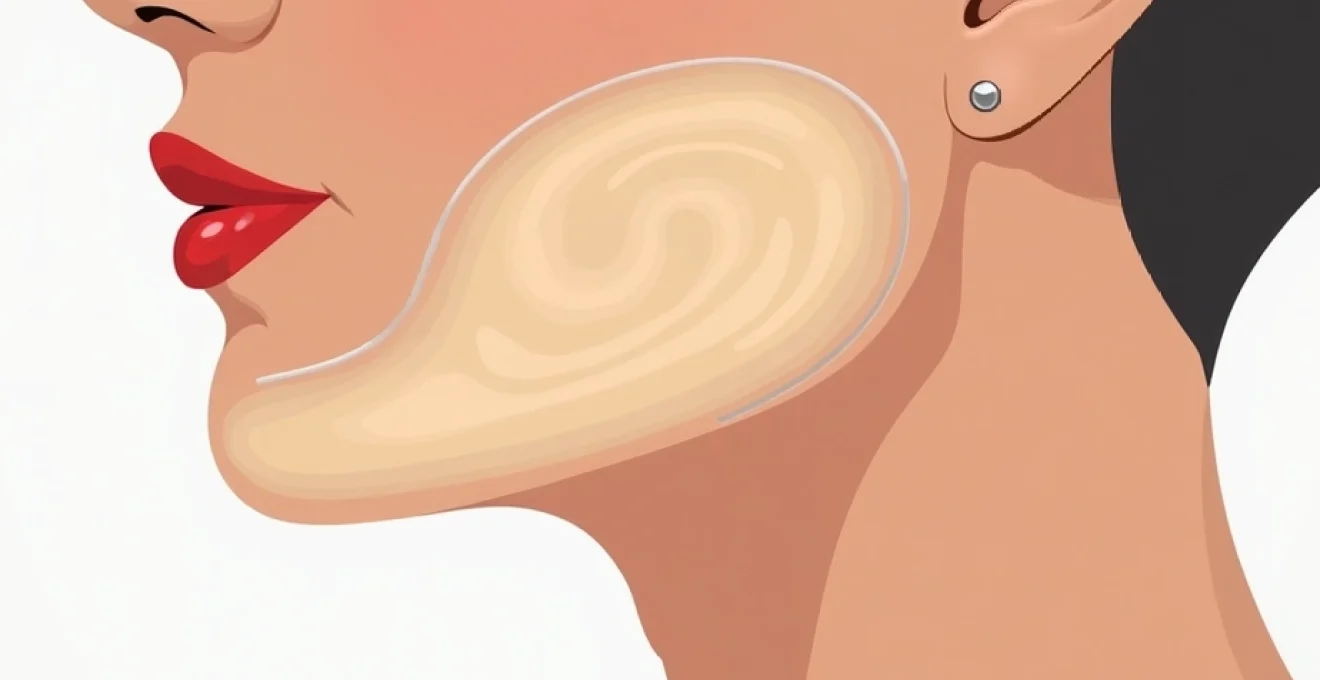
The persistent presence of submental fat, commonly known as a double chin, affects millions of individuals regardless of their overall body weight. This localised fat accumulation beneath the chin creates a frustrating aesthetic concern that often resists traditional weight loss efforts. While many assume that shedding pounds will automatically eliminate their double chin, the relationship between general weight reduction and submental fat loss proves far more complex than simple caloric mathematics might suggest.
Understanding the intricate mechanisms behind double chin formation requires examining multiple physiological factors beyond basic weight gain. Genetic predisposition , age-related tissue changes, hormonal fluctuations, and anatomical variations all contribute to submental fat accumulation. This multifaceted nature explains why some individuals maintain defined jawlines throughout weight fluctuations, while others develop pronounced double chins despite maintaining healthy body weights.
The effectiveness of weight loss in addressing double chin concerns varies dramatically between individuals, making personalised approaches essential for achieving optimal results. Modern aesthetic medicine offers numerous evidence-based interventions that complement or replace traditional weight management strategies, providing hope for those seeking improved facial contouring.
Submental fat anatomy and physiological mechanisms behind double chin formation
The anatomical complexity of the neck region involves multiple tissue layers that contribute to submental fat accumulation. The superficial and deep fat compartments beneath the chin operate independently, each responding differently to weight changes and aging processes. Understanding these distinct anatomical zones helps explain why targeted interventions often prove more effective than generalised weight loss approaches.
The cervical region contains specialised adipose tissue that exhibits unique metabolic characteristics compared to other body fat deposits. This submental fat demonstrates increased resistance to lipolysis, the natural fat-breaking process that occurs during weight loss. Metabolic studies reveal that facial fat cells contain different receptor profiles, making them less responsive to typical weight reduction hormones like adrenaline and noradrenaline.
Platysma muscle weakness and its role in submental fat accumulation
The platysma muscle forms a crucial structural component of the neck, extending from the chest to the jawline. Weakness or laxity in this broad, thin muscle contributes significantly to double chin development by failing to provide adequate support for overlying tissues. Age-related muscle atrophy, combined with gravitational forces, creates the ideal environment for submental fat prominence.
Platysma muscle dysfunction affects facial contouring independently of fat volume. Even individuals with minimal submental fat may experience double chin appearance when platysma support diminishes. This explains why some people notice jawline changes despite maintaining stable weights, particularly after age 35 when muscle mass naturally begins declining.
Genetic predisposition to submental adipose tissue distribution
Genetic factors determine approximately 60-70% of individual fat distribution patterns, including submental accumulation tendencies. Specific gene variants affect adipocyte development, fat storage capacity, and regional fat mobilisation rates. These inherited characteristics explain why double chins often run in families, appearing regardless of lifestyle factors or body weight.
Research identifies several genetic markers associated with increased submental fat deposition. The FTO gene, traditionally linked to obesity risk, also influences facial fat distribution patterns. Similarly, variations in the MC4R gene affect appetite regulation and regional fat storage, potentially predisposing individuals to persistent double chin development despite successful overall weight management.
Age-related collagen degradation and skin elasticity loss in the neck region
Collagen and elastin production decline by approximately 1-2% annually after age 25, creating progressive skin laxity in the neck region. This structural protein degradation allows existing fat deposits to become more prominent, even without actual fat volume increases. The neck’s thinner skin compared to other body areas makes age-related changes particularly noticeable.
Glycation processes , where sugar molecules bind to collagen fibres, further compromise skin elasticity. This biochemical change creates rigid, inflexible collagen that cannot adequately support overlying tissues. Environmental factors like UV exposure and pollution accelerate these degradation processes, potentially worsening double chin appearance over time.
Hormonal influences on cervical fat deposition patterns
Hormonal fluctuations significantly impact fat distribution patterns, including submental accumulation. Insulin resistance promotes fat storage in the neck region, while cortisol elevation from chronic stress directs fat deposition toward central areas including the face and neck. These hormonal influences operate independently of overall caloric balance, potentially maintaining double chins despite weight loss efforts.
Thyroid hormone dysfunction particularly affects cervical fat metabolism. Hypothyroidism slows lipolysis rates in facial tissues, making submental fat exceptionally resistant to reduction efforts. Additionally, declining sex hormone levels during menopause or andropause alter fat distribution patterns, often increasing facial and neck fat accumulation regardless of dietary changes.
Weight loss mechanisms and submental fat reduction correlation
Weight reduction triggers complex physiological processes that affect fat deposits throughout the body, though not uniformly. The relationship between systemic weight loss and submental fat reduction depends on individual metabolic factors, genetic predispositions, and the specific mechanisms driving weight reduction. Understanding these correlations helps set realistic expectations for double chin improvement through traditional weight management approaches.
Studies examining facial fat changes during weight loss reveal significant individual variation in response patterns. While some participants experience proportional submental fat reduction corresponding to overall weight loss, others maintain persistent double chins despite achieving significant total body fat reductions. This variability highlights the importance of understanding personal fat distribution patterns when planning intervention strategies.
Lipolysis process and targeted fat cell mobilisation in facial areas
Lipolysis, the breakdown of stored fat into usable energy, occurs throughout the body during caloric deficit states. However, facial fat cells exhibit different responsiveness to lipolytic hormones compared to other adipose tissue locations. The enzyme hormone-sensitive lipase, crucial for fat mobilisation, shows reduced activity in submental fat deposits, limiting natural fat reduction in this area.
The sympathetic nervous system regulates fat mobilisation through beta-adrenergic receptors on fat cells. Submental adipose tissue contains fewer of these receptors, resulting in decreased responsiveness to weight loss signals. This explains why facial fat often represents the last area to reduce during weight loss programmes, frustrating many individuals seeking improved jawline definition.
Caloric deficit impact on facial adipose tissue distribution
Creating sustained caloric deficits triggers preferential fat mobilisation from specific body regions, following genetically predetermined patterns. Facial fat loss typically occurs later in the weight reduction process, after visceral and peripheral fat stores have been substantially depleted. This temporal sequence means significant overall weight loss may be required before noticeable double chin improvements become apparent.
The magnitude of caloric deficit also influences fat loss patterns. Moderate deficits of 500-750 calories daily promote gradual, sustainable fat reduction that may eventually reach facial areas. Extreme caloric restrictions, while producing rapid initial weight loss, often trigger metabolic adaptations that preserve facial fat stores as evolutionary protection against perceived starvation.
Metabolic rate changes and their effect on cervical fat loss
Weight loss inevitably leads to metabolic rate reductions as the body adapts to lower caloric intake. This metabolic adaptation particularly affects stubborn fat areas like the submental region, where already-sluggish fat mobilisation becomes even more resistant. Understanding these physiological responses helps explain why double chin reduction often plateaus despite continued weight loss efforts.
Adaptive thermogenesis, the body’s mechanism for preserving energy during perceived food scarcity, preferentially protects facial and neck fat stores. These areas likely served evolutionary functions in maintaining body temperature and protecting vital neck structures, making them biologically resistant to depletion. Modern research suggests that metabolic flexibility training may help overcome some of these adaptive responses.
Lymphatic drainage improvement through weight reduction
Weight loss enhances lymphatic system function throughout the body, potentially improving fluid drainage from facial tissues. Improved lymphatic circulation reduces tissue congestion and inflammation that can contribute to double chin appearance. This mechanism provides additional benefits beyond simple fat reduction, addressing fluid-related components of submental fullness.
Exercise-induced weight loss particularly benefits lymphatic function through muscle contractions that promote lymphatic flow. Cardiovascular activities and resistance training stimulate lymphatic pumping mechanisms, helping reduce facial puffiness and improving overall tissue tone. These improvements may create noticeable facial contouring benefits even when direct fat loss remains minimal.
Clinical evidence and research studies on facial fat loss through weight management
Comprehensive clinical research examining the relationship between weight loss and facial fat reduction provides valuable insights into realistic expectations and optimal strategies. A landmark 2019 study published in the Journal of Aesthetic Surgery followed 156 participants through structured weight loss programmes, documenting facial changes using advanced 3D imaging technology. Results revealed that participants losing 15-20% of their initial body weight experienced average submental fat reductions of 23-31%, though individual variations ranged from 8-47%.
Longitudinal studies spanning 12-24 months demonstrate that sustained weight maintenance proves crucial for preserving facial contouring benefits. Research indicates that individuals regaining more than 30% of lost weight typically experience complete reversal of submental fat improvements within 6-8 months. This finding emphasises the importance of developing sustainable lifestyle changes rather than pursuing rapid weight loss approaches that prove difficult to maintain long-term.
Advanced imaging studies using MRI and ultrasound technology reveal interesting patterns in facial fat loss sequencing. Deep submental fat typically reduces before superficial layers, creating initial improvements in neck definition that may not immediately translate to visible double chin reduction. This temporal pattern explains why some individuals notice improved neck mobility and comfort before observing cosmetic changes, highlighting the importance of patience during weight loss journeys.
Clinical evidence suggests that individuals with genetic predispositions to submental fat accumulation may require 25-35% greater total weight loss to achieve comparable facial contouring results compared to those without such genetic factors.
Age-stratified research reveals significant differences in facial fat loss patterns between younger and older participants. Individuals under 35 years demonstrated greater submental fat reduction per pound of total weight loss compared to those over 50 years. This age-related difference likely reflects variations in skin elasticity, muscle tone, and metabolic efficiency that affect facial contouring outcomes during weight reduction programmes.
Non-surgical interventions for submental fat reduction beyond weight loss
Modern aesthetic medicine offers sophisticated non-invasive alternatives for individuals whose double chins persist despite successful weight management. These evidence-based interventions target submental fat through various mechanisms, from controlled tissue destruction to enhanced lymphatic drainage. Understanding the principles, efficacy data, and appropriate candidate selection for each modality enables informed decision-making about optimal treatment approaches.
The evolution of non-surgical aesthetic technologies has dramatically expanded options for submental contouring without the risks, costs, and recovery time associated with surgical interventions. These treatments can complement ongoing weight management efforts or provide standalone solutions for individuals at stable, healthy weights who struggle with localised submental fat deposits.
Coolsculpting cryolipolysis treatment for submental contouring
CoolSculpting utilises controlled cooling to selectively damage fat cells without affecting surrounding tissues. The cryolipolysis process triggers apoptosis (programmed cell death) in adipocytes, which are subsequently eliminated through natural metabolic processes over 8-12 weeks following treatment. Clinical studies demonstrate 20-25% fat layer reduction in treated areas, with results becoming apparent 6-8 weeks post-treatment.
The submental CoolSculpting applicator design specifically accommodates the unique contours of the chin and neck region. Treatment sessions typically last 35-45 minutes, with most patients requiring 2-3 sessions spaced 6-8 weeks apart for optimal results. Patient satisfaction rates exceed 85% in published clinical trials, with minimal side effects limited to temporary numbness, redness, and mild swelling.
Kybella deoxycholic acid injection therapy
Kybella represents the only FDA-approved injectable treatment specifically designed for submental fat reduction. The active ingredient, deoxycholic acid, naturally occurs in human bile and functions to dissolve dietary fats. When injected into submental fat deposits, deoxycholic acid disrupts fat cell membranes, causing permanent cell destruction and subsequent elimination through natural processes.
Treatment protocols typically involve 2-6 sessions spaced 6-8 weeks apart, with each session requiring 20-50 injection points depending on fat distribution patterns. Clinical trials demonstrate average fat reduction of 42.4% after multiple treatment cycles. Recovery involves 7-14 days of swelling and potential temporary numbness, though serious complications remain rare when performed by qualified practitioners.
Radiofrequency treatments including thermage and ultherapy
Radiofrequency technologies deliver controlled thermal energy to deeper tissue layers, stimulating collagen production and tightening existing collagen fibres. While primarily designed for skin tightening, these treatments can improve double chin appearance by enhancing tissue support and reducing skin laxity that contributes to submental fullness. Results develop gradually over 3-6 months as new collagen formation progresses.
Combination approaches using radiofrequency treatments alongside fat reduction modalities often produce superior results compared to single-modality interventions. The improved skin tightening helps accommodate volume reduction from fat loss, preventing loose skin that might otherwise compromise aesthetic outcomes. Patient selection criteria favour individuals with mild to moderate skin laxity and realistic expectations about gradual improvement timelines.
High-intensity focused ultrasound (HIFU) for neck tightening
HIFU technology delivers precise ultrasound energy to targeted tissue depths, creating controlled thermal injury that stimulates tissue remodelling and collagen synthesis. This non-invasive approach can address both fat reduction and skin tightening simultaneously, making it particularly valuable for comprehensive submental contouring. Treatment sessions typically last 60-90 minutes with minimal downtime requirements.
Clinical studies demonstrate HIFU effectiveness in reducing submental fat by 15-20% while simultaneously improving skin elasticity and reducing laxity. Results become apparent over 8-16 weeks as tissue remodelling progresses. The ability to customise treatment depth and intensity allows practitioners to address individual anatomical variations and aesthetic goals effectively.
Surgical options for persistent submental fat after weight loss
When non-surgical interventions prove insufficient or inappropriate for addressing persistent submental fat, surgical options provide definitive solutions with dramatic, long-lasting results. Modern surgical techniques have evolved significantly, offering less invasive approaches with reduced recovery times compared to traditional methods. Understanding the various surgical modalities, their indications, and expected outcomes helps individuals make informed decisions about pursuing definitive submental contouring.
Micro-liposuction represents the gold standard for submental fat removal when conservative measures have failed to achieve desired results. This refined technique uses smaller cannulas and gentler suction compared to traditional liposuction, enabling precise fat removal with minimal tissue trauma. The procedure typically requires only local anaesthesia and can be performed as an outpatient procedure with same-day discharge.
Advanced liposuction technologies incorporate ultrasound-assisted or laser-assisted fat removal to enhance precision and reduce recovery time. These energy-based systems help break down fat deposits before removal, allowing for more thorough extraction with less mechanical trauma to surrounding tissues. Combination procedures addressing both fat removal and skin tightening can provide comprehensive rejuvenation for patients with multiple anatomical concerns.
Surgical planning requires careful assessment of individual anatomy, realistic goal-setting, and comprehensive risk-benefit analysis. Ideal candidates demonstrate localised fat deposits resistant to non-surgical interventions, realistic expectations about surgical outcomes, and good overall health status. Pre-operative evaluation includes assessment of skin quality, muscle tone, bone structure, and healing capacity to optimise surgical planning and outcomes.
Surgical intervention becomes the preferred option when submental fat volume exceeds what non-invasive treatments can effectively address, or when significant skin laxity accompanies fat accumulation, requiring simultaneous correction for optimal aesthetic results.
Recovery from submental liposuction typically involves 7-14 days of swelling and bruising, with most patients returning to work within one week. Compression garments support healing and help optimise final contours during the initial recovery period. Final results become apparent 3-6 months post-operatively as swelling completely resolves and tissues settle into their new contours.
Realistic expectations and individual variation in double chin reduction outcomes
Setting appropriate expectations for double chin reduction requires understanding the complex interplay of factors that influence individual outcomes. Genetic predisposition , age, skin quality, underlying bone structure,
lifestyle factors, and treatment choices all contribute to outcome variability that can be substantial between individuals. Understanding these variables helps patients develop realistic timelines and assessment criteria for measuring progress effectively.
Individual response patterns to various interventions demonstrate remarkable diversity, with some patients achieving dramatic improvements through lifestyle modifications alone, while others require multiple treatment modalities to see modest changes. This variation underscores the importance of personalised treatment planning that considers each person’s unique anatomical and physiological characteristics.
Age-related factors significantly influence treatment outcomes, with younger patients typically experiencing more pronounced improvements due to better skin elasticity and faster cellular turnover rates. Patients over 50 years may require longer treatment timelines or combination approaches to achieve comparable results. Hormonal status also plays a crucial role, particularly in women experiencing menopause-related changes that can affect fat distribution and skin quality.
The severity of submental fat accumulation directly correlates with treatment complexity and expected outcomes. Mild to moderate double chins often respond well to non-surgical interventions and lifestyle modifications, while severe cases may require surgical solutions for meaningful improvement. Realistic assessment of baseline severity helps establish appropriate treatment pathways and patient expectations from the outset.
Combination treatment approaches frequently produce superior outcomes compared to single-modality interventions, though they require greater time commitments and financial investments. The synergistic effects of simultaneously addressing fat reduction, skin tightening, and muscle strengthening can create comprehensive improvements that single treatments cannot achieve. However, patients must understand that combination protocols extend treatment timelines and may increase temporary side effects.
Clinical experience suggests that patients who maintain realistic expectations, commit to recommended treatment protocols, and understand the gradual nature of facial contouring improvements achieve the highest satisfaction rates regardless of the specific interventions chosen.
Maintenance requirements vary significantly between different treatment modalities and individual patient factors. Surgical interventions typically provide the most durable results, lasting decades with proper weight management. Non-surgical treatments may require periodic maintenance sessions every 12-24 months to preserve optimal results. Lifestyle-based improvements demand ongoing commitment to healthy eating and exercise habits to prevent regression.
Communication between patients and practitioners throughout the treatment process proves essential for optimising outcomes and managing expectations. Regular progress assessments, honest discussions about intermediate results, and willingness to adjust treatment plans based on individual responses create the foundation for successful double chin reduction programmes. What realistic timeline should patients expect when pursuing comprehensive double chin reduction, and how can they best prepare for the journey ahead?
Financial considerations also influence treatment selection and outcome expectations. While surgical options provide the most dramatic and long-lasting results, their higher upfront costs may not be accessible to all patients. Non-surgical alternatives offer more affordable entry points but may require ongoing investments for maintenance treatments. Understanding the total cost of ownership for different treatment approaches helps patients make informed decisions aligned with their budgets and aesthetic goals.
Success metrics should extend beyond simple aesthetic improvement to include functional benefits and quality of life enhancements. Many patients report increased confidence, improved posture awareness, and reduced self-consciousness about their appearance following successful double chin reduction. These psychological benefits often prove as valuable as the physical improvements, highlighting the comprehensive impact of addressing submental fat concerns.
The evolution of double chin treatment options continues advancing, with new technologies and techniques regularly entering clinical practice. Staying informed about emerging treatments while maintaining realistic expectations about current options helps patients navigate their choices effectively. What matters most is selecting evidence-based interventions delivered by qualified practitioners who prioritise patient safety and satisfaction above all other considerations.