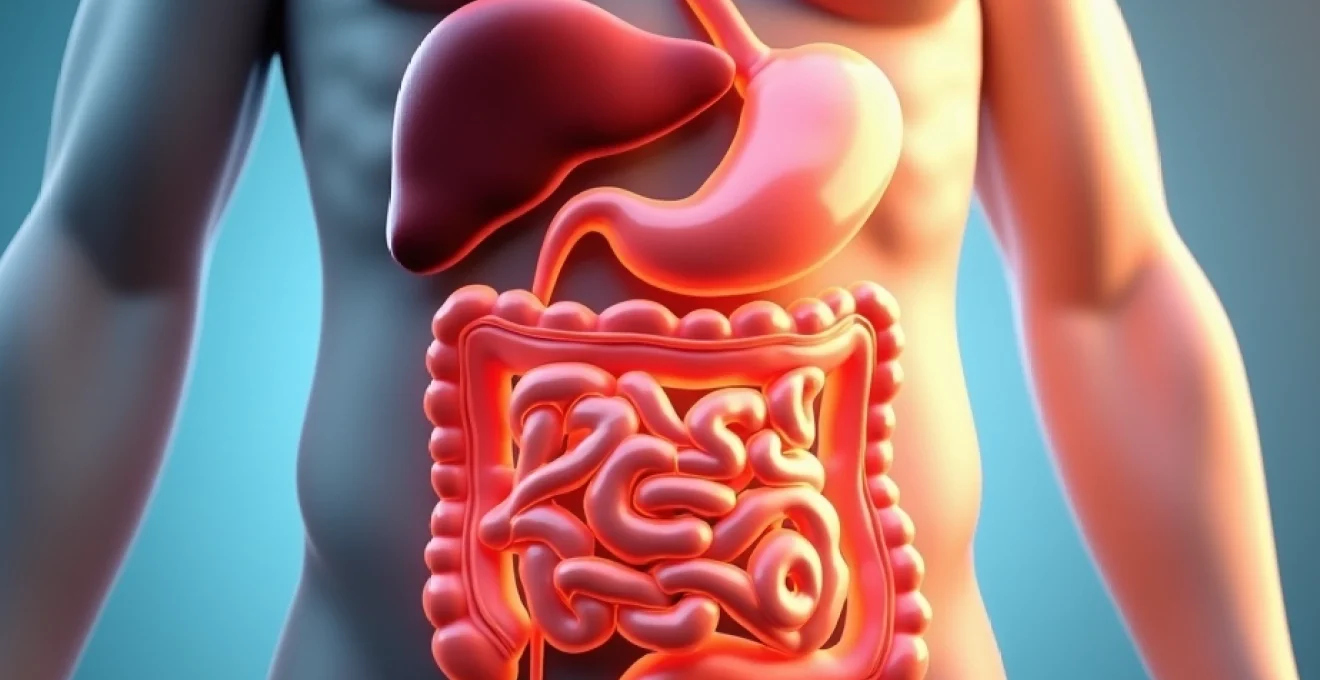
Sjögren’s syndrome affects millions of people worldwide, causing far more than the commonly recognised symptoms of dry eyes and mouth. This complex autoimmune condition significantly impacts the gastrointestinal system, with constipation emerging as one of the most prevalent yet underdiagnosed complications. Studies indicate that up to 95% of individuals with primary Sjögren’s syndrome experience some form of digestive dysfunction, making gastrointestinal manifestations a critical aspect of disease management that demands greater clinical attention and understanding.
The relationship between Sjögren’s syndrome and constipation extends beyond simple symptom occurrence, involving intricate pathophysiological mechanisms that affect multiple organ systems. Understanding these connections becomes essential for healthcare professionals seeking to provide comprehensive care for patients experiencing this challenging combination of symptoms.
Sjögren’s syndrome pathophysiology and gastrointestinal manifestations
Autoimmune exocrine gland dysfunction in primary sjögren’s syndrome
Primary Sjögren’s syndrome represents a systemic autoimmune disorder characterised by lymphocytic infiltration of exocrine glands throughout the body. The immune system mistakenly targets moisture-producing glands, leading to progressive dysfunction that extends far beyond the lacrimal and salivary glands. This autoimmune process affects numerous glandular structures within the gastrointestinal tract, including gastric mucus-secreting cells, pancreatic acinar cells, and intestinal goblet cells responsible for producing protective mucus layers.
The inflammatory cascade triggered by T-helper lymphocyte activation creates a cascade effect throughout the digestive system. Focal lymphocytic infiltration disrupts normal glandular architecture, reducing secretory capacity and altering the composition of digestive fluids. This process particularly affects the production of gastric acid, digestive enzymes, and intestinal mucus, all crucial components for maintaining normal bowel function and preventing constipation.
Secondary sjögren’s syndrome associated with systemic lupus erythematosus and rheumatoid arthritis
Secondary Sjögren’s syndrome occurs alongside other autoimmune conditions, most commonly rheumatoid arthritis and systemic lupus erythematosus. This overlap syndrome creates additional complexity in gastrointestinal manifestations, as patients experience compounded inflammatory processes affecting multiple organ systems simultaneously. The presence of overlapping autoantibodies, including anti-SS-A/Ro and anti-SS-B/La antibodies, contributes to more severe glandular dysfunction and increased risk of digestive complications.
Patients with secondary Sjögren’s syndrome often demonstrate more pronounced gastrointestinal symptoms compared to those with primary disease. The synergistic inflammatory effects of multiple autoimmune processes can accelerate glandular destruction and compromise digestive function more rapidly. Clinical observation suggests that these patients require more aggressive management strategies to address constipation and other gastrointestinal manifestations effectively.
Decreased salivary and pancreatic enzyme secretion impact on digestion
Salivary gland dysfunction in Sjögren’s syndrome extends beyond oral symptoms, significantly impacting the entire digestive process. Reduced salivary flow decreases the production of digestive enzymes, including alpha-amylase, which initiates carbohydrate breakdown. This enzyme deficiency creates a domino effect throughout the digestive tract, as inadequately processed food particles require additional processing by downstream organs, placing increased stress on pancreatic function.
Pancreatic exocrine insufficiency occurs in approximately 36-63% of Sjögren’s syndrome patients, though it often remains asymptomatic until significantly advanced. The autoimmune process can directly affect pancreatic acinar cells, reducing the production of crucial digestive enzymes including lipase, protease, and additional amylase. This enzyme deficiency contributes to maldigestion, altered intestinal transit time, and subsequent constipation as unprocessed food residues accumulate in the colon.
The relationship between enzyme deficiency and constipation in Sjögren’s syndrome creates a self-perpetuating cycle where poor digestion leads to delayed transit, which further compromises nutrient absorption and digestive efficiency.
Autonomic neuropathy and enteric nervous system dysfunction
Peripheral neuropathy affects up to 60% of Sjögren’s syndrome patients, with small-fiber neuropathy being particularly prevalent. This neurological involvement significantly impacts the enteric nervous system, which controls gastrointestinal motility, secretion, and blood flow. Autonomic dysfunction disrupts the coordinated contractions necessary for normal peristalsis, leading to delayed colonic transit and subsequent constipation.
The enteric nervous system, often called the “second brain,” contains more neurons than the spinal cord and operates semi-independently from central nervous control. In Sjögren’s syndrome, inflammatory mediators and autoantibodies can directly damage enteric neurons, compromising their ability to coordinate digestive motility. This neurological impairment particularly affects the migrating motor complex, a pattern of electrical activity that sweeps undigested material through the intestines during fasting periods.
Constipation mechanisms in sjögren’s syndrome patients
Reduced intestinal mucus production and colonic transit time
Intestinal goblet cells, responsible for producing protective mucus layers, become targets of autoimmune attack in Sjögren’s syndrome. This mucus serves multiple critical functions, including lubrication for stool passage, protection against bacterial translocation, and maintenance of optimal hydration levels within the intestinal lumen. Reduced mucus production creates a cascade of problems that directly contribute to constipation development.
The absence of adequate mucus lubrication significantly slows colonic transit time, as stool becomes increasingly difficult to propel through the large intestine. Normal colonic transit relies on a delicate balance between water absorption and mucus-facilitated movement. When this balance shifts due to mucus deficiency, faecal matter becomes progressively dehydrated and compacted, creating the hard, difficult-to-pass stools characteristic of chronic constipation in Sjögren’s syndrome patients.
Medication-induced constipation from anticholinergics and immunosuppressants
The pharmaceutical management of Sjögren’s syndrome often involves medications that can exacerbate constipation through various mechanisms. Anticholinergic medications, commonly prescribed for managing excessive dryness symptoms, block acetylcholine receptors throughout the body, including those controlling intestinal motility. This blockade reduces peristaltic activity and decreases intestinal secretions, both of which contribute significantly to constipation development.
Immunosuppressive therapies, including methotrexate, hydroxychloroquine, and corticosteroids, can alter gut microbiome composition and affect intestinal function through multiple pathways. These medications may reduce inflammatory responses but can also compromise normal digestive processes. Careful medication management requires balancing therapeutic benefits against potential gastrointestinal side effects, often necessitating additional interventions to maintain normal bowel function.
Dehydration-related faecal impaction and hard stool formation
Systemic dehydration represents a fundamental challenge in Sjögren’s syndrome management, extending far beyond the obvious symptoms of dry eyes and mouth. The reduced capacity for fluid production affects the entire gastrointestinal tract, limiting the water content available for maintaining soft, easily passed stools. This dehydration contributes to progressive faecal compaction within the colon, creating increasingly difficult bowel movements.
The colon’s primary function involves water absorption from intestinal contents, a process that becomes problematic when overall fluid availability is compromised. In Sjögren’s syndrome, the combination of reduced fluid intake due to swallowing difficulties and decreased intestinal secretions creates optimal conditions for faecal impaction. Progressive water extraction from stool during prolonged colonic transit results in hard, pellet-like formations that can cause significant discomfort and require aggressive intervention.
Small intestinal bacterial overgrowth (SIBO) and motility disorders
Small intestinal bacterial overgrowth occurs more frequently in Sjögren’s syndrome patients due to altered digestive secretions and impaired motility. The normal acidic environment of the stomach and rapid small intestinal transit help prevent bacterial colonisation of the upper digestive tract. However, reduced gastric acid production and slower motility in Sjögren’s syndrome create conditions favourable for bacterial proliferation in regions typically maintained sterile.
SIBO contributes to constipation through multiple mechanisms, including the production of bacterial metabolites that can slow intestinal motility and the consumption of nutrients essential for normal digestive function. These bacteria can also produce gases that contribute to bloating and abdominal discomfort, further complicating the clinical picture. Research indicates that up to 20% of Sjögren’s syndrome patients may develop SIBO, though this condition often remains undiagnosed due to overlapping symptoms with primary autoimmune manifestations.
Clinical assessment and diagnostic approaches for Sjögren’s-Related constipation
Rome IV criteria application in autoimmune disease contexts
The Rome IV criteria provide standardised definitions for functional gastrointestinal disorders, including functional constipation. However, applying these criteria to patients with Sjögren’s syndrome requires careful consideration of the underlying autoimmune pathophysiology. The criteria require symptoms to be present for at least three months, with onset occurring at least six months prior to diagnosis, but in autoimmune contexts, the progressive nature of glandular dysfunction may create evolving symptom patterns.
Diagnostic criteria include fewer than three bowel movements per week, straining during defecation, lumpy or hard stools, sensation of incomplete evacuation, and manual manoeuvres to facilitate defecation. In Sjögren’s syndrome patients , these symptoms often occur alongside other gastrointestinal manifestations, requiring healthcare providers to differentiate between functional and organic causes of constipation to ensure appropriate treatment approaches.
Colonic transit study using radiopaque markers
Colonic transit studies provide objective measurement of intestinal motility using radiopaque markers that can be tracked through serial abdominal radiographs. This diagnostic approach proves particularly valuable in Sjögren’s syndrome patients, where subjective symptom reporting may be influenced by other disease manifestations. The test involves ingesting capsules containing radio-opaque markers and obtaining abdominal X-rays at specific intervals to track marker progression through the digestive tract.
Normal colonic transit typically results in passage of 80% of markers within 120 hours, while delayed transit suggests motility disorders requiring targeted intervention. In Sjögren’s syndrome, transit studies often reveal diffuse slow-transit constipation rather than isolated segmental delays. This pattern reflects the systemic nature of autonomic dysfunction affecting the entire enteric nervous system rather than localised mechanical obstruction.
Anorectal manometry and balloon expulsion test findings
Anorectal manometry evaluates the function of anal sphincters and rectal sensation, providing crucial information about defecatory mechanisms in constipated patients. This testing proves especially relevant in Sjögren’s syndrome, where neuropathy can affect both sensory and motor components of normal defecation. The procedure measures resting and squeeze pressures, rectal sensation thresholds, and rectoanal inhibitory reflexes to identify specific dysfunction patterns.
Balloon expulsion testing complements manometry by assessing the patient’s ability to expel a balloon from the rectum, simulating normal stool evacuation. Sjögren’s syndrome patients often demonstrate prolonged expulsion times or inability to expel the balloon, indicating pelvic floor dysfunction or impaired rectal sensation. These findings guide targeted therapeutic interventions, including biofeedback training and pelvic floor rehabilitation programmes.
Lactulose breath testing for SIBO detection
Lactulose breath testing represents the gold standard for diagnosing small intestinal bacterial overgrowth in clinical practice. The test involves measuring hydrogen and methane concentrations in exhaled breath following lactulose ingestion, as bacterial fermentation of this non-absorbable sugar produces detectable gases. In Sjögren’s syndrome patients, this testing helps identify SIBO as a contributing factor to constipation and guides appropriate antimicrobial therapy.
Positive breath tests in Sjögren’s syndrome patients often show elevated methane production, which correlates with slower intestinal transit and increased constipation severity. Methane-producing bacteria can slow intestinal motility through direct effects on smooth muscle contraction. Understanding these relationships enables healthcare providers to target specific bacterial populations with tailored antibiotic regimens while addressing underlying motility disorders simultaneously.
Comprehensive diagnostic evaluation in Sjögren’s syndrome requires integration of multiple testing modalities to identify the specific mechanisms contributing to constipation in each individual patient.
Pharmacological management strategies for sjögren’s syndrome constipation
Pharmacological management of constipation in Sjögren’s syndrome requires a nuanced approach that addresses multiple pathophysiological mechanisms while considering potential interactions with existing immunosuppressive therapies. Traditional laxatives may provide temporary relief but fail to address the underlying autoimmune-related dysfunction affecting intestinal motility and secretion. Healthcare providers must consider the unique challenges presented by systemic dryness, autonomic neuropathy, and altered digestive enzyme production when selecting appropriate treatments.
Osmotic laxatives, including polyethylene glycol and lactulose, offer advantages in Sjögren’s syndrome by drawing water into the intestinal lumen while providing lubrication for stool passage. These agents work particularly well in patients with systemic dehydration, as they help compensate for reduced intestinal secretions. However, dosing may require adjustment based on individual hydration status and renal function, as Sjögren’s syndrome can also affect kidney function in approximately 10-15% of patients.
Secretagogues such as lubiprostone and linaclotide represent newer therapeutic options that stimulate intestinal fluid secretion through specific receptor activation. Lubiprostone activates chloride channels in intestinal epithelial cells, promoting fluid secretion and enhanced motility. Linaclotide works through guanylate cyclase-C receptors, increasing intracellular cyclic GMP levels and promoting both secretion and motility. These mechanisms directly address the secretory deficits characteristic of Sjögren’s syndrome, making them particularly appropriate for this patient population.
Prokinetic agents, including metoclopramide and domperidone, can address the motility disorders associated with autonomic neuropathy in Sjögren’s syndrome. However, long-term use of metoclopramide carries risks of tardive dyskinesia, requiring careful risk-benefit assessment. Newer agents such as prucalopride, a 5-HT4 receptor agonist, offer improved safety profiles while effectively enhancing colonic motility. The selection of prokinetic therapy should consider individual patient factors, including age, comorbidities, and concurrent medications.
Non-pharmacological interventions and lifestyle modifications
Dietary modifications play a crucial role in managing constipation associated with Sjögren’s syndrome, though recommendations must account for swallowing difficulties and oral dryness that commonly affect food choices. Increasing dietary fibre intake requires careful consideration, as some high-fibre foods may be difficult to chew and swallow for patients with severe xerostomia. Soluble fibres, found in oats, apples, and legumes, may be better tolerated than insoluble fibres and can help retain water in the intestinal tract while providing beneficial prebiotic effects for gut microbiome health.
Hydration strategies extend beyond simple fluid intake recommendations, as Sjögren’s syndrome patients often experience difficulty with liquid consumption due to swallowing problems and rapid oral fluid loss. Small, frequent sips of water throughout the day prove more effective than consuming large volumes at once. Room temperature or slightly warm fluids are often better tolerated than cold beverages, and avoiding caffeinated or alcoholic drinks helps prevent further dehydration. Some patients benefit from oral rehydration solutions that provide electrolyte replacement alongside fluid replenishment.
Physical activity modifications must accommodate the fatigue and joint pain commonly experienced by Sjögren’s syndrome patients while promoting healthy digestive function. Low-impact exercises such as walking, swimming, or tai chi can stimulate intestinal motility without exacerbating joint symptoms. Even gentle abdominal massage techniques can help promote
bowel motility through gentle stimulation of the abdominal area.
Stress management techniques become particularly important in Sjögren’s syndrome, as psychological stress can significantly impact gastrointestinal motility through the gut-brain axis. The chronic nature of autoimmune disease often creates persistent stress that can perpetuate digestive dysfunction. Mindfulness meditation, deep breathing exercises, and progressive muscle relaxation can help modulate autonomic nervous system activity and potentially improve intestinal motility. Some patients benefit from cognitive behavioural therapy specifically focused on chronic illness management.
Bowel training programmes can help re-establish regular defecation patterns in patients with Sjögren’s syndrome-related constipation. This approach involves scheduling bathroom visits at consistent times, typically 15-30 minutes after meals when the gastrocolic reflex is strongest. Patients are encouraged to attempt defecation even without strong urges, allowing adequate time without straining. The use of proper positioning, including footstools to achieve optimal posture, can facilitate more effective evacuation.
Probiotic supplementation may offer benefits for Sjögren’s syndrome patients, though evidence remains limited and strain-specific effects require further investigation. The altered gut microbiome observed in autoimmune conditions suggests that targeted bacterial supplementation could help restore intestinal balance. Lactobacillus and Bifidobacterium strains show promise in preliminary studies, but individual responses vary significantly. Prebiotic foods, including Jerusalem artichokes, garlic, and onions, may support beneficial bacterial growth when tolerated.
Prognosis and long-term gastrointestinal complications in sjögren’s syndrome
The long-term prognosis for gastrointestinal manifestations in Sjögren’s syndrome varies considerably based on disease severity, treatment response, and individual patient factors. Most patients experience chronic, progressive symptoms that require ongoing management rather than complete resolution. Early intervention and comprehensive care can significantly improve quality of life and prevent serious complications such as severe malnutrition, faecal impaction, or intestinal obstruction.
Patients with severe glandular dysfunction face increased risks of developing malabsorption syndromes, particularly fat-soluble vitamin deficiencies. The combination of reduced pancreatic enzyme production and altered bile flow can lead to steatorrhoea and progressive nutritional deficiencies. Regular monitoring of vitamin D, vitamin B12, and fat-soluble vitamins becomes essential for preventing long-term complications. Some patients may require enzyme replacement therapy or nutritional supplementation to maintain adequate nutritional status.
The development of secondary complications, including gastroparesis and small intestinal bacterial overgrowth, can significantly impact long-term outcomes. These conditions often require specialized management approaches and may not respond adequately to standard constipation treatments. Gastroparesis affects up to 70% of patients in some studies, leading to delayed gastric emptying that compounds intestinal motility problems and creates additional management challenges.
Long-term management of Sjögren’s syndrome-related constipation requires a multidisciplinary approach involving rheumatologists, gastroenterologists, and nutritionists to address the complex interplay between autoimmune inflammation and digestive dysfunction.
Patients who develop severe constipation may face increased risks of colorectal complications, including diverticular disease and increased susceptibility to colorectal infections. The chronic use of stimulant laxatives can lead to dependency and paradoxical worsening of constipation over time. Healthcare providers must balance short-term symptom relief with long-term bowel function preservation, often requiring periodic reassessment and treatment modification.
Regular monitoring and preventive care play crucial roles in optimizing long-term outcomes for Sjögren’s syndrome patients with gastrointestinal involvement. Colonoscopy screening may need to begin earlier than standard recommendations due to increased cancer risks associated with chronic inflammation and immunosuppressive therapy. Annual nutritional assessments and bone density monitoring help identify developing deficiencies before they become clinically significant, allowing for proactive intervention.
The psychological impact of chronic gastrointestinal symptoms should not be underestimated, as bowel dysfunction can significantly affect social functioning and quality of life. Many patients report avoiding social situations or travel due to unpredictable bowel symptoms. Addressing these concerns through patient education, support groups, and mental health resources becomes an integral component of comprehensive care. Understanding that gastrointestinal symptoms represent legitimate manifestations of systemic autoimmune disease, rather than separate conditions, helps patients develop appropriate coping strategies and treatment expectations.