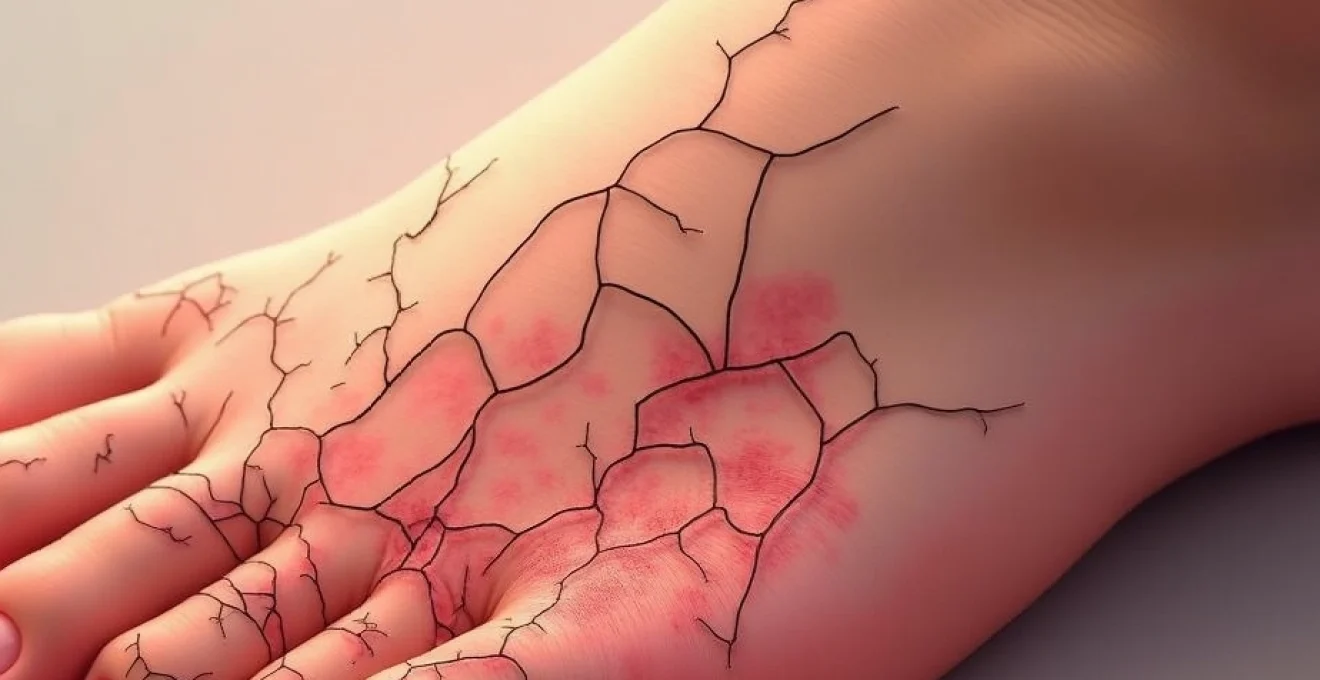
Penile skin cracking represents a distressing dermatological concern that affects countless men worldwide, yet remains poorly understood due to limited discussion surrounding male genital health issues. The delicate penile epidermis, significantly thinner than skin elsewhere on the body, demonstrates heightened vulnerability to various pathological processes that can result in fissuring, desquamation, and considerable discomfort. Understanding the multifactorial aetiology behind penile skin cracking enables healthcare professionals and patients to implement targeted therapeutic interventions whilst addressing underlying systemic conditions that may contribute to this challenging presentation.
The prevalence of penile skin disorders continues to rise, with dermatological manifestations affecting approximately 15-20% of adult males at some point during their lifetime. Cracked penile skin can result from diverse pathophysiological mechanisms, ranging from localised inflammatory conditions to systemic autoimmune disorders, infectious aetiologies, and environmental irritants. Recognition of these varied causative factors proves essential for establishing appropriate differential diagnoses and implementing evidence-based treatment protocols.
Dermatological conditions causing penile skin fissures
Inflammatory dermatoses represent the most prevalent category of conditions responsible for penile skin cracking. These disorders typically manifest through disruption of the epidermal barrier function, leading to increased transepidermal water loss and subsequent fissure formation. The unique anatomical characteristics of penile skin, including its increased sensitivity to hormonal fluctuations and mechanical stress, predispose this region to various dermatological pathologies.
Eczema and atopic dermatitis manifestations on genital skin
Atopic dermatitis affecting the penile region presents distinctive challenges due to the sensitive nature of genital skin and potential complications arising from scratching behaviours. This chronic inflammatory condition demonstrates a prevalence of approximately 2-10% among adult males, with genital involvement occurring in roughly 25% of affected individuals. The pathophysiology involves dysregulation of the skin barrier function, leading to increased susceptibility to irritants and allergens.
Clinical presentations typically include erythematous patches with associated scaling, lichenification, and characteristic fissuring patterns along the penile shaft or glans. Patients frequently report intense pruritus that may interfere with sleep patterns and sexual function. The condition often demonstrates exacerbations during periods of psychological stress or exposure to specific trigger factors, including synthetic fabrics, harsh detergents, or particular topical products.
Contact dermatitis from latex condoms and chemical irritants
Allergic contact dermatitis represents a significant cause of penile skin cracking, particularly in sexually active individuals exposed to latex-containing products or spermicidal agents. The incidence of latex allergy ranges from 1-6% in the general population, with healthcare workers and individuals with frequent latex exposure demonstrating higher prevalence rates. Chemical irritants commonly implicated include nonoxynol-9, benzalkonium chloride, and various fragrances incorporated into personal care products.
The inflammatory response typically develops 24-72 hours following allergen exposure, characterised by erythematous vesicular eruptions that may progress to desquamation and fissuring. Patients often describe burning sensations, localised swelling, and secondary bacterial infections resulting from compromised skin integrity. Patch testing remains the gold standard for identifying specific allergens, enabling targeted avoidance strategies and alternative product recommendations.
Psoriasis plaques and inverse psoriasis in the genital region
Psoriatic involvement of the penile region affects approximately 33-63% of men diagnosed with psoriasis, with inverse psoriasis representing the most common phenotype observed in genital locations. Unlike classical psoriatic plaques observed elsewhere on the body, genital psoriasis typically presents as smooth, well-demarcated erythematous patches without the characteristic silvery scales. The warm, moist environment of the genital region contributes to this atypical presentation.
Penile psoriasis frequently demonstrates associated fissuring, particularly along natural skin creases or areas subject to mechanical stress during sexual activity or routine hygiene practices. The condition may significantly impact quality of life through associated pain, bleeding, and psychological distress. Koebner phenomenon, wherein new psoriatic lesions develop at sites of skin trauma, commonly occurs in genital psoriasis and may perpetuate the cycle of fissuring and inflammation.
Seborrhoeic dermatitis affecting the penile shaft and glans
Seborrhoeic dermatitis of the penile region represents an underrecognised cause of skin cracking, particularly affecting the glans penis and coronal sulcus where sebaceous gland density remains highest. This inflammatory condition, associated with Malassezia species overgrowth, demonstrates prevalence rates of 3-5% in healthy adults, with increased incidence observed in immunocompromised individuals and those with neurological disorders.
The characteristic presentation includes yellowish, greasy scales accompanied by erythematous patches that may develop secondary fissuring due to mechanical irritation or scratching. Unlike other dermatological conditions affecting the penis, seborrhoeic dermatitis often demonstrates concurrent involvement of other sebaceous-rich areas, including the scalp, central face, and presternal region, facilitating clinical recognition and diagnosis.
Infectious aetiologies behind penile skin cracking
Infectious processes represent critical differential diagnoses when evaluating penile skin cracking, as appropriate antimicrobial therapy proves essential for resolution and prevention of complications. The unique microenvironment of the penile region, characterised by varying moisture levels, pH fluctuations, and exposure to potential pathogens, creates conditions conducive to various infectious organisms. Understanding the clinical presentations and diagnostic approaches for common infectious causes enables healthcare providers to implement targeted therapeutic interventions.
Candida albicans and opportunistic yeast infections
Penile candidiasis affects approximately 15-20% of uncircumcised males and represents a common cause of glans inflammation accompanied by skin cracking. Candida albicans accounts for roughly 80-90% of cases, with non-albicans species demonstrating increasing prevalence in immunocompromised patients or those with recurrent infections. Risk factors include diabetes mellitus, antibiotic exposure, immunosuppression, and poor hygiene practices.
Clinical manifestations typically include white, cottage cheese-like discharge beneath the foreskin, accompanied by erythematous patches on the glans and prepuce. Fissuring commonly develops along the coronal sulcus and may extend onto the penile shaft, particularly in severe or chronic cases. Patients frequently report burning sensations, dysuria, and pain during sexual activity. Microscopic examination of discharge using potassium hydroxide preparation reveals characteristic budding yeasts and pseudohyphae, confirming the diagnosis.
Bacterial balanitis caused by staphylococcus and streptococcus species
Bacterial balanitis represents another significant infectious cause of penile skin cracking, with Staphylococcus aureus and Group A Streptococcus species serving as the most common causative organisms. The condition demonstrates higher prevalence in uncircumcised males, diabetic patients, and individuals with compromised immune systems. Poor hygiene, trauma, or pre-existing dermatological conditions may predispose to bacterial colonisation and subsequent infection.
The clinical presentation includes purulent discharge, localised erythema, and progressive tissue breakdown that may result in deep fissuring or ulceration. Patients often experience significant pain, fever, and regional lymphadenopathy in severe cases. Bacterial cultures of discharge or tissue specimens enable identification of specific organisms and antimicrobial sensitivities, guiding appropriate antibiotic selection and treatment duration.
The importance of early recognition and treatment of infectious penile conditions cannot be overstated, as delayed intervention may result in serious complications including phimosis, paraphimosis, or even Fournier’s gangrene in severe cases.
Herpes simplex virus type 1 and type 2 lesions
Herpes simplex virus infections affecting the penile region demonstrate significant potential for causing secondary skin cracking, particularly during the healing phases of vesicular eruptions. HSV-1 and HSV-2 collectively affect approximately 67% of the global population, with genital herpes representing one of the most common sexually transmitted infections worldwide. Primary infections typically present more severely than recurrent episodes, with extensive vesicular formations that may coalesce and subsequently rupture.
The characteristic progression from vesicles to shallow ulcerations creates conditions conducive to secondary bacterial infections and delayed healing with associated fissuring. Patients often describe prodromal symptoms including tingling, burning, or itching sensations preceding vesicle formation. Polymerase chain reaction testing of lesion specimens provides highly sensitive and specific diagnosis, enabling appropriate antiviral therapy initiation.
Human papillomavirus (HPV) related skin changes
Human papillomavirus infections, whilst primarily associated with wart formation, may contribute to penile skin cracking through various mechanisms including local inflammation, mechanical irritation, and disruption of normal epithelial architecture. High-risk HPV types, particularly types 16 and 18, demonstrate oncogenic potential and may cause premalignant changes including penile intraepithelial neoplasia, which can present with associated skin fragility and fissuring.
Low-risk HPV types, notably types 6 and 11, typically cause benign condylomata acuminata that may develop secondary complications including bleeding, pain, and skin breakdown due to mechanical trauma or chemical treatments. The immune response to HPV infections can create chronic inflammatory states that compromise skin barrier function, predisposing to fissure development and delayed healing processes.
Mechanical and environmental factors contributing to penile skin damage
Physical trauma and environmental exposures represent frequently overlooked causes of penile skin cracking that may occur independently or exacerbate underlying dermatological conditions. The penile skin demonstrates particular vulnerability to mechanical stress due to its thin structure and frequent exposure to friction during sexual activity, masturbation, or contact with clothing materials. Understanding these contributory factors enables implementation of preventive strategies and lifestyle modifications that can significantly reduce symptom severity and recurrence rates.
Inadequate lubrication during sexual activities represents one of the most common mechanical causes of penile skin damage. The repetitive friction generated during prolonged sexual encounters or aggressive masturbation techniques can result in microtrauma that manifests as superficial abrasions, subsequently developing into deeper fissures if healing is impaired. Studies indicate that approximately 30-40% of sexually active males experience some degree of penile skin irritation related to insufficient lubrication at least once during their lifetime.
Environmental factors contributing to penile skin cracking include exposure to harsh chemicals in personal care products, synthetic fabrics in undergarments, and extreme temperature variations. Chemical irritants commonly found in soaps, shower gels, and laundry detergents can disrupt the skin’s natural lipid barrier, leading to increased water loss and subsequent fissuring. The choice of underwear fabric plays a crucial role, with synthetic materials often trapping moisture and creating conditions conducive to bacterial or fungal overgrowth that may compromise skin integrity.
Occupational exposures present additional risk factors for penile skin damage, particularly in individuals working with industrial chemicals, solvents, or in environments with extreme humidity levels. Healthcare workers frequently exposed to antimicrobial agents and latex products demonstrate increased incidence of genital dermatitis and associated skin cracking. The cumulative effect of these exposures can result in chronic dermatitis that proves resistant to standard therapeutic interventions.
Prevention of mechanically-induced penile skin damage often requires comprehensive lifestyle modifications, including appropriate lubrication during sexual activities, selection of breathable clothing materials, and avoidance of harsh chemical exposures.
Temperature extremes, both hot and cold, can significantly impact penile skin integrity through various physiological mechanisms. Excessive heat exposure may increase sweating and moisture retention, creating optimal conditions for microbial growth, whilst cold exposure can reduce local circulation and impair natural healing processes. Individuals engaging in outdoor activities or working in temperature-controlled environments should implement appropriate protective measures to minimise thermal stress on genital skin.
Systemic medical conditions manifesting as penile skin cracking
Numerous systemic diseases can manifest through penile skin changes, with cracking and fissuring representing common presenting features that may precede or accompany other disease symptoms. Recognition of these associations proves crucial for early diagnosis and management of underlying conditions that may require specialised treatment approaches beyond topical therapy alone.
Diabetes mellitus and Hyperglycaemia-Induced skin complications
Diabetes mellitus significantly increases the risk of penile skin complications, with approximately 35% of uncircumcised diabetic males developing balanoposthitis at some point during their disease course. Chronic hyperglycaemia contributes to skin cracking through multiple pathophysiological mechanisms, including impaired wound healing, increased susceptibility to infections, and altered collagen synthesis that affects skin elasticity and structural integrity.
The osmotic effects of elevated glucose concentrations in tissue fluids create an environment conducive to fungal and bacterial overgrowth, whilst simultaneously compromising local immune responses. Diabetic patients demonstrate reduced neutrophil function, impaired chemotaxis, and decreased complement activity, all contributing to increased infection rates and delayed healing of skin lesions. Glycemic control remains the cornerstone of preventing and managing diabetic skin complications affecting the penile region.
Advanced diabetic complications, including peripheral neuropathy and vascular disease, further compromise penile skin health through reduced sensation and impaired circulation. Neuropathic changes may result in decreased awareness of minor trauma or irritation, allowing progression to more severe skin breakdown. Vascular insufficiency reduces nutrient delivery and waste removal from affected tissues, significantly prolonging healing times and increasing complication rates.
Behçet’s disease and autoimmune genital ulceration
Behçet’s disease, a chronic multisystem vasculitis, demonstrates genital involvement in approximately 85-90% of affected males, with penile ulcerations representing a major diagnostic criterion for this condition. These ulcerations typically begin as small vesicles or pustules that rapidly progress to painful, well-demarcated ulcers with surrounding erythema and potential for secondary bacterial infections that may result in tissue breakdown and fissuring.
The pathophysiology involves neutrophilic vascular inflammation affecting small and medium-sized vessels, leading to tissue ischaemia and subsequent ulceration. Genital lesions in Behçet’s disease tend to be larger and deeper than those associated with herpes simplex virus infections, often requiring several weeks for complete healing and frequently resulting in scarring that may predispose to recurrent fissuring in affected areas.
Lichen sclerosus et atrophicus in adult males
Lichen sclerosus represents a chronic inflammatory dermatosis affecting approximately 1 in 300-1000 males, with peak incidence occurring in prepubertal boys and older adults. The condition demonstrates a strong predilection for genital skin, particularly affecting the glans penis, prepuce, and urethral meatus. The characteristic pathological changes include epidermal atrophy, dermal sclerosis, and chronic inflammatory infiltrates that result in progressive tissue fibrosis and functional impairment.
Clinical manifestations include white, atrophic plaques accompanied by surface fissuring, particularly around the urethral opening and coronal sulcus. Patients frequently report dysuria, pain during erections, and bleeding from friable tissues. The condition demonstrates associations with autoimmune disorders, including thyroid disease, vitiligo, and alopecia areata, suggesting a potential autoimmune aetiology. Early recognition and treatment prove essential for preventing irreversible complications including phimosis, urethral stricture formation, and malignant transformation.
Crohn’s disease and genital cutaneous manifestations
Crohn’s disease, affecting approximately 3-5 per 100,000 individuals annually, can manifest through various cutaneous complications including genital involvement that may present as fissuring, ulceration, or chronic inflammatory changes. Genital Crohn’s disease affects roughly 24% of paediatric patients and 5% of adult patients with this inflammatory bowel condition, often preceding gastrointestinal symptoms by months or years.
The penile manifestations typically include deep, linear ulcerations with a characteristic “knife-cut” appearance, accompanied by surrounding induration and potential for abscess formation. These lesions demonstrate remarkable similarity to perianal Crohn’s lesions and may extend to involve the scrotal skin or perineum. The chronic inflammatory nature of these lesions often results in significant scarring an
d tissue contraction that can result in significant functional impairment and cosmetic deformity. The diagnosis typically requires histopathological confirmation through tissue biopsy, revealing characteristic granulomatous inflammation and epithelioid cell infiltrates that distinguish it from other inflammatory conditions affecting the penile region.
Pharmacological interventions and topical treatment protocols
Effective management of penile skin cracking requires a systematic approach that addresses both the underlying pathophysiology and symptomatic relief whilst considering the unique anatomical characteristics and sensitivity of genital skin. The selection of appropriate therapeutic interventions depends upon accurate diagnosis of the causative condition, severity of symptoms, and individual patient factors including age, immune status, and comorbid medical conditions. Evidence-based treatment protocols have demonstrated significant efficacy in reducing symptom severity and preventing recurrence when properly implemented and monitored.
Topical corticosteroids represent the mainstay of treatment for inflammatory dermatoses affecting the penile region, with low to moderate potency preparations typically preferred due to the increased absorption and sensitivity of genital skin. Hydrocortisone 1% cream or ointment serves as an appropriate first-line therapy for mild inflammatory conditions, whilst betamethasone valerate 0.1% or triamcinolone acetonide 0.1% may be utilised for more severe presentations. The risk of skin atrophy and striae formation necessitates careful monitoring and limitation of treatment duration to 2-4 weeks for potent preparations. Clinical studies have demonstrated that approximately 70-80% of patients with inflammatory penile dermatoses achieve significant symptom improvement within 2-3 weeks of appropriate topical corticosteroid therapy.
Calcineurin inhibitors, including tacrolimus 0.1% ointment and pimecrolimus 1% cream, provide valuable alternatives to topical corticosteroids, particularly for long-term maintenance therapy or in patients who have developed corticosteroid-induced skin changes. These agents demonstrate excellent safety profiles for genital application and can be used continuously without risk of skin atrophy. However, initial application may cause temporary burning or stinging sensations that typically resolve within the first week of treatment.
The selection of appropriate topical therapy must consider not only the underlying diagnosis but also patient preference, ease of application, and potential for sexual transmission of medications to partners during intimate contact.
Antimicrobial therapies play crucial roles in managing infectious causes of penile skin cracking, with specific agent selection guided by microbiological identification when possible. Topical antifungal preparations, including clotrimazole 1% cream, miconazole 2% cream, or terbinafine 1% cream, demonstrate high efficacy rates of 85-90% for treating candidal balanitis when applied twice daily for 2-3 weeks. Severe or recurrent infections may require systemic antifungal therapy with fluconazole 150mg as a single dose or itraconazole 200mg daily for 3-7 days. Bacterial infections typically respond well to topical antibiotics such as mupirocin 2% ointment or fusidic acid 2% cream, though severe cases may necessitate oral antibiotic therapy guided by culture sensitivities.
Barrier repair and moisturising agents represent fundamental components of treatment protocols for all causes of penile skin cracking, regardless of underlying aetiology. Ceramide-containing moisturisers and petroleum-based ointments help restore epidermal barrier function and prevent further moisture loss that contributes to fissure formation. Regular application of these agents, particularly after bathing or sexual activity, can significantly reduce recurrence rates and improve overall skin integrity. Patients should be counselled regarding the importance of gentle cleansing with pH-balanced, fragrance-free cleansers to avoid further irritation of compromised skin.
Clinical assessment and differential diagnosis methodologies
Comprehensive clinical assessment of penile skin cracking requires systematic evaluation incorporating detailed history-taking, thorough physical examination, and appropriate laboratory investigations to establish accurate diagnosis and guide therapeutic interventions. The sensitive nature of genital examination necessitates careful attention to patient comfort and privacy whilst maintaining clinical thoroughness. Differential diagnosis considerations must encompass infectious, inflammatory, autoimmune, and neoplastic processes that may present with similar clinical manifestations but require vastly different treatment approaches.
History-taking should encompass onset and duration of symptoms, associated symptoms including pain, pruritus, or discharge, sexual history including new partners or practices, recent medication changes, and personal or family history of dermatological conditions. Patients should be specifically questioned regarding hygiene practices, use of new personal care products, clothing materials, and occupational exposures that may contribute to skin irritation. The temporal relationship between symptom onset and potential trigger factors often provides valuable diagnostic clues that guide subsequent evaluation and testing.
Physical examination requires systematic inspection of the entire genital region, including the penile shaft, glans, prepuce, urethral meatus, and surrounding skin areas. The distribution and morphology of lesions provide important diagnostic information, with certain patterns strongly suggestive of specific conditions. For instance, bilateral symmetric involvement often suggests systemic or inflammatory conditions, whilst unilateral or asymmetric presentations may indicate infectious aetiologies or contact dermatitis. The presence of similar lesions elsewhere on the body should prompt consideration of systemic dermatological conditions such as psoriasis or eczema.
Laboratory investigations play crucial roles in confirming suspected diagnoses and ruling out alternative conditions that may require specific treatments. Microscopic examination of skin scrapings using potassium hydroxide preparation enables rapid identification of fungal elements, whilst bacterial cultures of discharge or tissue specimens guide appropriate antibiotic selection. Viral culture or polymerase chain reaction testing may be necessary when herpes simplex virus infection is suspected, particularly during acute presentations with vesicular lesions.
The complexity of differential diagnosis for penile skin cracking often requires dermatological or urological consultation, particularly when initial treatments prove ineffective or when unusual presentations suggest rare conditions that may require specialised management approaches.
Histopathological examination through skin biopsy represents the gold standard for diagnosing many dermatological conditions affecting the penile region, particularly when clinical presentation remains unclear after initial evaluation. The procedure, performed under local anaesthesia, provides definitive tissue diagnosis and enables differentiation between inflammatory, infectious, and neoplastic processes. Specific histopathological patterns, including the presence of granulomatous inflammation, malignant cells, or characteristic inflammatory infiltrates, guide appropriate treatment selection and prognostic assessment.
Patch testing may be indicated when allergic contact dermatitis is suspected, enabling identification of specific allergens that trigger inflammatory responses. This investigation proves particularly valuable for patients with recurrent symptoms or those exposed to occupational or recreational allergens. The European standard series and supplementary allergen panels can identify common sensitising agents, facilitating targeted avoidance strategies and alternative product recommendations that prevent symptom recurrence.
Advanced diagnostic techniques, including dermoscopy, reflectance confocal microscopy, and optical coherence tomography, may provide additional diagnostic information in challenging cases or when monitoring treatment response over time. These non-invasive imaging modalities enable detailed visualisation of skin architecture and inflammatory changes that may not be apparent through conventional clinical examination alone. However, their availability and utility remain limited to specialised dermatological centres with appropriate expertise and equipment.
The integration of clinical findings, laboratory results, and patient response to empirical treatments often provides the most reliable approach to establishing accurate diagnoses and implementing effective treatment protocols. Regular follow-up assessments enable monitoring of treatment response and identification of complications or alternative diagnoses that may require modified therapeutic approaches. Patient education regarding symptom monitoring, treatment compliance, and preventive measures represents an essential component of comprehensive care that significantly improves long-term outcomes and reduces recurrence rates.