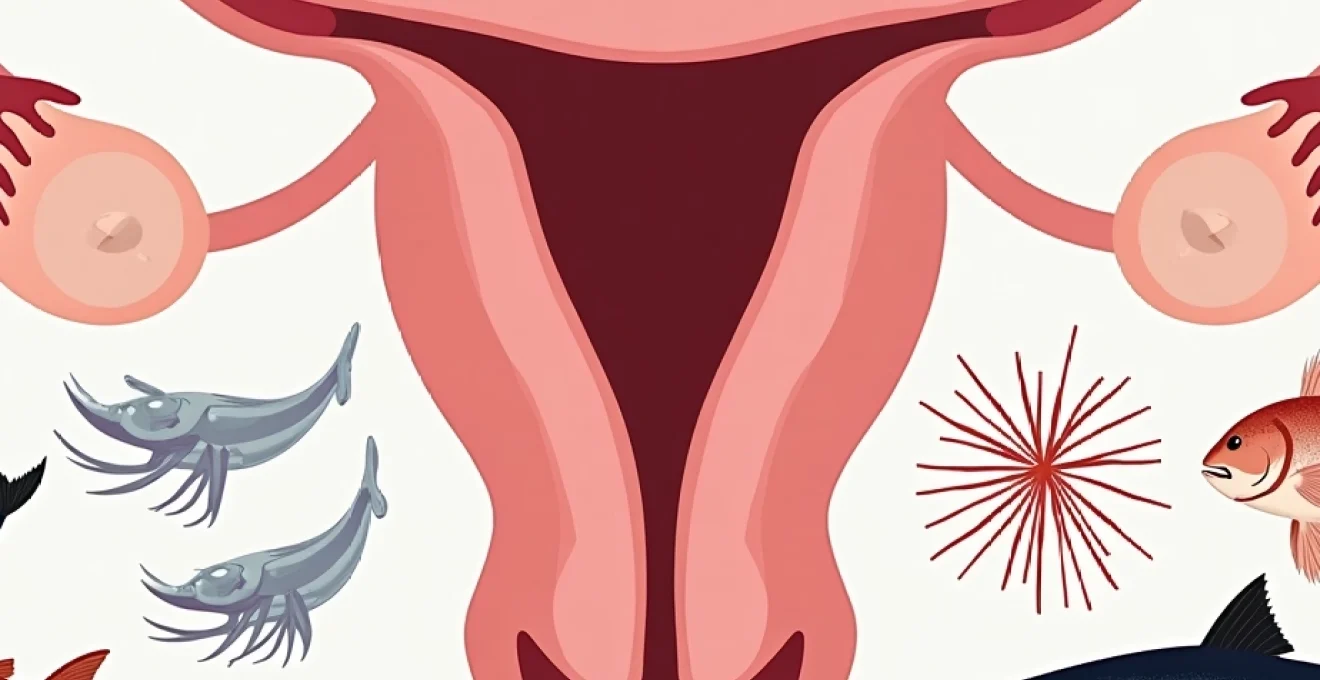
The relationship between dietary choices and intimate health continues to generate significant interest among healthcare professionals and women seeking natural approaches to vaginal wellness. While many factors influence vaginal pH balance, including hormones, hygiene practices, and sexual activity, the role of specific food groups remains an area of active research. Seafood consumption, with its unique nutritional profile rich in omega-3 fatty acids, minerals, and bioactive compounds, presents particular considerations for vaginal health. Understanding how marine-derived nutrients interact with the delicate vaginal ecosystem can help inform dietary decisions that support optimal intimate wellness throughout different life stages.
Vaginal ph fundamentals and normal physiological parameters
The vaginal environment maintains a complex ecosystem that relies on precise pH balance to function optimally. This intricate system serves as the first line of defence against harmful pathogens whilst supporting beneficial bacterial populations essential for intimate health.
Lactobacillus dominance and acidic environment maintenance
The vaginal microbiome depends heavily on Lactobacillus species to maintain its characteristic acidic environment. These beneficial bacteria produce lactic acid as a metabolic byproduct, creating conditions that naturally inhibit the growth of harmful microorganisms. Research indicates that healthy vaginal flora typically contains 90-95% Lactobacillus species, with L. crispatus , L. gasseri , L. iners , and L. jensenii being the most prevalent strains.
The acidic environment these bacteria create serves multiple protective functions beyond pathogen inhibition. It supports the integrity of vaginal epithelial cells, enhances natural antimicrobial peptide activity, and maintains optimal conditions for cervical mucus production. When Lactobacillus dominance is compromised, the risk of bacterial vaginosis, yeast infections, and sexually transmitted infections increases significantly.
Normal ph range variations throughout menstrual cycle
Vaginal pH naturally fluctuates throughout the menstrual cycle in response to hormonal changes. During the follicular phase, oestrogen levels rise, promoting glycogen production in vaginal epithelial cells, which Lactobacillus bacteria metabolise into lactic acid. This process typically maintains pH levels between 3.8 and 4.5 during most of the cycle.
The luteal phase presents different challenges, as progesterone dominance can slightly elevate pH levels. Menstruation itself temporarily raises vaginal pH to approximately 6.8-7.2 due to the alkaline nature of menstrual blood. Understanding these natural variations helps distinguish between normal physiological changes and pathological pH disruptions that may require intervention.
Hormonal influences on vaginal microbiome balance
Oestrogen plays a pivotal role in maintaining vaginal health by stimulating epithelial cell proliferation and glycogen production. Higher oestrogen levels correlate with increased Lactobacillus populations and lower pH values. Conversely, periods of oestrogen deficiency, such as during breastfeeding or menopause, can lead to vaginal atrophy and elevated pH levels.
Progesterone influences vaginal health differently, potentially reducing Lactobacillus adhesion to epithelial cells and altering cervical mucus composition. These hormonal interplays create windows of vulnerability where dietary factors, including seafood consumption, may have enhanced influence on vaginal pH stability.
Age-related ph changes from menarche to menopause
Vaginal pH undergoes significant changes throughout a woman’s lifetime. During childhood, before oestrogen production begins, vaginal pH ranges from 6.5-7.5. Menarche brings dramatic changes as oestrogen levels rise, establishing the acidic environment characteristic of reproductive years.
The postmenopausal period presents unique challenges as declining oestrogen levels lead to vaginal atrophy, reduced glycogen production, and Lactobacillus depletion. Without hormone replacement therapy, postmenopausal women often experience elevated vaginal pH levels of 5.0-7.5, increasing susceptibility to infections and highlighting the importance of supportive dietary interventions.
Seafood nutritional composition and bioactive compounds
Marine foods offer a distinctive nutritional profile that sets them apart from terrestrial protein sources. The unique environment in which seafood develops contributes to specific nutrient concentrations and bioactive compounds that may influence various aspects of human health, including vaginal microbiome balance.
Omega-3 fatty acids and Anti-Inflammatory properties
Seafood represents the richest dietary source of long-chain omega-3 fatty acids, particularly eicosapentaenoic acid (EPA) and docosahexaenoic acid (DHA). These essential fatty acids demonstrate powerful anti-inflammatory properties that may benefit vaginal health through multiple mechanisms. EPA and DHA can modulate immune responses, reducing inflammatory cytokine production that might otherwise disrupt vaginal microbiome stability.
Research suggests that adequate omega-3 intake supports healthy vaginal lubrication and may help maintain epithelial barrier function. The anti-inflammatory effects of these fatty acids could potentially create more favourable conditions for Lactobacillus proliferation whilst reducing the risk of inflammatory conditions that elevate vaginal pH.
Zinc content in shellfish and immune function
Shellfish, particularly oysters, provide exceptionally high zinc concentrations compared to other food sources. A single medium oyster contains approximately 5-10mg of zinc, representing 45-90% of the daily recommended intake. Zinc plays crucial roles in immune function, wound healing, and maintaining healthy mucous membranes throughout the body, including vaginal tissues.
Adequate zinc status supports the production of antimicrobial peptides and maintains epithelial barrier integrity. Zinc deficiency has been associated with increased susceptibility to infections and delayed healing responses, potentially compromising the vaginal environment’s natural defence mechanisms. However, excessive zinc intake from frequent shellfish consumption could theoretically interfere with copper absorption, creating mineral imbalances that might indirectly affect immune function.
Selenium levels in marine fish and antioxidant activity
Marine fish accumulate selenium from oceanic sources, with some species containing exceptionally high concentrations. A 100g serving of tuna can provide 90-165 micrograms of selenium, well above the recommended daily intake of 55 micrograms. Selenium functions as a cofactor for glutathione peroxidase and other antioxidant enzymes that protect cells from oxidative damage.
The antioxidant properties of selenium may help protect vaginal epithelial cells from oxidative stress, potentially supporting healthy cell turnover and glycogen production. Some research suggests that selenium status influences immune responses and may play a role in maintaining healthy microbial populations, though direct effects on vaginal pH remain understudied.
Mercury accumulation in predatory fish species
Large predatory fish accumulate mercury through bioaccumulation, with species such as shark, swordfish, and king mackerel containing the highest concentrations. Mercury exposure, particularly methylmercury from seafood consumption, has been associated with various health concerns, including potential effects on reproductive health.
While the direct impact of mercury on vaginal pH remains unclear, chronic exposure to heavy metals may contribute to oxidative stress and immune system dysfunction. These effects could theoretically compromise the body’s ability to maintain optimal vaginal microbiome balance, though more research is needed to establish definitive connections between mercury exposure and intimate health outcomes.
Dietary ph impact mechanisms on vaginal environment
The concept of dietary pH influencing bodily pH represents a complex physiological process that extends beyond simple acid-base chemistry. While the body maintains strict pH control in blood and most tissues through sophisticated buffering systems, certain organs and microenvironments may be more susceptible to dietary influences through indirect mechanisms.
Seafood generally exhibits a neutral to slightly alkaline pH when fresh, ranging from 6.8-7.2 in most species. However, the pH of consumed food does not directly translate to changes in body pH due to the digestive process and metabolic transformations. Instead, seafood’s influence on vaginal pH likely occurs through its effects on nutrient availability, inflammatory responses, and microbiome composition rather than through direct pH modification.
The protein content in seafood requires significant digestive resources and produces various metabolic byproducts during breakdown. Amino acid metabolism can influence systemic acid-base balance, though the kidneys typically compensate for dietary acid loads effectively. More importantly, the specific amino acid profile in seafood may influence the availability of nutrients that vaginal epithelial cells require for glycogen production and Lactobacillus support.
Processing methods significantly alter seafood’s potential impact on vaginal health. Smoked, cured, or highly processed seafood products often contain elevated sodium levels, preservatives, and other additives that may influence inflammatory responses or microbiome composition. Fresh, minimally processed seafood provides the most predictable nutritional profile for supporting vaginal health, whilst heavily processed varieties may introduce variables that could disrupt optimal pH balance.
Research indicates that dietary patterns emphasising whole, minimally processed foods, including fresh seafood, correlate with more stable vaginal microbiome compositions compared to diets high in processed foods and refined sugars.
Clinical evidence: seafood consumption and vaginal health outcomes
Scientific investigation into the relationship between seafood consumption and vaginal health remains limited, with most evidence derived from broader dietary pattern studies and research on specific nutrients found abundantly in marine foods. However, emerging research provides valuable insights into potential connections between seafood intake and intimate health outcomes.
Mediterranean diet studies and bacterial vaginosis rates
Several epidemiological studies examining Mediterranean dietary patterns, which emphasise regular seafood consumption, have revealed interesting correlations with reduced bacterial vaginosis rates. A large cohort study following 2,500 women over five years found that those adhering closely to Mediterranean dietary patterns experienced 35% lower rates of recurrent bacterial vaginosis compared to women following typical Western diets.
The Mediterranean diet’s emphasis on fish consumption, particularly oily varieties rich in omega-3 fatty acids, may contribute to this protective effect. Women consuming fish three or more times weekly showed the strongest associations with vaginal microbiome stability, though researchers noted that the overall dietary pattern likely contributes more than any single food component.
Fish oil supplementation research and microbiome stability
Several randomised controlled trials examining fish oil supplementation have provided indirect evidence of omega-3 fatty acids’ potential benefits for vaginal health. A 12-week study involving 200 women with recurrent vulvovaginal candidiasis found that those receiving 2g daily of combined EPA and DHA experienced significantly fewer infection episodes compared to placebo groups.
The mechanisms behind these benefits appear multifactorial, involving reduced inflammatory cytokine production, enhanced epithelial barrier function, and improved immune responses. Participants receiving omega-3 supplementation also reported improved vaginal lubrication and reduced irritation symptoms, suggesting broader benefits for intimate comfort beyond infection prevention.
Shellfish allergy responses and inflammatory markers
Paradoxically, shellfish allergies represent one of the most common food allergies and can significantly impact vaginal health in sensitive individuals. Allergic reactions to shellfish proteins can trigger systemic inflammatory responses that may disrupt vaginal microbiome balance and elevate pH levels through increased inflammatory mediator production.
Women with shellfish allergies who accidentally consume trigger foods often experience elevated C-reactive protein and interleukin-6 levels, inflammatory markers that correlate with increased bacterial vaginosis risk. This highlights the importance of individual tolerance assessment when considering seafood’s role in vaginal health optimisation.
Heavy metal exposure from seafood and reproductive health
Concerns about mercury and other heavy metal exposure from seafood consumption have prompted research into potential reproductive health impacts. A longitudinal study tracking 1,800 women over ten years found that those with elevated mercury levels showed subtle changes in vaginal microbiome diversity, though clinical significance remained unclear.
Interestingly, the same study revealed that women consuming moderate amounts of low-mercury seafood (2-3 servings weekly) maintained more stable vaginal pH levels compared to those avoiding seafood entirely or consuming high-mercury species regularly. This suggests that seafood selection and consumption frequency matter more than complete avoidance for most women.
Specific seafood types and their differential effects
Different categories of seafood offer varying nutritional profiles and potential impacts on vaginal health. Understanding these distinctions enables more informed dietary choices that maximise benefits whilst minimising potential risks associated with specific seafood types or preparation methods.
Fatty fish species: salmon, mackerel, and sardines
Fatty fish species provide the highest concentrations of omega-3 fatty acids whilst generally containing moderate mercury levels, making them excellent choices for supporting vaginal health. Salmon contains approximately 1.8g of combined EPA and DHA per 100g serving, along with significant amounts of vitamin D and selenium. Wild-caught salmon typically offers superior omega-3 profiles compared to farmed varieties, though both provide substantial benefits.
Mackerel represents one of the richest sources of omega-3 fatty acids among commonly consumed fish, with some varieties containing over 2.5g per serving. However, king mackerel accumulates higher mercury levels than Atlantic or Spanish mackerel, making species selection important. The anti-inflammatory properties of mackerel’s omega-3 content may particularly benefit women experiencing recurrent vaginal infections or inflammatory conditions.
Sardines offer exceptional nutritional density with high omega-3 content, calcium, and vitamin D whilst maintaining very low mercury levels due to their position in the food chain. Their small size and short lifespan prevent significant heavy metal accumulation, making them one of the safest seafood choices for regular consumption. The calcium content in sardines may also support overall reproductive health and bone density maintenance.
Shellfish categories: molluscs versus crustaceans
Molluscs, including oysters, mussels, and clams, provide exceptional zinc concentrations that may benefit immune function and vaginal tissue health. Oysters contain the highest zinc levels among all foods, with potential benefits for wound healing and antimicrobial peptide production. However, filter-feeding molluscs can concentrate environmental contaminants , making source selection and preparation methods particularly important.
Crustaceans such as lobster, crab, and shrimp offer moderate zinc levels along with high-quality protein and selenium. These species generally contain lower omega-3 concentrations than fatty fish but provide other nutrients that may support vaginal health. Shrimp, despite its popularity, contains relatively high cholesterol levels, which some research suggests might influence inflammatory responses, though direct effects on vaginal pH remain unestablished.
Processing methods: fresh, smoked, and canned preparations
Fresh seafood provides the most predictable nutritional profile and minimal additives that could potentially disrupt vaginal microbiome balance. Fresh preparation methods such as steaming, grilling, or light sautéing preserve beneficial nutrients whilst avoiding excessive sodium or preservative exposure that might influence inflammatory responses.
Smoked seafood undergoes processing that concentrates flavours but also introduces sodium and potential carcinogens from smoking processes. The high sodium content in smoked fish may contribute to systemic inflammation in sensitive individuals, potentially affecting vaginal health indirectly. Additionally, some smoking processes introduce nitrates and other preservatives that could theoretically influence microbiome composition.
Canned seafood offers convenience and often excellent nutritional value, particularly for fatty fish like salmon and sardines. However, canning processes may reduce omega-3 fatty acid content slightly, and some products contain added sodium or oils that could influence their health benefits. Selecting canned varieties packed in water rather than oil, and choosing low-sodium options when available, helps maximise potential benefits for vaginal health.
Farmed versus Wild-Caught nutritional profiles
Wild-caught seafood typically provides superior omega-3 fatty acid profiles due to natural feeding patterns, though farming practices continue improving. Wild salmon contains approximately 25% higher omega-3 concentrations than farmed varieties, along with lower omega-6 fatty acid levels that may contribute to better anti-inflammatory effects.
Farmed seafood often contains higher levels of omega-6 fatty acids and potential contaminants from feed sources, though quality varies significantly among producers. Some farmed fish receive antibiotics or other treatments that could theoretically influence human microbi
ome composition, though direct connections to vaginal health remain largely theoretical.
Farmed seafood production has evolved significantly, with some operations now producing fish with omega-3 profiles comparable to wild-caught varieties through improved feed formulations. However, consumers seeking optimal vaginal health benefits should prioritise wild-caught options when possible, or select farmed seafood from producers emphasising sustainable, high-quality practices that minimise contaminant exposure.
Evidence-based dietary recommendations for optimal vaginal ph
Based on current research and clinical observations, specific seafood consumption guidelines can help women optimise their vaginal health while minimising potential risks. These recommendations consider individual factors such as age, reproductive status, existing health conditions, and personal tolerance levels to provide practical guidance for incorporating seafood into a vaginal health-supporting diet.
For most healthy women of reproductive age, consuming 2-3 servings of seafood weekly appears to provide optimal benefits without excessive mercury exposure. Each serving should approximate 100-150g of cooked fish or shellfish, with emphasis on variety to maximise nutritional benefits whilst distributing potential contaminant exposure across different species. Pregnant women and those planning conception should follow more conservative guidelines, limiting consumption to 2 servings weekly and avoiding high-mercury species entirely.
The timing of seafood consumption may influence its impact on vaginal health, particularly for women experiencing recurrent infections or pH imbalances. Some practitioners suggest increasing seafood intake during the luteal phase of the menstrual cycle, when progesterone dominance may compromise Lactobacillus populations. However, consistent daily intake of omega-3 fatty acids, whether through seafood or supplementation, likely provides more stable benefits than sporadic consumption patterns.
Quality sourcing represents a critical factor in maximising seafood’s potential benefits for vaginal health. Wild-caught varieties from clean waters, sustainable fishing operations, and reputable suppliers offer the most predictable nutritional profiles. Women with compromised immune systems, autoimmune conditions, or recurrent vaginal infections should prioritise the highest quality sources and consider consulting healthcare providers about appropriate consumption levels.
Healthcare practitioners increasingly recognise that optimal vaginal health requires a holistic approach combining proper hygiene, stress management, adequate sleep, and supportive nutrition, with seafood serving as one valuable component of a comprehensive wellness strategy.
Preparation methods significantly influence seafood’s nutritional value and potential impact on vaginal health. Gentle cooking techniques such as steaming, poaching, or light grilling preserve beneficial omega-3 fatty acids while reducing the formation of potentially harmful compounds. Avoiding heavily processed preparations, excessive sodium, and inflammatory cooking oils helps maintain seafood’s natural health-promoting properties.
Individual tolerance assessment remains crucial, as seafood allergies, digestive sensitivities, or specific health conditions may contraindicate regular consumption. Women experiencing adverse reactions to any seafood should eliminate trigger foods completely and explore alternative sources of omega-3 fatty acids and other nutrients typically obtained from marine foods. Plant-based options such as flaxseeds, chia seeds, and algae-derived supplements can provide some similar benefits, though with different absorption rates and bioavailability profiles.
The integration of seafood consumption with other vaginal health-supporting dietary strategies enhances overall effectiveness. Combining regular seafood intake with probiotic-rich foods, prebiotic fibres, adequate hydration, and limitation of processed sugars creates a comprehensive nutritional approach that supports optimal vaginal pH maintenance. This synergistic strategy addresses multiple factors influencing vaginal microbiome stability simultaneously.
Long-term sustainability considerations should guide seafood selection decisions, as environmental factors affecting marine ecosystems ultimately influence the nutritional quality and safety of seafood products. Choosing species that are abundant, sustainably harvested, and lower on the food chain generally provides better environmental outcomes while often delivering superior nutritional profiles with reduced contaminant exposure.
Monitoring and adjustment protocols help optimise individual responses to increased seafood consumption. Women should track changes in vaginal comfort, discharge characteristics, infection frequency, and overall wellbeing when modifying their seafood intake. This self-monitoring enables personalised adjustments that maximise benefits while identifying any adverse reactions that might require dietary modifications or professional consultation.
The relationship between seafood consumption and vaginal pH represents an emerging area of research with promising initial findings but limited definitive evidence. Current data suggests that moderate, regular consumption of high-quality seafood, particularly fatty fish species rich in omega-3 fatty acids, may support vaginal health through anti-inflammatory effects, immune system support, and microbiome stabilisation. However, individual responses vary significantly, and seafood should be considered one component of a comprehensive approach to vaginal wellness rather than a standalone solution.
Women considering dietary modifications to support vaginal health should consult qualified healthcare providers, particularly when dealing with recurrent infections, chronic conditions, or significant dietary restrictions. Professional guidance ensures that seafood consumption recommendations align with individual health needs, medication interactions, and overall treatment plans for optimal outcomes and safety.