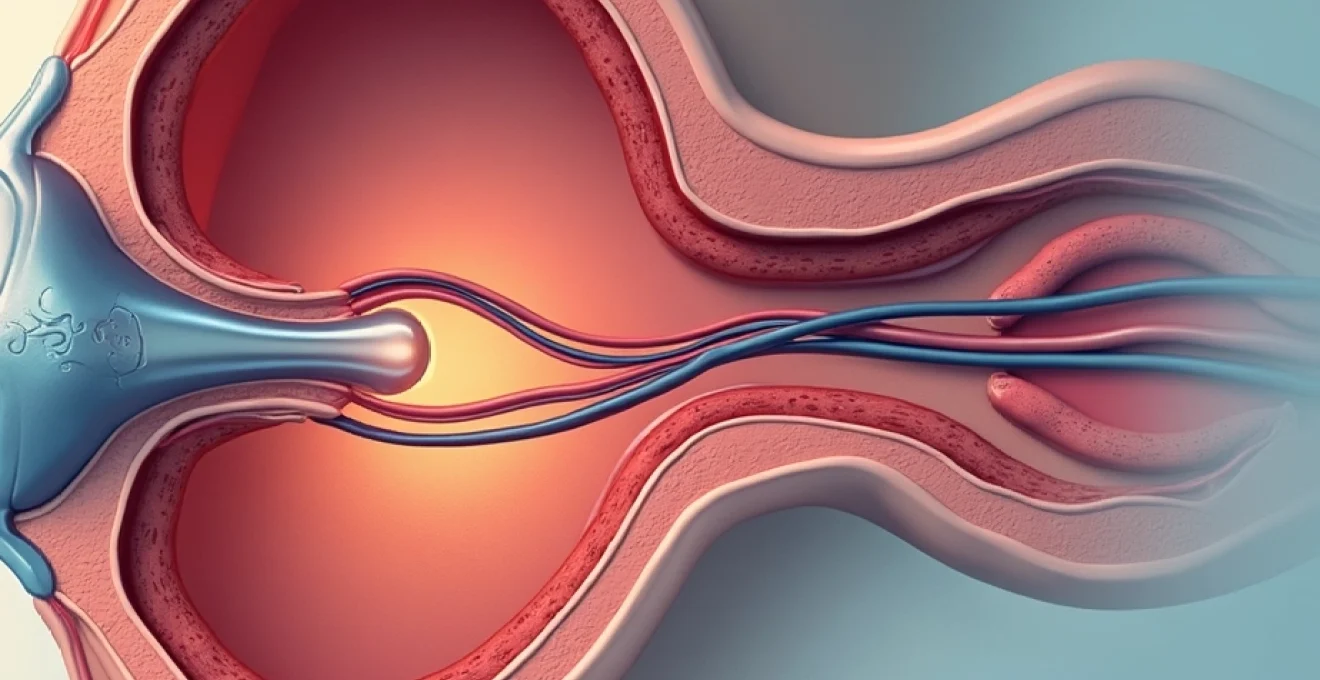
The distinctive helicopter-like sound in the ear represents one of the most unsettling auditory phenomena experienced by patients seeking otological consultation. This rhythmic, pulsating noise often mimics the steady thrum of rotor blades, creating a persistent disturbance that can significantly impact quality of life. Unlike static tinnitus characterised by constant ringing or buzzing, these helicopter-like sounds typically demonstrate a pulsatile nature, synchronising with heartbeat or breathing patterns. The complexity of this auditory symptom stems from its diverse underlying mechanisms, ranging from vascular abnormalities to neurological conditions affecting the auditory processing pathways.
Medical professionals increasingly recognise that helicopter-like ear sounds serve as important diagnostic indicators for various systemic and localised pathological processes. The temporal characteristics of these sounds, including their frequency, intensity, and correlation with physiological functions, provide crucial insights into potential underlying causes. Understanding the multifaceted nature of this symptom enables more targeted diagnostic approaches and effective treatment strategies for affected individuals.
Pulsatile tinnitus: rhythmic helicopter-like sound mechanisms
Pulsatile tinnitus represents the primary mechanism underlying helicopter-like sounds in the ear, characterised by rhythmic auditory sensations that synchronise with cardiovascular pulsations. This phenomenon occurs when blood flow through vessels near the inner ear creates audible turbulence, generating sounds that patients often describe as resembling aircraft rotor blades or mechanical engines. The proximity of major blood vessels to the delicate structures of the middle and inner ear makes the auditory system particularly susceptible to vascular-induced acoustic disturbances.
The pathophysiology of pulsatile tinnitus involves the transmission of vascular sounds through bone conduction or direct mechanical vibration of middle ear structures. When blood flow becomes turbulent due to vessel narrowing, increased pressure, or structural abnormalities, the resulting acoustic energy can be perceived as rhythmic sounds. The intensity and character of these sounds often correlate with blood pressure fluctuations, exercise levels, and postural changes, providing valuable diagnostic clues for healthcare professionals.
Vascular pulsations and blood flow turbulence in the inner ear
Vascular pulsations near the inner ear create helicopter-like sounds through complex mechanisms involving blood flow dynamics and acoustic transmission. The sigmoid sinus, carotid arteries, and jugular veins maintain close anatomical relationships with the temporal bone structures, making the ear particularly sensitive to cardiovascular changes. Turbulent blood flow through these vessels generates acoustic energy that can be transmitted through bone conduction to the cochlea, creating the characteristic rhythmic sounds patients describe as helicopter-like.
Blood flow turbulence increases significantly in conditions such as hypertension, anaemia, or hyperthyroidism, where increased cardiac output and altered blood viscosity contribute to acoustic phenomena. The temporal bone’s acoustic properties allow efficient transmission of these vascular sounds, particularly when structural changes in vessel walls or surrounding tissues enhance sound conduction. Understanding these mechanisms helps clinicians differentiate between benign vascular causes and more serious underlying pathology.
Arteriovenous malformations and dural arteriovenous fistulas
Arteriovenous malformations (AVMs) and dural arteriovenous fistulas represent serious vascular abnormalities that can produce prominent helicopter-like sounds in affected patients. These conditions involve abnormal connections between arteries and veins, bypassing the normal capillary bed and creating high-flow, low-resistance circuits. The turbulent blood flow through these abnormal vessels generates intense acoustic energy that patients often describe as loud, pulsating sounds resembling helicopter rotors or machinery.
Dural arteriovenous fistulas particularly affect the region around the ear, creating direct communications between meningeal arteries and venous sinuses. The high-pressure arterial flow into the venous system creates characteristic bruit sounds that can be heard both by the patient and occasionally by examining physicians using a stethoscope. Early recognition of these conditions proves crucial, as they can lead to serious complications including intracranial haemorrhage, venous hypertension, and progressive neurological deficits.
Carotid artery stenosis and jugular vein abnormalities
Carotid artery stenosis creates helicopter-like ear sounds through increased blood flow velocity and turbulence at the site of vessel narrowing. The internal carotid artery’s course through the temporal bone places it in close proximity to middle ear structures, making stenotic lesions particularly likely to generate audible symptoms. The characteristic whooshing or helicopter-like sounds typically synchronise with the cardiac cycle, becoming more prominent during periods of increased cardiac output or blood pressure elevation.
Jugular vein abnormalities, including jugular bulb diverticula and dehiscence, contribute to pulsatile tinnitus through altered venous flow patterns and direct mechanical effects on middle ear structures. These anatomical variations can create audible venous flow sounds, particularly when associated with increased central venous pressure. The jugular vein’s anatomical relationship to the middle ear makes even minor structural changes capable of producing significant acoustic symptoms in susceptible individuals.
Intracranial pressure changes and venous sinus stenosis
Intracranial pressure fluctuations significantly influence the development of helicopter-like ear sounds through effects on venous drainage and cerebrospinal fluid dynamics. Elevated intracranial pressure can cause venous sinus stenosis, creating turbulent blood flow and characteristic pulsatile sounds. This mechanism proves particularly relevant in conditions such as idiopathic intracranial hypertension, where increased pressure leads to sigmoid sinus narrowing and subsequent acoustic phenomena.
Venous sinus stenosis creates a cascade of haemodynamic changes that manifest as rhythmic ear sounds resembling helicopter blades. The stenotic segments generate turbulent flow patterns that transmit acoustic energy through the temporal bone to the inner ear. These pressure-related changes often demonstrate postural sensitivity, with symptoms varying based on head position and activities that influence intracranial pressure, such as coughing, straining, or changes in atmospheric pressure.
Middle ear pathology creating rhythmic acoustic disturbances
Middle ear pathology represents a significant category of conditions capable of generating helicopter-like sounds through various mechanical and inflammatory processes. The middle ear’s role as an acoustic amplifier and mechanical transmitter makes it particularly susceptible to producing rhythmic disturbances when normal function becomes compromised. Structural changes within the middle ear space, including inflammatory conditions, mechanical dysfunction, and muscular abnormalities, can create characteristic acoustic phenomena that patients perceive as helicopter-like sounds.
The middle ear’s complex mechanical system, involving the tympanic membrane, ossicular chain, and associated muscles, requires precise coordination to function normally. When pathological processes disrupt this delicate balance, various acoustic symptoms can emerge, including rhythmic sounds, clicking sensations, and pulsatile disturbances. Understanding the relationship between middle ear pathology and acoustic symptoms enables more accurate diagnosis and targeted treatment approaches for affected patients.
Eustachian tube dysfunction and pressure equalisation disorders
Eustachian tube dysfunction creates helicopter-like sounds through impaired pressure equalisation and abnormal middle ear ventilation. When the eustachian tube fails to open properly, negative pressure develops in the middle ear, causing the tympanic membrane to retract and creating mechanical stress on middle ear structures. This dysfunction can produce rhythmic sounds that coincide with swallowing, yawning, or other activities that influence eustachian tube function.
Patulous eustachian tube, conversely, involves abnormal tube patency that allows respiratory sounds and voice transmission to the middle ear, creating a different pattern of acoustic disturbances. Patients with this condition often describe hearing their own breathing and heartbeat as amplified, rhythmic sounds resembling machinery or helicopter blades. The condition’s relationship to weight loss, hormonal changes, and certain medications makes it an important consideration in differential diagnosis of pulsatile ear sounds.
Otosclerosis and stapedial fixation complications
Otosclerosis and stapedial fixation create unique acoustic phenomena through altered mechanical properties of the middle ear conduction system. The progressive fixation of the stapes footplate in otosclerosis can produce various sounds, including rhythmic clicking, pulsating sensations, and mechanical noises that patients may describe as helicopter-like. These symptoms typically accompany the characteristic progressive hearing loss associated with the condition.
The mechanical nature of otosclerotic changes means that acoustic symptoms often correlate with physical activities, head movements, and jaw function. The altered resonance characteristics of the fixed middle ear system can amplify certain frequencies while dampening others, creating the complex acoustic profile that includes rhythmic, mechanical sounds. Understanding these mechanical relationships helps differentiate otosclerosis from other causes of pulsatile tinnitus and guides appropriate treatment decisions.
Myoclonus of tensor tympani and stapedius muscles
Middle ear myoclonus involving the tensor tympani and stapedius muscles represents a specific cause of rhythmic ear sounds that can closely resemble helicopter blades or mechanical clicking. These small muscles normally contract reflexively in response to loud sounds, but pathological conditions can cause spontaneous, rhythmic contractions that create audible symptoms. The contractions typically produce rapid, repetitive sounds that may be described as fluttering, clicking, or helicopter-like by affected patients.
Tensor tympani syndrome specifically involves hyperactivity of the tensor tympani muscle, creating characteristic symptoms including ear fullness, pain, and rhythmic acoustic disturbances. The muscle’s attachment to the malleus means that contractions directly influence tympanic membrane tension and middle ear mechanics. These symptoms often demonstrate stress-related patterns and may be accompanied by facial muscle tension or temporomandibular joint dysfunction.
Chronic otitis media with effusion and inflammatory changes
Chronic otitis media with effusion creates helicopter-like sounds through fluid accumulation and inflammatory changes that alter middle ear acoustics. The presence of infected or sterile fluid in the middle ear space changes the mechanical properties of the conduction system, potentially creating bubbling, pulsating, or rhythmic sounds. These acoustic phenomena may correlate with head position, physical activity, or changes in atmospheric pressure that influence fluid distribution within the middle ear.
Inflammatory changes associated with chronic otitis media can affect vascular structures within the middle ear mucosa, potentially creating additional sources of pulsatile sounds. The combination of mechanical effects from fluid presence and vascular changes from inflammation creates a complex acoustic environment that can produce various rhythmic sounds. The condition’s chronic nature means that patients may develop adaptation mechanisms that alter their perception of these sounds over time.
Neurological conditions mimicking helicopter rotor sounds
Neurological conditions represent an important category of disorders capable of producing helicopter-like ear sounds through various mechanisms involving neural pathways, muscular control, and central auditory processing. These conditions often create rhythmic acoustic phenomena that can be difficult to distinguish from vascular or mechanical causes without careful clinical evaluation. The complexity of neurological involvement in auditory symptoms requires comprehensive assessment to identify underlying pathophysiology and guide appropriate treatment strategies.
The relationship between neurological function and auditory perception extends beyond simple sound transmission, involving complex interactions between peripheral and central nervous system components. When neurological conditions affect these pathways, patients may experience various acoustic symptoms, including rhythmic sounds, pulsations, and mechanical noises that can closely resemble helicopter-like sounds. Understanding these neurological mechanisms proves essential for accurate diagnosis and effective treatment planning.
Temporomandibular joint disorders and muscular spasm
Temporomandibular joint (TMJ) disorders create helicopter-like ear sounds through complex interactions between jaw mechanics, muscle tension, and middle ear function. The close anatomical relationship between the temporomandibular joint and the ear means that TMJ dysfunction can directly influence auditory symptoms through mechanical transmission and muscular effects. Muscle spasm associated with TMJ disorders can create rhythmic contractions that produce clicking, popping, or helicopter-like sounds that patients perceive as originating from within the ear.
Myofascial pain syndrome affecting the muscles of mastication can contribute to rhythmic ear sounds through referred pain mechanisms and direct muscular effects on middle ear function. The temporal muscle’s proximity to the ear and its role in jaw function means that spasm or hyperactivity can create acoustic symptoms that synchronise with jaw movement or muscle tension patterns. These symptoms often demonstrate clear relationships to stress, jaw clenching, and sleep bruxism, providing important diagnostic clues.
Trigeminal neuralgia and cranial nerve compression
Trigeminal neuralgia and other cranial nerve compression syndromes can produce helicopter-like ear sounds through altered neural signaling and referred symptom patterns. The trigeminal nerve’s extensive distribution includes branches that innervate structures around the ear, making trigeminal pathology capable of producing various acoustic symptoms. Nerve compression or irritation can create abnormal signaling patterns that the auditory system may interpret as rhythmic or pulsatile sounds.
Vascular compression of cranial nerves, particularly involving the eighth cranial nerve complex, can create pulsatile symptoms that synchronise with cardiovascular function. These neurovascular compression syndromes often produce symptoms that correlate with blood pressure changes, physical position, and activities that influence intracranial pressure. The rhythmic nature of these symptoms reflects the underlying vascular pulsation affecting the compressed neural structures.
Palatal myoclonus and essential tremor manifestations
Palatal myoclonus represents a specific neurological condition that can create rhythmic ear sounds resembling helicopter blades through involuntary contractions of soft palate muscles. These contractions can influence eustachian tube function and middle ear pressure, creating characteristic clicking or rhythmic sounds that patients may describe as mechanical or helicopter-like. The condition typically demonstrates consistent rhythmic patterns that can be observed clinically through direct visualisation of palatal movement.
Essential tremor manifestations in the head and neck region can contribute to acoustic symptoms through various mechanisms involving muscular control and vascular effects. When essential tremor affects muscles around the ear or influences blood flow patterns, patients may experience rhythmic acoustic disturbances that correlate with the tremor frequency. These symptoms often demonstrate characteristic responses to alcohol consumption and beta-blocker medications, providing important diagnostic information.
Multiple sclerosis and demyelinating disease effects
Multiple sclerosis and other demyelinating diseases can produce helicopter-like ear sounds through effects on central auditory pathways and neural signal transmission. Demyelinating lesions affecting the brainstem auditory pathways may create altered signal processing that manifests as various acoustic symptoms, including rhythmic sounds, pulsations, and mechanical noises. The episodic nature of multiple sclerosis symptoms means that acoustic disturbances may demonstrate relapsing-remitting patterns that correlate with disease activity.
Central auditory processing dysfunction associated with demyelinating disease can create complex acoustic symptoms that may include rhythmic or pulsatile components. These symptoms often accompany other neurological signs and may respond to disease-modifying treatments for the underlying condition. The relationship between demyelination and acoustic symptoms requires careful neurological evaluation to distinguish from peripheral causes of similar sounds.
Diagnostic methodology for rhythmic tinnitus assessment
Comprehensive diagnostic methodology for rhythmic tinnitus requires systematic evaluation combining detailed history-taking, physical examination, and targeted investigations to identify underlying causes of helicopter-like ear sounds. The diagnostic process must consider the multifactorial nature of these symptoms, evaluating vascular, neurological, and mechanical causes through appropriate clinical and instrumental assessments. Successful diagnosis depends on recognising subtle clinical clues that differentiate between various pathophysiological mechanisms.
Modern diagnostic approaches utilise advanced imaging techniques, audiological testing, and specialised investigations to characterise the underlying pathology responsible for rhythmic tinnitus. High-resolution computed tomography and magnetic resonance imaging provide detailed visualisation of temporal bone structures, vascular anatomy, and potential pathological changes. Audiological assessment, including tympanometry, acoustic reflex testing, and otoacoustic emissions, helps characterise the functional impact of underlying conditions on hearing and middle ear mechanics.
The key to successful diagnosis lies in correlating clinical symptoms with objective findings from appropriate investigations, recognising that multiple pathological processes may contribute to complex acoustic symptoms.
Specialized diagnostic techniques include magnetic resonance angiography for vascular assessment, temporal bone CT scanning for structural evaluation, and electrophysiological testing for neurological function assessment. The selection of appropriate investigations depends on clinical presentation, symptom characteristics, and preliminary examination findings. Multidisciplinary consultation involving otolaryngology, neurology, and radiology specialists often proves necessary for complex cases with unclear aetiology.
Patient history-taking must focus on symptom characteristics including timing, triggers, associated symptoms, and response to positional changes or physical manoeuvres. The relationship between symptoms and cardiovascular function, stress levels, medication use, and concurrent medical conditions provides crucial diagnostic information. Physical examination should include otoscopy, neurological assessment, cardiovascular evaluation, an
d assessment of temporomandibular joint function and vascular examination for bruits or pulsatile masses.
Pharmaceutical and ototoxic medication-induced auditory phenomena
Pharmaceutical agents represent a significant but often overlooked cause of helicopter-like ear sounds through various ototoxic mechanisms and drug-induced physiological changes. Many commonly prescribed medications can alter auditory function, create tinnitus, or influence vascular dynamics in ways that produce rhythmic acoustic symptoms. The temporal relationship between medication initiation or dosage changes and the onset of helicopter-like sounds provides crucial diagnostic information for healthcare professionals evaluating these symptoms.
Ototoxic medications affect the inner ear through direct cellular damage, altered neurotransmitter function, or secondary effects on blood flow and pressure regulation. Aminoglycoside antibiotics, loop diuretics, chemotherapy agents, and high-dose aspirin represent well-established ototoxic drugs that can produce various auditory symptoms including rhythmic tinnitus. The dose-dependent nature of many ototoxic effects means that symptoms may correlate with medication levels and duration of exposure.
Cardiovascular medications, particularly those affecting blood pressure and heart rhythm, can indirectly contribute to helicopter-like ear sounds through haemodynamic changes. Beta-blockers, ACE inhibitors, and diuretics can alter blood flow patterns, reduce cardiac output, or affect vascular tone in ways that influence the perception of vascular sounds near the ear. The relationship between medication effects and acoustic symptoms often becomes apparent through careful temporal correlation and systematic medication review.
Psychotropic medications, including antidepressants and antipsychotics, may contribute to tinnitus through effects on neurotransmitter systems involved in auditory processing. Selective serotonin reuptake inhibitors and tricyclic antidepressants have been associated with various forms of tinnitus, including rhythmic patterns that patients may describe as helicopter-like. The complex interactions between psychiatric medications and auditory symptoms require careful evaluation to balance therapeutic benefits with potential adverse effects on hearing.
Treatment protocols for helicopter-sound tinnitus management
Effective treatment protocols for helicopter-sound tinnitus require individualised approaches based on accurate diagnosis of underlying causes and comprehensive assessment of patient symptoms and impact on quality of life. The management strategy must address both the primary pathological process responsible for the acoustic symptoms and the secondary effects on patient wellbeing, sleep quality, and daily function. Successful treatment often involves multidisciplinary collaboration between otolaryngologists, audiologists, neurologists, and other specialists depending on the identified underlying cause.
Conservative management approaches form the foundation of treatment for many patients with helicopter-like tinnitus, focusing on symptom modification, stress reduction, and coping strategy development. Tinnitus retraining therapy combines directive counselling with low-level sound therapy to promote habituation and reduce the perceived intensity of acoustic symptoms. This approach proves particularly effective for patients whose symptoms stem from central auditory processing changes rather than specific structural abnormalities requiring surgical intervention.
Pharmacological interventions target specific underlying mechanisms identified through diagnostic evaluation, with treatment selection based on the pathophysiological processes contributing to helicopter-like sounds. Vascular causes may respond to blood pressure management, antiplatelet therapy, or specific treatments for conditions such as arteriovenous malformations. Neurological causes might require anticonvulsants, muscle relaxants, or treatments targeting specific conditions such as trigeminal neuralgia or multiple sclerosis.
Advanced treatment modalities include surgical interventions for specific anatomical abnormalities, endovascular procedures for vascular malformations, and innovative therapies such as transcranial magnetic stimulation or electrical stimulation techniques. The selection of advanced treatments depends on careful risk-benefit analysis, consideration of symptom severity, and patient preferences regarding invasive interventions. Long-term follow-up remains essential to monitor treatment effectiveness and adjust therapeutic approaches based on symptom evolution and patient response.
Lifestyle modifications and supportive measures complement medical treatments by addressing factors that may exacerbate helicopter-like tinnitus symptoms. Stress management techniques, sleep hygiene improvements, and avoidance of triggers such as caffeine, alcohol, or loud noise exposure can significantly improve patient outcomes. Education about the condition helps patients develop realistic expectations and effective coping strategies, reducing anxiety and improving quality of life even when complete symptom resolution cannot be achieved through available treatments.