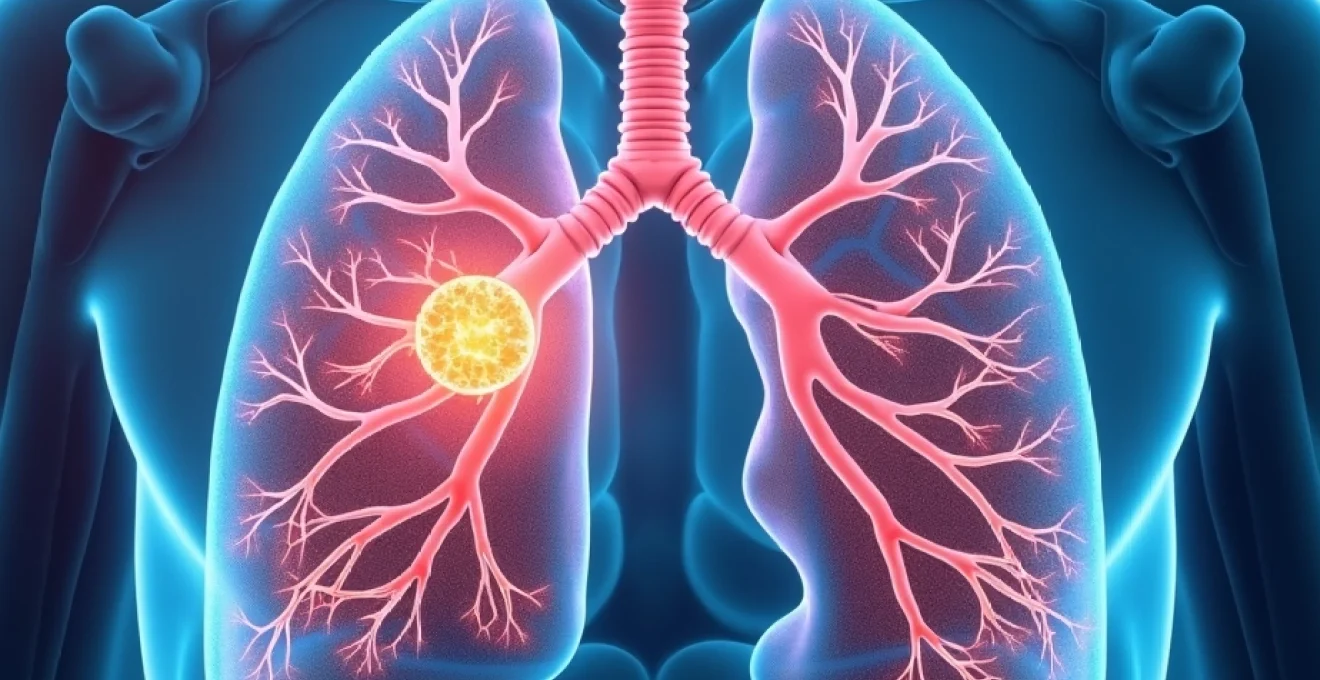
Discovering a 9-millimetre lung nodule during routine chest imaging often triggers immediate concern about cancer risk. This specific size threshold represents a critical decision point in pulmonary medicine, where diagnostic uncertainty meets the need for definitive action. At 9mm, lung nodules fall within a grey zone where malignancy rates hover around 15-20%, making them neither clearly benign nor obviously malignant. Understanding the clinical significance requires examining morphological characteristics, patient risk factors, and evidence-based management protocols that guide modern thoracic medicine.
Clinical significance of 9mm pulmonary nodules in radiological assessment
The 9-millimetre threshold holds particular importance in contemporary pulmonary nodule management because it represents the upper limit for conservative surveillance in many clinical guidelines. Research demonstrates that nodules measuring 8-10mm exhibit malignancy rates ranging from 18% to 25%, depending on patient demographics and morphological features. This size classification places them firmly within the intermediate-risk category, necessitating active diagnostic intervention rather than passive observation.
Current evidence suggests that nodule size alone cannot determine malignancy risk with sufficient precision. A 9mm nodule in a 35-year-old non-smoker carries vastly different implications compared to an identical lesion in a 70-year-old former smoker with chronic obstructive pulmonary disease. The integration of clinical context with radiological findings forms the cornerstone of modern nodule assessment protocols.
Statistical analysis from large-scale screening programmes reveals that approximately 60% of 9mm nodules remain stable over two-year follow-up periods, whilst 25% demonstrate growth patterns consistent with malignancy. The remaining 15% either decrease in size or resolve completely, often representing inflammatory or infectious processes. These data underscore the importance of comprehensive evaluation rather than relying solely on size measurements for risk stratification.
Contemporary imaging protocols now emphasise volumetric analysis over simple diameter measurements, as this approach provides more accurate assessment of growth kinetics. A 9mm nodule with doubling time calculations exceeding 400 days typically suggests benign pathology, whilst those demonstrating exponential growth patterns warrant immediate biopsy consideration. This temporal dimension adds crucial context to static size measurements and enhances diagnostic accuracy significantly.
Malignancy risk stratification using fleischner society guidelines
The Fleischner Society guidelines provide evidence-based recommendations for managing pulmonary nodules, with specific protocols addressing 9mm lesions based on patient risk profiles. These internationally recognised standards differentiate between low-risk and high-risk populations, acknowledging that identical nodule characteristics may warrant different management approaches depending on clinical context. For high-risk patients, 9mm nodules typically require surveillance CT imaging at 3-month intervals initially, followed by longer surveillance periods if stability is demonstrated.
Low-risk patients with 9mm nodules generally receive initial follow-up imaging at 6-12 months, reflecting the reduced probability of malignancy in this population. However, certain morphological features can override risk-based protocols, particularly when nodules exhibit spiculated margins, heterogeneous enhancement patterns, or associated lymphadenopathy. These characteristics elevate concern regardless of patient demographics and may prompt immediate tissue sampling.
Current guidelines emphasise that nodule management should never rely solely on size measurements, but must integrate patient risk factors, morphological characteristics, and growth kinetics to optimise diagnostic accuracy whilst minimising unnecessary interventions.
High-resolution CT morphological characteristics analysis
High-resolution computed tomography enables detailed morphological analysis that significantly influences malignancy risk assessment for 9mm nodules. Solid nodules with smooth, well-defined borders typically carry lower malignancy rates compared to those exhibiting irregular or spiculated margins. The presence of calcification patterns, particularly central or laminated calcification, strongly suggests benign aetiology and may obviate the need for aggressive surveillance protocols.
Modern CT protocols utilise thin-section imaging with 1-2mm slice thickness to optimise nodule characterisation. This technical approach reveals subtle morphological details that influence diagnostic confidence and subsequent management decisions. The ability to detect minimal ground-glass components or identify feeding vessel relationships provides crucial information for risk stratification purposes.
Spiculation and Ground-Glass component evaluation
Spiculated margins represent one of the most significant morphological predictors of malignancy in 9mm pulmonary nodules, with positive predictive values exceeding 80% in high-risk populations. These radiating linear strands extending from the nodule periphery reflect tumour invasion into surrounding parenchyma and strongly suggest adenocarcinoma histology. Recognition of spiculation patterns requires experienced radiological interpretation and optimal imaging parameters to avoid false-positive assessments.
Ground-glass components within 9mm nodules significantly alter malignancy risk calculations and management algorithms. Part-solid nodules containing both ground-glass and solid components demonstrate higher malignancy rates than purely solid lesions of equivalent size. The solid component measurement becomes the critical parameter for surveillance scheduling, as this represents the most aggressive tumour element requiring close monitoring.
Part-solid nodule classification according to Lung-RADS criteria
Lung-RADS classification system provides standardised reporting for pulmonary nodules detected during screening programmes, with specific categories addressing 9mm part-solid lesions. Category 4A encompasses part-solid nodules measuring 6-8mm in solid component, whilst Category 4B includes those with solid components exceeding 8mm. This distinction carries significant management implications, as Category 4B lesions typically require 3-month surveillance intervals and consideration for tissue sampling.
The solid component measurement becomes paramount when applying Lung-RADS criteria to 9mm nodules, as this parameter drives subsequent management decisions. A 9mm part-solid nodule with 3mm solid component receives different classification compared to one with 8mm solid component, despite identical overall dimensions. This nuanced approach reflects evolving understanding of adenocarcinoma spectrum pathology and its implications for patient outcomes.
Adenocarcinoma In-Situ probability assessment
Adenocarcinoma in-situ represents a pre-invasive lesion that frequently presents as ground-glass nodules or part-solid lesions with minimal solid components. Recognition of these early-stage malignancies has profound treatment implications, as surgical resection typically achieves 100% cure rates when performed appropriately. The challenge lies in distinguishing adenocarcinoma in-situ from inflammatory processes that may produce similar radiological appearances.
Statistical models incorporating patient demographics, nodule morphology, and growth kinetics can estimate adenocarcinoma in-situ probability with reasonable accuracy. These predictive tools become particularly valuable when counselling patients about surveillance versus intervention strategies, as they provide quantitative risk estimates rather than subjective clinical impressions. Integration of multiple risk factors enhances diagnostic confidence and supports informed decision-making processes.
Diagnostic imaging protocols for 9mm nodule investigation
Contemporary diagnostic algorithms for 9mm pulmonary nodules emphasise multimodal imaging approaches that combine morphological assessment with functional evaluation. Low-dose CT surveillance remains the primary monitoring tool, providing excellent spatial resolution whilst minimising radiation exposure during long-term follow-up protocols. However, the integration of positron emission tomography and contrast-enhanced imaging techniques adds valuable functional information that enhances diagnostic accuracy.
Protocol standardisation across institutions ensures consistent image quality and facilitates reliable comparison during surveillance periods. Technical parameters including slice thickness, reconstruction algorithms, and contrast timing significantly influence nodule characterisation accuracy. Modern imaging protocols incorporate artificial intelligence tools that assist radiologists in nodule detection, measurement, and risk stratification, though human expertise remains essential for complex diagnostic scenarios.
Low-dose CT surveillance intervals and technical parameters
Low-dose CT surveillance protocols for 9mm nodules typically employ radiation doses 70-80% lower than standard chest CT examinations whilst maintaining adequate image quality for nodule assessment. Technical optimisation includes tube current modulation, iterative reconstruction algorithms, and patient-specific protocols that minimise radiation exposure without compromising diagnostic capability. These advances enable long-term surveillance programmes with acceptable cumulative radiation risks.
Surveillance interval determination depends on initial nodule characteristics and patient risk factors, with high-risk scenarios warranting 3-month intervals initially. Stable nodules may transition to 6-month and subsequently annual surveillance schedules as confidence in benign behaviour increases. Protocol adherence becomes crucial for detecting subtle changes that may indicate malignant transformation or inflammatory resolution.
Positron emission Tomography-CT integration for SUV analysis
Positron emission tomography combined with CT provides functional assessment of glucose metabolism within 9mm pulmonary nodules, offering complementary information to morphological evaluation. Standardised uptake value measurements above 2.5 suggest increased metabolic activity consistent with malignancy, though false-positive results occur with inflammatory conditions. The combination of morphological and metabolic assessment significantly enhances diagnostic confidence compared to either modality alone.
Technical considerations for PET-CT evaluation include patient preparation protocols, image acquisition timing, and quantitative analysis methods that influence result interpretation. The dual-time-point imaging technique may improve diagnostic accuracy by exploiting differential retention patterns between malignant and inflammatory lesions. Integration of SUV measurements with clinical risk factors provides robust diagnostic frameworks for patient management decisions.
Contrast-enhanced imaging patterns in nodule characterisation
Contrast-enhanced CT evaluation reveals enhancement patterns that contribute to malignancy risk assessment in 9mm pulmonary nodules. Malignant lesions typically demonstrate heterogeneous enhancement with peak values exceeding 15-20 Hounsfield units, whilst benign nodules often show minimal or homogeneous enhancement patterns. Dynamic contrast protocols optimise timing for maximal differentiation between malignant and benign lesions.
Enhancement pattern analysis requires careful attention to technical factors including injection protocols, scan timing, and region-of-interest placement for accurate measurements. Quantitative enhancement assessment provides objective criteria that supplement morphological evaluation and support evidence-based management decisions. Integration with clinical risk factors enhances the diagnostic utility of contrast-enhanced imaging protocols.
Volumetric growth rate calculations using CAD software
Computer-aided detection software enables precise volumetric measurements that surpass traditional diameter-based assessments for detecting nodule growth. Volumetric doubling time calculations provide quantitative metrics for distinguishing malignant from benign growth patterns, with values below 400 days raising concern for malignancy. These automated tools reduce inter-observer variability and enhance the reliability of surveillance programmes.
Software algorithms account for technical factors including slice thickness, reconstruction parameters, and segmentation accuracy that influence volumetric measurements. Quality control measures ensure consistent measurement techniques across surveillance intervals, enabling reliable detection of subtle changes that may indicate malignant transformation. Integration with radiological workflow systems streamlines assessment processes whilst maintaining measurement precision.
Biopsy considerations and tissue sampling techniques
The decision to pursue tissue sampling for 9mm pulmonary nodules requires careful balance between diagnostic yield and procedural risks. Transthoracic needle biopsy represents the most common approach, achieving diagnostic accuracy rates exceeding 90% for nodules of this size when performed by experienced operators. However, pneumothorax rates range from 15-25%, necessitating careful patient selection and appropriate post-procedural monitoring protocols.
Bronchoscopic approaches, including endobronchial ultrasound-guided sampling and electromagnetic navigation systems, offer alternative tissue acquisition methods with lower pneumothorax risks. These techniques prove particularly valuable for centrally located nodules or patients with compromised pulmonary function who may not tolerate pneumothorax complications. The choice between approaches depends on nodule location, patient characteristics, and institutional expertise with specific techniques.
Emerging technologies including robotic bronchoscopy and cone-beam CT guidance promise enhanced precision for sampling 9mm nodules whilst minimising procedural complications. These innovations expand the range of lesions amenable to minimally invasive sampling and reduce the need for surgical excision in diagnostically challenging cases. Integration of real-time imaging guidance optimises sampling accuracy and reduces non-diagnostic rates that necessitate repeat procedures.
Molecular profiling of tissue samples obtained from 9mm nodules provides valuable prognostic information when malignancy is confirmed. Genetic testing for driver mutations influences treatment selection and enables personalised therapy approaches that improve patient outcomes. The adequacy of small biopsy samples for comprehensive molecular analysis continues improving with advances in testing methodologies and reduced tissue requirements.
Differential diagnosis spectrum for Sub-Centimetre pulmonary lesions
The differential diagnosis for 9mm pulmonary nodules encompasses a broad spectrum of pathological processes, with infectious granulomas representing the most common benign aetiology in many geographical regions. Histoplasmosis, coccidioidomycosis, and tuberculosis frequently produce nodular lesions that may remain stable for extended periods, complicating differentiation from malignancy based on imaging characteristics alone. Regional epidemiology significantly influences the likelihood of specific infectious aetiologies.
Inflammatory conditions including rheumatoid arthritis, sarcoidosis, and organising pneumonia can produce nodular lesions indistinguishable from malignancy on routine imaging. These conditions often require tissue sampling for definitive diagnosis, particularly when occurring in high-risk populations where malignancy cannot be excluded based on clinical parameters alone. The temporal relationship between systemic symptoms and nodule detection may provide diagnostic clues in appropriate clinical contexts.
Benign neoplasms such as hamartomas and intrapulmonary lymph nodes occasionally present as 9mm nodules, though characteristic imaging features often suggest their benign nature. Hamartomas may demonstrate pathognomonic fat or calcium content on CT imaging, whilst intrapulmonary lymph nodes typically exhibit homogeneous enhancement patterns. Recognition of these benign entities prevents unnecessary invasive procedures whilst ensuring appropriate surveillance protocols.
Metastatic disease represents a significant consideration for 9mm pulmonary nodules, particularly in patients with known malignancy histories. Common primary tumours including breast, colorectal, and renal cell carcinomas frequently metastasise to the lungs, producing nodular lesions that may be indistinguishable from primary lung cancer. The temporal relationship between primary tumour treatment and nodule detection influences the likelihood of metastatic disease and subsequent management strategies.
Multidisciplinary team management pathways and Follow-Up protocols
Multidisciplinary team evaluation ensures comprehensive assessment of 9mm pulmonary nodules by integrating expertise from pulmonology, thoracic surgery, radiology, and pathology disciplines. These collaborative approaches optimise diagnostic accuracy whilst minimising unnecessary procedures through evidence-based decision-making processes. Regular team meetings facilitate discussion of complex cases where standard protocols may not provide clear management guidance.
Patient counselling represents a crucial component of multidisciplinary care, ensuring informed decision-making regarding surveillance versus intervention strategies. The psychological impact of nodule detection requires sensitive communication that balances realistic risk assessment with appropriate reassurance about benign outcomes. Educational resources and support services help patients navigate the uncertainty inherent in nodule management protocols.
Long-term follow-up protocols extend beyond initial diagnostic evaluation to encompass surveillance programmes that may continue for several years. Protocol standardisation ensures consistent care delivery whilst accommodating individual patient circumstances that may influence surveillance intervals or imaging techniques. Quality assurance measures monitor adherence to established protocols and identify opportunities for continuous improvement in patient care delivery.
Integration with electronic health records enables automated surveillance scheduling and facilitates communication between healthcare providers involved in long-term nodule management. These technological solutions reduce the risk of surveillance lapses whilst maintaining comprehensive documentation of imaging findings and management decisions. The incorporation of artificial intelligence tools promises further enhancement of surveillance programmes through automated nodule tracking and risk assessment capabilities that support clinical decision-making processes whilst maintaining the essential role of human expertise in complex diagnostic scenarios.