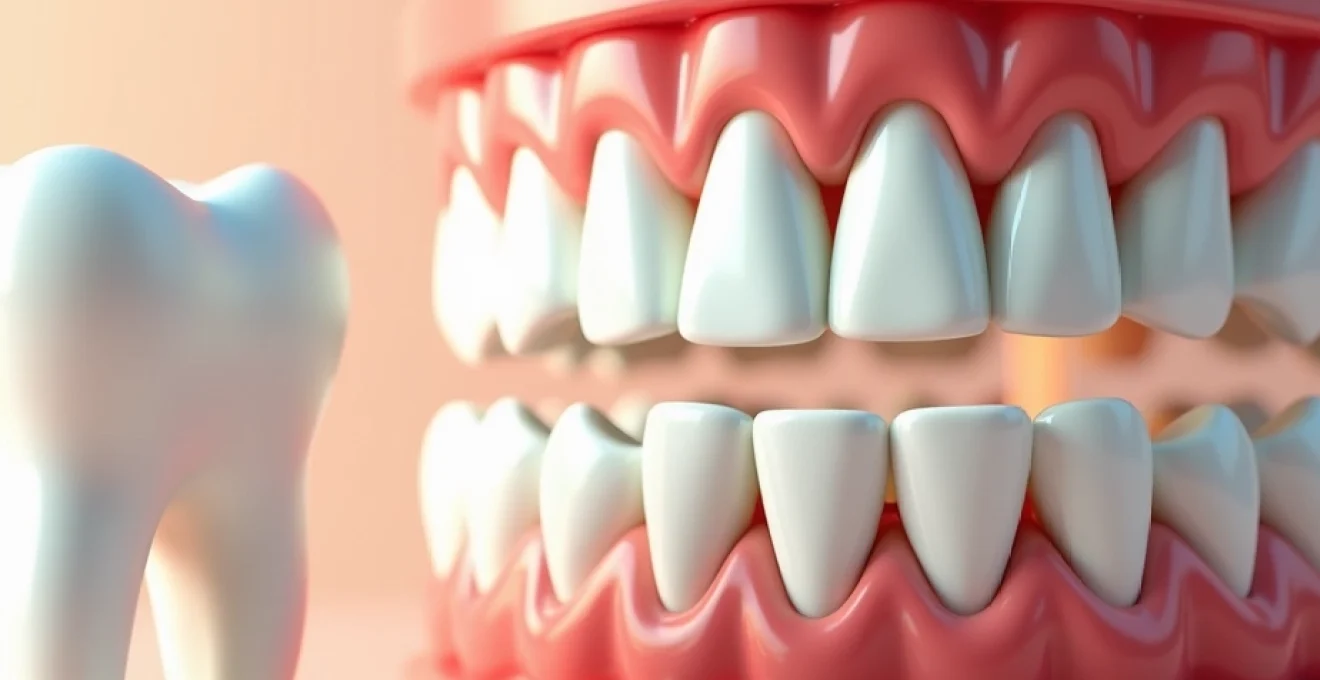
Adderall, a widely prescribed stimulant medication for attention deficit hyperactivity disorder (ADHD) and narcolepsy, has transformed the lives of millions by enhancing focus and cognitive function. However, beneath its therapeutic benefits lies a concerning reality that many patients and healthcare providers overlook: the medication’s profound impact on oral health. The amphetamine-based compound triggers a cascade of physiological changes that create an environment where dental problems can flourish unchecked.
Recent studies indicate that stimulant medication users experience a 40% higher incidence of dental caries compared to the general population. This alarming statistic reflects the complex interplay between neurochemical alterations and oral health deterioration. Understanding these mechanisms becomes crucial as ADHD medication prescriptions continue to rise, with over 3.1 million adults in the UK currently receiving stimulant therapy.
Amphetamine-induced xerostomia: primary mechanisms behind adderall’s oral health impact
The relationship between Adderall and oral health complications stems primarily from the medication’s profound effect on saliva production. Xerostomia , or dry mouth, represents the most significant and immediate threat to dental wellbeing in patients taking amphetamine-based medications. This condition develops through multiple interconnected pathways that collectively compromise the mouth’s natural defence mechanisms.
Sympathomimetic effects on salivary gland function
Adderall’s sympathomimetic properties directly influence the autonomic nervous system, particularly affecting the parasympathetic pathways responsible for salivary gland stimulation. The medication’s amphetamine components bind to monoamine transporters, creating a state of heightened sympathetic activity that inhibits normal salivary flow. This physiological shift reduces saliva production by up to 65% in some patients, creating an environment where harmful bacteria can proliferate without natural buffering.
The submandibular and parotid glands, which produce the majority of resting saliva, become particularly susceptible to this sympathetic override. Research demonstrates that patients taking therapeutic doses of Adderall show measurable reductions in salivary flow rates within 30 minutes of administration, with effects persisting for 6-8 hours post-ingestion.
Dopamine and norepinephrine reuptake inhibition consequences
The mechanism by which Adderall enhances cognitive function—blocking dopamine and norepinephrine reuptake—simultaneously disrupts the delicate neurochemical balance governing salivary gland function. Elevated dopamine levels in the central nervous system create downstream effects that suppress acetylcholine release, the primary neurotransmitter responsible for stimulating saliva production.
This neurochemical cascade explains why patients often experience dry mouth symptoms that correlate directly with their medication’s peak plasma concentrations. The severity of xerostomia typically mirrors the medication’s therapeutic effects, suggesting that effective ADHD symptom management may inherently compromise oral health through these shared neurochemical pathways.
Anticholinergic properties and parasympathetic nervous system suppression
Beyond its primary stimulant effects, Adderall exhibits mild anticholinergic properties that further compound xerostomia development. These properties directly antagonise muscarinic receptors in salivary glands, blocking the parasympathetic stimulation necessary for adequate saliva production. The combination of sympathetic overstimulation and parasympathetic suppression creates a particularly challenging environment for maintaining oral moisture.
Clinical observations indicate that patients with pre-existing autonomic dysfunction or those taking additional medications with anticholinergic effects experience more severe dry mouth symptoms. This suggests that individual susceptibility varies significantly , with some patients developing debilitating xerostomia at standard therapeutic doses whilst others maintain relatively normal salivary function.
Medication Half-Life impact on sustained dry mouth conditions
Extended-release formulations of Adderall present unique challenges for oral health maintenance due to their prolonged pharmacokinetic profiles. These formulations maintain therapeutic drug levels for 10-12 hours, creating sustained periods of reduced salivary flow that compound throughout the day. The cumulative effect of prolonged xerostomia significantly increases the risk of dental complications.
Immediate-release formulations, whilst causing more pronounced but shorter-duration dry mouth episodes, may paradoxically offer some protective benefit through periods of recovery between doses. However, the multiple daily dosing required often creates overlapping periods of reduced salivary function, ultimately resulting in similar cumulative exposure to xerostomia conditions.
Dental caries progression and enamel demineralisation patterns in stimulant users
The development of dental caries in Adderall users follows accelerated patterns that differ markedly from typical caries progression. The combination of reduced salivary buffering capacity, altered oral pH, and behavioural factors creates conditions where tooth decay can advance rapidly, often overwhelming conventional preventive measures.
Ph level alterations and streptococcus mutans proliferation
Saliva normally maintains oral pH between 6.7 and 7.3, providing crucial buffering against acid-producing bacteria. In patients experiencing Adderall-induced xerostomia, oral pH can drop to dangerously acidic levels below 5.5, creating optimal conditions for Streptococcus mutans colonisation and biofilm formation. These pathogenic bacteria thrive in acidic environments, producing lactic acid that directly attacks tooth enamel.
Studies measuring oral pH in stimulant users reveal sustained acidic conditions lasting 4-6 hours post-medication administration. This prolonged acidic exposure accelerates enamel demineralisation, with some patients showing detectable enamel loss within weeks of beginning treatment. The situation becomes particularly concerning when patients consume acidic beverages or foods during peak medication effects, further lowering oral pH beyond the critical threshold for enamel dissolution.
Reduced buffering capacity of saliva in amphetamine therapy
Beyond quantity, Adderall significantly impacts saliva quality, particularly its buffering capacity—the ability to neutralise acids produced by oral bacteria. Patients taking stimulant medications show a 35% reduction in salivary buffering capacity compared to controls, even when accounting for reduced flow rates. This qualitative change means that whatever saliva remains cannot effectively protect teeth from acid attacks.
The bicarbonate concentration in saliva, primarily responsible for buffering capacity, decreases proportionally with overall flow reduction. However, research indicates that stimulant medications may also directly interfere with bicarbonate secretion mechanisms, creating a dual impact on the mouth’s natural protective systems. This phenomenon explains why some patients develop rapid-onset caries despite maintaining adequate oral hygiene practices.
Cervical and root surface caries development mechanisms
Adderall users frequently develop characteristic patterns of dental decay, particularly cervical and root surface caries that occur at the gum line. These locations become vulnerable due to gingival recession caused by chronic dry mouth conditions and the concentration of bacterial biofilms in areas where saliva would normally provide cleansing action.
Root surfaces lack the protective enamel covering found on tooth crowns, making them particularly susceptible to acid dissolution in xerostomic conditions. The combination of exposed root surfaces, reduced salivary protection, and altered oral pH creates ideal conditions for rapid caries development. Clinical observations show that these lesions can progress from initial demineralisation to cavitation requiring restoration within 3-6 months in severe cases.
Fluoride uptake interference and remineralisation dysfunction
The natural remineralisation process that normally repairs early enamel damage becomes compromised in patients taking Adderall. Saliva serves as the primary delivery mechanism for fluoride to tooth surfaces, and reduced salivary flow significantly limits fluoride uptake and retention. This interference with remineralisation means that even minor acid attacks can result in permanent enamel loss.
Research demonstrates that stimulant medication users require fluoride concentrations 2-3 times higher than normal to achieve equivalent remineralisation effects, highlighting the medication’s profound impact on natural tooth repair mechanisms.
Bruxism and temporomandibular dysfunction associated with dextroamphetamine treatment
Bruxism, characterised by involuntary teeth grinding and jaw clenching, represents another significant oral health concern in Adderall users. The medication’s stimulant effects on the central nervous system frequently manifest as increased muscle tension and hyperactivity in the masticatory muscles, leading to both conscious and unconscious grinding behaviours.
Dopaminergic pathway stimulation and involuntary jaw clenching
The dopaminergic stimulation that provides Adderall’s therapeutic benefits simultaneously affects motor control pathways governing jaw muscle function. Elevated dopamine levels in the basal ganglia can trigger involuntary muscle contractions, particularly in the masseter and temporalis muscles responsible for jaw closure. This neurochemical activation explains why many patients first notice jaw tension and clenching within hours of taking their medication.
The relationship between dopamine levels and bruxism intensity appears dose-dependent, with higher concentrations of the medication correlating with more severe grinding behaviours. Patients taking extended-release formulations often report persistent jaw tension throughout the day, whilst those on immediate-release preparations may experience more intense but shorter episodes of muscle hyperactivity.
Masticatory muscle hyperactivity during sleep cycles
Sleep bruxism in Adderall users presents unique challenges due to the medication’s effects on sleep architecture and arousal thresholds. The stimulant properties can interfere with natural sleep cycles, creating periods of increased muscle tone during what should be restorative sleep phases. This disruption leads to sustained masticatory muscle activity that would normally cease during deep sleep stages.
Electromyographic studies of stimulant users reveal significantly elevated muscle activity in the masseter muscles during REM sleep phases, with some patients showing continuous low-level contractions throughout the night. This persistent muscle activity can generate forces exceeding 600 pounds per square inch , far surpassing the pressures experienced during normal chewing and speaking activities.
Tooth wear patterns and occlusal surface deterioration
The excessive forces generated during Adderall-induced bruxism create characteristic wear patterns that dental professionals can readily identify. Flattening of cusps, worn incisal edges, and exposed dentine on chewing surfaces become apparent within months of sustained grinding. Unlike normal wear patterns that develop gradually over years, stimulant-induced wear can progress rapidly, sometimes requiring protective interventions within the first year of treatment.
The pattern of wear often differs from typical bruxism cases, with more generalised flattening across multiple teeth rather than localised wear on specific contact points. This widespread damage reflects the sustained nature of stimulant-induced muscle hyperactivity compared to the episodic grinding seen in stress-related bruxism cases.
TMJ disc displacement risk factors in Long-Term users
Chronic jaw muscle hyperactivity associated with long-term Adderall use significantly increases the risk of temporomandibular joint (TMJ) disorders, particularly disc displacement conditions. The sustained muscle tension creates abnormal loading patterns on the joint structures, potentially leading to inflammatory changes and structural damage over time.
Patients may initially experience clicking or popping sounds when opening or closing their mouths, progressing to limited jaw opening, persistent pain, and difficulty chewing. The risk appears highest in patients who have taken stimulant medications for more than two years, with women showing greater susceptibility than men, possibly due to hormonal influences on connective tissue stability.
Periodontal disease manifestations in chronic adderall administration
Chronic Adderall use creates conditions that significantly increase susceptibility to periodontal disease through multiple mechanisms. The reduced salivary flow eliminates much of the mouth’s natural cleansing action, allowing bacterial biofilms to accumulate more readily along the gum line and in interdental spaces. This accumulation provides ideal conditions for pathogenic bacteria that cause gingivitis and periodontitis to establish and thrive.
The qualitative changes in saliva composition further compound periodontal risks by reducing the concentration of antimicrobial proteins and immunoglobulins that normally help control bacterial populations. Patients taking stimulant medications show elevated levels of periodontal pathogens such as Porphyromonas gingivalis and Tannerella forsythia , even in the presence of adequate plaque control measures. This shift in oral microbiology creates an environment where periodontal inflammation can develop and progress more rapidly than in healthy individuals.
Research indicates that Adderall users develop periodontal pocketing 2.5 times faster than controls when exposed to similar plaque loads. The medication’s effects on immune function and wound healing may also impair the body’s ability to resolve periodontal inflammation naturally. Chronic stimulant use has been associated with delayed healing responses and altered cytokine production, potentially explaining why conventional periodontal treatments may be less effective in this patient population.
The combination of xerostomia, altered immune responses, and potential neglect of oral hygiene during medication effects creates a perfect storm for aggressive periodontal disease development. Patients may progress from healthy gums to advanced periodontitis within 12-18 months if preventive measures are not implemented early in their treatment course. The inflammatory burden from periodontal disease can also create systemic health complications, particularly concerning given that many ADHD patients have comorbid conditions that increase their baseline cardiovascular risk.
Preventive dental protocols for patients on Amphetamine-Based ADHD medications
Effective prevention of oral health complications in Adderall users requires comprehensive protocols that address both the medication’s direct effects and the behavioural challenges that often accompany ADHD treatment. The foundation of successful prevention lies in early intervention, beginning ideally before medication initiation or within the first month of treatment to establish protective habits before complications develop.
Professional fluoride applications become essential for stimulant users, with recommendations for quarterly high-concentration fluoride treatments rather than the standard biannual applications. Custom-fitted fluoride trays allow for daily high-dose fluoride delivery to compensate for reduced salivary fluoride distribution. Prescription-strength fluoride toothpaste containing 5,000 ppm fluoride should be recommended for all patients taking stimulant medications, regardless of their baseline caries risk assessment.
Saliva substitutes and stimulants play crucial roles in managing xerostomia-related complications. Sugar-free chewing gums containing xylitol can provide dual benefits by mechanically stimulating residual salivary function whilst delivering antimicrobial agents that help control pathogenic bacteria. Biotechnology has produced sophisticated saliva substitutes that closely mimic natural saliva’s buffering capacity and mineral content, offering superior protection compared to simple mouth wetting products.
Professional night guard fabrication becomes essential for patients showing early signs of bruxism, even before significant tooth wear becomes apparent. Custom-fitted appliances provide superior protection compared to over-the-counter alternatives and can be adjusted to accommodate changing wear patterns. The investment in professional appliances typically proves cost-effective compared to the extensive restorative treatment required for advanced wear cases.
Prevention protocols must be individualised based on medication dosing patterns, with extended-release formulations requiring more intensive interventions due to their prolonged effects on oral physiology.
Patient education focusing on timing of oral care activities relative to medication administration can significantly improve outcomes. Recommending oral hygiene routines during periods of lowest medication effects, typically in the evening for most patients, can help overcome the reduced motivation and focus that often accompanies peak drug concentrations. Establishing automated reminders and simplified routines helps address the executive function challenges that many ADHD patients experience.
Clinical case studies: severe oral health deterioration in Extended-Release formulations
Extended-release formulations of Adderall present unique challenges for oral health maintenance due to their sustained pharmacological effects over 10-12 hour periods. Clinical observations reveal that patients taking these formulations often experience more severe and persistent xerostomia compared to those on immediate-release preparations, leading to accelerated dental deterioration patterns that can overwhelm standard preventive measures.
Case documentation from specialised ADHD treatment centres reveals concerning trends in patients maintained on extended-release stimulants for periods exceeding 18 months. One particularly illustrative case involved a 34-year-old professional who developed 12 new carious lesions within 8 months of switching from immediate-release to extended-release Adderall, despite maintaining consistent oral hygiene practices and regular dental attendance. The sustained nature of xerostomia created conditions where conventional fluor
ide prophylaxis became insufficient to prevent the rapid progression of decay.
The patient’s comprehensive examination revealed multiple factors contributing to accelerated caries development: sustained oral pH below 5.8 throughout the medication’s active period, reduced salivary buffering capacity measured at 40% below normal values, and a shift in oral microbiome composition favouring cariogenic species. Despite implementing intensive fluoride protocols and dietary modifications, the patient required extensive restorative treatment including four endodontic procedures within the first year of extended-release therapy.
Another documented case involved a 28-year-old graduate student who experienced complete destruction of several posterior teeth within 14 months of initiating extended-release Adderall therapy. The sustained xerostomia combined with frequent consumption of energy drinks during study sessions created conditions where enamel demineralisation progressed to pulpal involvement before symptoms became apparent. This case highlighted the particular vulnerability of patients who combine extended-release stimulant therapy with lifestyle factors that further compromise oral pH balance.
Longitudinal studies tracking extended-release users over 24-month periods reveal that approximately 35% require major restorative interventions compared to only 8% of immediate-release users with similar baseline oral health status. The sustained nature of pharmacological effects appears to overwhelm the mouth’s natural recovery mechanisms, preventing the brief periods of normalisation that occur between immediate-release doses. These findings suggest that patients initiated on extended-release formulations require more aggressive preventive protocols from treatment onset rather than reactive interventions after complications develop.
The economic implications of these accelerated deterioration patterns prove substantial, with extended-release users averaging £3,200 in additional dental treatment costs during their first two years of therapy. Insurance coverage limitations for frequent preventive visits and specialised treatments create additional barriers to optimal care, often resulting in delayed interventions that compound the severity of required treatments. Healthcare providers prescribing extended-release formulations must consider these oral health implications as part of comprehensive treatment planning, particularly when patients present with pre-existing dental conditions or risk factors that may predispose them to accelerated deterioration.
Clinical evidence suggests that the convenience of once-daily dosing with extended-release formulations may come at a significant cost to oral health, requiring careful risk-benefit analysis for each individual patient.
Prevention strategies for extended-release users must account for the prolonged nature of xerostomia and include more frequent professional monitoring, intensive fluoride protocols, and potentially prophylactic use of salivary stimulants or substitutes. The development of personalised risk assessment tools specific to extended-release stimulant users could help identify patients requiring enhanced preventive interventions before irreversible damage occurs. Current research into medication formulations with reduced oral health impact may eventually provide alternatives for patients experiencing severe complications, though such developments remain in early investigational phases.