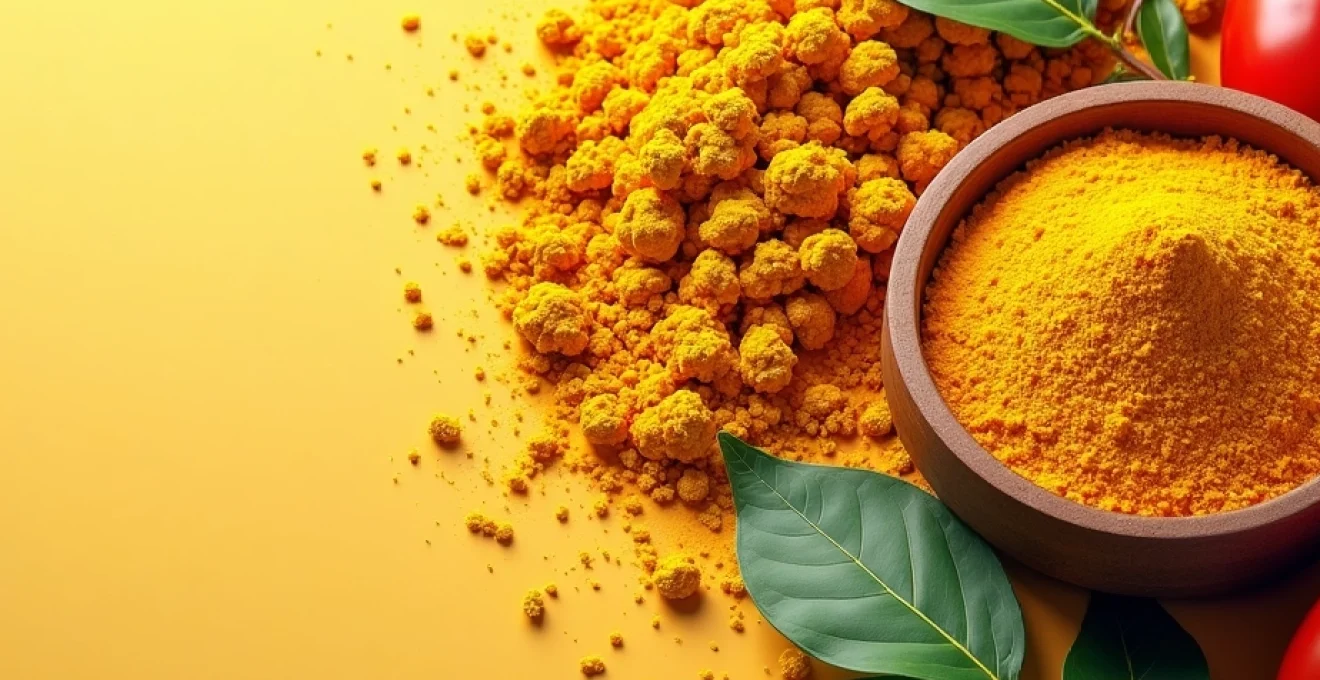
The vibrant colours and aromatic spices found in traditional curry dishes have captivated food enthusiasts for centuries, but recent scientific research has revealed something far more intriguing than their culinary appeal. Laboratory studies and clinical trials now suggest that the key compounds in curry spices, particularly curcumin from turmeric, may possess potent anti-inflammatory properties that could rival conventional pharmaceutical interventions. As chronic inflammation increasingly emerges as a underlying factor in numerous health conditions, from arthritis to cardiovascular disease, the therapeutic potential of these ancient spices has garnered significant attention from the medical research community. However, the question remains whether consuming curry in its traditional form can deliver the same benefits demonstrated in controlled laboratory settings.
Curcumin bioavailability and Anti-Inflammatory mechanisms in human physiology
The primary bioactive compound responsible for turmeric’s anti-inflammatory effects is curcumin, a polyphenolic molecule that comprises approximately 2-8% of most turmeric preparations. This golden-yellow pigment demonstrates remarkable anti-inflammatory activity through multiple cellular pathways, yet its therapeutic efficacy is significantly hampered by poor bioavailability in the human digestive system. When consumed orally, curcumin undergoes rapid metabolism in the liver, where it is conjugated with glucuronic acid and sulphate, rendering most of the compound inactive before it can exert its beneficial effects throughout the body.
Curcumin’s inhibition of nuclear factor-kappa B (NF-κB) pathway
The nuclear factor-kappa B pathway represents one of the most critical inflammatory signalling mechanisms in human cells, and curcumin’s ability to suppress this pathway forms the cornerstone of its anti-inflammatory action. When inflammatory stimuli activate NF-κB, this transcription factor migrates to the cell nucleus and promotes the expression of numerous pro-inflammatory genes, including those encoding cytokines like interleukin-6 and tumour necrosis factor-alpha. Curcumin effectively blocks this cascade by preventing the degradation of IκB proteins, which normally keep NF-κB sequestered in the cellular cytoplasm in an inactive state.
Cyclooxygenase-2 (COX-2) enzyme suppression through turmeric compounds
Beyond its effects on NF-κB signalling, curcumin also demonstrates significant inhibitory activity against cyclooxygenase-2, the enzyme responsible for producing inflammatory prostaglandins. This mechanism parallels the action of conventional non-steroidal anti-inflammatory drugs (NSAIDs), yet curcumin appears to achieve similar results without the gastrointestinal side effects commonly associated with long-term NSAID use. Research indicates that curcumin selectively targets COX-2 whilst leaving COX-1 relatively unaffected, potentially preserving the protective functions of COX-1 in maintaining gastric mucosa integrity.
Interleukin-6 and TNF-α cytokine modulation in clinical studies
Clinical investigations have consistently demonstrated curcumin’s capacity to reduce circulating levels of key inflammatory cytokines, particularly interleukin-6 and TNF-α. These signalling molecules play central roles in perpetuating chronic inflammatory states and are elevated in conditions ranging from rheumatoid arthritis to metabolic syndrome. A systematic review of randomised controlled trials found that curcumin supplementation resulted in significant reductions in both IL-6 and TNF-α levels, with effect sizes comparable to those achieved with conventional anti-inflammatory medications.
Curcumin’s multi-targeted approach to inflammation modulation sets it apart from single-pathway pharmaceutical interventions, potentially offering broader therapeutic benefits with fewer adverse effects.
Bioavailability challenges: First-Pass metabolism and glucuronidation
The primary limitation preventing curcumin from achieving its full therapeutic potential lies in its extensive first-pass metabolism through the liver’s phase II detoxification pathways. Glucuronidation and sulphation reactions rapidly convert curcumin into water-soluble metabolites that are readily eliminated through urinary excretion, resulting in plasma concentrations that may be insufficient for meaningful anti-inflammatory effects. Studies indicate that peak plasma concentrations of free curcumin rarely exceed 2-5 nanomolar following oral administration of standard doses, far below the concentrations required for optimal cellular uptake.
Piperine enhancement and liposomal delivery systems
Innovative approaches to enhancing curcumin bioavailability have emerged from pharmaceutical research, with piperine co-administration representing the most widely adopted strategy. Piperine, the alkaloid responsible for black pepper’s pungency, inhibits glucuronidation enzymes and can increase curcumin bioavailability by up to 2000%. Additionally, liposomal encapsulation technologies and curcumin-phosphatidylcholine complexes have shown promise in improving absorption rates, though these formulations are not typically found in traditional curry preparations.
Scientific evidence from randomised controlled trials on curry spice Anti-Inflammatory properties
The transition from laboratory observations to clinical reality requires robust evidence from well-designed human studies, and the research landscape surrounding curry spices has expanded considerably over the past decade. Multiple randomised controlled trials have investigated the anti-inflammatory effects of curcumin supplementation, though most studies have utilised concentrated extracts rather than whole curry preparations. This distinction proves crucial when evaluating whether consuming curry as part of a regular diet can deliver meaningful therapeutic benefits.
Turmeric supplementation studies in rheumatoid arthritis patients
Several pivotal studies have examined curcumin’s efficacy in managing rheumatoid arthritis, a chronic inflammatory condition characterised by joint pain, stiffness, and progressive cartilage destruction. A landmark randomised controlled trial involving 126 participants compared curcumin supplementation (500mg three times daily) with conventional NSAID therapy over eight weeks. Results demonstrated that curcumin achieved comparable reductions in joint tenderness and swelling scores, whilst participants reported fewer gastrointestinal side effects compared to the NSAID group. Importantly, inflammatory markers including C-reactive protein and erythrocyte sedimentation rate showed significant improvements in the curcumin-treated patients.
Systematic reviews of curcumin efficacy in inflammatory bowel disease
Inflammatory bowel diseases, including ulcerative colitis and Crohn’s disease, represent another therapeutic area where curcumin has demonstrated considerable promise. A comprehensive systematic review analysing eight randomised controlled trials found that curcumin supplementation significantly improved clinical symptoms and endoscopic findings in patients with ulcerative colitis. The therapeutic mechanisms appeared to involve modulation of intestinal barrier function and reduction of mucosal inflammatory infiltrates. However, the heterogeneity of dosing regimens and study populations limits the ability to establish definitive treatment protocols.
Meta-analysis results on C-Reactive protein reduction
C-reactive protein serves as a reliable biomarker for systemic inflammation, and multiple meta-analyses have examined curcumin’s effects on CRP levels across diverse patient populations. A recent meta-analysis encompassing 15 randomised controlled trials with over 1,200 participants revealed that curcumin supplementation resulted in a weighted mean difference of -1.44 mg/L in CRP concentrations. This reduction represents a clinically meaningful decrease that could translate to reduced cardiovascular disease risk and improved overall inflammatory status.
Comparative studies: curcumin vs NSAIDs in osteoarthritis management
Direct comparative studies between curcumin and conventional NSAIDs have provided some of the most compelling evidence for curcumin’s therapeutic potential. A multi-centre trial involving 367 patients with knee osteoarthritis randomised participants to receive either curcumin extract (500mg twice daily) or diclofenac sodium (50mg twice daily) for 28 days. Both treatments achieved similar improvements in pain scores and functional assessment measures, yet the curcumin group experienced significantly fewer adverse events, particularly gastrointestinal complications. These findings suggest that curcumin could represent a safer long-term alternative for managing chronic inflammatory conditions.
The accumulating evidence from randomised controlled trials supports curcumin’s anti-inflammatory efficacy, though questions remain regarding optimal dosing and delivery methods for achieving consistent therapeutic outcomes.
Active compounds analysis: curcuminoids, volatile oils and phenolic content
Traditional curry preparations contain a complex matrix of bioactive compounds that extend far beyond curcumin alone, and understanding this broader phytochemical profile is essential for evaluating curry’s overall anti-inflammatory potential. The three primary curcuminoids found in turmeric—curcumin, demethoxycurcumin, and bisdemethoxycurcumin—each contribute unique anti-inflammatory properties, whilst the volatile oil fraction contains additional therapeutic compounds including ar-turmerone and α-turmerone. These volatile components demonstrate independent anti-inflammatory activity and may enhance the bioavailability of curcuminoids through synergistic mechanisms.
Other curry spices contribute their own distinctive anti-inflammatory compounds to the overall therapeutic profile. Coriander contains linalool and geraniol, volatile compounds that exhibit COX-2 inhibitory activity and may reduce prostaglandin E2 production. Ginger provides gingerols and shogaols, which demonstrate potent inhibition of 5-lipoxygenase and subsequent leukotriene synthesis. Black pepper contributes piperine, which not only enhances curcumin absorption but also possesses independent anti-inflammatory properties through NF-κB pathway modulation. The cumulative effect of these diverse compounds may produce additive or synergistic anti-inflammatory benefits that exceed what any single component could achieve alone.
The phenolic content of whole curry preparations varies considerably depending on the specific spice blend, processing methods, and storage conditions. Fresh spices generally contain higher concentrations of volatile oils and heat-sensitive compounds compared to dried preparations, though the convenience and shelf-stability of dried spices make them more practical for regular consumption. Standardised analysis of commercial curry powders reveals significant variation in curcumin content, ranging from 0.5% to 5% by weight, highlighting the importance of quality sourcing when seeking therapeutic benefits from traditional preparations.
Traditional curry preparations vs standardised curcumin extracts: therapeutic dosage considerations
The gap between laboratory efficacy and real-world therapeutic outcomes becomes particularly evident when comparing traditional curry consumption with standardised supplement protocols used in clinical trials. Most successful curcumin studies have employed daily doses ranging from 500mg to 1000mg of purified curcumin, equivalent to consuming approximately 15-30 grams of turmeric powder daily. This represents a substantially higher intake than typical curry consumption, where a serving might contain 1-3 grams of turmeric powder, delivering perhaps 20-150mg of curcumin depending on the recipe and turmeric quality.
However, traditional curry preparations may offer certain advantages that standardised extracts cannot replicate. The combination of multiple anti-inflammatory spices creates a synergistic therapeutic matrix that could potentially achieve meaningful benefits at lower individual compound concentrations. Additionally, curry is typically consumed with fats and other food components that may enhance absorption and bioavailability through mechanisms not present in isolated supplement formulations. The presence of natural piperine from black pepper in traditional curry blends provides some bioavailability enhancement, though at levels considerably lower than therapeutic supplement combinations.
Population studies from India, where curry consumption is both frequent and culturally integrated, provide intriguing observational evidence for potential long-term anti-inflammatory benefits. Epidemiological data suggests lower rates of certain inflammatory conditions in populations with high curry consumption, though these associations cannot definitively establish causation due to numerous confounding variables including overall dietary patterns, lifestyle factors, and genetic differences. Nevertheless, these population-level observations support the hypothesis that regular, moderate curry consumption might contribute to inflammatory disease prevention through cumulative effects over time.
Contraindications and drug interactions: warfarin, chemotherapy and gallstone risks
Despite curry’s generally favourable safety profile in culinary contexts, therapeutic doses of curcumin and other curry compounds can present significant interactions with certain medications and medical conditions. Curcumin demonstrates anticoagulant properties that can potentiate the effects of warfarin and other blood-thinning medications, potentially increasing bleeding risk. Patients taking anticoagulant therapy should exercise caution with high-dose curcumin supplements and may need more frequent monitoring of international normalised ratio (INR) values if consuming therapeutic quantities of curry spices.
The interaction between curcumin and chemotherapy agents represents another area requiring careful consideration. Whilst some research suggests curcumin may enhance the efficacy of certain chemotherapy drugs through complementary mechanisms, other studies indicate potential interference with drug metabolism and cellular uptake. The complex pharmacokinetic interactions between curcumin and conventional cancer treatments necessitate close medical supervision and careful timing of administration to avoid compromising therapeutic outcomes.
Individuals with gallstones or bile duct obstruction should approach high-dose turmeric consumption with particular caution, as curcumin can stimulate bile production and potentially exacerbate existing conditions.
Gastrointestinal sensitivity represents the most commonly reported adverse effect associated with concentrated curcumin intake, particularly when consumed on an empty stomach. Symptoms may include nausea, dyspepsia, and diarrhoea, though these effects are generally dose-dependent and resolve with dosage reduction or discontinuation. Individuals with pre-existing gastric conditions, including peptic ulcers or gastroesophageal reflux disease, may experience symptom exacerbation with high-dose curcumin supplementation, though moderate curry consumption rarely produces such effects.
Pregnancy and lactation present additional considerations for therapeutic curcumin use, as insufficient safety data exists regarding high-dose supplementation during these critical periods. Whilst culinary use of curry spices appears safe during pregnancy, concentrated curcumin extracts should be avoided due to potential effects on uterine contractions and foetal development. The hormonal modulation properties of certain curry compounds may also influence oestrogen metabolism, though the clinical significance of these interactions requires further investigation to establish definitive guidelines for vulnerable populations.