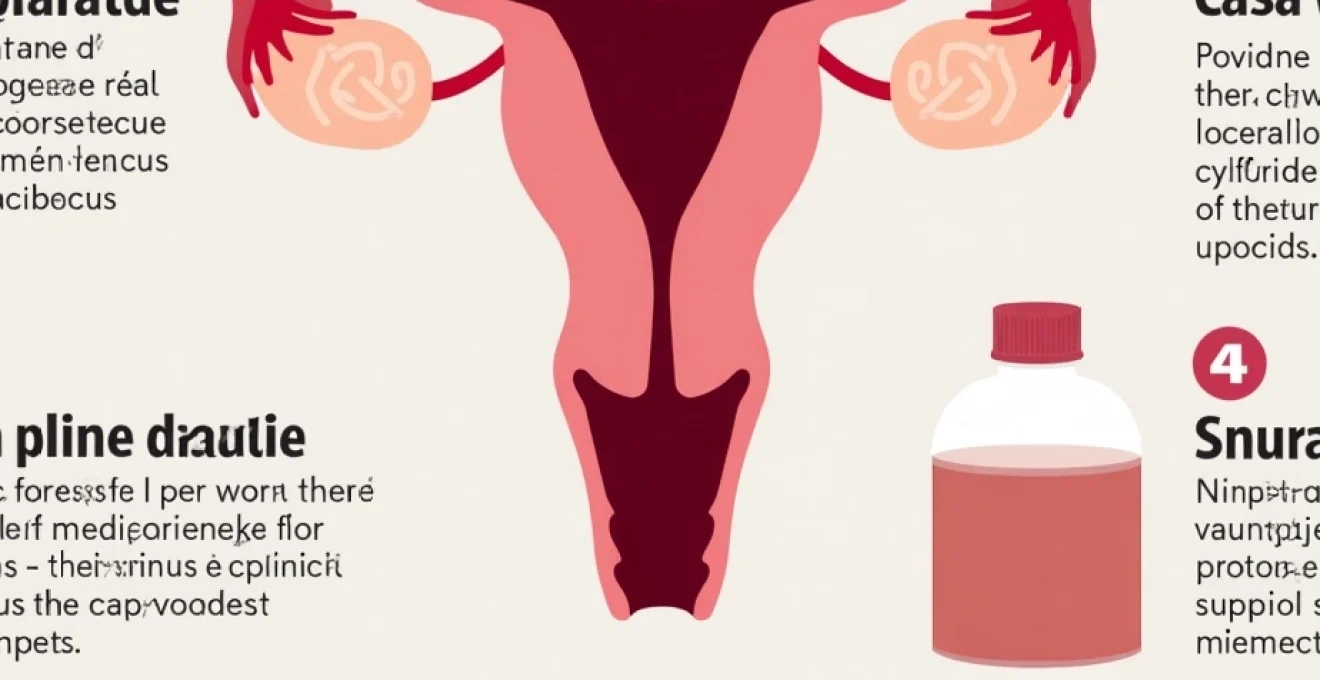
The debate surrounding hydrogen peroxide’s safety for vaginal applications has intensified in recent years, particularly as women increasingly seek alternative treatments for bacterial vaginosis and other intimate health concerns. While hydrogen peroxide naturally occurs in small quantities within healthy vaginal tissues, the deliberate application of commercial preparations raises significant medical safety questions. Understanding the complex interactions between this powerful oxidising agent and delicate vaginal tissues is crucial for making informed healthcare decisions.
Current medical evidence suggests that vaginal hydrogen peroxide use carries substantial risks that far outweigh any potential benefits. The vaginal environment represents one of the body’s most sensitive ecosystems, requiring careful pH balance and specific bacterial populations to maintain optimal health. Disrupting this delicate balance can lead to cascading complications that may prove more challenging to treat than the original condition.
Hydrogen peroxide chemical properties and vaginal tissue interactions
The chemical composition of hydrogen peroxide (H₂O₂) makes it a potent antimicrobial agent, but this same property poses significant risks when applied to sensitive vaginal tissues. Understanding how this compound interacts with vaginal epithelium provides crucial insights into why medical professionals express serious concerns about its topical use.
Oxidative mechanisms of 3% hydrogen peroxide on vaginal epithelium
Commercial hydrogen peroxide solutions, typically containing 3% active ingredient, exert their antimicrobial effects through powerful oxidative mechanisms. When these solutions contact vaginal epithelial cells, they release oxygen radicals that can damage cellular membranes and protein structures. The vaginal epithelium, being particularly thin and vascular, becomes especially vulnerable to oxidative stress from hydrogen peroxide exposure.
Research demonstrates that hydrogen peroxide’s oxidative action doesn’t discriminate between pathogenic bacteria and beneficial microorganisms. This non-selective antimicrobial activity can result in widespread destruction of the vaginal microbiome, potentially creating conditions more favourable for opportunistic infections. The indiscriminate nature of hydrogen peroxide’s action makes it unsuitable for maintaining vaginal health, where bacterial balance is paramount.
Ph alteration effects on lactobacillus acidophilus colonies
Healthy vaginal environments maintain an acidic pH between 3.8 and 4.5, primarily through the metabolic activities of beneficial Lactobacillus species. These bacteria produce lactic acid and hydrogen peroxide naturally, creating an inhospitable environment for pathogenic organisms. However, introducing external hydrogen peroxide disrupts this carefully regulated system.
Studies indicate that hydrogen peroxide applications can temporarily alkalinise vaginal pH, creating conditions that suppress Lactobacillus growth whilst potentially favouring harmful bacteria. This pH disruption can persist for several days following application, during which time the vaginal environment remains vulnerable to colonisation by pathogenic organisms. The recovery of normal pH levels and beneficial bacterial populations may take weeks, during which recurrent infections become increasingly likely.
Cellular damage pathways in vaginal mucosa exposure
The mechanisms through which hydrogen peroxide damages vaginal mucosal tissues involve multiple cellular pathways. Oxidative stress from hydrogen peroxide exposure triggers inflammatory cascades that can lead to tissue oedema, increased vascular permeability, and cellular death. These processes manifest clinically as burning sensations, irritation, and potential chemical burns.
Microscopic examination of vaginal tissues exposed to hydrogen peroxide reveals characteristic changes including epithelial cell swelling, intercellular junction disruption, and basement membrane damage. These structural alterations compromise the vaginal barrier function , potentially increasing susceptibility to sexually transmitted infections and other pathogens. The healing process following hydrogen peroxide-induced tissue damage can take several weeks, during which symptoms may worsen rather than improve.
Concentration-dependent tissue penetration dynamics
The extent of hydrogen peroxide penetration into vaginal tissues correlates directly with solution concentration and contact time. Even diluted preparations can penetrate several cell layers deep, causing damage beyond the superficial epithelium. Higher concentrations increase the risk of deep tissue injury, whilst longer contact times amplify the oxidative damage regardless of concentration.
Pharmacokinetic studies demonstrate that hydrogen peroxide’s tissue penetration follows non-linear dynamics, with small increases in concentration resulting in disproportionately greater tissue damage. This unpredictable dose-response relationship makes it virtually impossible to determine safe application parameters for vaginal use. The narrow margin between potential antimicrobial benefit and tissue toxicity renders hydrogen peroxide unsuitable for routine vaginal applications.
Clinical evidence against vaginal hydrogen peroxide applications
Professional medical organisations worldwide have established clear positions regarding vaginal hydrogen peroxide use, consistently advising against such applications based on extensive clinical evidence and safety considerations.
American college of obstetricians and gynaecologists safety guidelines
The American College of Obstetricians and Gynaecologists (ACOG) explicitly recommends against vaginal douching with any substance, including hydrogen peroxide. Their guidelines emphasise that douching disrupts normal vaginal flora and increases the risk of pelvic inflammatory disease, bacterial vaginosis, and sexually transmitted infections. ACOG’s position statement notes that no clinical evidence supports the safety or efficacy of hydrogen peroxide for vaginal health maintenance .
Clinical data referenced in ACOG guidelines demonstrate that women who engage in regular douching, particularly with antiseptic solutions like hydrogen peroxide, experience higher rates of reproductive tract infections compared to those who avoid such practices. These findings have led to strong recommendations for healthcare providers to actively discourage patients from using hydrogen peroxide or similar substances for vaginal care.
FDA warnings on Off-Label vaginal antiseptic use
The United States Food and Drug Administration (FDA) has issued specific warnings regarding the off-label use of topical antiseptics, including hydrogen peroxide, for vaginal applications. These warnings highlight the lack of safety data supporting such use and emphasise the potential for serious adverse reactions. The FDA’s position reflects concerns about consumer access to potent antimicrobial agents without proper medical supervision.
Regulatory documentation reveals numerous adverse event reports associated with vaginal hydrogen peroxide use, including chemical burns, severe irritation, and exacerbation of existing infections. The FDA’s warning system specifically flags hydrogen peroxide as inappropriate for internal vaginal use , citing insufficient safety data and documented harm reports from consumers who attempted such applications.
Royal college of obstetricians and gynaecologists position statement
The Royal College of Obstetricians and Gynaecologists (RCOG) maintains similar positions to their American counterparts, strongly advising against vaginal antiseptic applications including hydrogen peroxide. Their clinical guidelines emphasise that vaginal tissues require minimal intervention and that aggressive antiseptic treatments often worsen rather than improve symptoms.
RCOG’s evidence-based recommendations highlight the importance of preserving natural vaginal ecosystems and avoiding interventions that disrupt bacterial balance. Their position papers cite multiple studies demonstrating that antiseptic douching increases rather than decreases infection rates, contrary to popular beliefs about cleansing benefits.
Peer-reviewed studies on vaginal microbiome disruption
Extensive research published in peer-reviewed journals consistently demonstrates that hydrogen peroxide applications cause significant disruption to vaginal microbiome diversity and stability. Longitudinal studies tracking bacterial populations before and after hydrogen peroxide exposure reveal dramatic reductions in beneficial Lactobacillus species alongside increases in potentially pathogenic organisms.
Molecular analyses using advanced sequencing techniques show that microbiome recovery following hydrogen peroxide exposure can take months rather than weeks. During this recovery period, women experience increased susceptibility to recurrent bacterial vaginosis, yeast infections, and urinary tract infections.
The scientific consensus clearly indicates that hydrogen peroxide’s antimicrobial properties are too broad-spectrum and destructive for safe vaginal application.
Case reports of chemical burns and vaginal trauma
Medical literature contains numerous case reports documenting severe chemical burns and tissue trauma resulting from vaginal hydrogen peroxide applications. These cases typically involve women who used undiluted or concentrated hydrogen peroxide solutions, often based on internet recommendations or misguided attempts at infection treatment.
Clinical presentations in these cases include severe burning pain, tissue necrosis, abnormal discharge, and secondary infections requiring intensive medical treatment. Recovery often involves extended courses of antibiotics, anti-inflammatory medications, and sometimes surgical intervention to repair damaged tissues. These documented cases serve as stark reminders of hydrogen peroxide’s potential for causing serious harm when used inappropriately.
Vaginal microbiome disruption from hydrogen peroxide exposure
The vaginal microbiome represents a complex ecosystem where multiple bacterial species maintain delicate equilibrium to protect against pathogens and maintain optimal pH conditions. Hydrogen peroxide exposure fundamentally disrupts this ecosystem through mechanisms that extend far beyond simple antimicrobial activity. Understanding these disruption patterns helps explain why hydrogen peroxide applications often worsen rather than improve vaginal health conditions.
Research using advanced microbiome analysis techniques reveals that hydrogen peroxide exposure causes immediate and dramatic shifts in bacterial population dynamics. Beneficial Lactobacillus species, which normally comprise 90% or more of healthy vaginal bacteria, can be reduced to less than 10% within hours of hydrogen peroxide application. This dramatic population shift creates ecological niches that opportunistic pathogens quickly exploit, leading to symptomatic infections that may persist for weeks or months.
The recovery process following hydrogen peroxide-induced microbiome disruption follows predictable patterns, though individual variation can be substantial. Initially, facultative anaerobic bacteria such as Gardnerella vaginalis and various Streptococcus species proliferate in the altered environment. These organisms produce metabolic byproducts that further alkalinise vaginal pH, creating a self-reinforcing cycle that prevents Lactobacillus recovery. This cascading effect explains why single hydrogen peroxide applications can trigger chronic, recurring vaginal infections .
Longitudinal studies tracking microbiome recovery demonstrate that complete restoration of pre-exposure bacterial diversity can take 3-6 months, assuming no additional disruptions occur during the recovery period. During this extended recovery phase, women experience increased susceptibility to sexually transmitted infections, as the protective bacterial barrier remains compromised. The economic and psychological burden of managing these prolonged symptoms often exceeds the cost and complexity of appropriate medical treatment for the original condition.
Molecular mechanisms underlying microbiome disruption involve hydrogen peroxide’s effect on bacterial cell walls, metabolic pathways, and intercellular communication systems. Lactobacillus species, despite producing hydrogen peroxide naturally, lack the protective mechanisms necessary to survive exposure to concentrated external sources. Their cell membranes become permeable to the oxidising agent, leading to rapid cell death and population collapse.
The irony that hydrogen peroxide destroys the very bacteria responsible for natural hydrogen peroxide production highlights the fundamental flaw in using this substance for vaginal health.
Medical-grade alternatives for vaginal health maintenance
Professional medical practice offers numerous safe, effective alternatives to hydrogen peroxide for maintaining vaginal health and treating bacterial infections. These evidence-based approaches prioritise microbiome preservation while addressing specific pathogenic concerns through targeted therapeutic mechanisms.
Povidone-iodine vaginal solutions for bacterial vaginosis
Povidone-iodine represents a clinically validated alternative for treating bacterial vaginosis, with extensive research supporting its safety and efficacy profile. Unlike hydrogen peroxide, povidone-iodine formulations designed for vaginal use incorporate buffering agents that maintain appropriate pH levels while providing antimicrobial activity. Clinical trials demonstrate cure rates exceeding 85% for bacterial vaginosis when povidone-iodine is used according to established protocols.
The mechanism of action for povidone-iodine involves gradual iodine release, providing sustained antimicrobial activity without the intense oxidative burst characteristic of hydrogen peroxide. This controlled release allows selective targeting of pathogenic bacteria whilst minimising impact on beneficial Lactobacillus populations. The gentler antimicrobial profile makes povidone-iodine suitable for repeated use when necessary , unlike hydrogen peroxide which becomes increasingly harmful with multiple applications.
Prescription metronidazole gel applications
Metronidazole gel remains the gold standard for bacterial vaginosis treatment, offering targeted antimicrobial activity against anaerobic bacteria without significantly disrupting Lactobacillus populations. The topical formulation provides high local concentrations while minimising systemic absorption and associated side effects. Clinical efficacy rates consistently exceed 90% when patients complete the full treatment course as prescribed.
The selective antimicrobial spectrum of metronidazole specifically targets the pathogenic bacteria responsible for bacterial vaginosis symptoms whilst preserving the acidic environment necessary for Lactobacillus recovery. This targeted approach allows natural microbiome restoration to occur alongside pathogen elimination, reducing recurrence rates compared to broad-spectrum antimicrobial treatments. Treatment protocols typically involve 5-7 days of application, with symptom resolution occurring within 48-72 hours of initiation.
Probiotic lactobacillus suppository formulations
Pharmaceutical-grade Lactobacillus suppositories provide direct microbiome restoration through introduction of carefully selected bacterial strains known to colonise vaginal tissues effectively. These formulations contain billions of viable organisms specifically chosen for their ability to adhere to vaginal epithelium, produce lactic acid, and generate natural hydrogen peroxide in therapeutically appropriate concentrations.
Clinical studies demonstrate that probiotic suppositories can prevent recurrent bacterial vaginosis episodes when used as maintenance therapy following antibiotic treatment. The restoration of natural bacterial balance provides long-term protection against pathogenic colonisation whilst maintaining optimal pH conditions. This biological approach addresses the root cause of recurrent infections rather than simply treating symptoms , offering superior long-term outcomes compared to repetitive antimicrobial treatments.
Gynaecological saline irrigation techniques
Sterile saline irrigation, when performed under medical supervision, provides gentle cleansing without disrupting vaginal pH or bacterial populations. This technique involves carefully controlled volume and pressure parameters to avoid forcing fluid into the upper reproductive tract whilst effectively removing inflammatory debris and excess discharge.
Medical-grade saline solutions maintain isotonic concentrations that prevent cellular damage whilst providing mechanical cleansing action. The neutral pH of properly formulated saline prevents the alkalinisation effects associated with other irrigation solutions, allowing natural acidification processes to continue unimpeded. Professional administration ensures appropriate technique and sterile conditions, minimising risks of introducing additional pathogens during the procedure.
Emergency protocol for accidental vaginal hydrogen peroxide contact
Accidental exposure to hydrogen peroxide in the vaginal area requires immediate medical attention to minimise tissue damage and prevent complications. The emergency response protocol involves specific steps designed to neutralise the oxidising agent whilst protecting delicate tissues from further harm.
Initial management focuses on copious irrigation with sterile saline or clean water to dilute and remove residual hydrogen peroxide. The irrigation should continue for at least 15-20 minutes, using gentle pressure to avoid forcing contaminated fluid deeper into vaginal tissues. Time is critical in preventing chemical burns , as hydrogen peroxide continues causing tissue damage until completely neutralised or removed.
Following initial irrigation, patients should seek immediate medical evaluation to assess the extent of tissue damage and determine appropriate treatment. Healthcare providers will examine for signs of chemical burns, including tissue blanching, oedema, and epithelial damage. Pain management may require prescription medications, as over-the-counter analgesics often provide insufficient relief for hydrogen peroxide-induced tissue injury.
Monitoring for secondary complications continues for several weeks following exposure, as damaged tissues remain susceptible to bacterial infections and delayed healing complications. Patients should avoid sexual activity, tampons, and any additional vaginal products until complete tissue healing occurs.
The severity of hydrogen peroxide injuries often becomes apparent only after 24-48 hours, making professional medical assessment essential even when initial symptoms seem mild.
Follow-up care typically involves serial examinations to monitor healing progress and identify any signs of secondary infection or abnormal tissue repair. Depending on the extent of initial damage, complete recovery may require several weeks, during which patients need careful monitoring and supportive care. The psychological impact of such injuries can be significant, and healthcare providers should address concerns about long-term effects on sexual function and reproductive health throughout the recovery process.