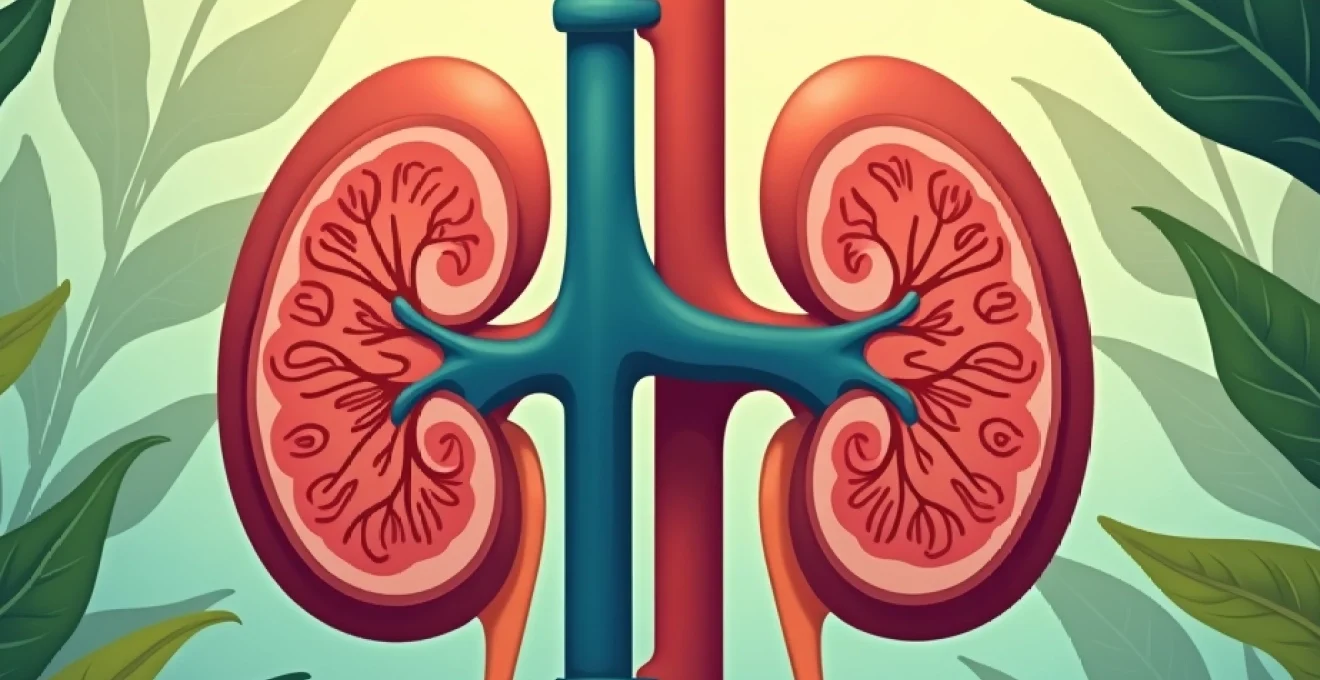
The increasing popularity of kava across Western nations has sparked significant concern amongst healthcare professionals regarding its potential impact on renal function. This traditional Pacific Islander beverage, derived from the Piper methysticum plant, has gained traction as a natural alternative to pharmaceutical anxiolytics, yet emerging clinical evidence suggests that its effects on kidney health may be more complex than initially understood. Recent case studies, including a particularly alarming incident at the University of Rochester Medical Center, have documented severe acute kidney injury following kava consumption, raising critical questions about the safety profile of this botanical supplement.
The nephrotoxic potential of kava becomes particularly concerning when examining documented cases of rhabdomyolysis-induced renal failure. Healthcare practitioners must now grapple with understanding the intricate mechanisms by which kavalactones interact with renal tissue, the dosage thresholds that precipitate toxicity, and the clinical factors that may predispose certain individuals to kava-related kidney damage. As regulatory bodies worldwide continue to evaluate the safety of kava products, medical professionals require comprehensive knowledge of its renal implications to make informed treatment decisions and provide appropriate patient counselling.
Kava’s chemical composition and renal metabolism pathways
The pharmacokinetic profile of kava’s active compounds reveals a complex interaction with renal tissue that extends far beyond simple filtration and excretion. Understanding these metabolic pathways becomes crucial for healthcare professionals seeking to evaluate the nephrotoxic potential of this increasingly popular botanical supplement.
Kavalactone structure and bioavailability in kidney tissue
The eighteen distinct kavalactones present in kava root demonstrate varying degrees of renal bioavailability, with kavain, dihydrokavain, methysticin, dihydromethysticin, yangonin, and desmethoxyyangonin representing the most pharmacologically active constituents. These lipophilic compounds readily cross cellular membranes within the nephron, accumulating preferentially in proximal tubular cells where their concentration can exceed plasma levels by factors of three to five. The structural similarity of certain kavalactones to known nephrotoxic compounds suggests potential mechanisms for direct cellular damage through mitochondrial dysfunction and oxidative stress pathways.
Research indicates that the bioavailability of kavalactones in renal tissue varies significantly based on the extraction method and preparation technique employed. Traditional aqueous preparations demonstrate lower tissue penetration compared to alcohol-based extracts or standardised pharmaceutical preparations. This differential bioavailability may partially explain the discrepancy between traditional Pacific Islander usage patterns and the nephrotoxic events reported in Western populations consuming concentrated kava products.
Cytochrome P450 enzyme systems in kava processing
The metabolism of kavalactones within the kidney involves multiple cytochrome P450 enzyme systems, particularly CYP2D6, CYP1A2, and CYP3A4. Genetic polymorphisms affecting these enzyme systems create substantial inter-individual variation in kava metabolism, with approximately 12% of Caucasian populations demonstrating poor metaboliser phenotypes compared to less than 1% of Pacific Islander populations. This genetic variation may explain the increased susceptibility to kava-induced nephrotoxicity observed in certain ethnic groups.
The inhibition of specific CYP450 enzymes by kavalactones creates potential for dangerous drug interactions that can exacerbate renal toxicity. Concurrent administration of medications metabolised through these pathways can lead to elevated plasma concentrations of both the pharmaceutical agent and kava metabolites, creating a synergistic nephrotoxic effect that exceeds the risk associated with either substance alone.
Renal clearance mechanisms for kavain and methysticin
The primary kavalactones kavain and methysticin undergo distinct renal clearance pathways that influence their potential for nephrotoxicity. Kavain demonstrates predominantly active tubular secretion through organic anion transporters, whilst methysticin relies more heavily on passive glomerular filtration. These differential clearance mechanisms create varying residence times within different nephron segments, with methysticin showing prolonged exposure in distal tubular cells where it may interfere with electrolyte balance and cellular energy production.
Studies examining urine concentrations of kavalactone metabolites reveal that renal elimination accounts for approximately 60-70% of total body clearance for most compounds. However, this clearance rate demonstrates significant saturation at higher doses, leading to disproportionate accumulation of parent compounds and potentially toxic metabolites. The non-linear pharmacokinetics observed at therapeutic doses suggest that even modest increases in consumption can result in dramatically elevated renal exposure.
Nephrotoxic metabolite formation through phase I oxidation
Phase I oxidation reactions catalysed by renal CYP450 enzymes generate several metabolites with demonstrated nephrotoxic potential. The formation of reactive quinone intermediates through the oxidation of kavalactones creates compounds capable of forming covalent bonds with cellular proteins and nucleic acids. These reactive metabolites preferentially target mitochondrial components, leading to impaired cellular respiration and subsequent tubular necrosis.
The concentration of these toxic metabolites within renal tissue depends heavily on the balance between formation and detoxification pathways. Individuals with compromised glutathione stores or reduced phase II conjugation capacity demonstrate increased susceptibility to metabolite-induced nephrotoxicity. This biochemical vulnerability may be exacerbated by concurrent alcohol consumption, medication use, or underlying metabolic disorders that further deplete cellular antioxidant reserves.
Clinical evidence from nephrotoxicity studies and case reports
The clinical literature documenting kava-related kidney damage has expanded significantly over the past two decades, providing crucial insights into the mechanisms and risk factors associated with nephrotoxicity. These cases offer valuable lessons for healthcare practitioners regarding patient assessment and monitoring protocols.
Documented cases of Kava-Induced acute kidney injury
The landmark case reported by the University of Rochester Medical Center represents one of the most thoroughly documented instances of kava-induced acute kidney injury. The 34-year-old patient presented with severe rhabdomyolysis, exhibiting creatine kinase levels of 32,500 IU/L following consumption of double his usual kava tea dosage. This case demonstrates the potential for catastrophic renal failure even in previously healthy individuals with established tolerance to lower doses.
Additional case reports from European medical centres have documented similar presentations, with patients developing acute tubular necrosis within 24-72 hours of consuming concentrated kava preparations. These cases consistently demonstrate a pattern of muscle breakdown leading to myoglobin-induced nephrotoxicity, suggesting that kava’s effects on skeletal muscle may represent the primary mechanism of renal injury rather than direct nephrotoxic action.
The rapid progression from muscle weakness to kidney failure observed in these cases underscores the importance of immediate medical intervention when patients present with unexplained fatigue following kava consumption. Healthcare providers must maintain high clinical suspicion for rhabdomyolysis in patients with recent kava exposure, particularly when standard toxicology screens fail to identify other causative agents.
Histopathological changes in renal tubular epithelium
Microscopic examination of kidney tissue from patients with kava-induced nephrotoxicity reveals characteristic patterns of cellular damage that distinguish this condition from other forms of acute tubular necrosis. Proximal tubular cells demonstrate vacuolar degeneration, mitochondrial swelling, and loss of brush border integrity consistent with metabolic toxicity rather than ischaemic injury. These histological findings support the hypothesis that kavalactone metabolites directly interfere with cellular energy production.
The distribution of tubular damage correlates closely with the expression patterns of CYP450 enzymes within the nephron, with the most severe lesions occurring in S3 segments of the proximal tubule where metabolic activity is highest. Interstitial inflammation remains minimal in acute cases, suggesting that the primary injury mechanism involves direct cellular toxicity rather than immunologically mediated damage.
Glomerular filtration rate alterations in chronic kava users
Longitudinal studies of chronic kava users in Pacific Islander populations reveal subtle but measurable declines in estimated glomerular filtration rate (eGFR) compared to non-users. Regular consumers of traditional kava preparations demonstrate an average eGFR reduction of 8-12 mL/min/1.73m² over five years, with the decline being most pronounced in individuals consuming more than 300g of kava root weekly.
These findings suggest that even traditional preparation methods may pose long-term risks to renal function when consumed in substantial quantities. The gradual nature of this decline often allows for physiological compensation, meaning that standard kidney function tests may not detect early damage until significant nephron loss has occurred. This subclinical progression emphasises the importance of regular monitoring in patients who use kava regularly for therapeutic purposes.
Comparative analysis of traditional pacific islander consumption patterns
Traditional kava consumption patterns in Pacific Islander communities provide valuable insights into safer usage practices that may minimise nephrotoxic risk. Ceremonial use typically involves consuming relatively dilute aqueous preparations intermittently, allowing for complete metabolism and elimination between exposures. Additionally, traditional preparation methods often include communal sharing, naturally limiting individual consumption to moderate levels.
The social and cultural constraints surrounding traditional kava use create natural safeguards against excessive consumption that are absent in commercial Western contexts. The integration of kava consumption with food and the practice of consuming it in social rather than solitary settings may also provide protective factors through improved hydration and reduced absorption rates.
Modern Western usage patterns often involve concentrated preparations consumed privately and frequently, creating exposure scenarios that far exceed traditional parameters and may explain the increased incidence of adverse events in non-Pacific populations.
Drug interactions and synergistic renal toxicity mechanisms
The potential for kava to interact with commonly prescribed medications creates complex scenarios where nephrotoxic risk may be substantially amplified beyond what would be expected from either substance alone. Understanding these interactions becomes crucial for healthcare providers managing patients who use kava alongside conventional therapies.
ACE inhibitors and kava Co-Administration risks
The concurrent use of angiotensin-converting enzyme (ACE) inhibitors with kava creates a particularly concerning scenario for renal function. Both substances can reduce renal blood flow through different mechanisms, with ACE inhibitors affecting efferent arteriolar tone and kavalactones potentially causing direct renal vasoconstriction. This combined effect can precipitate acute kidney injury in patients with marginal renal reserve or during periods of dehydration.
Clinical case reports have documented several instances where patients stabilised on ACE inhibitor therapy developed acute renal failure following initiation of kava supplementation. The mechanism appears to involve excessive reduction in glomerular filtration pressure, particularly in elderly patients or those with underlying renovascular disease. Healthcare providers should exercise extreme caution when patients request kava therapy whilst taking these cardiovascular medications.
Nsaids potentiation of kava nephrotoxicity
The combination of non-steroidal anti-inflammatory drugs (NSAIDs) with kava represents one of the most dangerous drug interactions affecting renal function. NSAIDs reduce prostaglandin-mediated renal vasodilation, whilst kava metabolites may directly damage tubular cells and impair cellular repair mechanisms. This dual insult can rapidly progress to acute tubular necrosis, particularly in patients with pre-existing renal impairment or volume depletion.
The synergistic nephrotoxicity observed with NSAID-kava combinations often manifests within 48-72 hours of concurrent use, making this interaction particularly treacherous for unsuspecting patients. Over-the-counter availability of both substances means that patients may unknowingly create dangerous combinations without medical supervision, emphasising the importance of comprehensive medication history taking during clinical encounters.
Diuretic medications and electrolyte imbalance complications
Diuretic therapy combined with kava consumption can create complex electrolyte disturbances that predispose to rhabdomyolysis and subsequent renal failure. Kavalactones may interfere with normal sodium-potassium pump function in skeletal muscle, whilst diuretics alter electrolyte balance and reduce intravascular volume. The combination can precipitate severe hypokalaemia and hypophosphataemia, creating conditions favourable for muscle breakdown and myoglobin-induced nephrotoxicity.
Thiazide and loop diuretics appear to carry the highest risk when combined with kava, whilst potassium-sparing diuretics may offer some protective effect against electrolyte-induced rhabdomyolysis. However, even potassium-sparing agents cannot fully prevent the renal complications associated with kava-induced muscle damage, making avoidance of this combination the safest approach for patient care.
Dosage thresholds and risk assessment parameters
Establishing safe dosage parameters for kava consumption remains challenging due to the significant variation in kavalactone content between different preparations and the wide range of individual susceptibility to nephrotoxic effects. Current research suggests that risk increases dramatically above certain threshold doses, but individual factors can substantially modify these general guidelines.
Traditional Pacific Islander consumption patterns typically involve daily kavalactone intake of 70-250mg, distributed across multiple servings and consumed with food. This usage pattern rarely produces clinically significant nephrotoxicity, suggesting that doses within this range may represent a relatively safe upper limit for most individuals. However, concentrated commercial preparations can deliver 300-500mg of kavalactones in a single serving, potentially exceeding safe thresholds even with occasional use.
The frequency of consumption appears to be equally important as total dose in determining nephrotoxic risk. Daily use of even moderate doses (100-150mg kavalactones) can lead to bioaccumulation of toxic metabolites in individuals with slower metabolism, whilst intermittent use allows for complete elimination between exposures. The concept of a “washout period” becomes crucial when considering safe kava usage protocols, with most experts recommending at least 48-72 hours between significant exposures.
Individual risk factors that may lower safe dosage thresholds include advanced age, pre-existing kidney disease, concurrent medication use, alcohol consumption, and genetic variations affecting CYP450 enzyme activity. Patients with any of these risk factors should consider avoiding kava entirely or limiting consumption to occasional ceremonial use under medical supervision. The absence of standardised testing for CYP450 genetic variants in clinical practice makes individual risk assessment particularly challenging.
Recent pharmacokinetic studies suggest that the method of preparation significantly influences bioavailability and nephrotoxic potential. Alcohol-based extracts demonstrate 2-3 times higher kavalactone bioavailability compared to traditional aqueous preparations, effectively reducing safe dosage limits for these concentrated products. Healthcare providers should specifically inquire about preparation methods when assessing patient risk and provide guidance on safer consumption practices.
Protective strategies and renal function monitoring protocols
For patients who choose to continue kava use despite potential risks, implementing comprehensive protective strategies and monitoring protocols becomes essential for early detection of nephrotoxic effects. These approaches must address both primary prevention of kidney damage and rapid identification of early renal impairment.
Baseline renal function assessment should include comprehensive metabolic panel, urinalysis, and calculation of estimated glomerular filtration rate using age- and ethnicity-appropriate equations. Patients with any degree of pre-existing renal impairment (eGFR <90 mL/min/1.73m²) should be strongly counselled against kava use, as even minor additional insults can precipitate clinically significant kidney dysfunction. The establishment of individual baseline values becomes crucial for detecting subtle changes that may herald the onset of nephrotoxic effects.
Regular monitoring intervals depend on the frequency and dose of kava consumption, with daily users requiring monthly assessments and occasional users needing quarterly evaluations. Monitoring should include serum creatinine, blood urea nitrogen, electrolytes, and urinalysis with microscopic examination. Particular attention should be paid to the development of proteinuria or microscopic haematuria, which may indicate early tubular damage before changes in glomerular filtration rate become apparent.
Creatine kinase levels should be included in monitoring protocols due to the association between kava use and rhabdomyolysis. Elevated CK levels, even in the absence of muscle symptoms, may indicate subclinical muscle damage that could progress to clinically significant myoglobin-induced nephrotoxicity. Patients should be educated about the symptoms of muscle breakdown, including unexplained fatigue, muscle weakness, or dark-coloured urine, and instructed to seek immediate medical attention if these develop.
Hydration status plays a critical role in preventing kava-related nephrotoxicity, as adequate fluid intake helps maintain renal blood flow and facilitates the elimination of potentially toxic metabolites.
Protective lifestyle modifications include maintaining optimal hydration (
≥8 glasses daily), avoiding alcohol consumption, and maintaining stable body weight to reduce the risk of muscle breakdown. Patients should also be advised to consume kava with food to slow absorption and reduce peak plasma concentrations.
Emergency protocols should be established for patients experiencing potential kava-related nephrotoxicity. These should include immediate discontinuation of kava, aggressive fluid resuscitation, and prompt medical evaluation including comprehensive metabolic panel and urinalysis. Healthcare providers should maintain a low threshold for hospital admission in patients presenting with muscle weakness, dark urine, or elevated creatinine levels following kava consumption.
Regulatory status and safety guidelines across different jurisdictions
The regulatory landscape surrounding kava varies dramatically across international jurisdictions, reflecting differing approaches to balancing traditional use patterns against emerging safety concerns. Understanding these regulatory frameworks provides important context for healthcare providers counselling patients about kava use and helps inform evidence-based clinical recommendations.
In the United States, kava remains legally available as a dietary supplement under the Dietary Supplement Health and Education Act of 1994, with the FDA issuing consumer advisories rather than implementing outright bans. The agency’s 2002 warning highlighted potential liver toxicity but did not extend to specific concerns about nephrotoxicity, despite emerging evidence of kidney-related adverse events. This regulatory approach places primary responsibility on healthcare providers to educate patients about potential risks and monitor for adverse effects.
European regulatory responses have been more restrictive, with Germany, France, and the United Kingdom implementing various forms of market withdrawal or prescription-only classification following reports of hepatotoxicity in the early 2000s. However, these regulations have not specifically addressed nephrotoxic concerns, and some countries have since relaxed restrictions based on quality control improvements and better understanding of safe usage parameters. The variation in European approaches reflects ongoing scientific uncertainty about risk-benefit ratios for different patient populations.
Australia has adopted a particularly nuanced regulatory framework that distinguishes between traditional consumption patterns and commercial preparations. The Therapeutic Goods Administration permits importation of kava for personal use up to 4kg, recognising cultural practices whilst maintaining restrictions on commercial marketing. This approach acknowledges the relative safety of traditional preparation methods whilst addressing concerns about concentrated commercial products that may pose higher nephrotoxic risks.
Pacific Island nations where kava represents an important cultural tradition have generally maintained permissive regulatory environments whilst implementing quality control measures to ensure product purity. Vanuatu and Fiji have established kava quality certification programs that specify acceptable kavalactone profiles and prohibit the use of non-root plant material, which may contain higher concentrations of potentially nephrotoxic compounds. These programs provide valuable models for other jurisdictions seeking to balance cultural sensitivity with public health protection.
Professional medical organisations have begun developing clinical practice guidelines that address kava use in the context of integrative medicine. The American College of Physicians has issued position statements recommending comprehensive risk assessment and regular monitoring for patients choosing to use kava therapeutically. These guidelines emphasise the importance of informed consent processes that include discussion of potential nephrotoxic risks alongside more widely recognised hepatotoxic concerns.
The evolving regulatory landscape reflects growing recognition that kava safety depends heavily on preparation methods, dosing patterns, and individual patient factors rather than representing a uniformly dangerous or safe substance across all contexts.
Current safety guidelines consistently emphasise several key principles across different jurisdictions: the importance of using only root-derived preparations, avoiding concurrent use of hepatotoxic or nephrotoxic medications, implementing regular medical monitoring for chronic users, and maintaining awareness of early warning signs of organ toxicity. Healthcare providers should stay informed about local regulatory requirements and professional guidelines that may affect their ability to recommend or monitor kava use in clinical practice.
The development of international consensus guidelines remains an ongoing priority, with the World Health Organization continuing to evaluate evidence regarding kava safety and efficacy. Future regulatory approaches will likely incorporate improved understanding of genetic factors affecting kava metabolism, standardised quality control measures for commercial preparations, and better characterisation of dose-response relationships for both therapeutic effects and adverse outcomes including nephrotoxicity.
For healthcare providers, the complex regulatory environment underscores the importance of maintaining current knowledge about local laws and professional guidelines whilst focusing on evidence-based patient care that prioritises safety over regulatory convenience. The responsibility for protecting patients from kava-related nephrotoxicity ultimately rests with individual clinicians who must weigh potential benefits against documented risks in the context of each patient’s unique clinical circumstances and treatment goals.