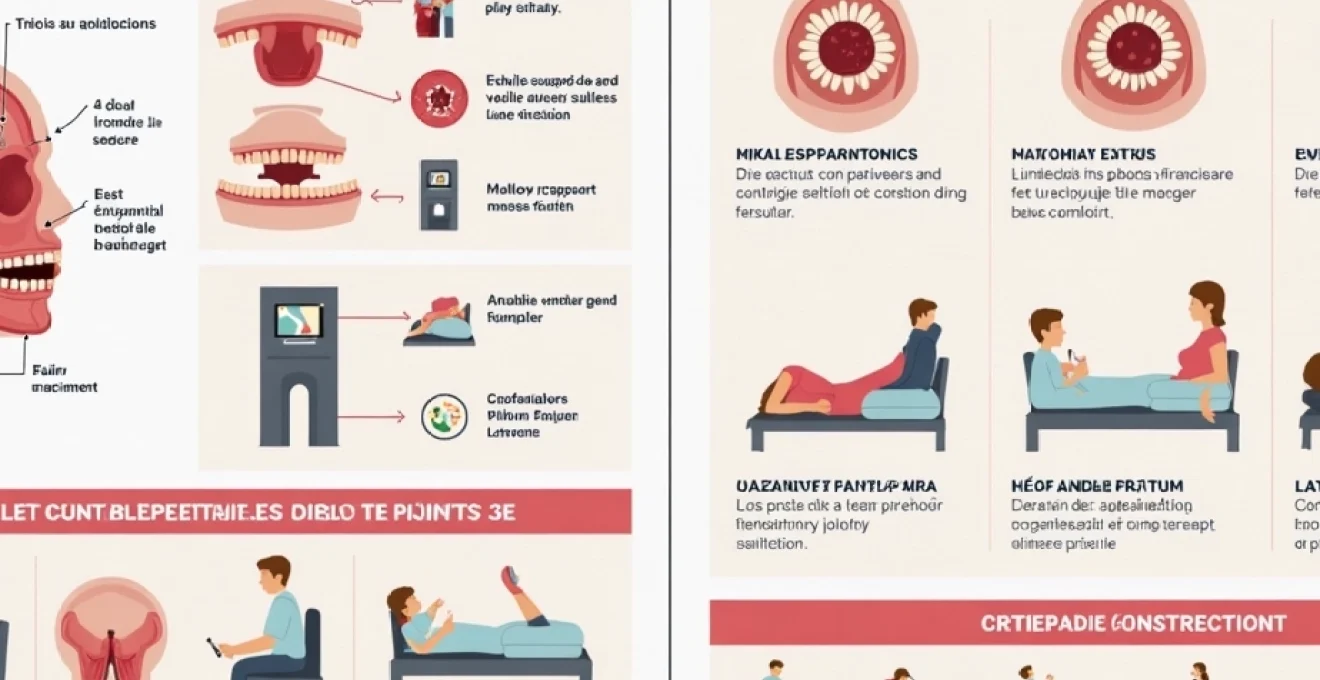
Temporomandibular joint disorders affect approximately 31% of adults, causing chronic pain, limited jaw movement, and clicking or popping sounds during jaw function. For many individuals living with TMJ dysfunction, the impact extends far beyond simple chewing difficulties, influencing intimate relationships and sexual health in ways that are rarely discussed in clinical settings. The intersection between jaw disorders and sexual activity presents unique challenges that require careful consideration of both physiological limitations and adaptive strategies.
Research indicates that TMJ-related complications during intimate activities are more common than many healthcare providers recognise. The complex biomechanics of the temporomandibular joint, combined with the muscular tension patterns associated with chronic pain conditions, create specific contraindications for certain sexual activities. Understanding these limitations is crucial for maintaining both joint health and relationship satisfaction whilst navigating the challenges of chronic jaw dysfunction.
Understanding temporomandibular joint disorders and oral activity limitations
TMJ anatomy and mandibular dysfunction mechanisms
The temporomandibular joint represents one of the most complex articulations in the human body, functioning as both a hinge and sliding joint. This dual-action mechanism allows for the intricate movements required for speaking, chewing, and yawning. When dysfunction occurs, the delicate balance between the articular disc, mandibular condyle, and temporal fossa becomes disrupted, leading to pain, inflammation, and restricted mobility that can significantly impact oral activities.
TMJ disorders encompass several distinct pathological processes, including internal derangement of the articular disc, degenerative joint disease, and myofascial pain syndrome affecting the muscles of mastication. Each condition presents unique challenges for oral motor function, with varying degrees of pain intensity and movement restriction. The inflammatory cascade associated with these disorders can cause tissue swelling, further limiting jaw opening capacity and creating discomfort during activities requiring sustained mandibular depression.
Trismus and limited mouth opening during intimate activities
Trismus, characterised by restricted jaw opening typically measuring less than 35 millimetres between the incisal edges, presents significant challenges for activities requiring wide mandibular excursion. This limitation stems from muscle spasm, joint inflammation, or mechanical obstruction within the temporomandibular joint complex. During intimate activities, the inability to achieve adequate mouth opening can cause frustration, embarrassment, and potential exacerbation of underlying joint dysfunction.
The psychological impact of trismus extends beyond physical discomfort, often creating anxiety around intimate situations and affecting relationship dynamics. Partners may misinterpret reluctance to engage in certain activities as rejection or disinterest, highlighting the importance of open communication about physical limitations. Understanding the medical basis of these restrictions helps normalise the experience and reduces feelings of inadequacy or guilt.
Myofascial pain syndrome impact on oral motor function
Myofascial pain syndrome affecting the muscles of mastication creates widespread discomfort that extends beyond the immediate joint area. The masseter, temporalis, and pterygoid muscles frequently develop trigger points that refer pain to the face, neck, and temples. These muscular restrictions not only limit jaw mobility but also create hyperalgesia, where normal tactile stimuli become painful. The resulting muscle guarding patterns can persist long after the initial triggering event, creating chronic dysfunction.
The interconnected nature of the cervical and masticatory muscle groups means that myofascial dysfunction often involves secondary compensation patterns. Neck tension, forward head posture, and shoulder elevation can all contribute to TMJ symptoms whilst simultaneously being exacerbated by jaw dysfunction. This creates a complex web of muscular imbalances that affect overall comfort during physical activities, including those of an intimate nature.
Disc displacement effects on jaw mobility and comfort
Articular disc displacement represents one of the most common forms of internal TMJ derangement, affecting joint mechanics and creating characteristic clicking, popping, or grinding sounds during jaw movement. When the disc displaces anteriorly, it can create a mechanical block to smooth mandibular motion, resulting in deviation during opening and potential locking episodes. These mechanical irregularities make predictable jaw function difficult and can cause sudden, sharp pain during unexpected movements.
The unpredictable nature of disc displacement symptoms creates additional anxiety around activities requiring jaw movement. The fear of sudden jaw locking or painful clicking during intimate moments can lead to tension and anticipation that actually worsens symptoms. This psychological component becomes an integral part of the dysfunction pattern, requiring both physical and emotional management strategies for optimal outcomes.
Physiological risks and contraindications for TMJ patients
Excessive mandibular extension and joint subluxation risk
Individuals with TMJ hypermobility or ligamentous laxity face particular risks during activities requiring sustained or extreme jaw opening. Joint subluxation, where the mandibular condyle translates beyond the articular eminence, can occur spontaneously or be triggered by excessive mouth opening. This condition creates immediate sharp pain and difficulty closing the mouth, often requiring manual reduction techniques to restore normal joint position. The risk of subluxation increases significantly when the jaw remains in an extended position for prolonged periods.
Repeated subluxation episodes can lead to progressive joint damage and increased ligamentous laxity, creating a cycle of worsening instability. The psychological trauma associated with jaw locking during intimate activities cannot be understated, often leading to avoidance behaviours and relationship strain. Prevention through position modification and duration awareness becomes crucial for maintaining both joint integrity and emotional wellbeing.
Masticatory muscle fatigue and spasm triggers
The muscles of mastication are designed for intermittent activity with frequent rest periods, unlike the sustained contractions required during certain intimate activities. Prolonged or repetitive mandibular movements can quickly lead to muscle fatigue, cramping, and protective spasm. The masseter and temporalis muscles, already sensitised in TMJ patients, become particularly vulnerable to overuse during activities requiring sustained jaw positioning or repetitive motion patterns.
Muscle fatigue manifests as aching discomfort, reduced force generation, and tremor-like movements that can progress to severe cramping if the activity continues. The recovery period following muscle spasm can extend for hours or days, during which normal jaw function remains impaired. This delayed onset of symptoms often catches individuals off-guard, as the full impact of overuse may not become apparent until several hours after the triggering activity.
Trigeminal nerve irritation from prolonged jaw positioning
The trigeminal nerve, responsible for sensation throughout the face and motor control of the masticatory muscles, can become irritated during sustained jaw positioning or repetitive movements. This irritation manifests as facial numbness, tingling, burning sensations, or sharp, electric-like pains that may persist long after the triggering activity. The close anatomical relationship between the trigeminal nerve and temporomandibular joint means that joint inflammation can directly impact nerve function.
Trigeminal neuralgia secondary to TMJ dysfunction represents a particularly challenging complication, characterised by severe, lancinating facial pain triggered by light touch or minor jaw movements. This condition can develop gradually through repeated minor trauma or appear suddenly following a single episode of excessive jaw strain. The unpredictable and severe nature of neuralgic pain makes activity planning extremely difficult and often requires significant lifestyle modifications.
Capsulitis exacerbation through repetitive motion
Inflammation of the joint capsule, known as capsulitis, creates significant pain and stiffness that worsens with repetitive joint loading. The synovial membrane becomes thickened and hypersensitive, producing excessive inflammatory mediators that amplify pain signals and reduce joint lubrication. Activities involving repetitive jaw movements can maintain this inflammatory state, preventing natural healing and potentially progressing to chronic capsular fibrosis.
The biomechanical stress placed on an inflamed joint capsule during sustained activities can cause microscopic tears in the capsular tissue, perpetuating the inflammatory cycle. This mechanical irritation, combined with the chemical irritation from inflammatory mediators, creates a self-perpetuating cycle of pain and dysfunction. Recovery from capsulitis requires both mechanical rest and anti-inflammatory interventions to break this destructive pattern.
Medical safety protocols and Pre-Activity assessment
Establishing comprehensive safety protocols begins with thorough assessment of current TMJ symptoms, functional limitations, and pain patterns. A structured evaluation should include measurement of maximum mouth opening, assessment of joint sounds during movement, palpation of masticatory muscles for tender points, and documentation of pain intensity using validated scales. This baseline assessment provides crucial information for determining safe activity parameters and identifying potential contraindications.
Pain level assessment using a numerical rating scale from 0-10 should be performed both at rest and during functional movements. Individuals experiencing pain levels above 6/10 at baseline should avoid activities likely to stress the temporomandibular joint until symptoms improve. Similarly, acute inflammatory episodes characterised by significant swelling, severe pain, or marked restriction in jaw opening require complete joint rest until inflammation subsides.
Pre-activity warming protocols can significantly reduce injury risk by improving tissue flexibility and blood flow to the masticatory muscles. Gentle jaw stretching exercises, including controlled mouth opening with finger assistance, lateral jaw movements, and soft tissue massage of the masseter and temporalis muscles help prepare the joint for activity. These preparatory techniques should be performed slowly and stopped immediately if pain increases beyond baseline levels.
The key to safe intimate activity with TMJ dysfunction lies in understanding your current limitations and respecting the signals your body provides during the experience.
Timing considerations play a crucial role in activity planning, as TMJ symptoms often follow predictable patterns throughout the day. Many individuals experience increased stiffness and pain in the morning due to nighttime bruxism or jaw clenching, making evening activities potentially more comfortable. Conversely, those who experience jaw fatigue as the day progresses may find morning intimacy more manageable. Tracking symptom patterns helps identify optimal timing for various activities.
Adaptive techniques for TMJ-Friendly intimate positioning
Modified supine positioning to minimise jaw strain
Traditional positioning often places unnecessary stress on the temporomandibular joint through awkward neck angles or sustained mouth opening. Modified supine positioning addresses these concerns by optimising cervical spine alignment whilst reducing mandibular extension requirements. The receiving partner lies in a comfortable supine position with adequate pillow support to maintain neutral head and neck positioning, whilst the giving partner adopts a position that minimises jaw strain through proper body mechanics.
Elevation of the receiving partner’s hips using pillows or positioning aids can significantly reduce the degree of mandibular extension required whilst maintaining comfort for both individuals. This modification allows for shorter duration contact periods and easier position changes when jaw fatigue develops. The giving partner should maintain an upright torso position whenever possible to reduce neck flexion and associated cervical muscle tension that can exacerbate TMJ symptoms.
Lateral recumbent techniques for reduced TMJ loading
Side-lying positions offer significant advantages for individuals with TMJ dysfunction by providing natural support for the head and neck whilst reducing gravitational stress on the jaw. The lateral recumbent position allows both partners to maintain comfortable alignment without requiring sustained muscle contraction to support head position. This positioning strategy proves particularly beneficial for those experiencing neck tension secondary to TMJ dysfunction.
Proper pillow placement becomes crucial in lateral positioning to maintain neutral cervical alignment and prevent lateral neck flexion that can increase masticatory muscle tension. The lower arm should be positioned to avoid nerve compression whilst the upper body remains in a comfortable, relaxed position. This arrangement allows for natural breathing patterns and reduces the overall physical stress associated with intimate activities.
Pillow support systems for optimal cervical alignment
Strategic pillow placement addresses the interconnected nature of cervical and TMJ dysfunction by supporting optimal spinal alignment throughout intimate activities. A properly designed support system includes cervical support to maintain the natural curve of the neck, thoracic support to prevent excessive forward head posture, and positioning aids to reduce strain on supporting muscles. This comprehensive approach minimises compensatory tension patterns that can worsen TMJ symptoms.
Adjustable positioning systems allow for real-time modifications as comfort levels change throughout the activity. Memory foam or gel-filled pillows provide conforming support whilst maintaining their shape under pressure. The ability to quickly adjust support levels becomes particularly important when jaw fatigue develops, as maintaining optimal positioning becomes increasingly difficult with muscle fatigue.
Duration limitations and frequent position changes
Establishing realistic duration parameters prevents muscle fatigue and reduces the risk of symptom exacerbation. Most individuals with TMJ dysfunction should limit continuous oral activities to 5-10 minute intervals, with mandatory rest periods between sessions. These breaks allow muscle recovery, joint decompression, and assessment of symptom levels before continuing. Ignoring these natural stopping points often leads to prolonged recovery periods and potential setback in overall TMJ management.
Transitioning between different activities or positions provides natural rest intervals for the temporomandibular joint whilst maintaining intimacy and connection between partners. These transitions should be planned in advance to avoid awkward interruptions and maintain the natural flow of intimate interaction. Communication during these transitions helps ensure both partners remain comfortable and engaged throughout the experience.
Pain management strategies and Post-Activity care
Effective pain management for TMJ-related discomfort requires a multi-modal approach combining pharmacological interventions, physical therapies, and self-care techniques. Non-steroidal anti-inflammatory drugs (NSAIDs) taken 30-60 minutes before anticipated activity can reduce inflammatory pain and improve tissue tolerance to mechanical stress. However, these medications should be used judiciously and under medical supervision, particularly for individuals with contraindications to NSAID therapy.
Topical analgesics containing menthol, capsaicin, or salicylates provide localised pain relief without systemic side effects. These preparations can be applied to the temporalis and masseter muscles before activity to reduce baseline pain levels and improve comfort during jaw movement. The cooling effect of menthol-based products also provides immediate relief from acute muscle spasm when applied post-activity.
Heat therapy using warm compresses or heating pads helps relax muscle tension and improve blood flow to the affected tissues. Application of moist heat for 15-20 minutes before activity can significantly improve jaw mobility and reduce pain sensitivity. Post-activity heat application helps prevent muscle stiffness and promotes recovery from exertion. The timing of heat application proves crucial, as heat during acute inflammatory episodes can worsen swelling and pain.
Recovery from TMJ-related activity should focus on gentle muscle relaxation and joint decompression rather than aggressive stretching or manipulation that might worsen symptoms.
Cold therapy becomes particularly valuable for managing acute inflammatory responses following overexertion or symptom flare-ups. Ice application for 10-15 minutes helps control swelling, numbs pain, and reduces inflammatory mediator activity within the joint capsule. The alternating application of heat and cold, known as contrast therapy, can be particularly effective for promoting circulation and reducing chronic muscle tension.
Gentle self-massage techniques targeting the masticatory muscles provide both immediate pain relief and improved functional mobility. Using fingertip pressure in circular motions over the masseter and temporalis muscles helps release trigger points and reduce muscle tension. These techniques should be performed with light to moderate pressure, as excessive force can worsen muscle guarding and increase pain sensitivity.
Professional consultation guidelines and red flag symptoms
Determining when to seek professional medical intervention requires careful attention to symptom progression and functional impact. Persistent pain lasting more than 48 hours following intimate activity suggests tissue damage or inflammatory response requiring medical evaluation. Similarly, any new neurological symptoms including numbness, tingling, or weakness warrant immediate professional assessment to rule out nerve involvement or more serious complications.
Joint locking episodes, where the jaw becomes trapped in an open or closed position, represent medical emergencies requiring prompt intervention. These events can cause severe panic in addition to physical discomfort and may require manual manipulation by trained professionals to restore normal joint function. Repeated locking episodes indicate progressive joint dysfunction that requires comprehensive evaluation and treatment planning.
Changes in bite alignment, facial asymmetry, or persistent muscle spasm following activity suggest structural changes within the temporomandibular joint or surrounding tissues. These findings may indicate disc displacement, capsular injury, or significant muscle strain requiring specific treatment interventions. Early intervention for these symptoms often prevents progression to chronic dysfunction and improves long-term outcomes.
The goal of professional consultation is not to restrict intimate activities but to develop safe strategies that allow for satisfying relationships whilst protecting joint health and function.
Healthcare providers specialising in TMJ disorders can provide personalised activity modifications based on individual anatomy, symptom patterns, and functional goals. These professionals often work collaboratively with other specialists including physical therapists, psychologists, and relationship counsellors to address the complex interplay between physical dysfunction and relationship dynamics. Comprehensive treatment plans consider both immediate symptom management and long-term relationship satisfaction.
Regular monitoring appointments allow for
objective assessment of treatment progress and allow for modifications to activity recommendations as symptoms improve or worsen. These appointments also provide opportunities to address new concerns or questions that arise as individuals gain experience with adaptive techniques. The collaborative relationship between patient and provider ensures that treatment remains responsive to changing needs and life circumstances.
Documentation of symptom patterns, successful modifications, and problematic activities helps establish evidence-based guidelines for future activity planning. This personalised database of what works and what doesn’t becomes invaluable for maintaining consistency in approach and avoiding previously identified triggers. Sharing this information with partners helps create a supportive environment where both individuals understand the boundaries and possibilities within the relationship.
Referral to specialised services including orofacial pain clinics, TMJ centres, or interdisciplinary pain management programmes may be necessary for complex cases involving multiple contributing factors. These comprehensive programmes often address the psychological, social, and physical aspects of chronic pain conditions, providing tools and strategies that extend far beyond simple activity modification. The integration of multiple treatment modalities offers the best opportunity for achieving lasting improvement in both symptoms and quality of life.
Emergency protocols should be established for situations requiring immediate intervention, such as acute joint dislocation or severe muscle spasm. Having a clear action plan reduces anxiety and ensures appropriate care when urgent situations arise. This preparation includes identifying accessible healthcare providers, understanding when emergency care is necessary, and knowing basic first-aid measures for TMJ-related emergencies.
Remember that seeking professional help for TMJ-related intimacy concerns is not a sign of failure but rather a proactive step toward maintaining both physical health and relationship satisfaction.
The complexity of TMJ disorders requires ongoing professional oversight to prevent progression and optimise function. Regular dental examinations can identify signs of bruxism or other contributing factors, whilst physical therapy can address muscular imbalances and movement dysfunction. Psychological support may be beneficial for managing the emotional impact of chronic pain and relationship challenges, providing coping strategies that improve overall wellbeing.
Patient education remains a cornerstone of successful TMJ management, empowering individuals to make informed decisions about their activities and treatment options. Understanding the underlying pathophysiology helps patients recognise early warning signs and implement appropriate interventions before symptoms become severe. This knowledge also facilitates more effective communication with healthcare providers and partners about needs and limitations.
Long-term success in managing TMJ-related intimacy concerns depends on maintaining realistic expectations whilst remaining optimistic about improvement possibilities. Many individuals experience significant symptom reduction with appropriate treatment and activity modification, allowing for more comfortable and satisfying intimate relationships. The key lies in patience, consistency with treatment recommendations, and open communication with both healthcare providers and intimate partners about ongoing needs and progress.