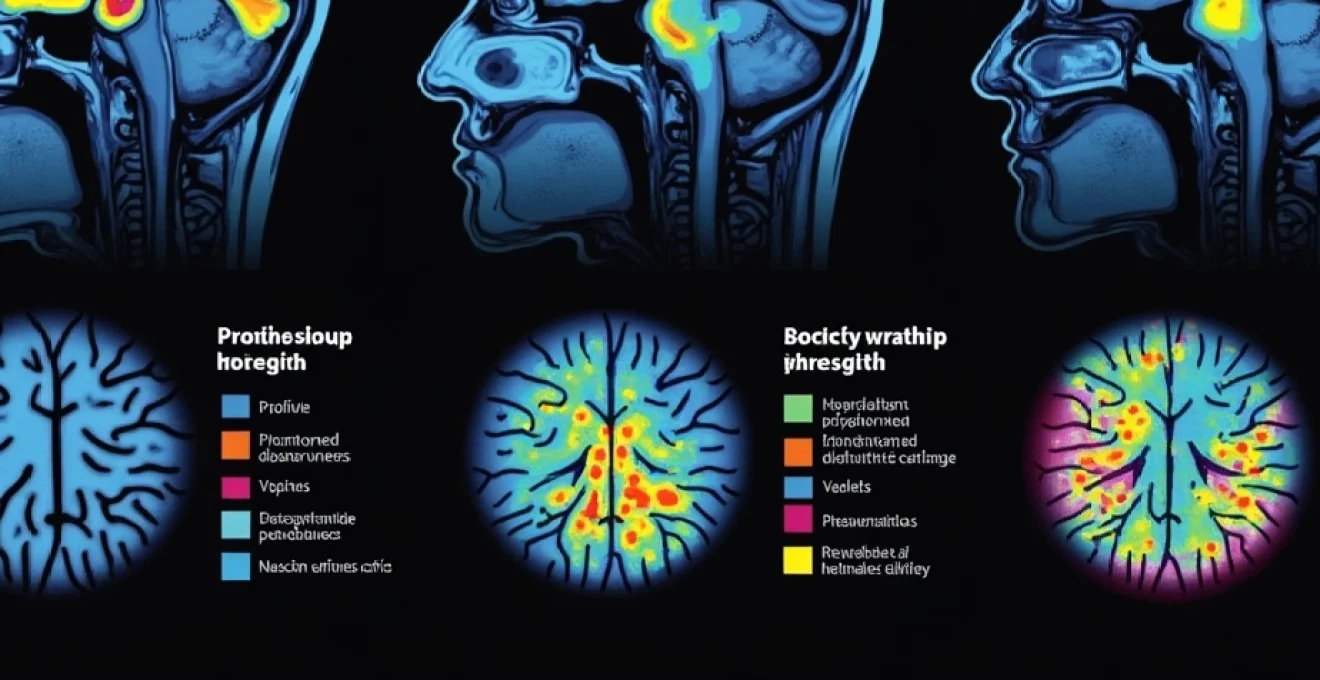
The discovery of a PI-RADS 5 lesion on multiparametric magnetic resonance imaging often creates significant anxiety for patients and their families. This highest-risk classification indicates a very high likelihood of clinically significant prostate cancer, yet the question remains: does PI-RADS 5 always equate to malignancy? While this scoring system represents one of the most advanced diagnostic tools in modern urology, the reality is more nuanced than a simple yes or no answer.
Understanding the complexities behind PI-RADS 5 classification requires examining the sophisticated imaging techniques, potential false positives, and the critical importance of histopathological correlation. Recent studies demonstrate that approximately 20-25% of PI-RADS 5 lesions may not represent clinically significant cancer, highlighting the need for comprehensive evaluation beyond imaging alone.
Understanding PI-RADS 5 classification in multiparametric MRI interpretation
The Prostate Imaging Reporting and Data System serves as the cornerstone of modern prostate cancer detection, providing standardised criteria for interpreting multiparametric MRI findings. PI-RADS 5 represents the highest category on this five-point scale, indicating lesions with imaging characteristics strongly suggestive of clinically significant prostate cancer. This classification system emerged from the need to standardise reporting and reduce inter-reader variability in prostate MRI interpretation.
Multiparametric MRI combines multiple imaging sequences to provide comprehensive tissue characterisation. The three fundamental sequences include T2-weighted imaging for anatomical detail, diffusion-weighted imaging for cellular density assessment, and dynamic contrast-enhanced imaging for vascular perfusion evaluation. When these sequences collectively demonstrate suspicious findings in a focal area, the likelihood of malignancy increases substantially.
Prostate imaging reporting and data system version 2.1 scoring criteria
The current PI-RADS version 2.1 establishes specific criteria for lesion classification based on anatomical location and imaging characteristics. In the peripheral zone, diffusion-weighted imaging serves as the dominant sequence, while T2-weighted imaging takes precedence in the transition zone. These zone-specific approaches reflect the different imaging challenges presented by varying prostate anatomy and common pathological patterns.
For peripheral zone lesions to achieve PI-RADS 5 classification, they must demonstrate markedly hypointense signal on T2-weighted images with corresponding restricted diffusion and early enhancement on dynamic contrast-enhanced sequences. The combination of these findings creates a highly suspicious imaging phenotype that correlates strongly with high-grade malignancy.
Dynamic Contrast-Enhanced MRI signal characteristics in PI-RADS 5 lesions
Dynamic contrast-enhanced imaging provides crucial information about tissue vascularity and perfusion patterns. PI-RADS 5 lesions typically exhibit early and intense enhancement followed by rapid washout, reflecting the increased angiogenesis associated with aggressive tumours. This vascular signature distinguishes malignant tissue from benign conditions, though overlap can occur with inflammatory processes.
The enhancement pattern analysis requires careful attention to both qualitative and quantitative parameters. Radiologists evaluate enhancement onset time, peak enhancement intensity, and washout characteristics to support the PI-RADS classification. However, technical factors including contrast agent timing and patient motion can influence these measurements, potentially affecting diagnostic accuracy.
Diffusion-weighted imaging apparent diffusion coefficient values below 750 μm²/s
Diffusion-weighted imaging measures the random motion of water molecules within tissues, providing insights into cellular density and tissue microstructure. Malignant tissues typically demonstrate restricted diffusion due to increased cellular density and disrupted tissue architecture. Apparent diffusion coefficient values below 750 μm²/s strongly suggest malignancy, particularly when combined with other suspicious imaging features.
The apparent diffusion coefficient quantification adds objectivity to diffusion-weighted imaging interpretation. However, measurement accuracy depends on proper technique, including adequate b-value selection and region-of-interest placement. Inflammatory conditions and benign prostatic hyperplasia nodules can occasionally demonstrate similar diffusion restriction, creating potential diagnostic challenges.
T2-weighted imaging hypointense focal lesions in peripheral zone assessment
T2-weighted imaging provides excellent anatomical detail and serves as the foundation for prostate MRI interpretation. In the peripheral zone, normal glandular tissue appears hyperintense on T2-weighted sequences, making hypointense focal lesions readily identifiable. These dark areas represent potential sites of malignancy due to the replacement of normal glandular architecture with densely packed cancer cells.
The morphological assessment includes lesion size, shape, and margin characteristics. PI-RADS 5 lesions typically measure 15mm or larger and demonstrate irregular or spiculated margins. However, size alone does not determine PI-RADS classification, as smaller lesions with highly suspicious imaging characteristics may also warrant this designation.
False positive PI-RADS 5 findings and benign mimickers
Despite the high accuracy of PI-RADS 5 classification, false positive findings occur in approximately 20-25% of cases. These false positives arise from benign conditions that mimic the imaging characteristics of clinically significant prostate cancer. Understanding these mimickers is essential for appropriate patient counselling and clinical decision-making. The complexity of prostate pathology means that even experienced radiologists may encounter challenging cases where benign conditions closely resemble malignancy.
Recent multicentre studies have identified several patient-related factors associated with false positive PI-RADS 5 findings. Younger patient age, lower PSA values, and larger prostate volumes correlate with increased likelihood of benign pathology despite suspicious imaging. This paradoxical finding suggests that clinical context remains crucial in interpreting imaging results.
Chronic prostatitis and inflammatory pseudotumours on mpMRI
Chronic prostatitis represents one of the most common causes of false positive PI-RADS 5 classifications, accounting for approximately 23% of benign findings in recent studies. Inflammatory infiltrates can create focal areas of decreased T2 signal intensity and restricted diffusion, closely mimicking malignant lesions. The inflammatory response triggers increased cellularity and altered tissue architecture that produces similar imaging signatures to cancer.
Distinguishing chronic prostatitis from malignancy remains challenging even with advanced imaging techniques. Some inflammatory lesions may demonstrate heterogeneous enhancement patterns or less pronounced diffusion restriction compared to typical malignancies. However, these subtle differences require considerable expertise to identify reliably.
Benign prostatic hyperplasia nodules with restricted diffusion
Benign prostatic hyperplasia nodules occasionally demonstrate restricted diffusion, particularly when they contain predominantly stromal elements with minimal glandular tissue. These nodules may appear hypointense on T2-weighted images and show early enhancement, creating imaging characteristics that overlap with PI-RADS 5 lesions. The cellular density within stromal-predominant nodules can approach that of malignant tissue, explaining the imaging similarities.
Location within the transition zone helps differentiate benign prostatic hyperplasia nodules from cancer, as malignancy less commonly arises in this region. However, transition zone cancers do occur, and their imaging characteristics can be particularly challenging to distinguish from benign nodules. Advanced techniques including MR spectroscopy may provide additional discriminatory information in selected cases.
Post-biopsy haemorrhage and scarring artefacts
Previous prostate biopsy procedures can create imaging artefacts that persist for months and occasionally mimic malignant lesions. Haemorrhage appears hypointense on T2-weighted images due to blood products, while post-biopsy scarring can demonstrate restricted diffusion. These iatrogenic changes complicate imaging interpretation and may mask or simulate pathological findings.
The timing of MRI relative to biopsy significantly affects image quality and diagnostic accuracy. Most guidelines recommend waiting 6-8 weeks after biopsy before performing multiparametric MRI to allow haemorrhage resolution. However, clinical urgency may necessitate earlier imaging, requiring careful correlation with biopsy sites and clinical history.
Granulomatous prostatitis following BCG immunotherapy
Patients with history of intravesical BCG therapy for bladder cancer may develop granulomatous prostatitis, which can create focal lesions with imaging characteristics indistinguishable from PI-RADS 5 malignancy. The granulomatous inflammatory response produces areas of restricted diffusion and altered enhancement patterns. This specific clinical scenario requires careful correlation between imaging findings and treatment history to avoid unnecessary interventions.
The temporal relationship between BCG therapy and suspicious imaging findings provides important diagnostic clues. Granulomatous prostatitis typically develops weeks to months after BCG instillation and may persist for extended periods. Recognition of this entity prevents inappropriate cancer staging and treatment planning.
Histopathological correlation studies and PI-RADS 5 accuracy rates
Large-scale validation studies across multiple institutions have established the diagnostic performance characteristics of PI-RADS 5 classification. The positive predictive value for clinically significant cancer ranges from 75-85% in most series, with variation depending on study population characteristics and pathological definitions. These statistics provide evidence-based guidance for clinical decision-making while acknowledging the inherent limitations of any diagnostic test.
The definition of clinically significant cancer has evolved over time, with current consensus focusing on Gleason score 7 or higher tumours. This threshold reflects the potential for these cancers to progress and cause patient morbidity if left untreated. However, the biological behaviour of individual tumours can vary significantly, even within the same Gleason grade category.
Positive predictive value analysis from european multicentre trials
The PROMIS trial and subsequent European multicentre studies have provided robust data on PI-RADS 5 diagnostic accuracy. These investigations demonstrate positive predictive values ranging from 76-88% for clinically significant cancer detection. The variation in accuracy reflects differences in patient populations, imaging protocols, and pathological review standards across participating centres.
Patient selection criteria significantly influence positive predictive value calculations. Studies including predominantly screening populations tend to show lower positive predictive values compared to those enrolling patients with elevated PSA or abnormal digital rectal examination findings. This selection bias highlights the importance of considering clinical context when interpreting PI-RADS classifications.
Gleason score distribution in PI-RADS 5 confirmed malignancies
Among PI-RADS 5 lesions confirmed as malignant on histopathological examination, the Gleason score distribution reveals important insights into cancer aggressiveness. Approximately 60-70% of confirmed malignancies demonstrate Gleason score 7 or higher, with 30-40% showing high-grade patterns (Gleason 8-10). This distribution underscores the clinical significance of most PI-RADS 5 lesions and justifies the aggressive imaging classification.
The remaining 30-40% of confirmed malignancies represent Gleason 6 tumours, which many experts consider indolent and unlikely to cause patient harm. The detection of these low-grade cancers raises questions about overdiagnosis and the appropriateness of immediate intervention. Active surveillance strategies have emerged as viable management options for carefully selected patients with low-risk disease.
Clinically significant cancer detection rates using ISUP grading
The International Society of Urological Pathology grading system provides an alternative framework for assessing cancer aggressiveness. Grade Group 2 or higher (corresponding to Gleason 7 or higher) defines clinically significant disease in most contemporary studies. Using this classification system , PI-RADS 5 lesions demonstrate clinically significant cancer detection rates of 75-85% across multiple validation cohorts.
The ISUP grading system offers improved prognostic stratification compared to traditional Gleason scoring, particularly for intermediate-grade tumours. Grade Group 2 (Gleason 3+4=7) and Grade Group 3 (Gleason 4+3=7) cancers demonstrate different biological behaviours and clinical outcomes, influencing treatment recommendations and patient counselling approaches.
Targeted biopsy concordance with radical prostatectomy specimens
Correlation studies comparing targeted biopsy results with radical prostatectomy specimens provide insights into sampling accuracy and grade concordance. MRI-targeted biopsies demonstrate 80-90% concordance with surgical pathology for PI-RADS 5 lesions, representing significant improvement over systematic biopsy approaches. This enhanced accuracy enables more precise treatment planning and patient stratification for active surveillance or immediate intervention.
Grade migration between biopsy and surgical specimens occurs in approximately 20-30% of cases, with both upgrading and downgrading observed. Factors influencing concordance include lesion size, sampling technique, and pathological review expertise. Understanding these limitations helps clinicians counsel patients appropriately regarding treatment options and prognosis.
Mri-targeted biopsy techniques for PI-RADS 5 lesion sampling
The advent of MRI-targeted biopsy techniques has revolutionised prostate cancer diagnosis, particularly for PI-RADS 5 lesions. These sophisticated approaches combine real-time ultrasound guidance with pre-acquired MRI data to precisely target suspicious areas. Fusion biopsy platforms enable accurate sampling of specific lesions while maintaining the spatial orientation necessary for treatment planning. This technological advancement has significantly improved cancer detection rates while reducing the need for repeat biopsy procedures.
Cognitive fusion, software-based fusion, and in-bore MRI-guided biopsy represent the three primary targeting approaches currently available. Each technique offers distinct advantages and limitations, with software-based fusion becoming increasingly prevalent due to its combination of accuracy and procedural efficiency. The choice of targeting method depends on institutional resources, operator experience, and patient-specific factors.
Pre-biopsy planning involves careful review of multiparametric MRI findings, including assessment of lesion accessibility and proximity to critical structures. Optimal needle trajectory planning maximises sampling adequacy while minimising patient discomfort and procedural complications. Advanced platforms provide three-dimensional visualisation capabilities that enhance targeting precision and sampling confidence.
Quality assurance measures for MRI-targeted biopsy include regular system calibration, operator training programs, and performance monitoring through cancer detection rates and complication tracking. Institutions performing these procedures must maintain expertise in both imaging interpretation and biopsy technique to achieve optimal outcomes. Continuous quality improvement initiatives ensure that technological capabilities translate into improved patient care.
Clinical Decision-Making algorithms following PI-RADS 5 detection
The discovery of PI-RADS 5 lesions initiates complex clinical decision-making processes that must balance cancer detection imperatives with patient preferences and comorbidities. Contemporary algorithms incorporate imaging findings with clinical parameters including PSA levels, digital rectal examination results, and life expectancy estimates. This multifactorial approach ensures that diagnostic and treatment decisions align with individual patient circumstances and values.
Age-specific considerations play crucial roles in managing PI-RADS 5 findings, particularly in elderly patients with limited life expectancy. The potential benefits of cancer detection and treatment must be weighed against procedural risks and quality-of-life implications. Shared decision-making frameworks facilitate discussions between clinicians and patients regarding the appropriateness of further evaluation or active surveillance strategies.
Risk stratification models incorporate PI-RADS classifications with traditional clinical parameters to predict the likelihood of clinically significant cancer. These tools guide biopsy recommendations and help identify patients who may benefit from alternative approaches such as active surveillance or repeat imaging. Personalised risk assessment enables more nuanced clinical management that considers individual patient characteristics and preferences.
The integration of advanced imaging findings with clinical judgement remains the cornerstone of optimal patient management in the era of precision medicine.
Multidisciplinary team discussions frequently inform management decisions for complex cases involving PI-RADS 5 lesions. These collaborative approaches bring together expertise from radiology, urology, pathology, and oncology to develop comprehensive treatment plans. Regular tumour board meetings ensure that decision-making processes incorporate diverse perspectives and current best practice guidelines.
Emerging biomarkers and advanced imaging techniques beyond PI-RADS classification
The future of prostate cancer diagnosis extends beyond traditional PI-RADS classification through integration of novel biomarkers an
d advanced imaging modalities that promise to enhance diagnostic accuracy beyond current capabilities. Radiomics analysis extracts quantitative features from medical images, potentially identifying subtle patterns imperceptible to human interpretation. Machine learning algorithms trained on large datasets may improve lesion characterisation and predict treatment outcomes with greater precision than traditional scoring systems.
Artificial intelligence applications in prostate MRI interpretation show promising results in preliminary studies, with some algorithms achieving diagnostic performance comparable to experienced radiologists. These technological advances may reduce inter-reader variability and improve consistency in PI-RADS classification across different institutions and geographic regions. However, validation in diverse patient populations and clinical settings remains necessary before widespread implementation.
Novel MRI sequences including ultra-high b-value diffusion-weighted imaging and restriction spectrum imaging provide enhanced tissue characterisation capabilities. These advanced techniques may better differentiate malignant from benign tissue, potentially reducing false positive rates associated with PI-RADS 5 classifications. The integration of multiple imaging biomarkers creates opportunities for more precise cancer detection and risk stratification.
Molecular imaging approaches using positron emission tomography with prostate-specific membrane antigen tracers offer complementary information to multiparametric MRI. Combined PET-MRI platforms enable simultaneous acquisition of anatomical and metabolic data, potentially improving cancer localisation and staging accuracy. These hybrid imaging techniques may prove particularly valuable for patients with discordant clinical and imaging findings.
Blood-based biomarkers including circulating tumour cells, cell-free DNA, and microRNA panels provide non-invasive approaches to cancer detection and monitoring. The combination of imaging findings with molecular biomarkers may enhance risk stratification and guide personalised treatment decisions. Multi-parametric diagnostic models incorporating clinical, imaging, and molecular data represent the future direction of precision oncology in prostate cancer management.
Liquid biopsy technologies continue evolving rapidly, with emerging assays capable of detecting minimal residual disease and monitoring treatment response in real-time. These tools may complement imaging findings to provide more comprehensive disease assessment and guide adaptive treatment strategies. The integration of liquid biopsy results with PI-RADS classifications could potentially reduce unnecessary biopsies while maintaining high cancer detection rates.
Computational pathology applications utilising whole-slide imaging and deep learning algorithms promise to enhance histopathological diagnosis accuracy and reproducibility. These technologies may provide objective quantitative assessments of tissue architecture and cellular features, reducing variability in Gleason scoring and improving prognostic accuracy. The convergence of advanced imaging and digital pathology creates unprecedented opportunities for integrated cancer diagnosis and treatment planning.
Future clinical trials will likely evaluate the optimal combination of imaging modalities, biomarkers, and artificial intelligence tools for prostate cancer diagnosis and management. The goal remains achieving maximum diagnostic accuracy while minimising patient anxiety, procedural complications, and healthcare costs. Personalised medicine approaches incorporating individual patient risk factors with advanced diagnostic technologies may ultimately transform prostate cancer care from a one-size-fits-all model to truly individualised treatment strategies.
The question of whether PI-RADS 5 always represents cancer continues to evolve as our understanding of prostate pathology and imaging capabilities advance. While current evidence demonstrates that approximately 75-85% of PI-RADS 5 lesions harbour clinically significant cancer, the remaining cases highlight the complexity of prostate disease and the limitations of any single diagnostic modality. Continued research and technological innovation will undoubtedly improve our ability to distinguish malignant from benign conditions, ultimately benefiting patients through more accurate diagnosis and appropriate treatment selection.