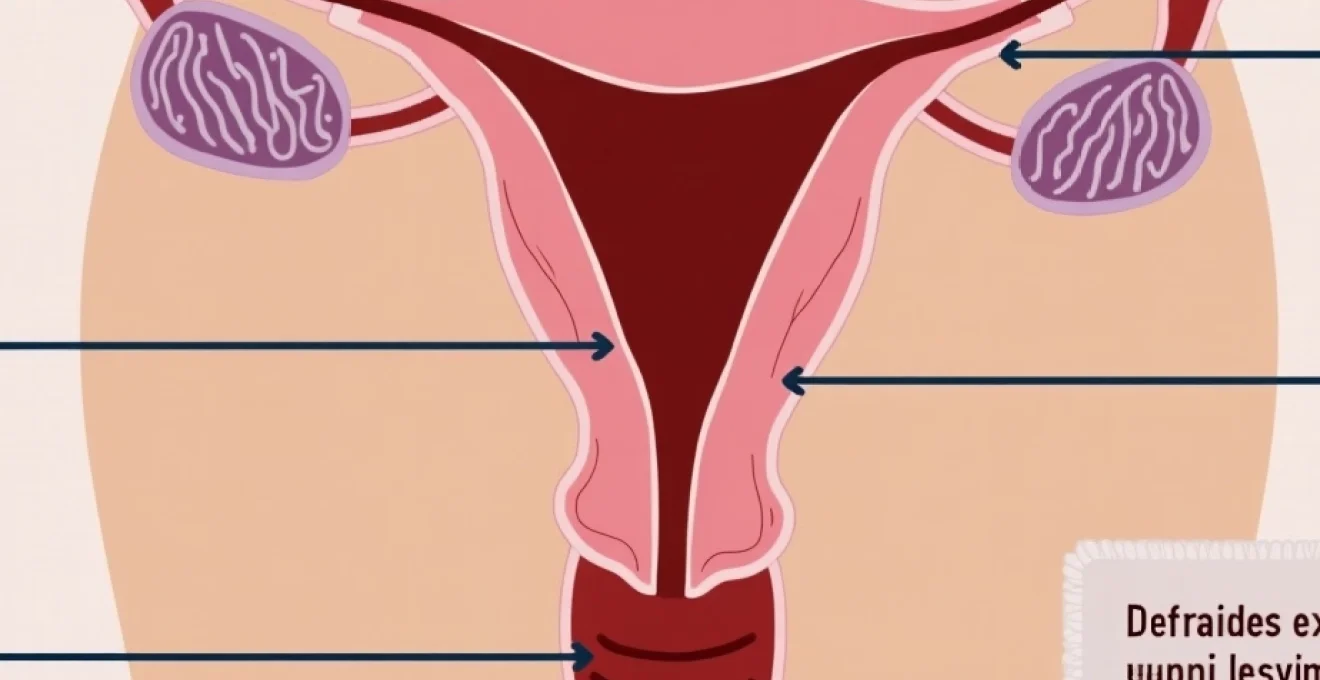
Sexual sensation difficulties affect millions of people worldwide, creating significant distress and relationship challenges. The inability to experience normal sexual pleasure or physical sensation during intimate activities can stem from numerous underlying causes, ranging from neurological disorders to medication side effects. Understanding these diverse factors is crucial for healthcare professionals and individuals seeking to address sexual dysfunction effectively.
Research indicates that approximately 43% of women and 31% of men experience some form of sexual dysfunction during their lives, with reduced sensation being a particularly troubling symptom. This condition can manifest as complete numbness, decreased sensitivity, or altered perception of touch in the genital region. The complexity of sexual response involves intricate interactions between the nervous system, cardiovascular system, endocrine system, and psychological factors.
Neurological factors affecting sexual sensation and response
The nervous system plays a fundamental role in sexual sensation and response. Neurological conditions can significantly impair the transmission of sensory signals from the genitals to the brain, resulting in diminished or absent sexual pleasure. The intricate network of nerves responsible for sexual function includes both peripheral and central nervous system components.
Peripheral neuropathy and reduced genital sensitivity
Peripheral neuropathy represents one of the most common neurological causes of reduced sexual sensation. This condition involves damage to the peripheral nerves that carry sensory information from the genitals to the spinal cord and brain. Diabetic neuropathy affects approximately 50% of individuals with long-standing diabetes, frequently targeting the small nerve fibres responsible for genital sensation.
The symptoms of peripheral neuropathy in sexual contexts often begin subtly, with patients reporting decreased sensitivity to touch, temperature changes, or vibration in the genital area. Progressive nerve damage can lead to complete sensory loss, making sexual arousal and climax extremely difficult or impossible to achieve. Early detection and treatment of underlying causes can sometimes slow or halt the progression of neuropathic changes.
Spinal cord injury impact on sexual function
Spinal cord injuries create particularly complex patterns of sexual dysfunction, depending on the level and completeness of the injury. The spinal cord serves as the primary pathway for sensory information travelling between the genitals and the brain. When this pathway is interrupted, various degrees of sensory impairment can occur.
Individuals with complete spinal cord injuries above the level of T12 typically experience complete loss of genital sensation, though they may retain some capacity for psychogenic arousal. Those with incomplete injuries or lower-level injuries may preserve some sensory function, though altered patterns of sensation are common. Neuroplasticity allows some individuals to develop alternative pathways for sexual pleasure through intact sensory areas.
Multiple Sclerosis-Related sensory dysfunction
Multiple sclerosis (MS) frequently causes sexual dysfunction through its effects on myelin sheaths surrounding nerve fibres. The demyelinating process characteristic of MS can disrupt the normal transmission of sensory signals, leading to altered or reduced genital sensation. Approximately 80% of individuals with MS report some form of sexual dysfunction during the course of their disease.
The unpredictable nature of MS means that sexual sensation may fluctuate, with periods of normal function alternating with episodes of reduced sensitivity. Some individuals experience dysaesthesias , where normal touch sensations are perceived as uncomfortable or painful. Managing MS-related sexual dysfunction often requires a multidisciplinary approach involving neurologists, sexual health specialists, and rehabilitation professionals.
Diabetic neuropathy effects on sexual response
Diabetic neuropathy affects sexual function through multiple mechanisms, including both sensory and autonomic nerve damage. High blood glucose levels over extended periods cause metabolic changes that damage nerve fibres, beginning with the longest and smallest nerves first. This pattern explains why genital sensation is often affected early in the course of diabetic neuropathy.
The autonomic nervous system damage associated with diabetes also affects blood flow regulation to the genitals, compounding sensory deficits with vascular insufficiency. Men with diabetic neuropathy may experience erectile dysfunction alongside reduced penile sensation, while women may have decreased vaginal lubrication and clitoral sensitivity. Strict glycaemic control can prevent or slow the progression of diabetic neuropathy, but established nerve damage is often irreversible.
Hormonal imbalances and endocrine disruptions
The endocrine system orchestrates sexual function through complex hormonal interactions that influence both physical arousal responses and sensory perception. Hormonal imbalances can profoundly affect sexual sensation, creating changes that may develop gradually or appear suddenly depending on the underlying cause.
Testosterone deficiency in males and females
Testosterone plays crucial roles in sexual function for both men and women, influencing not only libido but also genital sensitivity and arousal responses. In men, testosterone deficiency (hypogonadism) affects approximately 2-6% of the population, with prevalence increasing significantly with age. Low testosterone levels can reduce penile sensitivity and impair the neurological pathways involved in sexual pleasure.
Women also require adequate testosterone levels for optimal sexual function, though in much smaller quantities than men. Female testosterone deficiency can occur following surgical removal of the ovaries, during menopause, or as a result of certain medications. Androgen insufficiency in women often manifests as reduced clitoral sensitivity and decreased capacity for sexual arousal, significantly impacting overall sexual satisfaction.
Oestrogen decline during menopause and sexual sensation
The decline in oestrogen production during menopause creates profound changes in female sexual function and sensation. Oestrogen maintains the health and sensitivity of genital tissues, supporting adequate blood flow and nerve function in the vulva and vagina. When oestrogen levels drop, these tissues undergo atrophic changes that can dramatically reduce sexual sensation.
Menopausal women often report decreased clitoral sensitivity, reduced vaginal lubrication, and painful intercourse due to tissue thinning and decreased elasticity. The term genitourinary syndrome of menopause encompasses these physical changes, which affect up to 50% of postmenopausal women. Hormone replacement therapy can help restore some sensitivity, though individual responses vary considerably.
Thyroid dysfunction and libido alterations
Both hyperthyroidism and hypothyroidism can significantly impact sexual function, though through different mechanisms. Hypothyroidism, the more common condition, often reduces libido and can impair sexual sensation through its effects on neurotransmitter production and peripheral nerve function. The fatigue and depression commonly associated with hypothyroidism further compound sexual difficulties.
Hyperthyroidism may initially increase libido but can lead to sexual dysfunction through anxiety, restlessness, and difficulty achieving orgasm. The cardiovascular effects of hyperthyroidism can also interfere with the blood flow changes necessary for normal sexual response. Proper thyroid hormone replacement or management typically improves sexual function, though recovery may take several months.
Prolactin elevation and sexual response suppression
Elevated prolactin levels (hyperprolactinaemia) can profoundly suppress sexual function in both men and women. Prolactin elevation can result from pituitary adenomas, certain medications, or other medical conditions. High prolactin levels suppress the production of sex hormones, leading to decreased libido and impaired sexual sensation.
In addition to hormonal suppression, prolactin may directly affect the nervous system pathways involved in sexual pleasure. Some individuals with hyperprolactinaemia report complete loss of sexual sensation or inability to achieve orgasm, even when libido is artificially restored through hormone replacement. Treatment typically involves addressing the underlying cause of prolactin elevation, which often leads to gradual restoration of sexual function.
Pharmaceutical and Substance-Induced sexual side effects
Medications represent one of the most common and treatable causes of reduced sexual sensation. The pharmaceutical industry has identified numerous drugs that can interfere with sexual function through various mechanisms, including effects on neurotransmitters, blood flow, and hormonal balance. Understanding these medication-induced effects is crucial for healthcare providers managing patients with sexual dysfunction.
SSRI antidepressants and sexual anaesthesia
Selective serotonin reuptake inhibitors (SSRIs) are among the most frequently prescribed medications that cause sexual dysfunction. These antidepressants can induce a condition sometimes called sexual anaesthesia , where individuals experience markedly reduced or absent genital sensation. The mechanism involves serotonin’s inhibitory effects on the sexual response cycle, particularly affecting the ability to reach orgasm.
Studies indicate that 30-70% of individuals taking SSRIs experience some degree of sexual dysfunction, with reduced sensation being a particularly distressing symptom. The onset can occur within days of starting treatment, and the effects often persist throughout the duration of therapy. Some SSRIs, such as paroxetine and sertraline, appear to have higher rates of sexual side effects compared to alternatives like bupropion or mirtazapine.
Beta-blockers and reduced genital blood flow
Beta-blocking medications, commonly prescribed for cardiovascular conditions, can significantly impact sexual sensation through their effects on blood flow and nervous system activity. These medications reduce the cardiovascular responses necessary for genital engorgement and sensitivity during sexual arousal. The result is often decreased sensation and difficulty achieving adequate arousal.
The impact of beta-blockers on sexual function varies depending on the specific medication and individual patient factors. Propranolol and other non-selective beta-blockers tend to have more pronounced effects on sexual function compared to cardioselective agents. Patients may notice gradual onset of sexual difficulties over weeks or months of treatment, making the connection to medication less obvious.
Antihistamines and decreased sexual arousal
Antihistamines, particularly first-generation H1 antagonists, can interfere with sexual arousal and sensation through their anticholinergic effects. These medications block the parasympathetic nervous system activity necessary for sexual arousal, leading to reduced genital sensitivity and difficulty achieving adequate lubrication or engorgement.
Over-the-counter antihistamines like diphenhydramine and chlorpheniramine are frequent culprits, though many individuals don’t recognise the connection between these seemingly innocuous medications and sexual dysfunction. The sedating effects of these drugs can also reduce overall interest in sexual activity, compounding the direct physiological effects on sexual sensation.
Alcohol and cannabis effects on sexual sensitivity
Alcohol and cannabis both have complex relationships with sexual function, with effects varying significantly based on dosage, frequency of use, and individual tolerance. Moderate alcohol consumption may initially enhance sexual sensation by reducing inhibition and anxiety, but chronic alcohol use can lead to significant impairment of sexual function and sensation.
Cannabis presents a similarly complex picture, with some users reporting enhanced sexual sensation while others experience reduced sensitivity or difficulty reaching climax. Chronic cannabis use can lead to tolerance and diminishing effects on sexual enhancement, while potentially causing more persistent impairment of sexual function. The interaction between these substances and individual neurobiology creates highly variable responses to their use in sexual contexts.
Psychological and psychosomatic causes of sexual anaesthesia
The psychological dimension of sexual sensation represents one of the most complex and challenging aspects of sexual dysfunction. Mental health conditions, trauma histories, and psychological stress can profoundly impact the ability to experience physical sensation during sexual activity, even when no underlying physical pathology exists.
Depression and anxiety disorders frequently manifest with sexual dysfunction, including reduced sensation and pleasure. The neurochemical changes associated with these conditions can alter the brain’s processing of sensory information, effectively dampening the experience of sexual pleasure. Anhedonia , the reduced ability to experience pleasure, is a core symptom of depression that directly impacts sexual sensation and satisfaction.
Trauma-related sexual dysfunction presents particular challenges, as psychological protective mechanisms may unconsciously reduce sexual sensation as a defence against re-traumatisation. Post-traumatic stress disorder can create dissociative responses during sexual activity, where individuals feel disconnected from their bodily sensations. This psychological numbing can be so profound that it mimics neurological causes of reduced sensation.
Performance anxiety creates a cyclical pattern where concerns about sexual function lead to increased sympathetic nervous system activation, which in turn impairs sexual response and sensation. The stress response inhibits the parasympathetic activation necessary for sexual arousal, creating a self-perpetuating cycle of dysfunction. Breaking this cycle often requires comprehensive approaches addressing both psychological and physiological factors.
Body image concerns and shame around sexuality can also contribute to reduced sexual sensation through mechanisms of psychological distraction and disconnection. When individuals are preoccupied with concerns about their appearance or performance, the cognitive resources necessary for processing sexual pleasure may be diminished. Cultural and religious factors that create guilt or shame around sexual expression can similarly impair the ability to fully experience sexual sensation.
Vascular insufficiency and blood flow disorders
Adequate blood flow to the genital tissues is essential for normal sexual sensation and response. Vascular disorders that impair circulation can significantly reduce genital sensitivity and arousal capacity. The small blood vessels supplying the genital tissues are particularly vulnerable to the effects of cardiovascular disease and other conditions that affect circulation.
Atherosclerotic disease affects sexual function through multiple mechanisms, including reduced blood flow to genital tissues and impaired nervous system function due to vascular compromise. The development of atherosclerotic plaques in the arteries supplying the pelvis can gradually reduce the blood flow necessary for normal sexual response. This process often occurs years before individuals develop symptoms of cardiovascular disease in other organs.
Diabetes mellitus creates vascular complications that extend beyond neuropathy to include significant impairment of blood vessel function. Diabetic microangiopathy affects the small blood vessels throughout the body, including those responsible for genital engorgement and sensitivity during sexual arousal. The combination of vascular and neurological complications in diabetes creates particularly challenging patterns of sexual dysfunction.
Hypertension and its treatments can both contribute to sexual dysfunction through vascular mechanisms. Chronic high blood pressure damages blood vessel walls and impairs the normal vasodilation responses necessary for sexual arousal. Many antihypertensive medications further compound these effects by interfering with the cardiovascular responses required for normal sexual function.
Smoking represents a major modifiable risk factor for vascular-related sexual dysfunction. The toxic effects of tobacco on blood vessels begin almost immediately and can significantly impair genital blood flow within months of regular smoking. The vasoconstriction caused by nicotine directly opposes the vasodilation necessary for sexual arousal, while the long-term vascular damage from smoking creates progressive deterioration in sexual function.
Peripheral arterial disease specifically affecting the blood supply to the pelvis can create profound sexual dysfunction that may be the first symptom of more widespread vascular disease. The arteries supplying the genital tissues are relatively small and may be affected earlier than larger vessels elsewhere in the body, making sexual dysfunction a potential early warning sign of cardiovascular disease.
Anatomical and physical trauma contributing factors
Physical trauma to the genital area, pelvis, or spine can result in immediate or delayed onset of sexual sensation difficulties. Understanding these anatomical factors is crucial for healthcare providers evaluating patients with sexual dysfunction, particularly when the onset correlates with specific injuries or surgical procedures.
Surgical procedures involving the pelvis pose significant risks to the delicate nerve networks responsible for sexual sensation. Radical prostatectomy, hysterectomy, and colorectal surgeries can damage the pelvic nerves that innervate the genitals, leading to reduced or absent sexual sensation. The cavernous nerves, which are critical for sexual function in both men and women, are particularly vulnerable during pelvic surgical procedures.
Pelvic fractures from traumatic injuries can cause both immediate and long-term sexual dysfunction through damage to nerves, blood vessels, and supporting structures. The complex anatomy of the pelvis means that fractures in this region often involve multiple structures critical to sexual function. Urethral injuries associated with pelvic trauma can create additional complications that affect sexual sensation and response.
Childbirth-related trauma represents a common but often under-recognised cause of altered sexual sensation in women. Episiotomies, perineal tears, and nerve stretch injuries during delivery can result in temporary or permanent changes in genital sensation. The healing process may create scar tissue that interferes with normal nerve function, while hormonal changes associated with breastfeeding can compound these effects.
Chronic pelvic pain syndromes, including conditions like vulvodynia and chronic prostatitis, can significantly alter sexual sensation through mechanisms of central sensitisation and nerve dysfunction. These conditions often create hypervigilance and protective responses that can paradoxically reduce normal sexual sensation while increasing pain responses. The complex interplay between pain and pleasure pathways in these conditions requires specialised treatment approaches.
Recovery from these conditions varies significantly depending on the specific diagnosis, extent of tissue involvement, and individual healing capacity. Some individuals experience gradual improvement in sexual sensation over months or years, while others may face permanent changes requiring adaptation and alternative approaches to sexual intimacy.
The psychological impact of anatomical trauma should not be underestimated, as physical changes can create anxiety, depression, and performance concerns that further complicate sexual function. Comprehensive rehabilitation approaches that address both physical and psychological aspects of recovery tend to produce better outcomes than treatments focused solely on anatomical restoration.
Modern surgical techniques increasingly emphasise nerve-sparing approaches that minimise damage to critical structures involved in sexual function. Robotic-assisted surgeries and improved imaging techniques allow surgeons to better identify and preserve nerve pathways, though some risk to sexual function remains inherent in many pelvic procedures.
Physical therapy interventions, including pelvic floor rehabilitation and desensitisation techniques, can help individuals adapt to anatomical changes and optimise remaining function. These approaches work by retraining movement patterns, reducing muscle tension, and helping patients develop alternative strategies for sexual pleasure and intimacy.
When anatomical factors contribute to loss of sexual sensation, healthcare providers must carefully evaluate the potential for recovery versus the need for adaptive strategies. Early intervention with appropriate therapies can sometimes prevent the development of secondary complications, such as muscle tension or psychological distress, that compound the original anatomical problems.
The complex interplay between physical trauma, healing responses, and sexual function requires individualised assessment and treatment planning. What works for one person may not be appropriate for another, even with seemingly similar anatomical changes. This variability underscores the importance of comprehensive evaluation by healthcare providers experienced in sexual medicine and rehabilitation.
Understanding the multifaceted nature of sexual sensation difficulties empowers both healthcare providers and patients to pursue appropriate evaluations and treatments. The causes of reduced sexual sensation span virtually every medical specialty, from neurology and endocrinology to psychology and surgery. This complexity means that effective treatment often requires a multidisciplinary approach that addresses all contributing factors simultaneously.
The impact of sexual sensation difficulties extends far beyond the physical symptoms, affecting relationships, self-esteem, and overall quality of life. Recognising this broader impact helps healthcare providers appreciate the importance of addressing sexual concerns as part of comprehensive medical care, rather than dismissing them as secondary issues.
Advances in medical understanding continue to reveal new connections between various health conditions and sexual function, offering hope for improved treatments and outcomes. Research into neuroplasticity, hormone therapy, and psychological interventions provides promising avenues for restoring sexual sensation and pleasure for individuals affected by these challenging conditions.