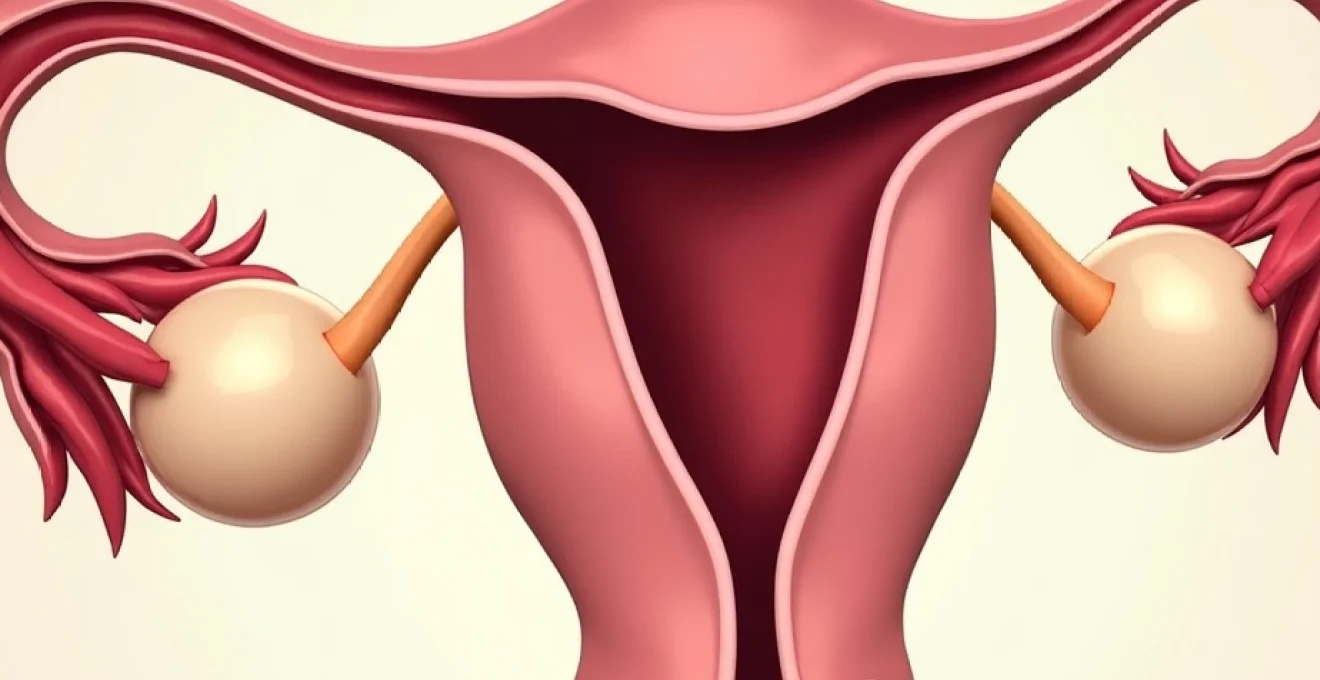
Left testicle and abdominal pain represents a complex diagnostic challenge that requires immediate medical attention in many cases. This combination of symptoms can indicate conditions ranging from minor inflammatory processes to life-threatening surgical emergencies. The anatomical proximity of testicular structures to abdominal organs, combined with shared nerve pathways, creates a unique pattern of referred pain that can complicate diagnosis. Understanding the various causes of left-sided testicular and abdominal pain is crucial for both patients and healthcare providers, as early recognition and appropriate treatment can prevent serious complications including testicular loss, infertility, and life-threatening infections.
The left testicle demonstrates particular vulnerability to certain conditions due to anatomical differences compared to the right side. The left testicular vein drains directly into the renal vein at a 90-degree angle, creating increased venous pressure that predisposes to varicocele formation. Additionally, the left testicle typically hangs lower in the scrotum, making it more susceptible to trauma and torsion. These anatomical variations explain why many testicular conditions show a left-sided predominance , requiring healthcare providers to maintain heightened awareness when evaluating left testicular pain.
Testicular torsion: emergency urological condition causing severe Left-Sided pain
Testicular torsion represents the most urgent cause of acute testicular pain, constituting a true urological emergency requiring immediate surgical intervention. This condition occurs when the testicle rotates within the scrotum, causing the spermatic cord to twist and compromising blood supply to the affected testicle. The incidence peaks in neonates and adolescents, with a bimodal distribution showing highest rates in the first year of life and again during puberty between ages 12-16 years.
The pathophysiology involves sudden rotation of the testicle around its vertical axis, typically occurring spontaneously during sleep or following minor trauma. The degree of rotation can vary from 180 to 720 degrees, with greater rotation causing more severe vascular compromise . Pain onset is characteristically sudden and severe, often described as the worst pain the patient has ever experienced. The pain typically begins in the affected testicle but rapidly spreads to the ipsilateral lower abdomen and groin, creating the classic presentation of combined testicular and abdominal pain.
Spermatic cord rotation mechanisms and vascular compromise
The spermatic cord contains the testicular artery, pampiniform venous plexus, lymphatics, and the vas deferens, all encased within the cremasteric muscle and fascial layers. During torsion, initial venous obstruction occurs, followed by progressive arterial compromise as swelling increases within the rigid tunica vaginalis. This sequence creates a compartment syndrome-like effect, with tissue pressure exceeding perfusion pressure and resulting in testicular ischaemia.
The critical timeframe for testicular salvage is generally considered to be six hours from symptom onset, though this represents a statistical average rather than an absolute threshold. Studies demonstrate salvage rates of 90-95% when detorsion occurs within six hours, dropping to 50% between 6-24 hours, and less than 10% beyond 24 hours . However, intermittent torsion can present with less severe symptoms and longer duration, potentially confusing the clinical picture.
Bell clapper deformity and anatomical predisposition factors
The bell clapper deformity represents the most significant predisposing factor for testicular torsion, present in approximately 12% of males. This anatomical variant involves horizontal orientation of the testicle within the scrotum due to abnormal attachment of the tunica vaginalis. Instead of the normal posterior and lateral attachment, the tunica vaginalis completely surrounds the testicle and epididymis, creating a “bell clapper” appearance that allows free rotation within the scrotal compartment.
Additional predisposing factors include increased testicular size during pubertal growth spurts, undescended testicles with subsequent orchidopexy, and previous episodes of intermittent torsion.
The bilateral nature of bell clapper deformity means that patients presenting with unilateral testicular torsion have approximately a 40% risk of contralateral torsion, necessitating prophylactic orchidopexy of the unaffected side during surgical exploration.
Cremasteric reflex absence and physical examination findings
Physical examination in testicular torsion reveals several characteristic findings that help distinguish it from other causes of acute scrotal pain. The affected testicle typically appears higher than the contralateral side due to shortening of the spermatic cord from twisting. The cremasteric reflex, normally present when stroking the inner thigh, is absent or diminished on the affected side in over 90% of cases with testicular torsion.
The testicle may demonstrate an abnormal horizontal lie, and the epididymis may be palpable in an anterior position rather than its normal posterolateral location. Elevation of the affected testicle typically worsens pain in torsion, contrasting with epididymitis where elevation often provides relief . Skin changes may be minimal initially but can progress to erythema and oedema as inflammation develops secondary to ischaemia.
Doppler ultrasound assessment and colour flow studies
Doppler ultrasound serves as the primary imaging modality for evaluating suspected testicular torsion, though clinical suspicion should never delay surgical exploration. Colour flow Doppler can demonstrate absent or decreased blood flow to the affected testicle, while spectral Doppler may show absent arterial waveforms. However, false negatives can occur in cases of incomplete torsion or early presentation when some perfusion remains.
The sensitivity of Doppler ultrasound ranges from 85-95%, with specificity approaching 99% in experienced hands. Power Doppler techniques may be more sensitive than colour Doppler for detecting low-flow states . Additional sonographic findings include testicular enlargement, heterogeneous echotexture, and reactive hydrocele formation. Despite technological advances, surgical exploration remains the gold standard when clinical suspicion is high, as imaging delays can result in testicular loss.
Epididymitis and orchitis: inflammatory pathologies of the left hemiscrotum
Epididymitis represents the most common cause of acute scrotal pain in adult men, accounting for approximately 600,000 cases annually in developed countries. This inflammatory condition affects the epididymis, the coiled tube responsible for sperm maturation and storage, and can extend to involve the testicle proper in cases of epididymo-orchitis. The condition demonstrates age-related patterns in causative organisms, with sexually transmitted infections predominating in men under 35 years, while urinary tract pathogens are more common in older men.
The pathophysiology involves ascending infection from the urethra through the vas deferens to the epididymis, though haematogenous spread can occur in cases of systemic infection. The anatomical course of infection explains why epididymitis typically begins in the tail of the epididymis and progresses proximally toward the head . Pain onset is usually gradual over 1-2 days, contrasting with the sudden onset characteristic of testicular torsion. The pain often radiates to the ipsilateral lower abdomen and flank, creating the combined testicular-abdominal pain pattern that brings patients to medical attention.
Chlamydia trachomatis and neisseria gonorrhoeae infections
Sexually transmitted infections account for the majority of epididymitis cases in sexually active men under 35 years of age. Chlamydia trachomatis represents the most common causative organism, followed by Neisseria gonorrhoeae, with co-infection occurring in approximately 20% of cases. These organisms typically cause a more indolent course compared to bacterial epididymitis, with symptoms developing over several days to weeks.
Clinical presentation may include urethral discharge, dysuria, and urinary frequency, though these symptoms may be subtle or absent in chlamydial infections. The asymptomatic nature of many chlamydial infections means that epididymitis may be the first manifestation of underlying sexually transmitted disease . Partner notification and treatment are essential components of management, as untreated partners create a reservoir for reinfection. Complications can include chronic epididymitis, abscess formation, and infertility due to epididymal obstruction.
Escherichia coli and Gram-Negative bacterial epididymitis
Gram-negative enteric bacteria, particularly Escherichia coli, represent the predominant cause of epididymitis in men over 35 years and in those with underlying urological abnormalities. These infections typically occur secondary to urinary tract infections, with bacteria ascending from the bladder through the vas deferens to reach the epididymis. Predisposing factors include benign prostatic hyperplasia, urethral strictures, neurogenic bladder, and recent urological instrumentation.
The clinical presentation tends to be more acute compared to sexually transmitted epididymitis, with rapid onset of severe pain and systemic symptoms including fever and malaise.
Gram-negative bacterial epididymitis carries a higher risk of complications, including abscess formation, chronic pain, and progression to Fournier’s gangrene in immunocompromised patients.
Imaging may demonstrate thick-walled epididymis with increased vascularity and possible abscess formation requiring drainage.
Mumps orchitis and viral inflammatory responses
Viral orchitis, most commonly caused by the mumps virus, represents a significant cause of testicular inflammation in unvaccinated populations. Mumps orchitis occurs in approximately 20-30% of post-pubertal males with mumps infection, typically developing 4-8 days after parotid gland swelling. The condition can be unilateral or bilateral, with bilateral involvement carrying significant risk for infertility and hypogonadism.
The inflammatory response involves direct viral invasion of testicular tissue, triggering intense inflammatory reactions that can lead to testicular atrophy. The immune response to viral antigens may also play a role in tissue destruction, with molecular mimicry potentially contributing to autoimmune orchitis . Other viral causes include Epstein-Barr virus, Coxsackievirus, and echovirus, though these are less common than mumps-related orchitis.
Prehn’s sign differentiation from testicular torsion
Prehn’s sign, traditionally described as pain relief with testicular elevation in epididymitis versus pain exacerbation in torsion, has limited diagnostic reliability in clinical practice. Studies demonstrate significant overlap between conditions, with relief of pain upon elevation occurring in only 50-60% of epididymitis cases. The sign’s unreliability stems from the complex pain pathways involved and the presence of secondary inflammatory changes in both conditions.
More reliable differentiating factors include pain onset (gradual in epididymitis versus sudden in torsion), presence of pyuria and urethral discharge in epididymitis, and cremasteric reflex preservation in epididymitis. However, no single clinical finding reliably distinguishes between these conditions, emphasising the importance of urgent urological evaluation when testicular torsion cannot be definitively excluded . Age distribution also provides diagnostic clues, with epididymitis being more common in adults while torsion shows bimodal peaks in neonates and adolescents.
Varicocele formation: pampiniform plexus dilation and associated discomfort
Varicoceles represent dilated veins within the pampiniform plexus of the spermatic cord, occurring in approximately 15% of the general male population and up to 40% of men with infertility. The condition demonstrates marked left-sided predominance, with isolated left varicoceles accounting for 85-90% of cases, bilateral involvement in 8-10%, and isolated right-sided varicoceles being extremely rare. This asymmetric distribution results from anatomical differences in venous drainage, with the left testicular vein draining into the renal vein at a perpendicular angle, creating increased hydrostatic pressure.
The pathophysiology involves incompetent or absent valves in the testicular venous system, leading to retrograde blood flow and progressive venous dilation. The resulting venous stasis creates a thermostatic effect, elevating scrotal temperature by 2-3°C and potentially impacting spermatogenesis . Clinical presentation typically includes a dull, aching pain that worsens with prolonged standing or physical activity and improves with recumbency. The pain often radiates to the ipsilateral lower abdomen, creating the characteristic pattern of left testicular and abdominal discomfort.
Physical examination reveals a characteristic “bag of worms” feeling on palpation of the affected side, with varicoceles being classified into three grades based on size and palpability. Grade I varicoceles are only palpable during Valsalva manoeuvre, Grade II are palpable at rest, and Grade III are visible through the scrotal skin.
The presence of a right-sided varicocele or sudden onset of varicocele in older men should raise suspicion for secondary causes, including renal cell carcinoma or retroperitoneal masses causing venous compression.
Doppler ultrasound demonstrates reversed venous flow during Valsalva manoeuvre and vein diameter greater than 3mm, providing objective confirmation of the diagnosis.
Inguinal hernia manifestations: indirect and direct herniation patterns
Inguinal hernias represent the most common type of abdominal wall hernia, with indirect inguinal hernias being particularly relevant to left testicular pain due to their passage through the inguinal canal alongside the spermatic cord. These hernias occur when abdominal contents protrude through the internal inguinal ring, following the path of testicular descent during embryological development. The condition affects approximately 5% of the population, with a strong male predominance and increasing incidence with age.
The relationship between inguinal hernias and testicular pain stems from compression of the spermatic cord structures as hernia contents expand within the limited confines of the inguinal canal. Large hernias may extend into the scrotum, creating direct pressure on testicular structures and causing referred pain patterns that can mimic primary testicular pathology . Clinical presentation typically includes a palpable bulge in the groin that increases with coughing, straining, or standing, and may be associated with dragging discomfort that radiates to the ipsilateral testicle and lower abdomen.
Hesselbach’s triangle anatomical considerations
Understanding the anatomical boundaries of Hesselbach’s triangle is crucial for differentiating direct from indirect inguinal hernias and predicting their clinical behaviour. This triangular region is bounded medially by the rectus abdominis muscle, laterally by the inferior epigastric vessels, and inferiorly by the inguinal ligament. Direct hernias protrude through the posterior wall of this triangle, while indirect hernias pass lateral to the triangle through the internal inguinal ring.
Direct hernias typically present in older men with weakened abdominal wall musculature and rarely extend into the scrotum, making them less likely to cause testicular pain. However, large direct hernias can still compress the spermatic cord and create referred pain patterns . The distinction becomes clinically relevant when planning surgical repair, as different techniques are employed for direct versus indirect hernias.
Processus vaginalis patent defects and congenital hernias
The processus vaginalis, a peritoneal diverticulum that normally obliterates during fetal development, plays a crucial role in the development of indirect inguinal hernias and communicating hydroceles. When this structure fails to close completely, it creates a pathway for abdominal contents to enter the inguinal canal and potentially extend to the scrotum. Complete patency results in an indirect inguinal hernia, while partial patency may cause communicating hydroceles or funicular cysts.
These congenital defects explain why indirect hernias are more common in younger patients and have a higher propensity for incarceration due to the narrow neck of the hernia sac. The embryological connection also explains why testicular pain may be the presenting symptom in some cases of indirect inguinal hernia, particularly when the hernia sac extends into the scrotum . Imaging studies may reveal the relationship between hernia contents and testicular structures, helping to guide surgical planning.
Incarcerated hernia complications and bowel obstruction risk
Incarcerated inguinal hernias represent a surgical emergency that can rapidly progress to life-threatening complications. This condition occurs when hernia contents become trapped within the hernia sac due to swelling or mechanical compression at the hernia neck, preventing reduction back into the abdominal cavity. The narrow neck of indirect inguinal hernias makes them particularly susceptible to incarceration, with risk factors including increased intra-abdominal pressure from coughing, straining, or heavy lifting. The initial presentation often involves sudden onset of severe groin and testicular pain, accompanied by a firm, tender, irreducible bulge in the inguinal region.
Strangulation represents the most serious complication of incarcerated hernias, occurring when blood supply to the trapped contents becomes compromised. This progression typically develops within 6-8 hours of incarceration and can lead to bowel necrosis, perforation, and sepsis if not promptly addressed surgically. Clinical signs of strangulation include worsening pain, skin discolouration over the hernia, systemic toxicity with fever and tachycardia, and signs of bowel obstruction including nausea, vomiting, and abdominal distension. The mortality rate for strangulated inguinal hernias ranges from 5-15%, emphasising the critical importance of early recognition and emergency surgical intervention.
Emergency surgical exploration is indicated for all suspected cases of incarcerated or strangulated inguinal hernias, as attempts at manual reduction may worsen tissue injury and delay definitive treatment.
Imaging studies, particularly CT scans, can help identify complications such as bowel wall thickening, free fluid, or signs of perforation, though clinical suspicion should not delay surgical intervention when strangulation is suspected.
Referred abdominal pain: visceral nerve pathway cross-communication
The complex innervation patterns of the male genitourinary system create multiple opportunities for referred pain between testicular and abdominal regions. The testicles receive sympathetic innervation from the T10-T12 nerve roots via the renal and aortic plexuses, sharing neural pathways with retroperitoneal structures including the kidneys, ureters, and lower pole of the spleen. This anatomical arrangement explains why pathology in seemingly distant organs can manifest as testicular pain, and conversely, why testicular conditions often produce abdominal symptoms.
Visceral pain transmission occurs through unmyelinated C-fibres and small myelinated Aδ-fibres that converge with somatic sensory neurons at the spinal cord level, creating opportunities for cross-sensitisation and referred pain patterns. The phenomenon of viscero-visceral hyperalgesia means that chronic testicular pain can sensitise abdominal pain pathways, leading to persistent discomfort even after resolution of the primary testicular condition. Common sources of referred testicular pain include renal calculi, particularly those located in the ureterovesical junction, appendicitis in cases of retrocaecal appendix position, and inflammatory bowel disease affecting the terminal ileum.
Ureteral calculi represent one of the most classic examples of referred testicular pain, with stones located anywhere along the ureter potentially causing ipsilateral testicular discomfort. The shared T11-L2 nerve supply between the ureter and testicle creates this pain referral pattern, which can be so prominent that patients may present primarily with testicular rather than flank pain. This presentation is particularly common with distal ureteral stones, where testicular pain may be the predominant symptom, leading to potential diagnostic confusion with primary testicular pathology. Additional symptoms typically include haematuria, urinary frequency, and the characteristic colicky nature of renal pain that distinguishes it from constant testicular conditions.
Retroperitoneal pathology, including lymphadenopathy from testicular cancer metastases, can create a complex pain pattern involving both the primary testicular site and referred abdominal discomfort. The retroperitoneal lymph nodes, particularly the para-aortic and paracaval chains, represent the primary drainage pathway for testicular lymphatics, explaining why advanced testicular cancers often present with back pain and abdominal discomfort in addition to scrotal symptoms. Understanding these referral patterns is crucial for appropriate diagnostic workup and avoiding delays in cancer diagnosis.
Diagnostic imaging protocols: ultrasound, CT, and MRI assessment strategies
Comprehensive imaging assessment of left testicular and abdominal pain requires a systematic approach that considers both scrotal and abdominal pathology. Scrotal ultrasound represents the initial imaging modality of choice, providing real-time assessment of testicular perfusion, structural abnormalities, and surrounding fluid collections. High-frequency transducers (12-15 MHz) offer superior resolution for evaluating testicular parenchyma, while colour and power Doppler techniques assess vascular flow patterns crucial for distinguishing between inflammatory and ischaemic conditions.
The ultrasound protocol should include bilateral testicular assessment even when symptoms are unilateral, as comparative analysis can reveal subtle abnormalities and identify predisposing anatomical variants such as bell clapper deformity. Specific imaging parameters include testicular volume measurements, echogenicity assessment, evaluation of the epididymis and spermatic cord, and documentation of any fluid collections or masses. In cases of suspected testicular torsion, the absence of arterial flow on Doppler examination provides strong evidence for the diagnosis, though partial torsion may show decreased rather than absent flow, requiring careful interpretation by experienced radiologists.
Computed tomography (CT) scanning plays a crucial role when abdominal pathology is suspected as the source of referred testicular pain. CT urography with delayed phases can identify ureteral calculi, hydronephrosis, and other urological abnormalities that may present with testicular pain. The protocol typically includes non-contrast, arterial, and delayed phases to optimise detection of calculi while providing comprehensive assessment of the genitourinary tract. Modern multi-detector CT scanners can identify stones as small as 1-2mm and provide detailed anatomical information about stone location and associated complications such as forniceal rupture or perinephric fluid collections.
Contrast-enhanced CT of the abdomen and pelvis should be considered in patients over 40 years presenting with new-onset varicoceles or when clinical features suggest retroperitoneal pathology, as these findings may indicate underlying malignancy or vascular abnormalities.
Magnetic resonance imaging (MRI) offers superior soft tissue contrast and multiplanar imaging capabilities, making it particularly valuable for evaluating complex scrotal pathology and retroperitoneal disease. MRI protocols for testicular evaluation typically include T1-weighted, T2-weighted, and diffusion-weighted sequences, with gadolinium enhancement providing additional information about tissue perfusion and inflammation. The technique excels in differentiating between solid and cystic lesions, assessing testicular tumours, and evaluating the extent of inflammatory processes that may not be clearly defined on ultrasound.
Advanced MRI techniques, including diffusion-weighted imaging and dynamic contrast enhancement, can provide functional information about testicular tissue viability and help distinguish between benign and malignant conditions. The apparent diffusion coefficient (ADC) values derived from diffusion-weighted imaging can help differentiate between inflammatory conditions, which typically show high ADC values, and malignant tumours, which demonstrate restricted diffusion with low ADC values. However, MRI is typically reserved for complex cases or when initial imaging is inconclusive, due to higher cost and longer examination times compared to ultrasound and CT.
Integration of clinical presentation with imaging findings remains crucial for accurate diagnosis and appropriate management. The imaging approach should be tailored to the clinical scenario, with urgent scrotal ultrasound for suspected testicular torsion, CT urography for suspected renal calculi, and comprehensive abdominal imaging when retroperitoneal pathology is suspected. A systematic approach combining detailed clinical assessment with appropriate imaging protocols ensures optimal diagnostic accuracy while minimising unnecessary radiation exposure and healthcare costs. Follow-up imaging protocols depend on the specific diagnosis and treatment response, with particular attention to monitoring for complications in inflammatory conditions and ensuring complete resolution of acute pathology.