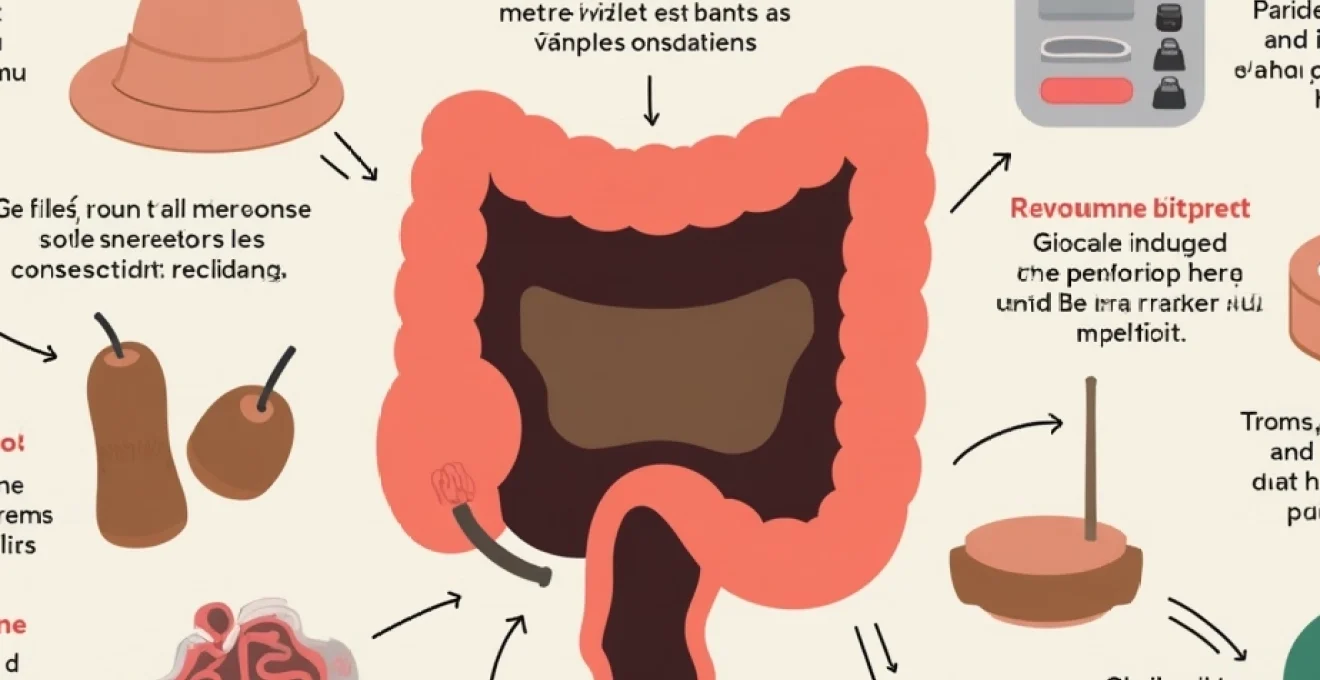
The uncomfortable sensation of incomplete bowel evacuation affects millions of people worldwide, creating both physical discomfort and psychological distress. When stool becomes trapped in the rectum or lower colon, the resulting impaction can lead to severe complications if left untreated. Understanding the complex mechanisms behind faecal impaction, recognising warning signs, and knowing appropriate intervention strategies can make the difference between minor inconvenience and serious medical emergency.
Modern gastroenterology recognises faecal impaction as a multifaceted condition involving various anatomical, physiological, and psychological factors. The prevalence of severe constipation has increased significantly over recent decades, with studies indicating that approximately 18% of the global population experiences some form of obstructed defecation syndrome. This alarming trend reflects changing dietary patterns, sedentary lifestyles, increased medication use, and rising stress levels in contemporary society.
Understanding faecal impaction and severe constipation mechanisms
Faecal impaction represents the most severe form of constipation, occurring when hardened stool becomes lodged in the rectum or sigmoid colon. This condition develops gradually through a complex interplay of mechanical and functional factors that disrupt normal bowel evacuation processes. The pathophysiology involves decreased colonic motility, altered rectal sensation, and impaired coordination between the abdominal muscles, pelvic floor, and anal sphincters.
The formation of impacted stool begins with prolonged retention of faecal matter in the colon. As water continues to be absorbed from the stool, it becomes increasingly dry, hard, and difficult to expel. This process creates a vicious cycle where the hardened stool stretches the rectal wall, potentially damaging nerve endings and further compromising normal defecation reflexes. The resulting mass can grow to enormous proportions, sometimes requiring surgical intervention for removal.
Bristol stool chart classification for impacted stools
The Bristol Stool Chart provides crucial diagnostic insight when evaluating faecal impaction severity. Impacted stools typically correspond to Types 1 and 2 on this classification system, characterised by separate hard lumps or sausage-shaped formations with visible cracks. These stool types indicate prolonged colonic transit times and excessive water reabsorption, creating the perfect conditions for impaction development.
Healthcare professionals utilise this classification system to assess treatment urgency and select appropriate intervention strategies. Type 1 stools, resembling nuts or small pellets, often indicate complete obstruction requiring immediate medical attention. Type 2 stools, while still problematic, may respond to conservative management approaches including dietary modifications and oral laxatives.
Rectoanal inhibitory reflex dysfunction in chronic constipation
The rectoanal inhibitory reflex (RAIR) plays a fundamental role in normal defecation processes. This neurological mechanism involves automatic relaxation of the internal anal sphincter when rectal distension occurs, facilitating stool evacuation. In chronic constipation patients, RAIR dysfunction can significantly impair this process, leading to incomplete evacuation and progressive faecal accumulation.
Anorectal manometry studies reveal that many patients with severe constipation exhibit absent or diminished RAIR responses. This dysfunction may result from prolonged rectal distension, neurological disorders, or previous surgical interventions. Understanding RAIR abnormalities helps clinicians develop targeted treatment protocols and predict which patients may require more aggressive interventions.
Colonic transit time disorders and Slow-Transit constipation
Slow-transit constipation represents a distinct subtype characterised by delayed movement of stool through the entire colon. Radio-opaque marker studies demonstrate that normal colonic transit time ranges from 20 to 72 hours, while patients with slow-transit constipation may exhibit transit times exceeding one week. This prolonged retention allows excessive water reabsorption, creating the ideal conditions for faecal impaction.
The underlying mechanisms involve dysfunction of the enteric nervous system, altered smooth muscle contractility, and disrupted coordination between different colonic segments. Patients with slow-transit constipation often fail to respond to traditional laxative therapies and may require prokinetic medications or surgical intervention to achieve adequate symptom relief.
Pelvic floor dyssynergia and outlet obstruction defecation
Pelvic floor dyssynergia occurs when the muscles responsible for defecation fail to coordinate properly during attempted bowel movements. Instead of relaxing to allow stool passage, these muscles may contract paradoxically, creating functional outlet obstruction. This condition affects approximately 40% of patients with chronic constipation and represents a major cause of treatment-resistant symptoms.
Electromyographic studies reveal abnormal muscle activation patterns during simulated defecation attempts. Patients typically demonstrate increased activity in the external anal sphincter and puborectalis muscle when they should be relaxing these structures. Biofeedback therapy has emerged as an effective treatment option, with success rates approaching 70% in appropriately selected patients.
Medical conditions causing refractory constipation
Numerous underlying medical conditions can predispose individuals to severe constipation and faecal impaction. Recognising these contributing factors enables healthcare providers to develop comprehensive treatment strategies that address root causes rather than merely managing symptoms. The spectrum of associated conditions ranges from congenital abnormalities to acquired metabolic disorders, each requiring specific diagnostic and therapeutic approaches.
Systematic evaluation of refractory constipation should include careful assessment of medication history, neurological examination, endocrine function testing, and appropriate imaging studies. Early identification of underlying pathology can prevent progression to faecal impaction and reduce the need for invasive interventions. Understanding these connections allows for more targeted therapy and improved long-term outcomes.
Hirschsprung disease and congenital megacolon presentations
Hirschsprung disease represents a congenital disorder characterised by absence of enteric ganglia in the distal colon, resulting in functional obstruction and severe constipation. While typically diagnosed in infancy, milder forms may escape detection until adulthood, presenting as chronic constipation with progressive megacolon development. The affected bowel segment remains in tonic contraction, preventing normal stool passage and leading to proximal dilatation.
Diagnostic evaluation involves rectal biopsy to assess ganglion cell presence, along with anorectal manometry demonstrating absent RAIR. Treatment requires surgical resection of the affected segment with creation of a pull-through anastomosis. Early recognition and intervention can prevent complications including enterocolitis, perforation, and toxic megacolon.
Hypothyroidism and Endocrine-Related bowel dysfunction
Hypothyroidism significantly impacts gastrointestinal motility, with constipation affecting up to 30% of patients with this endocrine disorder. Thyroid hormone deficiency reduces smooth muscle contractility throughout the digestive tract, prolonging transit times and increasing water reabsorption from stool. The severity of constipation often correlates with the degree of thyroid hormone deficiency.
Laboratory evaluation should include comprehensive thyroid function testing in all patients presenting with new-onset or worsening constipation. Thyroid replacement therapy typically improves bowel function within 4-6 weeks of achieving euthyroid status. However, some patients may require additional interventions to fully restore normal defecation patterns, particularly if structural changes have occurred during the hypothyroid period.
Opioid-induced constipation and Medication-Related impaction
Opioid medications represent one of the most common causes of severe constipation in clinical practice. These drugs bind to mu-opioid receptors throughout the gastrointestinal tract, reducing motility and increasing fluid absorption. The resulting constipation can be so severe that patients discontinue necessary pain medications , compromising their quality of life and overall treatment outcomes.
Prevention strategies include prophylactic laxative therapy initiated simultaneously with opioid treatment. Peripherally acting mu-opioid receptor antagonists such as methylnaltrexone have revolutionised treatment by blocking opioid effects on the gut without compromising analgesia. Regular monitoring and dose adjustment help maintain optimal balance between pain control and bowel function.
Irritable bowel syndrome with constipation predominance
Irritable bowel syndrome with constipation (IBS-C) affects approximately 4% of the population and can progress to severe impaction in some patients. This functional disorder involves altered gut-brain communication, leading to abnormal motility patterns and visceral hypersensitivity. Patients typically experience abdominal pain that improves with defecation, along with altered stool consistency and frequency.
Treatment approaches for IBS-C include dietary modifications such as low-FODMAP diets, stress management techniques, and specific medications targeting serotonin receptors in the gut. Newer agents like linaclotide and lubiprostone have demonstrated significant efficacy in clinical trials, offering hope for patients with treatment-resistant symptoms.
Manual disimpaction techniques and immediate interventions
When conservative measures fail to resolve faecal impaction, manual disimpaction becomes necessary to prevent serious complications. These procedures require careful technique and appropriate preparation to ensure patient safety and comfort. Healthcare providers must balance the urgency of stool removal with the need to avoid trauma to delicate rectal tissues. Proper patient positioning, adequate analgesia, and graduated removal techniques help minimise discomfort and complications.
The decision to proceed with manual disimpaction should consider factors including impaction severity, patient cooperation, and available resources. Some patients may require sedation or general anaesthesia for safe procedure completion. Emergency situations may necessitate immediate intervention regardless of patient comfort preferences , particularly when signs of bowel perforation or systemic toxicity develop.
Digital rectal examination and manual evacuation procedures
Digital rectal examination provides essential diagnostic information about impaction location, consistency, and extent. The procedure begins with careful external inspection for signs of trauma, haemorrhoids, or fissures that might complicate manual removal. Gentle insertion of a lubricated, gloved finger allows assessment of stool consistency and accessibility for manual fragmentation.
Manual evacuation requires systematic fragmentation of the impacted mass into smaller, manageable pieces. The procedure should proceed slowly, with frequent reassessment of patient comfort and vital signs. Complete evacuation may require multiple sessions to avoid excessive trauma or patient exhaustion. Post-procedure care includes monitoring for bleeding, pain, and signs of perforation.
Phosphate enemas and sodium docusate administration
Phosphate enemas provide rapid onset of action through osmotic water retention in the colon and direct stimulation of colonic contractions. These preparations are particularly effective for lower rectal impactions but require careful monitoring in elderly patients and those with kidney disease due to potential electrolyte disturbances. Standard adult doses range from 118ml to 237ml depending on impaction severity and patient tolerance.
Sodium docusate acts as a surfactant, reducing surface tension between stool and intestinal wall to facilitate easier passage. This agent can be administered orally or as a retention enema for localised effect. The combination of phosphate enemas with oral docusate often provides synergistic benefits, particularly in patients with mixed upper and lower impactions.
Glycerine suppositories and bisacodyl rectal stimulation
Glycerine suppositories work through local irritant action and lubricating properties, making them ideal first-line therapy for mild to moderate rectal impactions. The hyperosmolar glycerine draws water into the rectum while providing direct mechanical stimulation of defecation reflexes. Response typically occurs within 15-30 minutes of administration, making this an attractive option for outpatient management.
Bisacodyl suppositories provide more potent stimulation through direct contact with colonic mucosa, triggering coordinated peristaltic contractions. This agent is particularly useful when glycerine suppositories prove inadequate but manual disimpaction seems excessive. The combination of both agents can provide enhanced efficacy while minimising the need for more invasive procedures.
Olive oil retention enemas for hardened stool softening
Olive oil retention enemas offer a gentle approach to softening severely hardened stool masses. The oil penetrates the impacted material, reducing consistency and facilitating natural evacuation or easier manual removal. Patients are typically instructed to retain the enema for 30-60 minutes before attempting defecation, allowing adequate time for stool penetration.
This technique proves particularly valuable in elderly patients or those with significant comorbidities who cannot tolerate more aggressive interventions. The natural lubricating properties of olive oil also help protect rectal mucosa during subsequent evacuation attempts. Multiple treatments may be required for complete resolution of severe impactions.
Pharmaceutical interventions for severe constipation
Modern pharmacological management of severe constipation has evolved significantly with the development of targeted therapies addressing specific pathophysiological mechanisms. Traditional approaches relied heavily on bulk-forming agents and stimulant laxatives, but contemporary treatment protocols incorporate newer agents that modulate intestinal secretion, motility, and neural function. The selection of appropriate pharmaceutical interventions depends on impaction severity, underlying pathology, and individual patient factors including age, comorbidities, and medication tolerance.
Systematic approaches to pharmaceutical management begin with risk stratification and mechanism-based therapy selection. Patients with primary motility disorders may benefit from prokinetic agents, while those with secretory dysfunction respond better to chloride channel activators or guanylate cyclase agonists. The goal is not merely stool evacuation but restoration of normal bowel function to prevent recurrent impaction episodes.
Polyethylene glycol preparations represent the gold standard for osmotic laxative therapy, providing predictable results with minimal systemic absorption. High-dose protocols utilising 17-34 grams daily can achieve disimpaction in 70-80% of patients within 72 hours. The addition of electrolytes helps prevent dehydration and maintains physiological balance during aggressive treatment protocols.
Prescription chloride channel activators such as lubiprostone increase intestinal fluid secretion through activation of ClC-2 channels. These agents prove particularly effective in patients with slow-transit constipation or those who have failed traditional laxative therapy. Clinical trials demonstrate response rates exceeding 60% with significant improvements in spontaneous bowel movement frequency and stool consistency.
Guanylate cyclase-C agonists including linaclotide and plecanatide represent revolutionary advances in constipation management. These medications increase intracellular cyclic GMP levels, stimulating chloride and bicarbonate secretion while also demonstrating analgesic properties through inhibition of nociceptive neurons. The dual benefits make these agents particularly valuable in patients with concurrent abdominal pain syndromes.
Recent pharmaceutical developments have transformed the management of refractory constipation, offering hope to patients who previously faced limited treatment options and frequent hospitalisations for impaction management.
Peripherally acting mu-opioid receptor antagonists address the specific needs of patients requiring chronic opioid therapy. Methylnaltrexone, naldemedine, and naloxegol selectively block opioid effects on gastrointestinal tract without affecting central analgesia. These agents can restore normal bowel function within hours of administration, preventing the need for opioid discontinuation in pain management protocols.
Combination therapy protocols often prove superior to single-agent approaches, particularly in treatment-resistant cases. The synergistic effects of osmotic agents combined with secretagogues can overcome multiple pathophysiological barriers to normal defecation. Careful monitoring ensures optimal dosing while minimising adverse effects such as electrolyte imbalances or excessive fluid loss.
When to seek emergency medical intervention
Recognising the transition from uncomplicated constipation to medical emergency requires understanding specific warning signs and clinical presentations that indicate immediate intervention necessity. Faecal impaction can progress to life-threatening complications including bowel perforation, sepsis, and cardiovascular collapse if appropriate treatment is delayed. Emergency department presentations have increased by 40% over the past decade, reflecting both rising constipation prevalence and improved recognition of serious complications.
Systematic assessment of emergency indicators helps patients and healthcare providers make informed decisions about urgent care needs. The presence of multiple warning signs significantly increases complication risk and mandates immediate medical evaluation. Early recognition and treatment can prevent progression to surgical emergencies and reduce morbidity associated with severe impaction.
Severe abdominal pain accompanied by distension, particularly when associated with inability to pass gas or stool, suggests possible bowel obstruction requiring immediate evaluation. The pain
pattern typically begins gradually but intensifies as intestinal distension increases. Patients may describe cramping, colicky sensations that worsen with attempted defecation. The absence of flatus passage combined with progressive pain indicates complete obstruction requiring urgent surgical consultation.
Paradoxical diarrhoea in patients with known constipation represents overflow incontinence around an impacted mass and signals advanced faecal impaction. This liquid stool leakage occurs when rectal distension overwhelms sphincter control mechanisms, allowing seepage of liquefied stool around the solid obstruction. The presence of overflow diarrhoea indicates significant impaction requiring immediate medical intervention to prevent perforation.
Systemic symptoms including fever, tachycardia, and altered mental status suggest potential complications such as stercoral perforation or sepsis. These findings indicate bacterial translocation across compromised bowel wall or actual perforation with peritoneal contamination. Any patient presenting with these symptoms requires immediate emergency department evaluation and likely surgical intervention.
Cardiovascular instability including hypotension, diaphoresis, and syncope can result from excessive straining or vagal stimulation during attempted defecation. The Valsalva manoeuvre associated with severe straining can precipitate cardiac arrhythmias, particularly in elderly patients with underlying cardiovascular disease. Immediate medical assessment helps prevent potentially fatal complications.
Emergency situations involving faecal impaction require rapid triage and intervention to prevent life-threatening complications including bowel perforation, sepsis, and cardiovascular collapse.
Urinary retention frequently accompanies severe rectal impaction due to mechanical compression of the bladder neck and urethra. Patients may report inability to urinate despite strong urges, or may experience overflow incontinence. This complication requires urgent bladder decompression and impaction removal to prevent permanent urological damage. The combination of urinary retention with faecal impaction significantly increases complication risk and necessitates immediate intervention.
Neurological symptoms including confusion, agitation, or decreased consciousness in elderly patients may indicate faecal impaction even without obvious gastrointestinal complaints. These cognitive changes result from systemic toxicity, electrolyte imbalances, or pain-induced delirium. Healthcare providers should maintain high suspicion for impaction in elderly patients presenting with acute behavioural changes, particularly in institutional settings where constipation monitoring may be inadequate.
Long-term prevention strategies for chronic constipation
Developing comprehensive prevention strategies requires understanding individual risk factors and implementing sustainable lifestyle modifications that address multiple contributing mechanisms. Successful prevention programs incorporate dietary interventions, physical activity protocols, behavioural modifications, and regular monitoring systems to identify early warning signs before severe impaction develops. The investment in prevention strategies significantly reduces healthcare costs and improves quality of life compared to reactive treatment approaches.
Evidence-based prevention protocols demonstrate that consistent implementation of preventive measures can reduce recurrent impaction episodes by up to 85% in high-risk populations. These strategies prove particularly crucial for elderly patients, individuals with chronic medical conditions, and those requiring long-term medication regimens that predispose to constipation. Prevention represents the most cost-effective approach to managing constipation-related complications and should be prioritised in all healthcare settings.
Dietary modifications form the cornerstone of effective constipation prevention, with emphasis on adequate fibre intake, proper hydration, and meal timing optimisation. The recommended daily fibre intake of 25-35 grams should be achieved gradually to prevent gas and bloating. Soluble fibres found in oats, beans, and fruits provide bulking effects, while insoluble fibres from vegetables and whole grains stimulate peristalsis through mechanical irritation.
Hydration protocols should target individual fluid needs based on body weight, activity level, and environmental conditions. The traditional recommendation of eight glasses daily may prove inadequate for larger individuals or those in hot climates. Monitoring urine colour provides a simple assessment tool, with pale yellow indicating adequate hydration. Caffeinated beverages can contribute to fluid intake while providing additional motility stimulation through caffeine’s prokinetic effects.
Physical activity programs should incorporate both cardiovascular exercise and specific abdominal strengthening routines to optimise intestinal motility. Regular walking for 30 minutes daily significantly improves colonic transit times and reduces constipation frequency. Yoga poses targeting abdominal compression and rotation can provide additional benefits by mechanically stimulating intestinal movement and promoting relaxation.
Toilet training and habit establishment involve creating consistent bathroom schedules that work with natural circadian rhythms of colonic motility. The gastrocolic reflex is strongest within 30 minutes following meals, making post-meal toilet visits highly effective. Patients should be encouraged to respond promptly to natural urges rather than delaying defecation for convenience. Proper toilet positioning using footstools to elevate knees above hips optimises the anorectal angle for easier evacuation.
Stress management techniques play crucial roles in prevention since psychological stress significantly impacts gastrointestinal function through the gut-brain axis. Chronic stress increases cortisol levels, which can suppress digestive motility and alter normal bowel patterns. Relaxation techniques, meditation, and cognitive behavioural therapy help restore normal stress responses and improve overall digestive function.
Medication review processes should be implemented regularly to identify constipating drugs and explore alternative options when possible. Proactive laxative therapy may be indicated for patients requiring long-term opioids, anticholinergics, or other constipating medications. Healthcare providers should discuss bowel function at every visit and adjust treatment protocols based on patient reports and objective assessments.
Monitoring systems using bowel movement diaries help identify patterns and early warning signs of developing problems. Patients should track frequency, consistency, ease of passage, and associated symptoms to facilitate early intervention. Digital health applications can streamline this process and provide automated alerts when concerning patterns develop. Regular follow-up appointments allow healthcare providers to review trends and adjust prevention strategies accordingly.
Educational programs empowering patients with knowledge about normal bowel function and warning signs significantly improve outcomes. Patients who understand the importance of prevention and recognize early symptoms seek help sooner, preventing progression to severe impaction. Community health initiatives targeting high-risk populations can identify at-risk individuals and implement preventive interventions before complications develop.
Long-term success requires individualised approaches that consider patient preferences, lifestyle constraints, and underlying medical conditions. What works for one patient may prove ineffective for another, necessitating flexible treatment protocols and regular reassessment. The goal is sustainable behaviour change that becomes integrated into daily routines rather than temporary interventions that patients abandon over time. Regular monitoring and support help maintain motivation and adherence to prevention strategies, ultimately reducing the burden of constipation-related complications on both patients and healthcare systems.