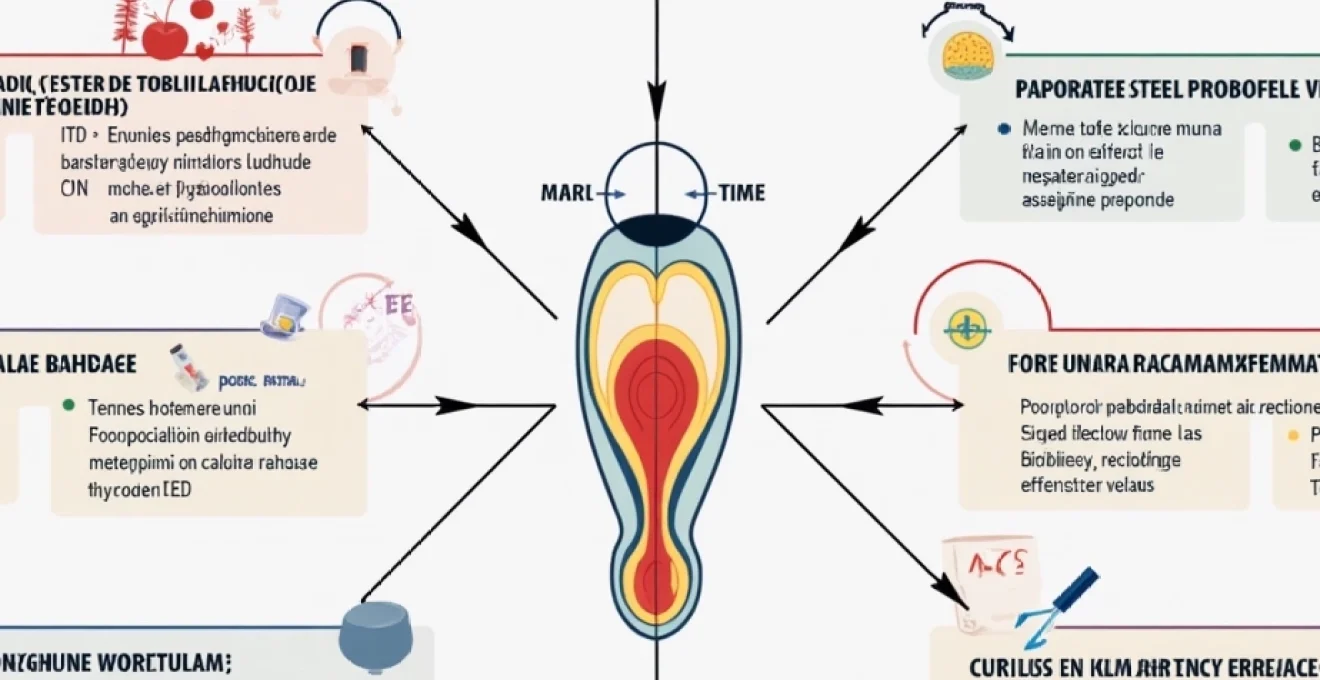
Eustachian tube dysfunction (ETD) affects millions of individuals worldwide, causing debilitating symptoms including ear pressure, hearing impairment, and recurrent middle ear infections. This condition occurs when the narrow tube connecting the middle ear to the nasopharynx fails to open properly, creating negative pressure that pulls the eardrum inward. While traditional treatments have focused on decongestants and surgical interventions, prednisolone and other corticosteroids have emerged as valuable therapeutic options for managing the inflammatory component of ETD. Understanding the mechanisms by which these powerful anti-inflammatory agents work can help clinicians optimise treatment protocols and improve patient outcomes.
Eustachian tube dysfunction pathophysiology and prednisolone’s Anti-Inflammatory mechanisms
Mucosal inflammation and ciliary dysfunction in ETD pathogenesis
The eustachian tube’s delicate mucosal lining becomes compromised when exposed to inflammatory mediators, creating a cascade of dysfunction that prednisolone can effectively target. Inflammatory cytokines such as interleukin-1β, tumour necrosis factor-α, and interleukin-6 cause significant swelling of the tubal mucosa, narrowing the already restricted passageway. This inflammation disrupts the normal ciliary action responsible for clearing mucus and debris from the middle ear space.
When ciliary function becomes impaired, mucus accumulates within the eustachian tube, creating an environment conducive to bacterial proliferation and further inflammatory responses. Prednisolone’s potent anti-inflammatory properties directly address this pathological process by suppressing the production of inflammatory mediators and restoring normal mucosal function. The medication’s ability to reduce vascular permeability also helps minimise tissue oedema, allowing the eustachian tube to regain its normal calibre.
Glucocorticoid receptor activation and cytokine suppression pathways
Prednisolone exerts its therapeutic effects through binding to glucocorticoid receptors present throughout the respiratory epithelium lining the eustachian tube. Upon receptor binding, the prednisolone-receptor complex translocates to the nucleus, where it acts as a transcription factor to suppress pro-inflammatory gene expression. This mechanism is particularly relevant in ETD management because it targets the underlying inflammatory pathways rather than merely addressing symptoms.
The medication specifically downregulates nuclear factor-κB (NF-κB), a master regulator of inflammatory responses that becomes overactive in chronic eustachian tube dysfunction. Through NF-κB suppression , prednisolone reduces the production of inflammatory prostaglandins, leukotrienes, and histamine, creating a more favourable environment for eustachian tube recovery. This molecular-level intervention explains why corticosteroids often provide more comprehensive relief than traditional decongestants alone.
Adenoid hypertrophy and nasopharyngeal inflammatory response
Adenoid tissue enlargement frequently contributes to eustachian tube dysfunction, particularly in paediatric populations where this lymphoid tissue remains prominent. Chronic inflammation of the adenoids creates a reservoir of inflammatory mediators that directly affect the nearby eustachian tube openings. Prednisolone’s systemic anti-inflammatory action can significantly reduce adenoid swelling, improving eustachian tube function without requiring surgical intervention.
The nasopharyngeal space surrounding the eustachian tube opening often becomes congested due to allergic rhinitis, viral upper respiratory infections, or chronic sinusitis. Prednisolone’s broad-spectrum anti-inflammatory activity addresses multiple sources of inflammation simultaneously, making it particularly effective for patients with complex ETD presentations involving multiple inflammatory triggers.
Tensor veli palatini muscle dysfunction and corticosteroid effects
The tensor veli palatini muscle plays a crucial role in eustachian tube opening during swallowing and yawning. Inflammatory mediators can disrupt normal muscle function, leading to inadequate tube opening even when patients attempt compensatory manoeuvres like the Valsalva technique. Research suggests that corticosteroids may help restore normal neuromuscular function by reducing inflammation around nerve pathways controlling this muscle.
Prednisolone’s effects on muscle function extend beyond direct anti-inflammatory action, potentially influencing the neural control mechanisms that coordinate eustachian tube opening. This explains why some patients experience rapid improvement in their ability to equalise ear pressure following corticosteroid treatment, even before significant mucosal changes become apparent on examination.
Clinical efficacy studies of prednisolone in eustachian tube disorders
Randomised controlled trials: prednisolone vs placebo in chronic ETD
Clinical evidence supporting prednisolone use in eustachian tube dysfunction comes from several well-designed randomised controlled trials examining both short-term and long-term outcomes. A Cochrane systematic review analysing data from multiple studies found that oral corticosteroids improved otitis media with effusion resolution rates by approximately 350% compared to placebo during the first month of treatment. These studies typically employed prednisolone doses ranging from 1-2 mg/kg daily for children and 40-60 mg daily for adults.
However, the same meta-analysis revealed that benefits did not persist beyond four weeks after treatment cessation, highlighting the importance of addressing underlying inflammatory triggers. Studies consistently demonstrate that whilst prednisolone provides excellent short-term symptom relief, patients often require additional interventions to maintain long-term eustachian tube function. This limitation has led researchers to investigate combination therapies and extended treatment protocols.
Paediatric studies: adenoidectomy combined with corticosteroid therapy
Paediatric populations present unique challenges in ETD management due to anatomical differences in eustachian tube orientation and the prevalence of adenoid hypertrophy. Studies examining prednisolone as an adjunct to adenoidectomy have shown promising results, with some research indicating that perioperative corticosteroid administration can improve surgical outcomes and reduce postoperative complications.
One significant study of 156 children undergoing adenoidectomy for chronic ETD found that those receiving prednisolone 1 mg/kg daily for five days postoperatively had a 40% lower rate of recurrent symptoms at six-month follow-up. The combination approach addresses both the mechanical obstruction caused by enlarged adenoids and the inflammatory component that often persists after surgical removal.
Adult barotrauma cases: Short-Course prednisolone outcomes
Adults experiencing eustachian tube dysfunction following barotrauma represent a distinct population where prednisolone has demonstrated particular efficacy. Flight-related ear injuries often involve acute inflammatory responses that respond well to prompt corticosteroid intervention. Case series have documented rapid symptom resolution in over 85% of patients treated with prednisolone within 48 hours of barotrauma onset.
Treatment protocols for barotrauma typically involve higher initial doses (1 mg/kg daily) for 5-7 days, followed by a tapering schedule over 10-14 days. This approach recognises that acute inflammatory responses require more aggressive intervention than chronic conditions. Early prednisolone administration can prevent the development of chronic ETD in patients who might otherwise require long-term management or surgical intervention.
Tympanometric improvements following oral corticosteroid treatment
Objective measurements using tympanometry provide valuable insights into prednisolone’s effects on eustachian tube function. Studies consistently demonstrate improvements in tympanic membrane compliance and middle ear pressure measurements following corticosteroid treatment. Typical improvements include restoration of Type A tympanograms in 60-70% of patients with initial Type B or C patterns.
Pneumatic otoscopy findings also show significant improvement, with studies reporting enhanced tympanic membrane mobility in approximately 75% of patients completing prednisolone courses. These objective improvements often precede subjective symptom relief, suggesting that corticosteroids restore physiological function before patients notice symptomatic changes . This finding supports the use of objective measures to monitor treatment response and guide therapy duration.
Prednisolone dosing protocols and treatment duration for ETD management
Establishing appropriate prednisolone dosing for eustachian tube dysfunction requires careful consideration of patient age, symptom severity, and underlying inflammatory triggers. Adult treatment typically begins with 40-60 mg daily (approximately 1 mg/kg) for acute presentations, whilst chronic cases may respond to lower doses of 20-30 mg daily. Paediatric dosing follows weight-based calculations, generally 1-2 mg/kg daily, with careful attention to maximum dose limits and growth considerations.
Treatment duration varies significantly based on clinical presentation and response patterns. Acute ETD following upper respiratory infections often resolves with 5-7 day courses, whilst chronic inflammatory conditions may require 10-14 day treatments with gradual tapering schedules. Longer treatment courses necessitate careful monitoring for adverse effects , particularly in patients with diabetes, hypertension, or psychiatric conditions that may be exacerbated by corticosteroid therapy.
Some clinicians employ pulse dosing strategies for recurrent ETD, using short courses of prednisolone (3-5 days) at the onset of symptom flares. This approach aims to interrupt inflammatory cascades before they become established, potentially reducing the need for more intensive interventions. However, repeated corticosteroid exposure requires careful risk-benefit assessment, particularly regarding potential impacts on bone density and immune function.
Tapering schedules become essential for treatment courses exceeding seven days, as abrupt discontinuation can lead to rebound inflammation and symptom recurrence. Typical tapering involves reducing the dose by 25-50% every 2-3 days, though individual patient factors may necessitate more gradual reductions. Patients experiencing symptom recurrence during tapering may benefit from slower dose reductions or combination therapy with topical nasal corticosteroids.
Contraindications and adverse effects of corticosteroid therapy in otological practice
Prednisolone use in eustachian tube dysfunction management requires careful patient screening to identify contraindications and minimise adverse effects. Absolute contraindications include active systemic infections, live virus vaccinations within the previous month, and known hypersensitivity to corticosteroids. Relative contraindications encompass diabetes mellitus, peptic ulcer disease, osteoporosis, and psychiatric disorders, though these conditions don’t necessarily preclude treatment with appropriate monitoring.
Gastrointestinal complications represent the most common adverse effects, with studies reporting stomach upset in approximately 15-20% of patients receiving short-course prednisolone for ETD. More serious complications including peptic ulceration occur in less than 2% of patients during brief treatment courses, though risk increases significantly with prolonged therapy. Concurrent proton pump inhibitor therapy may be warranted for patients with previous peptic ulcer disease or concurrent NSAID use.
Endocrine effects, particularly glucose elevation, require monitoring in diabetic patients and those with insulin resistance. Blood glucose increases of 20-40% above baseline commonly occur within 2-3 days of treatment initiation, necessitating temporary insulin adjustments in affected individuals. Psychiatric effects, including mood elevation, anxiety, and sleep disturbances, affect approximately 10-15% of patients and typically resolve within days of treatment completion.
Bone density concerns arise primarily with repeated or prolonged corticosteroid courses rather than single treatment episodes. However, patients with pre-existing osteoporosis require careful consideration of calcium and vitamin D supplementation during treatment. Growth suppression in children becomes a consideration for repeated courses, though single treatment episodes rarely cause measurable growth effects when properly dosed.
The benefits of corticosteroids in ETD management must be weighed against potential risks, with particular attention to patient-specific factors that may increase susceptibility to adverse effects.
Alternative corticosteroid formulations: intranasal fluticasone vs oral prednisolone
Intranasal corticosteroids offer an attractive alternative to systemic prednisolone therapy, providing localised anti-inflammatory effects with reduced systemic exposure. Fluticasone propionate, mometasone furoate, and budesonide represent the most commonly prescribed intranasal formulations for ETD management. These medications directly target nasal and nasopharyngeal inflammation that contributes to eustachian tube dysfunction, particularly in patients with concurrent allergic rhinitis or chronic sinusitis.
Comparative studies between intranasal corticosteroids and oral prednisolone reveal distinct efficacy patterns. Whilst oral prednisolone provides more rapid symptom relief, typically within 24-48 hours, intranasal formulations require 1-2 weeks to achieve maximal benefit. However, intranasal corticosteroids demonstrate superior long-term outcomes for patients with chronic ETD, maintaining therapeutic effects throughout continued use without the systemic risks associated with oral therapy.
The mechanism of action differs significantly between formulations, with intranasal corticosteroids primarily targeting mucosal inflammation at the eustachian tube opening and surrounding nasopharyngeal tissues. Proper administration technique becomes crucial for optimal outcomes, requiring patients to direct spray toward the ipsilateral eye rather than straight up the nostril. This technique ensures medication reaches the posterior nasal cavity where eustachian tube openings are located.
Combination therapy using both oral and intranasal corticosteroids has shown promise in selected cases, particularly for patients with severe acute presentations requiring rapid symptom control alongside long-term maintenance therapy. This approach allows for aggressive initial treatment with oral prednisolone while establishing baseline intranasal therapy for sustained improvement. However, combination protocols require careful monitoring for cumulative corticosteroid effects and should be reserved for cases where monotherapy proves insufficient.
Integration with conventional ETD treatments: myringotomy, grommets, and eustachian tube balloon dilation
Prednisolone therapy often serves as a bridge to surgical intervention or as an adjunct to procedural treatments for eustachian tube dysfunction. Preoperative corticosteroid administration can optimise surgical outcomes by reducing mucosal inflammation and improving tissue healing responses. Studies examining prednisolone use before myringotomy with grommet insertion demonstrate reduced postoperative complications and improved long-term tube patency rates.
The timing of corticosteroid administration relative to surgical procedures requires careful coordination between medical and surgical teams. Optimal protocols typically involve initiating prednisolone 3-5 days before planned myringotomy, continuing through the perioperative period, and tapering over 7-10 days postoperatively. This approach addresses both pre-existing inflammation that may compromise surgical success and postoperative inflammatory responses that could impair healing.
Eustachian tube balloon dilation represents a newer surgical technique where prednisolone’s role continues to evolve through ongoing research. Preliminary studies suggest that perioperative corticosteroid therapy may enhance balloon dilation outcomes by maintaining reduced inflammation during the critical healing period following the procedure. However, optimal dosing and timing protocols for this indication remain under investigation.
The integration of prednisolone therapy with surgical interventions requires individualised treatment planning based on patient factors, symptom severity, and surgical approach selected.
Conservative management approaches often incorporate prednisolone as part of comprehensive treatment protocols including nasal irrigation, autoinsufflation techniques, and allergen avoidance measures. This multimodal approach recognises that eustachian tube dysfunction often involves multiple contributing factors requiring simultaneous intervention. Prednisolone’s broad anti-inflammatory effects complement other conservative treatments by addressing the underlying inflammatory pathways that perpetuate dysfunction regardless of the initiating cause.
Long-term management strategies may involve periodic prednisolone courses for patients experiencing recurrent ETD episodes, particularly those associated with seasonal allergies or viral upper respiratory infections. These targeted interventions aim to interrupt inflammatory cascades before they become self-perpetuating, potentially reducing the frequency and severity of symptomatic episodes. However, such approaches require ongoing assessment of cumulative corticosteroid exposure and consideration of alternative maintenance therapies for patients requiring frequent treatment courses.