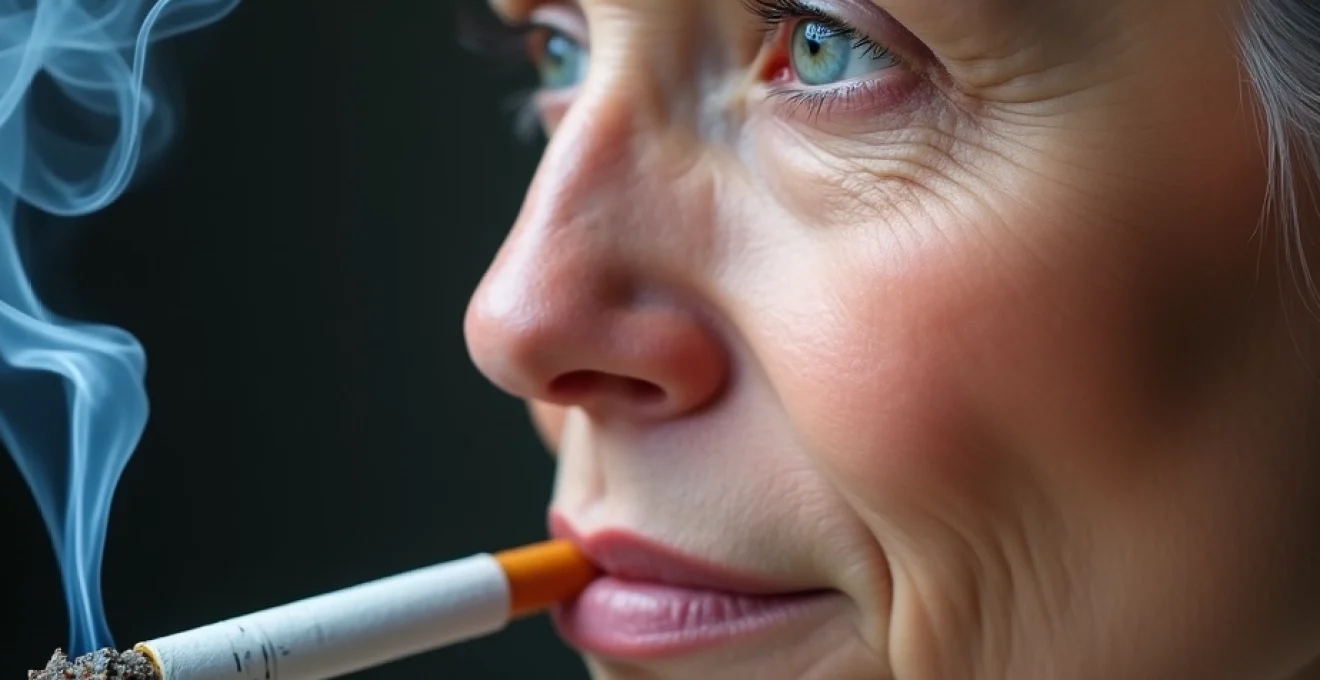
The pursuit of youthful vitality has driven countless research studies examining factors that accelerate the aging process. Among the most significant contributors to premature aging, tobacco consumption and excessive alcohol intake stand out as two of the most damaging lifestyle choices. These substances don’t merely affect individual organs—they trigger cascading biological processes that fundamentally alter how our bodies age at the cellular level.
Recent multinational studies involving over 3,000 participants have revealed startling connections between smoking, heavy drinking, and visible signs of accelerated aging. The evidence demonstrates that smokers in their 40s often display facial wrinkles equivalent to those of non-smokers in their 60s, while heavy drinkers show distinct patterns of facial volume loss and vascular damage that extend far beyond cosmetic concerns.
Understanding the specific mechanisms behind substance-induced aging provides crucial insights for both prevention and intervention strategies. The biological pathways affected by tobacco and alcohol create distinct aging signatures that manifest differently across various body systems, from skin deterioration to cardiovascular decline.
Cellular mechanisms behind Smoking-Induced accelerated ageing
Tobacco smoke contains over 7,000 chemicals and compounds that immediately reach the lungs upon inhalation, subsequently travelling through the bloodstream to every organ system. This chemical assault triggers multiple aging pathways simultaneously, creating a perfect storm of cellular damage that accelerates the natural aging process far beyond chronological time.
Telomere shortening and chromosomal instability in smokers
Telomeres, the protective DNA-protein structures at chromosome ends, serve as biological clocks for cellular aging. Research has consistently shown that smokers experience accelerated telomere shortening, with some studies indicating that smoking can age cellular structures by up to ten years beyond chronological age. The toxic compounds in tobacco smoke directly damage telomerase activity, the enzyme responsible for maintaining telomere length, leading to premature cellular senescence.
This chromosomal instability doesn’t occur uniformly across all cell types. Skin cells, particularly those in sun-exposed areas, show the most dramatic telomere shortening in smokers. The combination of UV radiation and tobacco toxins creates a synergistic effect that compounds DNA damage, explaining why smokers develop more severe photoaging patterns compared to non-smokers with similar sun exposure histories.
Oxidative stress pathways: ROS generation and antioxidant depletion
Smoking generates massive quantities of reactive oxygen species (ROS) that overwhelm the body’s natural antioxidant defense systems. Each cigarette introduces approximately 10^15 free radicals into the respiratory system, creating an oxidative burden that extends far beyond local tissue damage. This oxidative stress cascade affects mitochondrial function, leading to decreased cellular energy production and impaired tissue repair mechanisms.
The depletion of endogenous antioxidants like vitamin C, vitamin E, and glutathione creates a vicious cycle where the body becomes increasingly vulnerable to oxidative damage. Studies have shown that smokers require up to 40% more vitamin C intake to maintain baseline antioxidant levels, yet most smokers don’t compensate for this increased nutritional demand, perpetuating the oxidative stress cycle.
Collagen Cross-Linking disruption and elastin degradation
Tobacco smoke specifically targets the structural proteins that maintain skin integrity and elasticity. Metalloproteinases (MMPs), enzymes responsible for breaking down collagen, become dramatically upregulated in smokers. This enzymatic overactivity destroys the essential scaffold proteins that provide skin smoothness and firmness, leading to the characteristic sagging and wrinkling associated with heavy smoking.
The disruption extends beyond simple protein breakdown. Smoking alters the cross-linking patterns of newly synthesized collagen, creating weaker, less flexible fibres that cannot adequately support skin structure. This explains why surgical wounds in smokers heal more poorly and why plastic surgeons often refuse to perform cosmetic procedures on patients who won’t quit smoking.
Advanced glycation end products (AGEs) formation in tobacco users
Smoking accelerates the formation of advanced glycation end products (AGEs), harmful compounds created when proteins react with sugars in the presence of oxidative stress. These AGEs accumulate in skin, blood vessels, and other tissues, creating irreversible cross-links that stiffen tissues and impair their function. The yellowish discoloration often observed in heavy smokers’ skin results partly from AGE accumulation.
Research indicates that smokers show AGE levels comparable to individuals 10-15 years older, regardless of their actual age. This biochemical aging signature affects not only cosmetic appearance but also functional capacity, contributing to reduced skin barrier function and impaired wound healing capabilities that characterize smoking-related tissue damage.
Alcohol-related premature ageing: biochemical pathways and manifestations
Unlike the direct toxic assault of tobacco smoke, alcohol-induced aging operates through more subtle but equally damaging metabolic disruptions. Excessive alcohol consumption creates a cascade of inflammatory responses and nutritional deficiencies that gradually undermine multiple biological systems essential for maintaining youthful function and appearance.
Acetaldehyde toxicity and DNA damage accumulation
When alcohol is metabolized in the liver, it produces acetaldehyde, a highly toxic compound that directly damages DNA and proteins throughout the body. This metabolite forms DNA adducts that interfere with normal cellular replication and repair processes. Unlike other toxins that the body can neutralize relatively quickly, acetaldehyde accumulates in tissues, particularly in individuals with genetic variations affecting aldehyde dehydrogenase enzyme activity.
The DNA damage from chronic acetaldehyde exposure manifests as increased mutation rates and impaired cellular function across multiple organ systems. This explains why heavy drinkers show accelerated aging patterns even in tissues not directly exposed to alcohol, as circulating acetaldehyde affects cells throughout the body via the bloodstream.
Hepatic metabolism disruption and nutrient malabsorption
Chronic alcohol consumption fundamentally alters liver metabolism, impairing the body’s ability to process essential nutrients required for maintaining youthful cellular function. Alcohol interferes with the absorption of B-vitamins, particularly thiamine, folate, and B12, which are crucial for DNA synthesis and methylation processes that regulate gene expression patterns associated with healthy aging.
The metabolic disruption extends to fat-soluble vitamins A, D, E, and K, creating deficiencies that manifest as skin problems, bone density loss, and impaired immune function. Heavy drinkers often develop what researchers term “metabolic aging,” where cellular processes operate as if the individual were significantly older than their chronological age, even when alcohol consumption occurs without obvious liver disease.
Chronic inflammation markers: IL-6, TNF-α, and C-Reactive protein elevation
Excessive alcohol intake triggers persistent low-grade inflammation characterized by elevated levels of pro-inflammatory cytokines. Interleukin-6 (IL-6), tumor necrosis factor-alpha (TNF-α), and C-reactive protein remain chronically elevated in heavy drinkers, creating an inflammatory environment that accelerates aging across multiple tissue types.
This inflammatory profile closely resembles “inflammaging,” the chronic inflammatory state associated with normal aging but occurs decades earlier in heavy alcohol users. The elevated inflammatory markers contribute to accelerated atherosclerosis, increased insulin resistance, and enhanced susceptibility to age-related diseases that typically emerge much later in life.
Mitochondrial dysfunction and ATP synthesis impairment
Alcohol directly damages mitochondrial membranes and impairs the electron transport chain responsible for cellular energy production. This mitochondrial dysfunction reduces ATP synthesis efficiency, forcing cells to operate in a state of chronic energy deficit that mimics aged cellular metabolism.
The mitochondrial damage is particularly pronounced in tissues with high energy demands, such as cardiac muscle, brain tissue, and liver cells. This explains why heavy drinkers often experience fatigue, cognitive decline, and reduced physical capacity that typically characterize much older individuals, regardless of their actual age.
Dermatological manifestations of tobacco and alcohol consumption
The skin serves as a visible indicator of internal aging processes, making dermatological changes among the most immediately apparent consequences of tobacco and alcohol use. These substances create distinct patterns of skin damage that extend far beyond surface-level cosmetic concerns, reflecting fundamental alterations in skin structure, function, and repair capacity.
Smoker’s lines: perioral wrinkles and vertical lip creases
The repetitive muscle movements associated with smoking create characteristic vertical lines around the mouth, commonly known as smoker’s lines or perioral wrinkles. These formations result from a combination of mechanical stress from puckering motions and the underlying biochemical changes that weaken skin structure in smokers.
Beyond the mechanical component, smoking reduces blood flow to perioral tissues by up to 40%, depriving skin cells of essential nutrients and oxygen required for collagen synthesis and cellular repair. This vascular constriction, combined with the direct toxic effects of tobacco smoke on facial skin, creates an environment where fine lines rapidly develop into deep, permanent creases that resist non-invasive treatment approaches.
Alcohol-induced facial erythema and telangiectasia development
Heavy alcohol consumption causes persistent facial flushing and the development of visible blood vessels known as telangiectasias, particularly on the cheeks and nose. This vascular damage results from alcohol’s vasodilatory effects combined with inflammatory responses that weaken capillary walls over time.
The facial erythema associated with chronic drinking often progresses to permanent rosacea-like conditions that significantly age facial appearance. Research indicates that individuals consuming more than eight drinks per week show a 35% increased risk of developing visible facial blood vessels compared to non-drinkers, with wine consumption showing particularly strong associations with this type of vascular aging.
Accelerated photoageing and UV damage susceptibility
Both smoking and excessive alcohol consumption dramatically increase skin susceptibility to UV-induced aging. Smokers show enhanced photodamage because tobacco smoke downregulates aryl hydrocarbon receptors, transcription factors that normally help protect against UV-generated cellular damage.
Alcohol impairs the skin’s antioxidant defense system by reducing dermal carotenoid concentrations, leaving skin more vulnerable to free radical damage from sun exposure. Studies reveal that the combination of smoking, drinking, and sun exposure creates a synergistic aging effect where skin damage occurs up to three times faster than would be expected from any single factor alone.
Skin barrier function compromise and transepidermal water loss
Chronic exposure to tobacco and alcohol metabolites fundamentally alters skin barrier function, leading to increased transepidermal water loss and enhanced penetration of environmental toxins. This barrier dysfunction manifests as dry, rough skin texture that appears aged beyond chronological years.
The compromised barrier function also impairs the skin’s ability to retain moisture and essential lipids, creating a cycle where skin becomes increasingly vulnerable to environmental damage. Heavy smokers and drinkers often develop what dermatologists describe as “leathery” skin texture that reflects profound structural changes in the epidermis and dermis layers.
Neurological and cognitive decline patterns in substance users
The aging effects of tobacco and alcohol extend prominently into neurological function, creating patterns of cognitive decline that mirror normal aging but occur decades earlier. These neurological changes represent some of the most concerning aspects of substance-induced aging, as they affect quality of life and functional independence in ways that extend far beyond physical appearance.
Smoking accelerates brain aging through multiple mechanisms, including reduced oxygen delivery to neural tissues and increased oxidative stress that damages neurons and glial cells. Neuroimaging studies consistently show that smokers exhibit brain volume loss equivalent to individuals 10-15 years older, with particular vulnerability in regions responsible for executive function and memory processing.
The nicotine in tobacco initially provides short-term cognitive enhancement, creating a deceptive impression of improved mental function. However, chronic smoking ultimately impairs neuroplasticity—the brain’s ability to form new neural connections and adapt to challenges. This reduced plasticity accelerates age-related cognitive decline and increases vulnerability to neurodegenerative diseases.
Alcohol-induced neurological aging follows different but equally concerning patterns. Chronic ethanol exposure disrupts neurotransmitter balance and impairs the blood-brain barrier, allowing inflammatory molecules to damage brain tissue directly. Heavy drinkers show accelerated hippocampal atrophy, leading to memory problems that typically don’t emerge until much later in normal aging.
Perhaps most troubling, the combination of smoking and heavy drinking creates additive neurological damage that compounds cognitive aging effects. Individuals who both smoke and drink heavily show cognitive test performance equivalent to people 20-25 years older, representing one of the most dramatic examples of lifestyle-induced accelerated aging.
Sleep quality deterioration represents another crucial aspect of substance-induced neurological aging. Smokers experience disrupted sleep patterns, spending more time in light sleep stages and less time in restorative deep sleep phases. This sleep fragmentation accelerates brain aging and impairs the glymphatic system’s ability to clear metabolic waste products from neural tissues during rest.
Cardiovascular system deterioration and vascular ageing
The cardiovascular system bears a particularly heavy burden from tobacco and alcohol use, with both substances creating distinct patterns of vascular aging that increase the risk of heart disease, stroke, and other circulatory problems typically associated with advanced age. Understanding these cardiovascular aging patterns provides crucial insights into why smokers and heavy drinkers face such dramatically increased risks of cardiovascular events.
Smoking accelerates atherosclerosis through multiple pathways, including endothelial dysfunction, increased platelet aggregation, and enhanced inflammation within arterial walls. The toxic compounds in tobacco smoke directly damage the delicate lining of blood vessels, creating sites where cholesterol and other substances can accumulate to form arterial plaques.
What makes smoking-induced cardiovascular aging particularly concerning is its irreversible nature in many cases. Even after smoking cessation, former smokers retain elevated cardiovascular risk for years or decades, suggesting that tobacco exposure creates permanent structural changes in the cardiovascular system that continue to accelerate aging processes.
Heavy alcohol consumption creates different but equally serious cardiovascular aging patterns. Chronic drinking leads to cardiomyopathy, where heart muscle becomes weakened and enlarged, reducing the heart’s pumping efficiency in ways that mirror age-related cardiac decline. This alcohol-induced cardiac aging can occur in individuals as young as their 30s and 40s with sufficient exposure.
The vascular effects of alcohol are particularly complex because moderate consumption may offer some protective benefits, while heavy drinking clearly accelerates cardiovascular aging. Research indicates that the threshold between protective and harmful effects occurs at relatively low consumption levels—approximately 7 drinks per week for women and 14 for men—beyond which cardiovascular aging acceleration becomes apparent.
Blood pressure regulation becomes increasingly impaired with chronic substance use, creating hypertension patterns that mirror those typically seen in much older individuals.
Both smoking and heavy drinking impair the body’s natural blood pressure regulation mechanisms, leading to sustained hypertension that accelerates aging throughout the entire circulatory system. This vascular aging manifests not only in major arteries but also in the microvasculature, affecting organ function throughout the body and contributing to the multisystem aging patterns observed in chronic substance users.
Reversibility studies: recovery timelines following cessation
One of the most encouraging aspects of substance-induced aging research involves studies examining the potential for recovery following smoking and drinking cessation. While some aging effects prove irreversible, substantial evidence indicates that many biological systems can recover significant function when tobacco and alcohol exposure ends, though the timeline and extent of recovery vary considerably across different organ systems.
Smoking cessation triggers immediate improvements in some aging markers within hours to days. Blood oxygen levels normalize within 24 hours, and carbon monoxide levels drop significantly within the first week. However, the reversal of deeper aging effects requires much longer timeframes, with some benefits continuing to accrue for decades after quitting.
Skin improvements following smoking cessation become apparent within months, as blood flow to facial tissues increases and collagen synthesis gradually improves. Studies tracking former smokers show that while deep wrinkles don’t disappear, skin tone and texture continue improving for up to five years after cessation, with the most dramatic improvements occurring in the first year.
The cardiovascular system shows remarkable recovery potential following smoking cessation, though the timeline varies by specific parameter. Within one year of quitting, heart disease risk drops by approximately 50%, and within 15 years, cardiovascular risk approaches that of never-smokers for many individuals. However, some vascular damage, particularly arterial calcification, may persist indefinitely.
Alcohol cessation recovery patterns differ significantly from smoking cessation,
particularly in terms of liver function recovery and neurological healing. The liver demonstrates remarkable regenerative capacity, with significant improvements in metabolic function occurring within weeks to months of alcohol cessation. However, neurological recovery follows a much slower trajectory, with cognitive improvements continuing for years after drinking cessation.
Studies tracking individuals who quit heavy drinking show that executive function and memory performance improve gradually over 6-24 months, though some cognitive deficits may persist permanently. The extent of recovery depends largely on the duration and severity of prior alcohol exposure, with younger individuals showing greater recovery potential than older adults with longer drinking histories.
Perhaps most importantly, research indicates that the rate of aging itself slows dramatically following substance cessation. While some accumulated damage remains irreversible, the ongoing acceleration of aging processes halts, allowing individuals to return to more normal aging trajectories. This finding provides crucial motivation for cessation efforts, as it demonstrates that it’s never too late to reduce future aging acceleration, even if past damage cannot be completely undone.
The psychological benefits of cessation often precede physical improvements, with many former smokers and drinkers reporting enhanced mood, better sleep quality, and improved cognitive clarity within the first month of quitting. These early improvements can provide crucial motivation during the challenging initial cessation period, when physical withdrawal symptoms may temporarily mask the underlying recovery processes.
Combination therapy approaches show particular promise for individuals addressing both smoking and drinking cessation simultaneously. While tackling multiple addictions concurrently presents challenges, research suggests that comprehensive lifestyle interventions targeting both substances may produce superior long-term outcomes for reversing premature aging effects compared to sequential cessation approaches.
Recovery timelines also vary significantly based on genetic factors, overall health status, and the presence of co-occurring medical conditions. Individuals with genetic variations affecting detoxification enzyme activity may experience slower recovery from alcohol-related aging effects, while those with enhanced DNA repair capabilities may show more rapid reversal of smoking-induced cellular damage.
Nutritional support during the recovery process can significantly enhance the reversal of substance-induced aging. Targeted supplementation with antioxidants, B-vitamins, and other micronutrients can help restore depleted reserves and support the cellular repair processes that drive recovery. However, the most dramatic improvements occur through the elimination of ongoing toxic exposure rather than through supplementation alone.