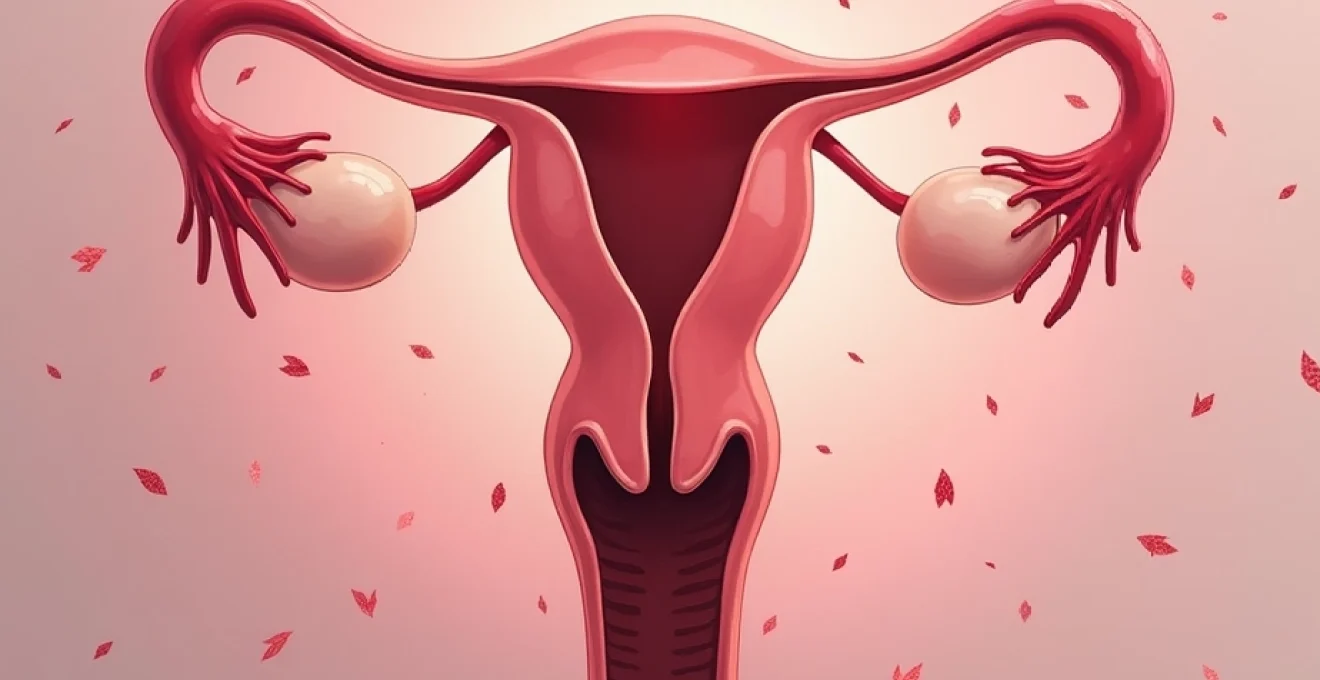
The decision to discontinue progesterone supplementation at 10 weeks gestation represents a critical juncture in pregnancy management, particularly for women who have conceived through assisted reproductive technologies or those with a history of pregnancy complications. This timing coincides with a fundamental physiological transition where the developing placenta assumes responsibility for hormone production from the corpus luteum. Understanding the mechanisms, protocols, and potential consequences of progesterone withdrawal at this gestational milestone is essential for both healthcare providers and expectant mothers navigating this pivotal moment in pregnancy care.
Progesterone cessation at 10 weeks has become standard practice across many fertility clinics and obstetric units worldwide, yet the timing and methodology can vary significantly between institutions. The science behind this practice centres on the concept of luteal-placental shift completion, where endogenous hormone production becomes sufficient to maintain pregnancy without external supplementation. However, individual patient factors, pregnancy history, and specific clinical circumstances may warrant modifications to this standardised approach.
Progesterone withdrawal mechanisms at 10-week gestational threshold
Luteal-placental shift completion and hormonal independence
The luteal-placental shift represents one of the most critical transitions in early pregnancy physiology. During the first trimester, progesterone production gradually transitions from the corpus luteum to the developing placenta, with this handover typically reaching completion between weeks 8 and 12 of gestation. The process begins as early as week 6, when placental trophoblast cells start producing increasing quantities of progesterone alongside human chorionic gonadotropin (hCG).
By week 10, the placenta has generally developed sufficient steroidogenic capacity to maintain adequate progesterone levels independently. This transition is facilitated by the exponential growth of trophoblast tissue and the establishment of robust maternal-fetal circulation. Research indicates that placental progesterone production can reach levels of 250-300 mg per day by the end of the first trimester, compared to the 25-50 mg daily production by the corpus luteum during the luteal phase of a natural menstrual cycle.
Corpus luteum regression following progesterone cessation
The corpus luteum’s role in pregnancy maintenance extends beyond simple hormone production, functioning as a crucial backup system during the vulnerable early gestational period. Following progesterone supplementation cessation at 10 weeks, the corpus luteum begins its natural regression process, which would typically occur around week 12 in an unsupported pregnancy. This regression involves cellular apoptosis and structural involution of the luteal tissue.
Interestingly, the presence of exogenous progesterone may actually prolong corpus luteum function beyond its natural lifespan by maintaining elevated hCG levels and reducing luteal sensitivity to regression signals. When supplementation ceases abruptly at 10 weeks, the corpus luteum may continue to provide some progesterone support for an additional 1-2 weeks before complete regression occurs.
Placental steroidogenesis capacity assessment at first trimester
Assessing placental steroidogenic capacity requires understanding the complex enzymatic pathways involved in progesterone synthesis. The placenta utilises maternal cholesterol as the primary substrate for steroid hormone production, converting it through a series of enzymatic reactions involving 3β-hydroxysteroid dehydrogenase and other steroidogenic enzymes. This process is regulated by maternal glucose levels, placental blood flow, and various growth factors.
Placental progesterone production exhibits significant individual variation, with factors such as maternal age, body mass index, and underlying metabolic conditions influencing steroidogenic efficiency. Advanced maternal age may be associated with reduced placental steroidogenic capacity, potentially necessitating extended progesterone supplementation beyond the standard 10-week threshold. Similarly, pregnancies complicated by gestational diabetes or thyroid disorders may require individualised approaches to progesterone withdrawal.
Endogenous progesterone production takeover timeline
The timeline for complete endogenous progesterone production takeover varies considerably between pregnancies, with most achieving independence by week 10-12. However, this transition is not instantaneous but occurs gradually over several weeks. Serum progesterone levels may fluctuate during this transition period, with temporary dips possible as the placenta fully assumes responsibility for hormone production.
Monitoring endogenous progesterone production involves serial hormone measurements and careful clinical observation. Normal serum progesterone levels at 10 weeks gestation should exceed 25 ng/mL (80 nmol/L), indicating adequate placental function. Levels below this threshold may suggest incomplete luteal-placental shift, warranting consideration of extended supplementation or closer monitoring protocols.
Clinical protocols for 10-week progesterone discontinuation
Gradual tapering versus abrupt cessation methodologies
The methodology of progesterone discontinuation at 10 weeks remains a subject of ongoing clinical debate, with practices varying significantly between institutions and individual practitioners. Abrupt cessation, commonly referred to as “cold turkey” withdrawal, involves immediately stopping all progesterone supplementation at exactly 10 weeks gestation. This approach is favoured by many clinics due to its simplicity and the theoretical understanding that adequate placental production should be established by this timepoint.
Conversely, gradual tapering involves reducing progesterone doses over 1-2 weeks before complete cessation. This method may involve halving the daily dose for one week, then stopping, or implementing an every-other-day schedule before discontinuation. Proponents of tapering argue that this approach allows for smoother physiological adjustment and may reduce the risk of temporary hormone level fluctuations. However, robust clinical evidence supporting either approach over the other remains limited.
Clinical experience suggests that both approaches can be equally effective when applied to appropriately selected patients, with individual risk factors often determining the most suitable methodology.
Serum progesterone level monitoring during withdrawal
Serum progesterone monitoring during withdrawal provides valuable insights into individual patient responses and can guide clinical decision-making. Baseline progesterone levels should be established prior to cessation, followed by repeat measurements 48-72 hours after stopping supplementation. This monitoring protocol helps identify patients who may experience significant hormone level drops requiring intervention.
Monitoring schedules vary between clinical protocols, with some advocating for weekly measurements for 2-3 weeks post-cessation, while others prefer a single follow-up measurement at 1-2 weeks after stopping. Critical threshold levels below which intervention may be warranted include progesterone concentrations dropping below 15 ng/mL (48 nmol/L) within the first week of cessation. Such findings may indicate inadequate placental takeover and could necessitate resumption of supplementation.
Risk stratification criteria for early discontinuation
Risk stratification for progesterone discontinuation involves comprehensive assessment of multiple patient factors that may influence the safety and timing of cessation. Low-risk patients typically include those with singleton pregnancies, no history of pregnancy loss, normal maternal age, and uncomplicated early pregnancy course. These patients may be suitable candidates for standard 10-week cessation protocols without extended monitoring.
High-risk categories encompass patients with recurrent pregnancy loss, advanced maternal age (>35 years), multiple gestations, history of cervical insufficiency, or conception through assisted reproductive technologies. IVF-conceived pregnancies may warrant particular caution due to potential luteal phase defects and artificial hormone environments created during treatment cycles. Additional risk factors include maternal comorbidities such as diabetes, thyroid disorders, or autoimmune conditions that may affect placental function.
ACOG and RCOG guidelines compliance standards
Professional society guidelines provide frameworks for progesterone management, though specific recommendations regarding 10-week cessation vary between organisations. The American College of Obstetricians and Gynecologists (ACOG) acknowledges the use of progesterone supplementation in specific clinical scenarios but does not mandate universal 10-week cessation protocols. Their guidelines emphasise individualised care based on patient risk factors and clinical presentation.
The Royal College of Obstetricians and Gynaecologists (RCOG) similarly provides guidance on progesterone use in pregnancy but allows for flexibility in cessation timing based on clinical judgment. Both organisations emphasise the importance of evidence-based practice while recognising the limitations of available data regarding optimal cessation timing. Compliance with these guidelines involves ensuring appropriate patient selection, adequate monitoring, and clear documentation of decision-making rationales.
Physiological consequences of premature progesterone withdrawal
Premature progesterone withdrawal before adequate placental steroidogenic capacity has been established can result in significant physiological consequences that may compromise pregnancy outcomes. The most immediate concern involves the potential for luteal phase defect, where insufficient progesterone levels fail to maintain the endometrial environment necessary for continued implantation and early embryonic development. This deficiency can manifest as inadequate secretory transformation of the endometrium, compromised decidualisation, and reduced uterine receptivity to the developing conceptus.
The cardiovascular consequences of premature progesterone withdrawal are particularly noteworthy, as progesterone plays crucial roles in maintaining uterine blood flow and preventing premature uterine contractions. Sudden progesterone deficiency can result in increased uterine contractility, potentially leading to cervical changes and threatened abortion. Additionally, progesterone’s vasodilatory effects help maintain optimal uteroplacental circulation, and its withdrawal may compromise placental perfusion during critical developmental periods.
Immunological implications of premature progesterone cessation represent another significant concern, as progesterone functions as a natural immunomodulator during pregnancy. The hormone helps maintain maternal tolerance to fetal antigens and regulates inflammatory responses that could potentially harm the developing pregnancy. Abrupt progesterone withdrawal may trigger inflammatory cascades and immune activation that could contribute to pregnancy loss or complications. These effects may be particularly pronounced in women with underlying autoimmune conditions or those prone to inflammatory responses.
Metabolic consequences of premature progesterone withdrawal can also impact pregnancy outcomes, as the hormone influences glucose metabolism, insulin sensitivity, and lipid profiles during pregnancy. Sudden cessation may result in metabolic instability that could affect fetal growth and development. Furthermore, progesterone’s role in maintaining appropriate thyroid hormone function means that withdrawal could potentially unmask or exacerbate thyroid dysfunction, particularly in women with subclinical thyroid disorders.
The timing of progesterone withdrawal must balance the risks of premature cessation against the potential adverse effects of prolonged supplementation, requiring careful individualised assessment of each patient’s unique circumstances.
High-risk pregnancy considerations and contraindications
Recurrent pregnancy loss history and extended supplementation
Women with a history of recurrent pregnancy loss represent a particularly vulnerable population requiring modified progesterone cessation protocols. Recurrent pregnancy loss, defined as three or more consecutive pregnancy losses before 20 weeks gestation, is often associated with luteal phase defects and insufficient progesterone production. For these patients, standard 10-week cessation may be inappropriate, with many practitioners advocating for extended supplementation until 12-16 weeks gestation or beyond.
The rationale for extended supplementation in recurrent loss patients stems from the understanding that underlying progesterone deficiency may persist beyond the typical luteal-placental shift timeframe. Research suggests that women with recurrent loss may have fundamental defects in steroidogenesis that affect both corpus luteum and placental hormone production. Extended supplementation provides additional safety margin during this vulnerable period and may significantly improve pregnancy outcomes in this high-risk population.
Ivf-conceived pregnancies and luteal phase support requirements
Pregnancies conceived through in vitro fertilisation (IVF) present unique challenges regarding progesterone cessation timing due to the artificial hormone environments created during treatment cycles. IVF procedures often involve ovarian hyperstimulation, which can suppress natural luteal function and create dependencies on exogenous hormone support. The absence of a functioning corpus luteum in frozen embryo transfer cycles means that progesterone supplementation is entirely responsible for maintaining early pregnancy hormone levels.
Fresh IVF cycles may also require extended progesterone support due to luteal phase defects caused by ovarian stimulation protocols. GnRH agonist administration can suppress endogenous luteinising hormone production, compromising corpus luteum function and necessitating prolonged progesterone supplementation. Many IVF clinics now recommend continuing progesterone until 12-14 weeks gestation for all IVF-conceived pregnancies, regardless of fresh or frozen transfer status.
Cervical insufficiency and progesterone maintenance protocols
Cervical insufficiency, characterised by painless cervical dilation and effacement in the second trimester, represents another indication for modified progesterone cessation protocols. Progesterone’s ability to maintain cervical integrity and reduce uterine contractility makes it a valuable therapeutic tool in managing cervical insufficiency. Women with a history of cervical insufficiency or those diagnosed with cervical changes during current pregnancy may require progesterone supplementation well beyond 10 weeks.
The relationship between progesterone and cervical function involves complex interactions between hormone receptors, collagen metabolism, and smooth muscle contractility. Progesterone supplementation can help maintain cervical length and reduce the risk of preterm cervical changes. For women with cervical insufficiency, progesterone may be continued throughout the second trimester, often in combination with cervical cerclage procedures when indicated.
Multiple gestation pregnancies and hormonal support duration
Multiple gestation pregnancies, including twins, triplets, and higher-order multiples, often require modified approaches to progesterone management due to increased hormonal demands and higher complication rates. The larger placental mass in multiple pregnancies may require longer to achieve full steroidogenic capacity, potentially delaying the completion of luteal-placental shift beyond the typical 10-week timeframe.
Additionally, multiple pregnancies are associated with increased risks of preterm labour and cervical insufficiency, conditions that may benefit from extended progesterone supplementation. Twin pregnancies show higher rates of threatened abortion and first-trimester bleeding, potentially indicating suboptimal hormone levels that could benefit from prolonged support. Many practitioners recommend continuing progesterone until 14-16 weeks gestation for twin pregnancies and even longer for higher-order multiples.
Evidence-based research on 10-week cessation outcomes
Current research examining outcomes following 10-week progesterone cessation provides valuable insights into the safety and efficacy of this practice, though methodological limitations in many studies restrict the strength of available evidence. A comprehensive meta-analysis of randomised controlled trials examining progesterone cessation timing found no statistically significant differences in pregnancy loss rates between patients stopping at 8, 10, or 12 weeks gestation when appropriate patient selection criteria were applied. However, the study noted substantial heterogeneity between included trials regarding patient populations and cessation protocols.
Retrospective cohort studies examining large patient databases have provided additional evidence supporting 10-week cessation in low-risk pregnancies. A study of over 15,000 IVF pregnancies found that cessation at 10 weeks was associated with pregnancy continuation rates exceeding 95% in appropriately selected patients. Subgroup analyses revealed that patients with singleton pregnancies, no history of pregnancy loss, and normal early pregnancy hormone levels showed the best outcomes with standard 10-week cessation protocols.
Recent prospective studies have focused on identifying biomarkers that could predict safe cessation timing on an individualised basis. Placental protein 13 (PP13) and pregnancy-associated plasma protein A (PAPP-A) levels measured at 8-10 weeks gestation have shown promise as predictors of adequate placental steroidogenic function. Patients with higher PP13 levels demonstrated better outcomes following progesterone cessation, suggesting that biochemical markers could potentially guide personalised cessation protocols in the future.
Long-term follow-up studies examining offspring outcomes after progesterone cessation at various timepoints have generally shown reassuring results. Children born to mothers who stopped progesterone at 10 weeks showed no increased rates of developmental delays, congenital anomalies, or other adverse outcomes compared to those whose mothers continued supplementation longer. However, these studies acknowledge the need for continued research to fully understand the long-term implications of different cessation strategies on both maternal and fetal outcomes.
| Study Type | Sample Size | Primary Outcome | Success Rate |
|---|
Emerging research has begun to explore the role of pharmacogenomics in progesterone cessation decisions, with studies investigating how genetic variations in steroid hormone metabolism may influence optimal cessation timing. Polymorphisms in genes encoding steroidogenic enzymes such as CYP17A1 and HSD3B1 may affect individual patients’ ability to transition from exogenous to endogenous progesterone production. This personalised medicine approach could potentially revolutionise progesterone management protocols by identifying patients who may benefit from extended supplementation based on their genetic profiles.
Quality of life studies examining patient experiences during progesterone cessation have revealed important psychological and social factors that influence treatment adherence and outcomes. Many patients report significant anxiety surrounding cessation decisions, with fear of pregnancy loss being the predominant concern. Structured patient education programs that provide detailed information about the physiological basis for cessation timing have been shown to improve patient satisfaction and reduce anxiety levels during this transition period.
Economic analyses of different cessation strategies have demonstrated that standardised 10-week protocols offer optimal cost-effectiveness in low-risk populations, while personalised approaches may be more economically viable for high-risk patients despite higher initial costs. The prevention of pregnancy loss through appropriate extended supplementation in selected patients can offset the additional medication costs through reduced medical interventions and improved quality-adjusted life years. These economic considerations are increasingly important as healthcare systems seek to optimise resource allocation while maintaining high-quality patient care.
Future research directions in progesterone cessation include the development of point-of-care testing devices that could provide real-time assessment of placental steroidogenic function, potentially allowing for more precise cessation timing based on individual physiological readiness rather than gestational age alone. Additionally, ongoing studies investigating the role of artificial intelligence in predicting optimal cessation timing based on multiple patient variables show promise for improving outcomes while reducing healthcare provider workload in clinical decision-making processes.