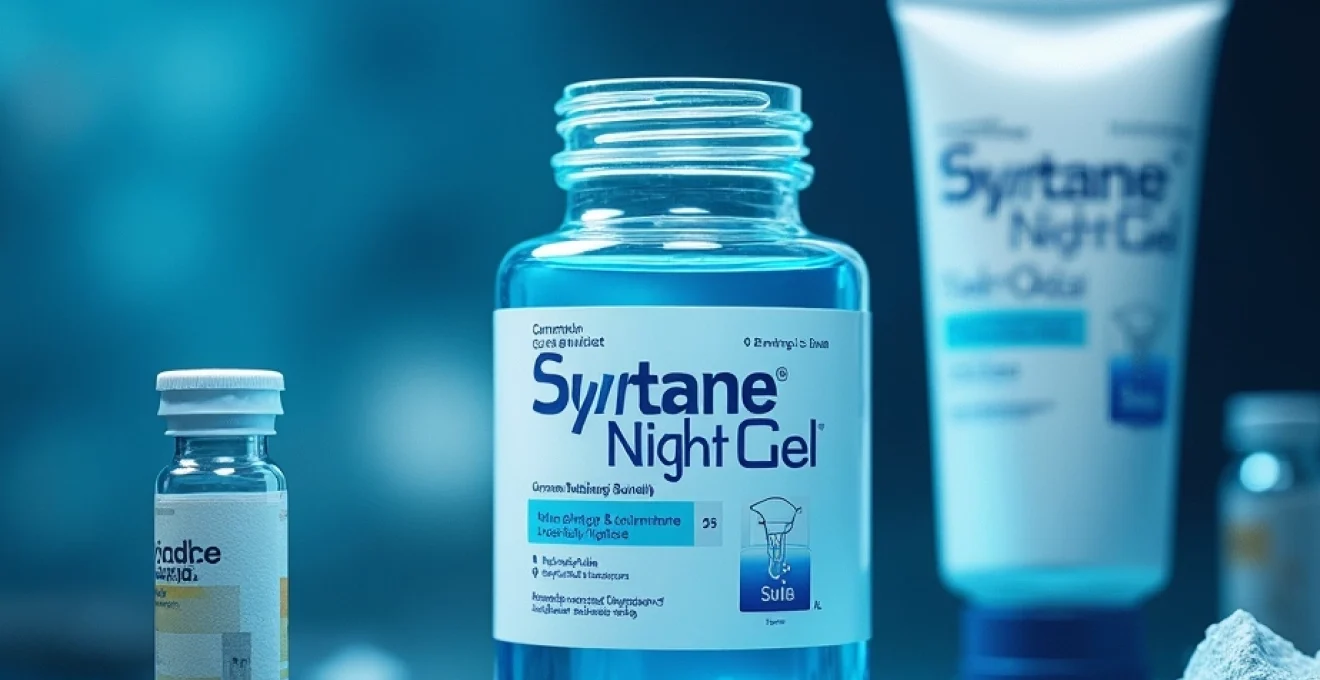
The recent recall of Systane Lubricant Eye Drops Ultra PF has sent ripples through the ophthalmic community, raising significant concerns about fungal contamination in preservative-free ocular formulations. This voluntary recall, initiated by Alcon Laboratories following the discovery of foreign material in a sealed single-use vial, represents a critical safety measure that affects thousands of patients relying on these lubricating eye drops for dry eye management. The identification of fungal contamination in lot 10101 underscores the complex challenges manufacturers face in maintaining sterile conditions during production and storage of preservative-free ophthalmic products.
While the recall currently affects only one specific lot distributed in the United States, the implications extend far beyond this isolated incident. Fungal contamination in eye drops poses serious risks, particularly for immunocompromised patients who may face life-threatening complications from ocular infections. The recall highlights the rigorous quality control measures required in ophthalmic manufacturing and the importance of immediate action when contamination is detected.
Systane night gel batch identification and FDA recall classification details
The FDA’s announcement of the Systane Lubricant Eye Drops Ultra PF recall on December 23, 2024, specifically targets lot 10101 of the 25-count single vials on-the-go packaging. This particular lot carries an expiration date of September 2025 and was distributed nationwide through both retail stores and online platforms. The recall classification represents a voluntary action initiated by Alcon Laboratories following their investigation into a consumer complaint regarding foreign material discovered inside a sealed, unused plastic unit dose vial.
Lot numbers and manufacturing dates under investigation
The investigation centres exclusively on lot number 10101, which represents a fraction of the millions of Systane products distributed by Alcon globally. Manufacturing records indicate this specific batch was produced under standard operating procedures, yet the presence of fungal material suggests a breach in sterility protocols during production or packaging. Quality assurance teams have isolated this lot from broader distribution networks, ensuring no additional contaminated products reach consumers.
Class II medical device recall designation by MHRA
Although initiated in the United States, the recall has prompted regulatory authorities in other jurisdictions to review their oversight protocols for similar preservative-free formulations. The classification of this recall reflects the potential for serious health consequences, particularly given the vulnerable nature of ocular tissues and the proximity to the central nervous system. Regulatory agencies emphasise that while no adverse events have been reported to date, the precautionary principle mandates immediate removal of potentially contaminated products from the market.
Alcon laboratories distribution timeline and affected markets
Distribution records reveal that lot 10101 was shipped to retailers and distributors across the United States beginning in early 2024. The recall affects major pharmacy chains, independent retailers, and online platforms that received inventory from this specific production run. Alcon’s distribution network encompasses thousands of retail locations, making the recall a significant logistical undertaking requiring coordination with multiple stakeholders throughout the supply chain.
NDC numbers and product code specifications
The National Drug Code (NDC) system provides unique identification for the recalled products, enabling precise tracking and removal from distribution channels. Healthcare professionals and consumers can verify affected products by locating the specific NDC numbers on packaging labels. This standardised identification system proves crucial for ensuring complete removal of contaminated products whilst avoiding unnecessary disposal of safe inventory from other production lots.
Microbial contamination risk assessment and laboratory findings
Laboratory analysis of the returned vial revealed the presence of fungal organisms, though the specific species identification remains undisclosed in public communications. This discovery represents a significant concern given that preservative-free formulations lack the antimicrobial agents typically used to prevent microbial growth in multi-dose preparations. The contamination appears to have occurred during the manufacturing process, as the affected vial remained sealed until opened for investigation purposes.
Pseudomonas aeruginosa detection in manufacturing facility
While the current recall involves fungal contamination, the broader context of eye drop safety includes recent concerns about bacterial contamination, particularly Pseudomonas aeruginosa , which has been linked to serious ocular infections in other product recalls. This gram-negative bacterium poses exceptional risks due to its resistance to many antimicrobial treatments and its ability to rapidly cause corneal perforation. Manufacturing facilities must implement stringent environmental monitoring to detect and eliminate such pathogens before they compromise product integrity.
Sterility breach during aseptic processing protocol
The identification of fungal material in a sealed vial suggests a breakdown in aseptic processing procedures, which represent the gold standard for maintaining sterility in pharmaceutical manufacturing. These protocols require controlled environments with positive air pressure, HEPA filtration systems, and personnel trained in sterile technique. Even minor deviations from established procedures can introduce contaminants that multiply during storage, particularly in nutrient-rich formulations like lubricating eye drops.
Quality control testing failures in fort worth production line
Alcon’s Fort Worth facility, where the contaminated lot was produced, typically employs multiple quality control checkpoints to detect microbial contamination before products reach consumers. The fact that fungal material passed through these controls suggests either inadequate testing protocols or contamination that occurred after initial quality assessments. This incident will likely prompt comprehensive reviews of testing procedures and enhanced monitoring throughout the production process.
Cross-contamination prevention measures analysis
Modern pharmaceutical manufacturing relies on robust cross-contamination prevention strategies, including dedicated production lines, thorough cleaning validation, and environmental monitoring programmes. The presence of fungal contamination in Systane Ultra PF raises questions about the effectiveness of these measures and may necessitate enhanced protocols for preservative-free formulations, which lack the safety net of antimicrobial preservatives found in traditional eye drops.
Ocular safety profile and documented adverse events
Fungal contamination in eye drops presents serious health risks that extend beyond simple irritation or discomfort. The warm, moist environment of the eye provides ideal conditions for fungal growth, potentially leading to severe infections that can compromise vision permanently. While Alcon reports no adverse events related to this specific recall, the potential consequences of fungal keratitis or endophthalmitis warrant immediate cessation of use for any products from the affected lot.
The development of fungal infections in the eye can progress rapidly, often requiring aggressive antifungal therapy and, in severe cases, surgical intervention to preserve vision and prevent systemic spread.
Conjunctivitis and keratitis case reports from NHS trusts
Historical data from healthcare systems worldwide demonstrates that contaminated eye drops can cause a spectrum of ocular infections, ranging from mild conjunctivitis to severe keratitis. Fungal keratitis, in particular, represents a challenging clinical condition that may require prolonged antifungal therapy and can result in corneal scarring or perforation. The symptoms often begin subtly, with patients experiencing increased tearing, photophobia, and a sensation of foreign material in the eye.
Corneal ulceration risk in immunocompromised patients
Immunocompromised patients face heightened risks from fungal contamination, as their reduced immune response may allow infections to progress more rapidly and severely. These individuals, including those receiving chemotherapy, organ transplant recipients, or patients with autoimmune conditions, require particular vigilance when using any ophthalmic products. The potential for corneal ulceration and perforation in this population makes the recall particularly significant from a public health perspective.
Post-market surveillance data from yellow card scheme
Regulatory agencies maintain sophisticated post-market surveillance systems to detect adverse events related to pharmaceutical products. These systems rely on reports from healthcare professionals, patients, and manufacturers to identify safety signals that might not emerge during clinical trials. The absence of reported adverse events related to lot 10101 may reflect either the limited distribution of contaminated units or the early detection of the problem before widespread patient exposure occurred.
Regulatory response and healthcare professional notifications
The FDA’s rapid response to the contamination report demonstrates the effectiveness of current pharmacovigilance systems in identifying and addressing product safety concerns. Regulatory agencies have established comprehensive communication networks that enable swift notification of healthcare professionals, retailers, and consumers when product recalls occur. This coordinated approach helps minimise patient exposure to potentially harmful products whilst maintaining confidence in the broader pharmaceutical supply chain.
Healthcare professionals play a crucial role in the recall process by identifying affected products in their inventories, counselling patients about alternative treatments, and monitoring for adverse events in patients who may have used recalled products. Professional organisations have distributed guidance to their members emphasising the importance of checking lot numbers and advising patients to discontinue use of any products from the affected batch. The recall also serves as a reminder for practitioners to maintain current knowledge of product safety alerts and to report any suspected adverse events promptly.
Regulatory oversight extends beyond immediate recall actions to include comprehensive investigations of manufacturing practices and quality systems. These investigations may result in enhanced monitoring requirements, facility inspections, or changes to approved manufacturing processes. The goal is not only to address the immediate safety concern but also to prevent similar incidents in the future through improved quality assurance measures.
Consumer action protocol and product return procedures
Consumers who have purchased Systane Lubricant Eye Drops Ultra PF should immediately check their products for lot number 10101 and the September 2025 expiration date. Any products matching these specifications should be discontinued immediately and returned to the place of purchase for a full refund or replacement with an alternative formulation. The FDA recommends against disposing of recalled products in household waste, as proper disposal helps ensure complete removal from circulation.
Return procedures vary by retailer, but most major pharmacy chains and online platforms have established streamlined processes for handling recalled products. Consumers typically need only present the recalled product along with proof of purchase, though many retailers will process returns even without receipts given the safety implications. Alcon has committed to replacing recalled products with alternative formulations from their Systane range, ensuring continuity of care for patients requiring ongoing dry eye management.
Patients experiencing any unusual symptoms after using eye drops should seek immediate medical attention, particularly if symptoms include increased pain, vision changes, or purulent discharge that could indicate infection.
The recall process also provides an opportunity for patient education about proper eye drop storage and usage. Preservative-free formulations require particular care to maintain sterility, including proper hand hygiene before application, avoiding contact between the dropper tip and any surface, and using single-dose vials immediately after opening. These practices help minimise the risk of contamination during normal use, even when products are manufactured and distributed under appropriate conditions.
Alternative dry eye treatment options during supply disruption
The temporary unavailability of Systane Ultra PF single-dose vials necessitates consideration of alternative treatments for patients requiring preservative-free lubrication. The broader Systane product line includes multiple formulations that remain unaffected by the current recall, including Systane Ultra in multi-dose bottles, Systane Balance for evaporative dry eye, and Systane Complete for comprehensive dry eye management. Healthcare providers can help patients select appropriate alternatives based on their specific symptoms and underlying conditions.
Other preservative-free artificial tear options include products from competing manufacturers that utilise different preservative systems or single-dose packaging formats. These alternatives may have slightly different viscosities or durations of action compared to Systane Ultra PF, requiring some patients to adjust their dosing frequency or timing. The temporary nature of the supply disruption means that most patients can successfully transition to alternative treatments without compromising their overall dry eye management.
For patients with severe dry eye disease who rely heavily on preservative-free formulations, healthcare providers may need to consider additional therapeutic approaches during the supply disruption. These might include prescription medications such as cyclosporine or lifitegrast, punctal plugs to reduce tear drainage, or environmental modifications to reduce tear evaporation. The recall serves as a reminder that comprehensive dry eye management often requires multiple therapeutic modalities rather than reliance on a single product.
Long-term considerations for the industry include enhanced quality control measures for preservative-free formulations and improved communication systems for product recalls. The incident demonstrates both the effectiveness of current safety monitoring systems and the ongoing challenges in maintaining sterile conditions for preservative-free pharmaceutical products. Manufacturers continue to invest in advanced packaging technologies and environmental controls to minimise contamination risks whilst regulatory agencies refine their oversight procedures to ensure rapid response to emerging safety concerns.