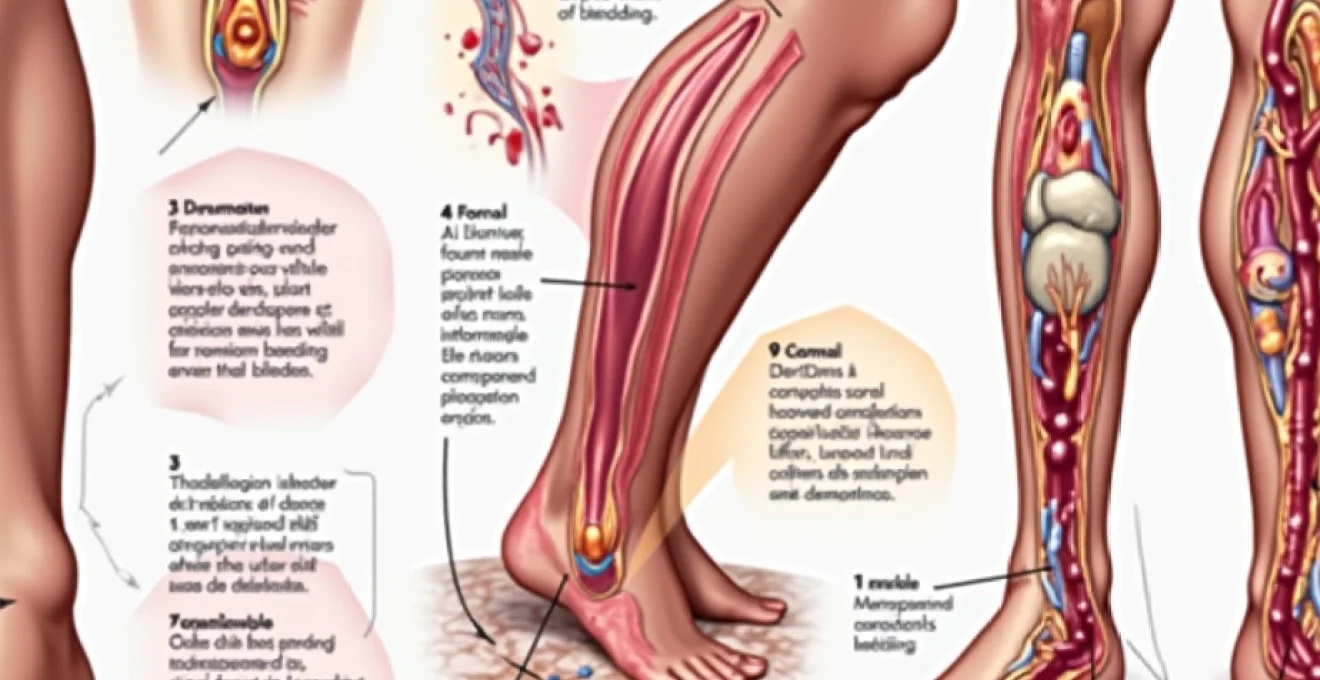
Unexplained bleeding from the lower extremities can be an alarming experience that prompts immediate concern and questions about underlying health conditions. This phenomenon, whilst often distressing, encompasses a broad spectrum of potential causes ranging from minor vascular issues to serious systemic diseases. The spontaneous appearance of bleeding, bruising, or haemorrhagic lesions on the legs requires careful evaluation to determine the underlying pathophysiology and appropriate management strategies. Understanding these diverse causes enables both patients and healthcare professionals to approach leg bleeding episodes with greater knowledge and clinical insight.
Vascular pathologies causing spontaneous leg haemorrhage
Vascular abnormalities represent one of the most common categories of conditions leading to unexplained leg bleeding. The complex network of blood vessels in the lower extremities makes them particularly susceptible to various forms of vascular compromise that can manifest as spontaneous bleeding episodes.
Chronic venous insufficiency and varicose vein rupture
Chronic venous insufficiency stands as a leading cause of unexplained leg bleeding, particularly in older adults and those with predisposing risk factors. This condition develops when the venous valves become incompetent, leading to blood pooling and increased pressure within the venous system. The resulting venous hypertension causes progressive dilatation of superficial veins, creating the characteristic appearance of varicose veins.
The pathophysiology involves gradual weakening of vessel walls due to sustained pressure, making them prone to rupture with minimal trauma or even spontaneously. Varicose vein rupture typically occurs near the ankle region, where venous pressure is highest and the overlying skin becomes progressively thinner and more fragile. Heat exposure, such as during showering, can exacerbate this condition by causing further vessel dilatation and potentially triggering bleeding episodes.
Risk factors for venous insufficiency include prolonged standing occupations, pregnancy, obesity, advanced age, and genetic predisposition. Women are disproportionately affected, with hormonal influences playing a significant role in vessel wall integrity. The bleeding from ruptured varicose veins can appear dramatic but is typically manageable with direct pressure and elevation.
Arteriovenous malformations in lower extremity circulation
Arteriovenous malformations (AVMs) represent congenital abnormalities in vascular development that create direct connections between arteries and veins, bypassing the normal capillary bed. These malformations can remain asymptomatic for years before manifesting as bleeding episodes, pain, or visible vascular lesions on the legs.
The high-pressure arterial blood flowing directly into the venous system creates areas of vascular fragility and potential rupture. Lower extremity AVMs may present with recurrent bleeding episodes that appear spontaneous but originate from these abnormal vascular connections. The bleeding can range from minor surface bleeding to more significant haemorrhage depending on the size and location of the malformation.
Deep vein thrombosis complications and bleeding manifestations
Whilst deep vein thrombosis (DVT) is primarily associated with clot formation rather than bleeding, certain complications can lead to haemorrhagic presentations in the lower extremities. Post-thrombotic syndrome, developing months or years after initial DVT, can cause chronic venous changes that predispose to bleeding episodes.
Additionally, patients receiving anticoagulation therapy for DVT treatment may experience bleeding complications as a side effect of necessary therapeutic interventions. The delicate balance between preventing clot extension and avoiding bleeding complications requires careful monitoring and dosage adjustments. Anticoagulant-related bleeding can manifest as superficial bleeding, deep tissue haematomas, or prolonged bleeding from minor injuries.
Peripheral arterial disease with ulcerative bleeding
Peripheral arterial disease (PAD) creates conditions conducive to tissue breakdown and subsequent bleeding in the lower extremities. The reduced arterial blood flow compromises tissue healing and creates areas of chronic ulceration that may bleed spontaneously or with minimal trauma.
These ulcerative lesions typically develop over bony prominences or areas of repeated pressure, creating chronic wounds with friable tissue that bleeds easily. The compromised circulation makes healing particularly challenging, leading to persistent bleeding episodes that may appear unexplained to patients unaware of their underlying arterial insufficiency.
Haematological disorders presenting with lower limb bleeding
Blood disorders constitute a significant category of conditions that can manifest as unexplained bleeding in the lower extremities. These disorders affect various components of the coagulation system, from platelet function to clotting factor production, creating bleeding tendencies that often first become apparent in the legs due to their dependent position and exposure to minor trauma.
Thrombocytopenic purpura and platelet function abnormalities
Thrombocytopenia, characterised by abnormally low platelet counts, creates a significant bleeding risk that frequently manifests in the lower extremities. When platelet counts drop below critical thresholds, typically less than 50,000 per microlitre, spontaneous bleeding becomes increasingly likely. The legs, being in a dependent position and subject to gravitational forces, often show the earliest signs of thrombocytopenic bleeding.
The bleeding pattern in thrombocytopenia typically presents as petechiae, small pinpoint haemorrhages that appear as red or purple spots on the skin. These may progress to larger purpuric lesions or ecchymoses, creating a characteristic pattern that experienced clinicians readily recognise. Idiopathic thrombocytopenic purpura (ITP) represents an autoimmune condition where the body destroys its own platelets, leading to this bleeding pattern.
Understanding the relationship between platelet count and bleeding risk is crucial for both patients and healthcare providers in managing thrombocytopenic conditions effectively.
Secondary thrombocytopenia can result from medications, particularly heparin-induced thrombocytopenia, chemotherapy agents, or certain antibiotics. Bone marrow disorders, including leukaemia and myelodysplastic syndromes, can also lead to decreased platelet production and subsequent bleeding manifestations in the legs.
Coagulation factor deficiencies including haemophilia A and B
Hereditary coagulation factor deficiencies create bleeding disorders that can manifest as unexplained haemorrhage in the lower extremities. Haemophilia A, resulting from factor VIII deficiency, and haemophilia B, caused by factor IX deficiency, are the most well-known of these conditions, though other factor deficiencies can also cause similar bleeding patterns.
In haemophilia, bleeding episodes in the legs often involve deeper tissues, creating haematomas within muscles or joint spaces. Haemarthrosis , bleeding into joint cavities, particularly affects the knees and ankles, causing significant pain, swelling, and functional impairment. These bleeding episodes may occur spontaneously or following minimal trauma that would not cause bleeding in individuals with normal coagulation.
The severity of bleeding correlates with the degree of factor deficiency, with severe haemophilia (less than 1% normal factor activity) causing spontaneous bleeding episodes, whilst mild forms may only manifest during surgery or significant trauma. Factor XI deficiency, whilst less common, can also cause unexpected bleeding, particularly following medical procedures or dental work.
Anticoagulant-induced bleeding in warfarin and DOAC therapy
The increasing use of anticoagulant medications for various medical conditions has created a growing population at risk for medication-induced bleeding episodes. Warfarin, requiring careful monitoring through INR testing, can cause bleeding when levels become supratherapeutic or when patients experience drug interactions or dietary changes affecting metabolism.
Direct oral anticoagulants (DOACs), including dabigatran, rivaroxaban, apixaban, and edoxaban, whilst offering more predictable pharmacokinetics than warfarin, still carry bleeding risks. DOAC-related bleeding in the legs may present as superficial bleeding, deep tissue haematomas, or prolonged bleeding from minor injuries. The challenge with DOAC-related bleeding lies in the limited availability of specific reversal agents for some of these medications.
Factors that increase bleeding risk in anticoagulated patients include advanced age, kidney dysfunction, drug interactions, and concurrent use of antiplatelet agents. Regular monitoring and patient education about bleeding risks remain essential components of anticoagulant therapy management.
Von willebrand disease manifestations in extremities
Von Willebrand disease, the most common inherited bleeding disorder, affects von Willebrand factor, a protein crucial for initial haemostasis. This condition can manifest as unexplained bleeding in the lower extremities, particularly following minor trauma or medical procedures.
The bleeding pattern in von Willebrand disease typically involves mucocutaneous bleeding, which can include prolonged bleeding from minor cuts or injuries on the legs. Type 1 von Willebrand disease , the mildest form, may go undiagnosed for years until a bleeding episode prompts medical evaluation. The condition affects both males and females, distinguishing it from haemophilia, which primarily affects males.
Dermatological conditions with haemorrhagic presentations
Various skin conditions can present with bleeding manifestations in the lower extremities, often creating confusion about the underlying cause. These dermatological disorders may involve primary skin pathology or represent cutaneous manifestations of systemic diseases affecting the integumentary system.
Pyoderma gangrenosum represents one such condition that can cause devastating ulcerative lesions with significant bleeding potential. This neutrophilic dermatosis typically begins as small pustules or nodules that rapidly progress to painful ulcers with characteristic undermined borders. The ulcers often bleed spontaneously or with minimal trauma, creating dramatic presentations that may initially be mistaken for infectious or vascular causes.
Stasis dermatitis, associated with chronic venous insufficiency, creates inflammatory skin changes that predispose to bleeding. The affected skin becomes fragile, scaling, and prone to minor trauma that can result in bleeding episodes. Livedoid vasculopathy presents with painful ulcerations typically around the ankle region, characterised by white scarring (atrophie blanche) and recurrent ulceration with bleeding potential.
Cutaneous small vessel vasculitis can manifest as palpable purpura on the lower extremities, representing inflammation of dermal blood vessels. This condition may be idiopathic or associated with systemic diseases, infections, or medications. The inflamed vessels become fragile and prone to rupture, creating the characteristic purpuric lesions that may bleed with minimal trauma.
Epidermolysis bullosa, though rare, represents a group of genetic conditions affecting skin integrity that can cause recurrent blistering and bleeding in the lower extremities. The mechanical fragility of the skin in these conditions means that normal activities of daily living can trigger bleeding episodes that appear unexplained to observers unfamiliar with the condition.
Systemic diseases manifesting through leg bleeding episodes
Numerous systemic conditions can present with bleeding manifestations in the lower extremities as part of their broader clinical picture. These diseases affect multiple organ systems but may initially present with localised bleeding that brings patients to medical attention. Understanding these systemic connections is crucial for proper diagnosis and management.
Diabetic microangiopathy and lower extremity complications
Diabetes mellitus creates multiple pathways leading to lower extremity bleeding through its effects on both macro and microvascular systems. Diabetic microangiopathy affects the smallest blood vessels throughout the body, including those in the lower extremities, creating areas of vascular fragility and impaired healing that predispose to bleeding episodes.
The combination of peripheral neuropathy and vascular disease in diabetes creates a perfect storm for lower extremity complications. Patients may develop small injuries or pressure sores without awareness due to decreased sensation, and these wounds heal poorly due to compromised circulation. Diabetic foot ulcers represent a common manifestation that can bleed spontaneously or with minimal trauma, often appearing unexplained to patients with significant neuropathy.
Advanced diabetic nephropathy can contribute to bleeding tendencies through multiple mechanisms, including platelet dysfunction associated with uraemia and potential medication-related bleeding risks from antiplatelet agents used for cardiovascular protection. The complex interplay between diabetes, kidney disease, and cardiovascular medications creates multiple potential pathways for unexplained bleeding episodes.
Autoimmune vasculitis including Henoch-Schönlein purpura
Autoimmune vasculitic conditions frequently present with lower extremity bleeding as inflammatory processes affect blood vessel walls throughout the body. Henoch-Schönlein purpura, though more common in children, can affect adults and typically presents with characteristic purpuric lesions on the lower extremities.
The vasculitic process involves immune complex deposition in vessel walls, leading to inflammation, increased permeability, and potential rupture. The dependent nature of the lower extremities makes them particularly susceptible to gravitational forces that exacerbate the bleeding manifestations. Leukocytoclastic vasculitis represents the histological hallmark of these conditions, with neutrophil infiltration and destruction within vessel walls.
Early recognition of vasculitic patterns can prevent progression to more severe systemic complications affecting kidneys, joints, and gastrointestinal tract.
Systemic lupus erythematosus can present with various cutaneous manifestations in the lower extremities, including vasculitic lesions, livedo reticularis, and ulcerations that may bleed spontaneously. The associated antiphospholipid syndrome can create a paradoxical situation where patients have both thrombotic tendencies and bleeding manifestations depending on the specific autoantibodies present.
Chronic kidney disease and uraemic bleeding tendency
Chronic kidney disease creates multiple pathways leading to bleeding tendencies that often manifest in the lower extremities. The accumulation of uraemic toxins affects platelet function, creating a bleeding diathesis even when platelet counts remain normal. This uraemic bleeding tendency can manifest as spontaneous bleeding from minor injuries or prolonged bleeding from routine medical procedures.
The combination of uraemic bleeding tendency with the frequent use of antiplatelet agents for cardiovascular protection in kidney disease patients creates an increased risk for bleeding episodes. Additionally, many patients with advanced kidney disease require anticoagulation for vascular access maintenance, further increasing bleeding risks. Calcific uraemic arteriolopathy (calciphylaxis) represents a severe complication that can cause painful skin necrosis with significant bleeding potential in the lower extremities.
Patients on haemodialysis face additional bleeding risks related to anticoagulation during dialysis treatments and potential trauma from frequent needle insertions. The complex medication regimens required for kidney disease management often include multiple agents that can affect haemostasis, creating cumulative bleeding risks that may manifest as unexplained episodes.
Liver cirrhosis impact on coagulation cascade function
Liver cirrhosis profoundly affects the coagulation system through multiple mechanisms, creating complex bleeding tendencies that can manifest throughout the body, including the lower extremities. The liver produces most coagulation factors, and progressive hepatic dysfunction leads to decreased synthesis of these essential proteins.
Portal hypertension associated with cirrhosis can lead to splenomegaly and subsequent sequestration of platelets, creating thrombocytopenia that contributes to bleeding risks. The combination of decreased coagulation factor production and thrombocytopenia creates a significant bleeding diathesis. Hepatic coagulopathy may manifest as easy bruising, prolonged bleeding from minor injuries, or spontaneous bleeding episodes in the lower extremities.
Patients with cirrhosis often develop spider angiomata and other vascular lesions that may bleed with minimal trauma. The associated malnutrition can lead to vitamin K deficiency, further compromising the extrinsic coagulation pathway. Additionally, many patients with cirrhosis have concurrent conditions requiring anticoagulation or antiplatelet therapy, creating additional complexity in managing bleeding risks.
Diagnostic approaches for unexplained lower extremity haemorrhage
The evaluation of unexplained leg bleeding requires a systematic approach that considers the broad differential diagnosis whilst efficiently identifying immediately life-threatening conditions. The diagnostic process begins with a thorough history and physical examination, focusing on bleeding patterns, associated symptoms, medication use, and family history of bleeding disorders.
Initial laboratory evaluation typically includes a
complete blood count to assess platelet levels and identify potential haematological abnormalities. Coagulation studies, including prothrombin time (PT), activated partial thromboplastin time (aPTT), and international normalised ratio (INR), help evaluate the intrinsic and extrinsic coagulation pathways.
Comprehensive metabolic panels provide insight into kidney and liver function, which can significantly impact bleeding tendencies. Liver function tests including albumin, bilirubin, and transaminases help identify hepatic causes of coagulopathy, whilst creatinine and estimated glomerular filtration rate assess renal contribution to bleeding disorders. Urinalysis may reveal proteinuria or haematuria that suggests systemic disease involvement.
Advanced coagulation studies become necessary when initial screening tests suggest specific bleeding disorders. Factor assays for VIII, IX, XI, and other coagulation factors help diagnose specific deficiencies, whilst von Willebrand factor studies including antigen levels, activity, and multimer analysis provide comprehensive evaluation of this common bleeding disorder. Platelet aggregometry may be required when platelet function disorders are suspected despite normal platelet counts.
The key to successful diagnosis lies in correlating clinical presentation with appropriate laboratory investigations, avoiding both under-investigation of serious conditions and over-testing of benign presentations.
Imaging studies play a crucial role in identifying structural abnormalities contributing to leg bleeding. Doppler ultrasound examination provides non-invasive assessment of venous insufficiency, deep vein thrombosis, and arterial disease. Venous duplex scanning can identify incompetent valves, venous reflux, and areas of venous dilatation that may be prone to rupture. Arterial studies help identify peripheral arterial disease and areas of compromised circulation that predispose to ulcerative bleeding.
Advanced imaging techniques including magnetic resonance imaging (MRI) or computed tomography (CT) may be necessary to identify arteriovenous malformations, deep tissue haematomas, or other structural abnormalities. Angiography, whether conventional or CT/MR-based, provides detailed vascular anatomy assessment when surgical intervention may be required. These studies help differentiate between superficial bleeding and deeper vascular abnormalities requiring specialist management.
Emergency management and treatment protocols for leg bleeding
Immediate management of active leg bleeding focuses on haemostasis whilst simultaneously assessing for life-threatening complications. Direct pressure application remains the cornerstone of initial bleeding control, with elevation of the affected extremity when possible to reduce gravitational effects on venous bleeding. Pressure point compression at the femoral artery may be necessary for significant arterial bleeding, though this technique requires proper training to avoid complications.
Assessment of haemodynamic stability takes priority in acute presentations, with vital sign monitoring, intravenous access establishment, and blood sampling for emergency laboratory studies. Patients presenting with signs of shock require immediate fluid resuscitation and consideration of blood product transfusion. The decision to pursue emergency surgical intervention depends on the bleeding source, patient stability, and response to conservative measures.
Pharmacological interventions vary based on the underlying cause and severity of bleeding. Topical haemostatic agents including fibrin sealants, gelatin foams, or oxidised cellulose can provide effective bleeding control for superficial lesions. Tranexamic acid, an antifibrinolytic agent, may be beneficial in patients with underlying bleeding disorders or those receiving anticoagulant therapy. However, careful consideration of thrombotic risks is essential before administering antifibrinolytic agents.
Reversal of anticoagulation requires specific protocols based on the causative agent. Warfarin reversal may involve vitamin K administration, fresh frozen plasma, or prothrombin complex concentrates depending on the urgency and severity of bleeding. DOAC reversal has become more feasible with the availability of specific reversal agents like idarucizumab for dabigatran and andexanet alfa for factor Xa inhibitors, though these agents may not be universally available.
Long-term management strategies focus on addressing underlying conditions whilst preventing recurrent bleeding episodes. Patients with venous insufficiency benefit from compression therapy, leg elevation, and lifestyle modifications including weight management and regular exercise. Graduated compression stockings provide external support that reduces venous hypertension and decreases the risk of varicose vein rupture. Progressive ambulation and calf muscle exercises help improve venous return and reduce stasis.
Surgical interventions may be necessary for patients with recurrent bleeding from vascular abnormalities. Endovenous ablation techniques including radiofrequency ablation, endovenous laser treatment, or sclerotherapy can effectively treat incompetent veins whilst preserving normal venous drainage. More complex procedures like arteriovenous malformation repair or bypass surgery may be required for structural vascular abnormalities causing recurrent bleeding.
Successful long-term management requires patient education about bleeding risks, proper wound care techniques, and recognition of situations requiring immediate medical attention.
Patients with underlying bleeding disorders require specialised haematological management including factor replacement therapy, antifibrinolytic agents, or immunosuppressive treatments depending on the specific condition. Regular monitoring and adjustment of treatment protocols help optimise bleeding control whilst minimising treatment-related complications. Coordination between primary care providers, haematologists, and vascular specialists ensures comprehensive care for complex cases.
Prevention strategies play a crucial role in reducing the frequency and severity of bleeding episodes. Patients should be educated about proper skin care, avoiding trauma to affected areas, and recognising early signs of complications. Protective clothing and footwear can prevent minor injuries that might trigger bleeding in susceptible individuals. Regular follow-up appointments allow for monitoring of treatment effectiveness and early identification of complications.
The prognosis for unexplained leg bleeding varies significantly based on the underlying cause and patient factors. Many cases of minor bleeding from venous insufficiency can be effectively managed with conservative measures and lifestyle modifications. However, bleeding related to serious systemic diseases like advanced liver disease or severe bleeding disorders may require ongoing specialist care and carry more guarded prognoses. Early identification and appropriate treatment of underlying conditions remain the key factors determining long-term outcomes and quality of life for patients experiencing unexplained leg bleeding episodes.