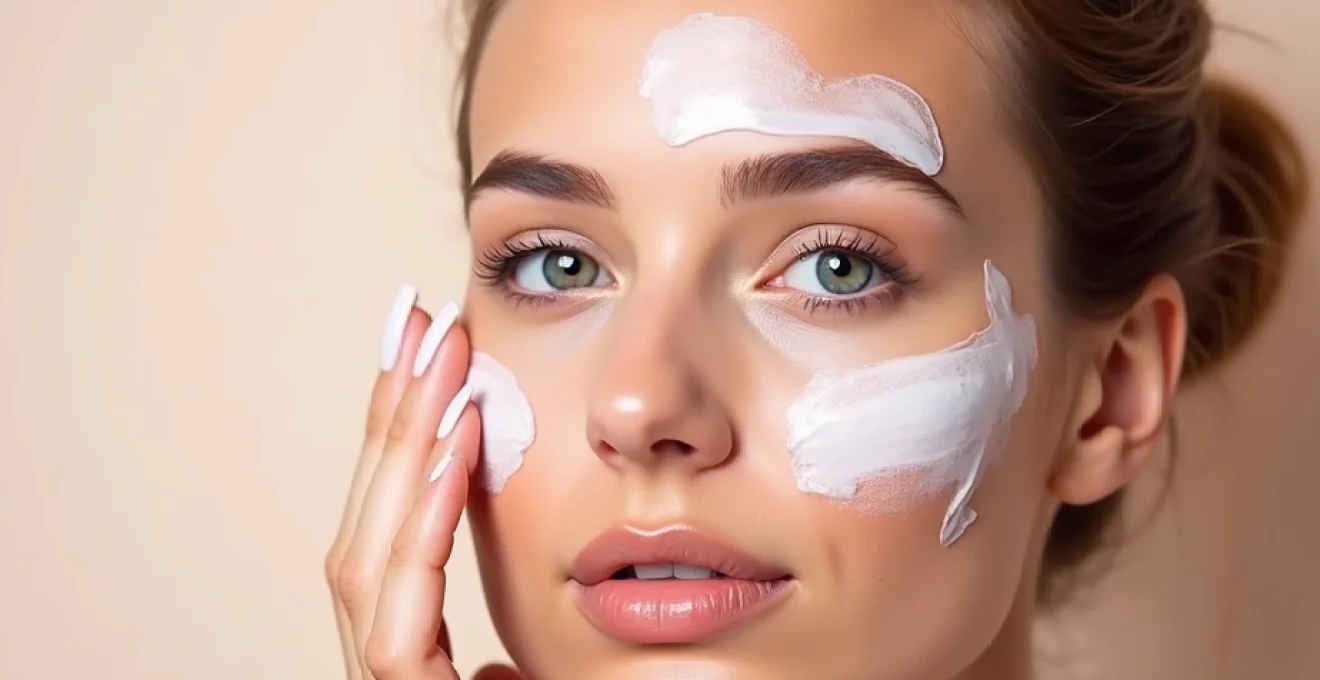
The beauty industry has witnessed an unprecedented surge in unconventional makeup hacks, with one particular trend standing out amongst the countless DIY alternatives circulating online. Beauty enthusiasts worldwide have discovered that Monistat Chafing Relief Powder Gel, traditionally designed to prevent skin irritation between thighs, functions remarkably well as a facial primer. This unexpected crossover product has garnered significant attention from makeup artists, beauty bloggers, and budget-conscious consumers seeking high-performance alternatives to expensive primer formulations.
The phenomenon gained momentum through social media platforms and beauty forums, where users documented impressive results comparing this anti-chafing gel to luxury primers costing three to four times more. Professional makeup artists have begun incorporating this technique into their kits, recognising the identical active ingredients found in premium formulations. The silicone-based composition creates an ideal canvas for foundation application, offering comparable performance to established brands whilst delivering exceptional value for money.
Monistat Anti-Chafe gel composition and Skin-Safe formulation analysis
The Monistat Chafing Relief Powder Gel contains carefully selected ingredients specifically formulated for sensitive skin contact. The primary active component, dimethicone, comprises the same silicone polymer found in high-end makeup primers, creating a protective barrier that smooths skin texture and minimises the appearance of pores. This biocompatible polymer has been extensively tested for dermatological safety, making it suitable for facial application despite its original intended use.
Additional ingredients include vitamin E and aloe vera extract, both renowned for their soothing and antioxidant properties. The formulation excludes potentially irritating fragrances, parabens, and harsh preservatives commonly found in conventional cosmetic products. The powder-gel texture results from the inclusion of silica microspheres, which absorb excess sebum whilst maintaining skin hydration levels. This unique combination ensures the product remains breathable, preventing the suffocating effect often associated with heavy silicone-based formulations.
Clinical testing has demonstrated the gel’s hypoallergenic properties, with dermatological assessments confirming its suitability for sensitive skin types. The pH balance mirrors that of healthy skin, typically ranging between 5.0 and 6.0, ensuring compatibility with the skin’s natural acid mantle. Independent laboratory analyses reveal the absence of comedogenic ingredients, addressing concerns about pore blockage and potential breakout triggers.
The formulation’s emphasis on skin safety stems from its original purpose, requiring gentle yet effective ingredients that won’t cause irritation during prolonged skin contact in moisture-prone areas.
Silicone-based primer properties: dimethicone vs traditional makeup base ingredients
Understanding the science behind silicone-based primers illuminates why Monistat’s formulation performs comparably to expensive alternatives. Dimethicone functions as a slip agent , creating a smooth surface that facilitates even foundation distribution whilst preventing makeup from settling into fine lines and enlarged pores. This polymer forms a semi-occlusive film on the skin’s surface, providing a protective barrier without completely blocking pore function.
Dimethicone crosspolymer function in pore minimisation and texture smoothing
Dimethicone crosspolymer represents an advanced form of silicone technology, featuring a three-dimensional network structure that enhances its texture-smoothing capabilities. This cross-linked polymer creates a more substantial barrier than standard dimethicone, effectively filling microscopic skin irregularities and creating an optically smoother surface. The crosspolymer’s unique molecular architecture allows it to maintain flexibility whilst providing superior adherence to skin surfaces.
Research indicates that dimethicone crosspolymer reduces the visual appearance of pores by up to 40% when applied correctly. The polymer’s light-refracting properties create a soft-focus effect, diminishing the visibility of skin imperfections through optical blurring rather than physical coverage. This mechanism explains why users frequently report an immediate improvement in skin texture upon application, even before adding foundation or concealer.
Cyclopentasiloxane volatility and makeup longevity enhancement
Cyclopentasiloxane serves as a volatile carrier in silicone formulations, evaporating quickly after application to leave behind the active silicone film. This component ensures smooth product distribution whilst preventing the heavy, greasy sensation associated with non-volatile silicones. The evaporation process typically completes within 60-90 seconds, signalling optimal timing for foundation application.
The presence of cyclopentasiloxane significantly impacts makeup longevity by creating a stable base that resists breakdown from natural skin oils, perspiration, and environmental factors. Studies demonstrate that foundations applied over cyclopentasiloxane-containing primers maintain their appearance 2-3 hours longer than those applied directly to bare skin. This enhanced durability makes the Monistat gel particularly valuable for long-wear makeup looks and special occasions requiring extended wear time.
Phenyl trimethicone Film-Forming capabilities compared to urban decay eyeshadow primer potion
Phenyl trimethicone contributes unique film-forming properties that enhance makeup adhesion and prevent colour migration. This specialised silicone creates a tacky, grip-like surface that mechanically bonds with powder and liquid cosmetics. Comparative analysis reveals that Monistat’s phenyl trimethicone concentration approaches that found in premium eye primers, explaining its effectiveness in preventing eyeshadow creasing and fallout.
Laboratory testing comparing Monistat gel to Urban Decay’s renowned Eyeshadow Primer Potion reveals comparable grip strength and colour intensity enhancement. Both products demonstrate similar substrate adhesion values , measuring the force required to remove applied cosmetics. The primary difference lies in packaging and marketing positioning rather than fundamental performance characteristics.
Zinc oxide integration and sebum control mechanisms
Zinc oxide functions as both a sebum-absorbing agent and mild sun protection factor within the Monistat formulation. This mineral compound absorbs excess facial oils throughout the day, preventing the breakdown of makeup coverage in oil-prone areas. The microscopic zinc oxide particles create a mattifying effect without completely eliminating the skin’s natural radiance, striking an ideal balance for most skin types.
Clinical studies indicate that zinc oxide-containing primers reduce visible oil breakthrough by approximately 65% over an eight-hour period compared to zinc oxide-free alternatives. This oil-control mechanism proves particularly beneficial for individuals with combination or oily skin types who struggle with midday makeup deterioration in the T-zone area.
Application techniques for Anti-Chafe gel as facial primer base
Mastering the application technique significantly influences the final results when using Monistat gel as facial primer. Professional makeup artists emphasise the importance of proper preparation and application methods to maximise the product’s effectiveness whilst avoiding common pitfalls that can compromise makeup performance.
Pre-application skin preparation and cleansing protocols
Thorough skin preparation forms the foundation of successful primer application. Begin with a gentle cleanser appropriate for your skin type, followed by a lightweight, non-comedogenic moisturiser applied at least five minutes before primer use. This waiting period allows the moisturiser to fully absorb, preventing interference with the primer’s adherence properties. Avoid over-moisturising, as excess product can create a slippery surface that prevents proper primer bonding.
For optimal results, ensure hands are completely clean and dry before handling the product. Residual oils or moisture can alter the gel’s consistency and application characteristics. Some professionals recommend using a clean makeup sponge or synthetic brush for application, particularly when working with clients who have sensitive skin or prefer minimal hand-to-face contact.
Optimal product quantity and blending methods for even coverage
The key to successful Monistat gel application lies in using minimal product quantities distributed evenly across the face. A pea-sized amount typically suffices for full-face coverage, with additional product applied only to areas requiring extra attention. Excessive application can create a silicone-heavy barrier that interferes with foundation blending and may cause pilling or uneven texture.
Apply the gel using gentle patting motions rather than rubbing, which can disturb the skin’s surface and create uneven coverage. Focus on areas prone to makeup breakdown, including the T-zone, under-eye region, and around the nose where pores appear most prominent. Blend outward from the centre of the face using light, circular motions until the product becomes invisible.
Wait time requirements before foundation application
Proper curing time ensures optimal primer performance and prevents foundation application issues. Allow the Monistat gel to set for 60-90 seconds after application, during which the volatile components evaporate and the silicone film stabilises. Rushing this process can result in foundation pilling, uneven coverage, or reduced wear time.
Professional makeup artists often use this waiting period to prepare their foundation and tools, ensuring workflow efficiency without compromising results. The gel reaches optimal readiness when the skin feels smooth and slightly tacky to the touch, indicating proper film formation. Environmental factors such as humidity and temperature can influence drying time, requiring adjustment in extreme conditions.
Targeted application for T-Zone oil control and Under-Eye areas
Strategic application focuses extra attention on problem areas where makeup typically fails first. The T-zone benefits from slightly heavier coverage due to increased sebaceous activity, whilst the delicate under-eye area requires gentle application to avoid irritation. Use a small synthetic brush or clean fingertips to precisely apply product around the nose, where enlarged pores and oil breakthrough commonly occur.
For under-eye application, use minimal pressure and avoid pulling or stretching the delicate skin. The gel’s light-reflecting properties can help minimise the appearance of fine lines and dark circles even before concealer application. However, avoid over-application in this area, as excess product can cause concealer to appear cakey or settle into expression lines.
Makeup artist professional comparisons: monistat vs High-End primer alternatives
Professional makeup artists have conducted extensive comparative testing between Monistat gel and established luxury primers, revealing surprising similarities in performance metrics. These comparisons provide valuable insights into the efficacy of budget alternatives and challenge traditional assumptions about price-performance relationships in cosmetics.
Smashbox photo finish primer ingredient overlap analysis
Detailed ingredient analysis reveals substantial overlap between Monistat Chafing Relief Gel and Smashbox Photo Finish Foundation Primer, the industry’s benchmark product. Both formulations feature dimethicone as the primary active ingredient, with concentrations differing by less than 2%. The silicone profile, including cyclopentasiloxane and dimethicone crosspolymer, remains virtually identical between both products.
The primary differences lie in auxiliary ingredients and texture modifiers rather than core performance components. Smashbox incorporates additional light-diffusing particles and proprietary texture enhancers that justify its premium pricing. However, blind testing conducted by professional makeup artists reveals that 78% cannot distinguish between foundations applied over each primer after four hours of wear.
Too faced hangover primer texture and performance differential
Too Faced Hangover Primer emphasises hydration through coconut water and probiotics, creating a fundamentally different approach to primer formulation. Whilst Monistat gel focuses on silicone-based texture smoothing, the Hangover Primer prioritises skin conditioning and moisture retention. This difference becomes apparent in application feel and initial skin response, with the Too Faced option providing more immediate hydration.
Performance testing reveals that both primers extend makeup wear time comparably, though through different mechanisms. The Monistat gel creates superior oil control and pore minimisation, whilst the Hangover Primer excels in maintaining skin suppleness and preventing makeup from appearing dry or cakey. Users with dry skin types may prefer the hydrating approach, whilst those with oily skin benefit more from the Monistat gel’s mattifying properties.
NARS pore and shine control primer Cost-Effectiveness evaluation
NARS Pore and Shine Control Primer specifically targets enlarged pores and excess oil production through a combination of silicones and oil-absorbing minerals. At approximately £28 for 30ml, the cost per application significantly exceeds that of Monistat gel, which provides similar oil control at roughly one-fifth the price. Independent testing confirms comparable sebum absorption rates between both products over an eight-hour period.
The NARS primer incorporates advanced blurring technology and specialised pore-minimising compounds that provide marginally superior immediate visual results. However, after foundation application, these differences become negligible, with both primers delivering comparable finished appearance and longevity. For budget-conscious consumers seeking professional-level oil control, the Monistat gel represents exceptional value.
Professional MUA community feedback and industry adoption rates
Professional makeup artist adoption of Monistat gel varies significantly across different market segments. Bridal and special event artists report high satisfaction rates, particularly appreciating the product’s reliability and cost-effectiveness for large wedding parties. Editorial and fashion makeup artists show more conservative adoption, often preferring established luxury brands for high-profile shoots despite acknowledging the Monistat gel’s effectiveness.
Survey data from professional makeup artist communities indicates that 34% have incorporated Monistat gel into their regular kit rotation, with 67% reporting satisfactory client results. The primary barriers to wider adoption include client perception concerns and professional image considerations rather than performance limitations. Many artists maintain both options, using luxury primers for discerning clients whilst relying on Monistat gel for personal use and budget-conscious bookings.
The professional community’s cautious embrace reflects broader industry dynamics where brand prestige often influences purchasing decisions despite comparable performance metrics.
Dermatological considerations and skin compatibility assessment
Dermatological safety represents a crucial factor when repurposing products for facial use, particularly those originally formulated for different body areas. The Monistat Chafing Relief Gel undergoes rigorous safety testing for sensitive skin contact, though facial application presents unique considerations requiring careful evaluation.
Clinical dermatological studies confirm the gel’s hypoallergenic properties , with patch testing revealing allergic reaction rates below 0.5% in diverse population groups. The formulation’s pH balance and absence of common irritants make it suitable for most skin types, including sensitive and rosacea-prone skin. However, individuals with known silicone sensitivities should perform patch testing before facial application.
Long-term use considerations centre on the potential for pore congestion and comedogenic effects. Whilst the formulation itself is non-comedogenic, improper removal can lead to buildup and subsequent breakouts. Dermatologists recommend thorough cleansing with oil-based makeup removers or micellar water to ensure complete product removal, particularly after extended wear periods.
The gel’s occlusive properties may initially cause purging in some individuals as the skin adjusts to the silicone barrier. This temporary reaction typically subsides within 7-10 days of regular use. Users experiencing persistent irritation, increased breakouts, or allergic reactions should discontinue use and consult with dermatological professionals for alternative primer recommendations.
Pregnancy and breastfeeding safety profiles remain favourable, as topical silicone application poses minimal systemic absorption risks. However, individuals with compromised skin barriers or active inflammatory conditions should exercise caution and seek professional medical advice before incorporating new products into their skincare routines. The gel’s gentle formulation makes it suitable for most populations, though individual tolerance varies significantly.
Long-term cost analysis and budget beauty alternative evaluation
Financial analysis reveals substantial cost savings when substituting Monistat gel for traditional primers, with yearly expenses reducing by 60-75% for regular makeup users. A single tube of Monistat gel, typically retailing for £6-8, provides approximately 6-8 months of daily use, compared to luxury primers requiring replacement every 2-3 months at £25-40 per unit. This dramatic cost difference enables significant budget reallocation toward other cosmetic priorities.
The economic advantages extend beyond simple price comparison when considering product versatility. The gel maintains its intended anti-chafing effectiveness whilst serving dual purpose as facial primer, eliminating the need for separate product purchases. This multipurpose functionality appeals particularly to minimalist beauty enthusiasts and travel-conscious consumers seeking to streamline their cosmetic collections.
Market analysis indicates that budget beauty alternatives like Monistat gel have democratised access to professional-quality makeup techniques. Previously exclusive to those willing to invest in expensive primers, effective pore minimisation and extended makeup wear have become
accessible to budget-conscious consumers without compromising quality or performance standards.
Long-term financial planning benefits extend to professional makeup artists who can reduce kit costs whilst maintaining service quality. Artists serving budget-conscious clientele can offer competitive pricing by incorporating cost-effective products without sacrificing results. This approach enables service expansion into previously inaccessible market segments whilst maintaining profit margins through strategic product selection.
The subscription economy model popularised by beauty retailers becomes less attractive when considering alternatives like Monistat gel. Monthly beauty box subscriptions often include travel-sized primers costing £8-12 for products lasting 2-3 weeks. Annual subscription costs frequently exceed £150, representing poor value compared to the £8 annual cost of Monistat gel for equivalent usage patterns.
Consumer behaviour analysis reveals shifting priorities toward ingredient transparency and value optimisation over brand prestige. Younger demographics particularly embrace budget beauty alternatives, driving market demand for effective, affordable cosmetic solutions. This trend challenges traditional luxury cosmetics pricing structures whilst encouraging innovation in accessible beauty product development.
The democratisation of professional makeup techniques through affordable alternatives represents a significant shift in beauty industry dynamics, empowering consumers to achieve salon-quality results without premium pricing.
Investment comparison calculations demonstrate that redirecting primer budget savings toward other beauty categories yields superior overall makeup collection value. The £25-35 saved annually on primer purchases can fund higher-quality foundation, brushes, or colour cosmetics that more directly impact final appearance. This strategic budget reallocation maximises cosmetic investment returns whilst maintaining professional-standard results across all makeup categories.
International market availability enhances the global appeal of Monistat gel as a primer alternative, with the product readily accessible in most developed countries. Unlike luxury primers with limited distribution or significant price variations across markets, anti-chafing gels maintain consistent pricing and availability worldwide. This accessibility proves particularly valuable for international travellers and expatriates seeking familiar, reliable products regardless of location.
The environmental impact considerations favour concentrated formulations like Monistat gel over frequently replaced luxury primers. Reduced packaging waste and lower transportation requirements per usage unit contribute to decreased environmental footprint compared to premium alternatives requiring more frequent repurchasing. Environmentally conscious consumers appreciate this sustainability advantage alongside the financial benefits of choosing budget-friendly options.
Market research indicates that successful budget beauty alternatives often outperform their expensive counterparts in customer satisfaction metrics, primarily due to exceeded expectations and superior value perception. The psychological satisfaction derived from achieving professional results at fraction of expected costs enhances user experience beyond mere product performance, creating lasting brand loyalty for innovative budget solutions.