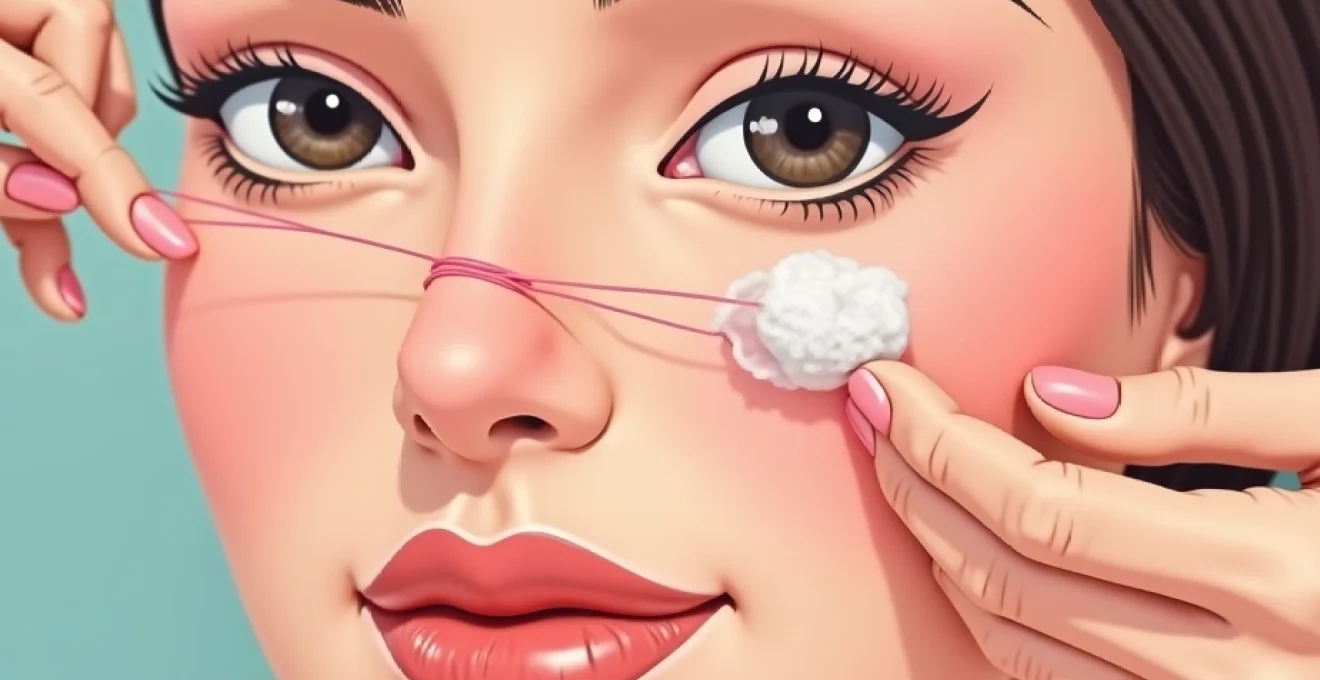
Upper lip hair removal remains one of the most sought-after beauty treatments, with millions of women seeking effective solutions for unwanted facial hair. The choice between waxing and threading often creates confusion, as both methods promise smooth, long-lasting results. Understanding the fundamental differences between these techniques becomes crucial when selecting the most suitable approach for your skin type and lifestyle preferences.
Modern beauty standards and personal grooming choices have elevated the importance of precise facial hair removal. Professional salons report that upper lip treatments account for approximately 40% of their facial hair removal services, highlighting the widespread demand for effective solutions. The decision between waxing and threading involves considering factors such as pain tolerance, skin sensitivity, and desired longevity of results.
Waxing technique methodology for upper lip hair removal
Professional waxing techniques for upper lip hair removal involve precise application methods that ensure optimal results whilst minimising skin irritation. The process begins with thorough skin preparation, including cleansing and light dusting of powder to remove natural oils. This preparation phase proves critical for achieving proper wax adhesion and reducing the likelihood of skin lifting during removal.
The upper lip’s delicate skin structure requires specialised waxing protocols that differ significantly from larger body areas. Professional aestheticians typically recommend maintaining wax temperatures between 43-50°C to ensure client comfort whilst achieving effective hair removal. Temperature control becomes paramount when working on facial areas, as excessive heat can cause burns or hyperpigmentation on sensitive skin.
Hard wax application protocol for facial hair
Hard wax formulations provide superior results for upper lip treatments due to their gentle adherence properties. Unlike strip wax, hard wax solidifies completely before removal, creating a stronger grip on hair follicles whilst reducing skin trauma. The application technique involves spreading a thin, even layer against hair growth direction, allowing complete cooling before swift removal in the opposite direction.
Professional hard wax products contain ingredients such as rosin, beeswax, and soothing additives like chamomile or aloe vera. These formulations minimise inflammatory responses whilst maintaining effective hair extraction capabilities. Quality hard waxes typically remove hair as short as 2-3mm, making them ideal for regular maintenance schedules.
Strip wax technique using muslin cloth strips
Strip wax methodology requires different application techniques compared to hard wax systems. The process involves applying a thin layer of warm wax followed by immediate muslin strip placement. Professional aestheticians recommend using short, precise strips measuring approximately 5-7cm for upper lip treatments to maintain control and accuracy.
The strip removal technique demands swift, confident motions parallel to the skin surface rather than upward pulling. This approach reduces skin lifting risks whilst ensuring complete hair extraction. Experienced practitioners emphasise the importance of skin tension control, using one hand to stretch the treatment area whilst removing strips with the other.
Temperature control parameters for facial waxing
Optimal temperature ranges for facial waxing differ significantly from body waxing protocols. Upper lip treatments require temperatures between 43-47°C for hard wax and 40-45°C for strip wax formulations. Temperature monitoring equipment ensures consistent results whilst preventing thermal injuries to delicate facial skin.
Professional wax warmers feature temperature regulation systems that maintain steady heat levels throughout treatment sessions. Digital thermometers provide accurate readings, whilst stirring mechanisms ensure even heat distribution. Temperature consistency proves crucial for achieving predictable results and client comfort levels.
Direction protocol: against hair growth pattern application
Hair growth pattern analysis forms the foundation of effective waxing protocols. Upper lip hair typically grows downward toward the mouth, requiring upward wax application for optimal removal. Professional assessment involves examining growth directions under adequate lighting to identify any irregular patterns or cowlicks.
The removal direction follows opposite principles, with swift motions in the direction of hair growth. This technique reduces hair breakage whilst ensuring complete follicular extraction. Directional accuracy significantly impacts treatment effectiveness and client satisfaction levels.
Threading procedure analysis for upper lip precision
Threading represents an ancient hair removal technique that utilises twisted cotton thread to extract unwanted facial hair with remarkable precision. This method originated in South Asian and Middle Eastern cultures, where skilled practitioners developed sophisticated techniques for shaping eyebrows and removing facial hair. The threading process involves creating loops and twists in doubled cotton thread, which traps and removes hair from follicles through controlled rolling motions.
Professional threading requires extensive training to master the complex hand movements and thread manipulation techniques. Experienced threading specialists can remove individual hairs or small groups with surgical precision, making this method ideal for detailed shaping work. The technique proves particularly effective for creating clean, defined lines around the lip area whilst preserving surrounding skin integrity.
Threading offers unmatched precision for facial hair removal, allowing practitioners to target individual follicles whilst maintaining complete control over the shaping process.
Cotton thread tension dynamics and twisting methodology
Optimal thread tension requires careful calibration to achieve effective hair removal without causing excessive skin irritation. Professional-grade cotton thread, typically measuring 0.2-0.3mm in diameter, provides the ideal balance between strength and flexibility. The twisting technique involves creating multiple loops that compress and release in rhythmic motions.
Thread preparation involves measuring approximately 60cm lengths and creating initial twists that form the working mechanism. The tension dynamics depend on maintaining consistent pressure whilst manipulating the thread across the treatment area. Proper thread tensioning ensures smooth operation whilst preventing thread breakage during treatment sessions.
Follicular extraction angle optimisation techniques
Achieving optimal follicular extraction requires precise angle management throughout the threading process. The thread approaches hair follicles at approximately 45-degree angles, ensuring maximum grip whilst minimising skin trauma. Professional practitioners adjust extraction angles based on individual hair growth patterns and follicle orientations.
The extraction motion combines rolling and twisting movements that gradually tighten around hair shafts before swift removal. This technique ensures complete follicular extraction whilst reducing breakage rates. Angle optimisation significantly impacts treatment efficiency and client comfort levels during threading sessions.
Hand positioning ergonomics for thread manipulation
Professional threading demands specific hand positioning techniques that enable sustained precision throughout treatment sessions. The dominant hand controls thread movement whilst the supporting hand maintains skin tension and positioning. Ergonomic considerations include finger placement, wrist alignment, and overall posture maintenance.
Optimal hand positioning reduces practitioner fatigue whilst maintaining treatment accuracy. Professional threading specialists develop muscle memory for consistent hand movements that ensure predictable results. Ergonomic techniques enable practitioners to perform multiple treatments without compromising quality or experiencing physical strain.
Root-level hair removal precision mechanics
Threading achieves complete follicular extraction through mechanical compression and rotation techniques. The twisted thread creates a moving trap that grips hair shafts at root level before swift removal. This mechanism ensures minimal hair breakage whilst maintaining follicle integrity for optimal regrowth patterns.
The precision mechanics involve coordinated movements that target specific follicles without affecting surrounding areas. Professional practitioners develop sensitivity to thread resistance that indicates complete hair capture before extraction attempts. Root-level precision distinguishes threading from other hair removal methods that may leave partial follicular remnants.
Pain threshold comparison between waxing and threading
Pain perception varies significantly between waxing and threading techniques, with individual tolerance levels influencing treatment preferences. Clinical studies indicate that approximately 60% of clients report higher pain levels during threading compared to waxing, primarily due to the sequential nature of hair removal. Threading involves removing individual hairs or small groups, creating a prolonged sensation that some clients find more uncomfortable than the quick, intense sensation of waxing.
Waxing produces sharp, immediate pain followed by rapid relief as endorphins activate natural pain management responses. The simultaneous removal of multiple hairs creates intense but brief discomfort that many clients prefer over extended threading sessions. Pain duration represents a crucial factor, with waxing typically lasting 2-3 seconds compared to threading sessions that may extend 10-15 minutes for comprehensive upper lip treatment.
Physiological responses to pain differ between techniques, with waxing triggering acute stress responses followed by rapid recovery. Threading maintains sustained low-level discomfort that may cause cumulative stress throughout treatment sessions. Professional pain management techniques include topical anaesthetic applications, cooling treatments, and breathing exercises that help clients manage discomfort levels during both procedures.
Individual pain thresholds depend on factors including skin sensitivity, hormonal cycles, and previous treatment experiences. Clients who regularly receive facial treatments often develop increased tolerance levels, whilst first-time clients may require additional comfort measures. Pain management strategies prove essential for maintaining client satisfaction and encouraging regular treatment schedules regardless of chosen technique.
Duration and regrowth cycle analysis
Treatment duration varies considerably between waxing and threading methodologies, with each technique offering distinct timing advantages. Professional upper lip waxing typically requires 5-10 minutes from preparation through completion, including post-treatment soothing applications. This efficiency makes waxing particularly suitable for clients with limited time availability or those seeking quick maintenance treatments between regular appointments.
Threading procedures require 15-25 minutes for comprehensive upper lip treatment, depending on hair density and desired precision levels. The methodical nature of threading allows for detailed shaping work but requires greater time investment. Professional threading specialists often recommend longer appointment slots to accommodate thorough treatment without rushing the precision work that threading enables.
Regrowth patterns demonstrate subtle differences between waxing and threading techniques, though both methods remove hair from follicular roots. Clinical observations suggest that waxed hair typically regrows within 3-4 weeks, whilst threaded hair may show initial regrowth after 2-3 weeks. These variations depend on individual follicle characteristics, hormonal influences, and seasonal factors that affect hair growth cycles.
| Aspect | Waxing | Threading |
|---|---|---|
| Treatment Duration | 5-10 minutes | 15-25 minutes |
| Initial Regrowth | 3-4 weeks | 2-3 weeks |
| Full Regrowth | 4-6 weeks | 3-5 weeks |
| Maintenance Frequency | Every 4-5 weeks | Every 3-4 weeks |
Long-term regrowth modifications occur with consistent treatment schedules regardless of chosen technique. Regular waxing or threading gradually weakens follicular structures, leading to finer regrowth and extended intervals between treatments. Follicular adaptation typically becomes apparent after 6-8 treatment cycles, with some clients reporting 30-40% reduction in hair density over extended periods.
Skin sensitivity reactions and contraindications assessment
Skin sensitivity considerations play crucial roles in determining appropriate hair removal techniques for individual clients. Upper lip skin demonstrates heightened sensitivity compared to other facial areas due to thinner epidermal layers and increased nerve density. Professional assessment protocols evaluate skin type, previous reaction history, and current skin conditions before recommending specific treatments.
Waxing contraindications include active acne, recent chemical treatments, retinoid usage, and certain medications that increase photosensitivity or skin fragility. The adhesive properties of wax create risks for skin lifting or irritation in compromised skin conditions. Professional consultation proves essential for identifying potential contraindications before treatment commencement.
Threading presents fewer contraindications due to its non-adhesive methodology, though certain conditions still require careful consideration. Active infections, open wounds, or severe inflammatory conditions may contraindicate threading procedures. The mechanical nature of threading rarely causes allergic reactions, making it suitable for clients with sensitive skin or wax allergies.
Professional skin assessment remains paramount for selecting appropriate hair removal techniques that minimise adverse reactions whilst achieving desired aesthetic outcomes.
Post-treatment reactions vary between techniques, with waxing typically producing temporary redness that subsides within 2-4 hours. Threading may cause minor spotting or slight swelling that resolves quickly with appropriate aftercare. Skin recovery protocols include cooling treatments, gentle cleansing, and avoiding makeup application for 24 hours following treatment.
Allergic reactions to waxing ingredients occur in approximately 2-3% of clients, typically manifesting as contact dermatitis or urticaria. Threading allergies remain extremely rare due to the use of natural cotton materials. Professional patch testing protocols help identify potential sensitivities before full treatment procedures, particularly for clients with known allergies or sensitive skin conditions.
Cost-effectiveness analysis: salon pricing vs home treatment options
Professional salon pricing structures reflect the skill levels, equipment costs, and time investments required for each technique. Upper lip waxing typically costs £15-25 in professional settings, whilst threading services range from £18-30 depending on geographical location and salon positioning. These price differentials reflect the specialised training requirements and time investments associated with each technique.
Home treatment options present varying cost-effectiveness profiles depending on product quality and technique mastery. DIY waxing kits cost approximately £8-15 and provide multiple treatments, making them economically attractive for budget-conscious clients. However, achieving professional results requires practice and proper technique development that many individuals find challenging without formal training.
Threading proves difficult to master for home application due to complex hand coordination requirements and specialised techniques. Professional threading training typically requires weeks of practice to achieve competent results, making DIY threading impractical for most individuals. Investment considerations should include potential costs of correcting poorly executed home treatments through professional services.
Long-term cost analysis reveals threading typically requires more frequent appointments due to shorter regrowth cycles, potentially increasing annual treatment expenses. Waxing’s longer-lasting results may provide better value over extended periods, though individual growth patterns significantly impact these calculations. Professional consultation helps establish realistic maintenance schedules and associated costs for informed decision-making.
Quality considerations substantially impact cost-effectiveness evaluations, with professional treatments typically delivering superior results compared to home alternatives. Professional products, technique expertise, and aftercare support justify premium pricing for many clients seeking reliable, safe treatment outcomes. Value assessment should consider result quality, safety factors, and time savings when comparing professional versus DIY approaches for upper lip hair removal maintenance.