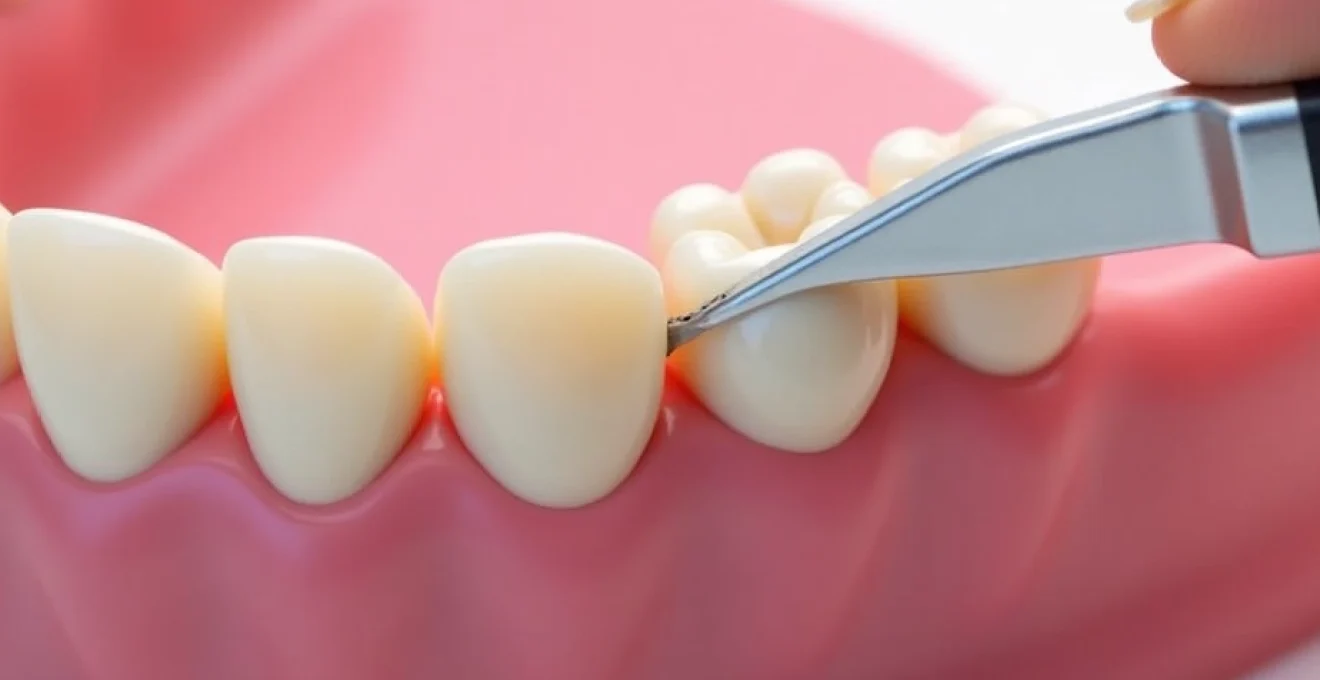
Denture wearers often experience changes in their oral tissues over time, leading to ill-fitting prosthetics that cause discomfort and functional difficulties. When dentures become loose or cause sore spots, a soft reline emerges as a crucial solution in restorative dentistry. This procedure involves adding a pliable, cushioning material to the tissue-bearing surface of existing dentures, creating a more comfortable interface between the prosthetic and the patient’s oral tissues.
The importance of soft relining extends beyond mere comfort enhancement. As the mouth undergoes natural changes through healing, bone resorption, and tissue remodelling, dentures that once fit perfectly may become problematic. Soft relines serve as a therapeutic intervention that can significantly improve a patient’s quality of life while maintaining oral health. Understanding the intricacies of this procedure helps both dental professionals and patients make informed decisions about denture care and maintenance.
Soft reline definition and clinical applications in prosthodontics
A soft reline represents a sophisticated prosthodontic procedure that addresses the dynamic relationship between dentures and oral tissues. This technique involves the strategic application of soft, biocompatible materials to the fitting surface of dentures, creating a cushioned interface that accommodates tissue irregularities and reduces pressure points. The procedure is particularly valuable when traditional hard relines prove insufficient or when patients present with sensitive oral tissues that cannot tolerate rigid denture bases.
The clinical significance of soft relining becomes apparent when considering the physiological changes that occur following tooth extraction. During the initial healing phase, tissues undergo substantial remodelling, and bone resorption patterns vary significantly among individuals. Soft relines provide the flexibility needed to accommodate these changes while maintaining denture stability and function. This adaptability makes them particularly suitable for patients transitioning from natural teeth to complete dentures or those experiencing ongoing tissue changes due to medical conditions.
Tissue conditioner materials: viscogel and Coe-Comfort properties
Tissue conditioners represent the most commonly used materials in soft reline procedures, with products like Viscogel and Coe-Comfort leading the market due to their proven clinical performance. These materials exhibit unique viscoelastic properties that allow them to flow under low stress while maintaining dimensional stability under functional forces. The powder-liquid formulation of these conditioners creates a gel-like consistency that conforms precisely to tissue contours, providing optimal pressure distribution across the denture-bearing area.
The chemistry behind these materials involves the controlled interaction between polymethyl methacrylate powder and a liquid plasticiser containing ethyl alcohol and aromatic esters. This combination results in a material that remains soft and pliable for extended periods while maintaining adequate strength to withstand masticatory forces. The gel formation process is temperature-dependent , allowing for precise working time control during clinical application.
Temporary versus permanent soft liner classification systems
Soft liners fall into two primary categories based on their intended duration of use and material composition. Temporary soft liners, typically lasting 1-4 weeks, serve as interim solutions during healing periods or as diagnostic tools to evaluate patient response to soft lining. These materials often incorporate tissue conditioners that gradually harden over time, necessitating regular replacement to maintain their cushioning properties.
Permanent soft liners, conversely, utilise more durable silicone or modified acrylic formulations designed to maintain their properties for 6-24 months. These materials undergo chemical curing processes that create cross-linked polymer networks, resulting in superior longevity and resistance to oral fluids. The classification system helps clinicians select appropriate materials based on patient needs, treatment duration, and clinical objectives.
Clinical indications for mandibular and maxillary denture relining
The decision to implement soft relining depends on specific clinical presentations and patient-related factors. Primary indications include immediate post-extraction denture placement, where tissues require protection during the healing phase, and cases involving chronic denture sore spots that persist despite adjustment attempts. Patients with flat or knife-edge ridges particularly benefit from soft relining, as these anatomical variations concentrate pressure forces and increase the likelihood of tissue trauma.
Maxillary dentures often require soft relining when palatal tissues exhibit sensitivity or when previous hard relines have resulted in patient discomfort. Mandibular applications frequently address the challenges associated with limited denture-bearing area and increased functional demands. The success of soft relining in these situations depends on proper patient selection, accurate diagnosis of the underlying issues, and appropriate material selection based on individual tissue characteristics.
Contraindications in compromised oral tissues and xerostomia cases
While soft relining offers numerous benefits, certain conditions present contraindications that must be carefully evaluated. Patients with active oral infections, including candidiasis or bacterial overgrowth, require treatment of the underlying condition before soft reline placement. Similarly, individuals with severe xerostomia may experience accelerated material degradation due to altered oral chemistry and reduced cleansing action of saliva.
Psychological factors also influence treatment success, as patients with unrealistic expectations or poor oral hygiene practices may not achieve optimal outcomes. Additionally, individuals who habitually remove their dentures frequently during the day may not benefit from soft relining, as the materials require consistent contact with tissues to maintain their therapeutic effect. Careful patient screening helps identify these potential challenges and guide treatment planning decisions.
Soft reline materials and chemical composition analysis
The evolution of soft reline materials reflects ongoing advances in polymer science and biocompatibility research. Modern formulations incorporate sophisticated chemical compositions designed to balance flexibility, durability, and biological compatibility. Understanding these material properties enables clinicians to make informed selections based on specific clinical requirements and patient characteristics.
Contemporary soft reline materials utilise three primary chemical platforms: silicone-based polymers, modified acrylic resins, and hybrid formulations combining multiple polymer systems. Each category offers distinct advantages and limitations, with selection criteria including intended service life, patient sensitivity profiles, and functional requirements. The material science behind these formulations continues to evolve, with recent developments focusing on antimicrobial properties and enhanced biocompatibility profiles.
Silicone-based liners: Addition-Cure and Condensation-Cure polymers
Silicone-based soft liners represent the gold standard for long-term applications due to their exceptional biocompatibility and dimensional stability. Addition-cure silicones utilise platinum catalysts to facilitate cross-linking between vinyl-terminated silicone polymers and hydride-functional cross-linking agents. This reaction produces no by-products, resulting in superior dimensional stability and reduced potential for tissue irritation.
Condensation-cure silicones employ different chemistry, utilising tin catalysts to facilitate cross-linking with the release of alcohol by-products. While generally less expensive than addition-cure systems, these materials may exhibit greater dimensional change over time due to by-product volatilisation. The choice between cure systems depends on clinical requirements, with addition-cure formulations preferred for critical applications requiring maximum stability and biocompatibility.
Acrylic resin soft liners: plasticiser migration and durability factors
Acrylic-based soft liners incorporate plasticising agents that maintain material flexibility through molecular mobility. Common plasticisers include phthalate esters, which migrate within the polymer matrix to maintain softness. However, this migration can lead to gradual material hardening as plasticisers leach into oral fluids over time, limiting the service life of these materials.
Recent developments in acrylic soft liner technology focus on reducing plasticiser migration through improved molecular bonding and alternative softening mechanisms. Some formulations utilise internally bonded flexible segments that resist extraction while maintaining required flexibility. These advances represent significant improvements in material durability while preserving the cost advantages associated with acrylic-based systems.
Tissue conditioners: Powder-Liquid ratio and gel formation mechanisms
The performance characteristics of tissue conditioners depend critically on proper powder-to-liquid ratios and mixing techniques. Standard formulations typically employ a 1:1 weight ratio, though some manufacturers recommend slight variations to optimise working properties. The gel formation mechanism involves gradual polymer chain entanglement as the liquid component swells the polymer particles, creating a three-dimensional network structure.
Temperature significantly influences gel formation kinetics, with elevated oral temperatures accelerating the process and potentially reducing working time. Clinicians must account for these factors during material preparation and placement to ensure optimal adaptation to tissue surfaces. Proper mixing technique and timing are essential for achieving consistent clinical results and maximising material performance throughout the service period.
Biocompatibility testing standards: ISO 10993 compliance requirements
Modern soft reline materials undergo rigorous biocompatibility testing according to ISO 10993 standards, which establish protocols for evaluating biological responses to medical devices. These standards encompass cytotoxicity testing, sensitisation potential assessment, and irritation studies using standardised in vitro and in vivo models. Compliance with these standards ensures that materials meet minimum safety requirements for oral applications.
Testing protocols evaluate both immediate and long-term biological responses, including assessment of leachable substances and their potential systemic effects. Manufacturers must demonstrate that materials do not release harmful quantities of extractable components under simulated oral conditions. This comprehensive testing approach provides confidence in material safety while establishing baseline performance expectations for clinical applications.
Clinical procedure protocols for soft denture relining
The successful implementation of soft reline procedures requires adherence to established clinical protocols that ensure optimal material adaptation and longevity. The process begins with thorough assessment of existing dentures and oral tissues to identify specific areas requiring attention. This evaluation includes examination of tissue health, denture retention and stability, and identification of pressure spots or areas of concern.
Preparation of the denture involves careful cleaning and surface treatment to ensure adequate bonding between the existing denture base and the soft liner material. The fitting surface must be free from debris, old adhesives, and any irregularities that might compromise material adaptation. Proper surface preparation is crucial for achieving durable bonding and preventing premature liner failure. Some protocols recommend light surface abrasion to enhance mechanical bonding, while others rely on chemical bonding agents specific to the chosen material system.
Material mixing and placement follow manufacturer-specific protocols, with timing being critical for optimal results. The mixed material must be applied while still in its working phase, allowing for proper flow and adaptation to tissue contours. Patients are typically asked to close gently and maintain light contact while the material sets, ensuring accurate reproduction of functional relationships. The setting process usually takes 5-10 minutes, during which the patient should avoid excessive movement or pressure that might distort the material.
Post-placement procedures include careful trimming of excess material and evaluation of the final result. The soft liner should extend slightly beyond the original denture borders to ensure complete coverage while avoiding overextension that might cause tissue irritation. Final adjustments require delicate technique to maintain the integrity of the soft material while achieving optimal fit and comfort. Patients receive specific instructions regarding care and maintenance of their relined dentures, including recommendations for cleaning agents and storage procedures.
Proper technique in soft reline procedures can dramatically improve patient comfort and denture function, often transforming an uncomfortable prosthetic into a well-tolerated appliance that enhances quality of life.
Soft reline longevity and maintenance considerations
The service life of soft reline materials varies considerably based on material type, oral environment factors, and patient compliance with maintenance protocols. Temporary tissue conditioners typically require replacement every 2-4 weeks, while permanent silicone-based liners may function effectively for 12-24 months under optimal conditions. However, individual patient factors can significantly influence these timeframes, making regular monitoring essential for maintaining optimal performance.
Factors affecting longevity include oral pH levels, salivary flow rates, dietary habits, and oral hygiene practices. Patients with xerostomia often experience accelerated material degradation due to reduced cleansing action and altered chemical environment. Similarly, individuals who consume highly acidic foods or beverages may notice premature hardening or discoloration of their soft liners. Understanding these variables helps set realistic expectations and guide patient counselling regarding material replacement schedules.
Maintenance protocols differ significantly from those used with conventional hard-based dentures. Traditional denture cleansers often contain ingredients that can damage soft liner materials, necessitating the use of specialised cleaning products or simple water-based cleaning routines. Patients must avoid abrasive cleaning methods, harsh chemicals, and excessive heat that can compromise material integrity. Storage in water when dentures are not being worn helps prevent material dehydration and dimensional changes.
Regular professional monitoring allows for early detection of material degradation and timely replacement before significant deterioration occurs. Signs indicating replacement needs include material hardening, surface roughening, discoloration, or the development of odours that cannot be eliminated through normal cleaning procedures. Proactive replacement strategies prevent the return of comfort issues and maintain optimal oral health throughout the treatment period. Some patients may benefit from graduated replacement protocols, where partial liner renewal addresses specific problem areas while maintaining overall denture function.
Complications and troubleshooting in soft reline procedures
Despite careful technique and material selection, soft reline procedures can encounter various complications that require prompt recognition and management. Common issues include inadequate material adhesion to the denture base, uneven thickness distribution, and premature material failure. These problems often stem from technique errors, inappropriate material selection, or patient-related factors that compromise treatment success.
Adhesion failures typically manifest as liner separation from the denture base, creating spaces that harbour bacteria and cause patient discomfort. This complication may result from inadequate surface preparation, contamination during placement, or chemical incompatibility between the liner and denture base materials. Prevention involves meticulous attention to surface preparation and strict adherence to manufacturer protocols regarding bonding procedures and curing conditions.
Uneven liner thickness can create pressure points or areas of inadequate cushioning, negating the benefits of soft relining. This issue often occurs when insufficient material is used or when placement technique fails to ensure uniform distribution. Patients may report continued discomfort or new sore spots following treatment, indicating the need for corrective measures. Resolution typically requires removal of the existing liner and replacement with properly distributed material.
Material degradation complications include premature hardening, surface deterioration, and the development of unpleasant tastes or odours. These issues may result from patient factors such as poor oral hygiene, inappropriate cleaning methods, or exposure to chemicals that damage the liner material. Patient education plays a crucial role in preventing these complications through proper care and maintenance routines. When degradation occurs, prompt liner replacement prevents oral health complications and maintains treatment benefits.
Early recognition and prompt management of soft reline complications can often salvage treatment outcomes and prevent more extensive interventions from becoming necessary.
Biological complications may include tissue irritation, allergic reactions, or the development of oral infections related to improper material hygiene. These issues require immediate attention and may necessitate liner removal until underlying problems are resolved. Some patients develop sensitivity to specific material components, requiring alternative material selection or treatment approaches. Comprehensive medical and dental histories help identify patients at risk for these complications, enabling preventive measures and informed consent discussions.
Alternative treatment options to soft relining techniques
While soft relining provides an effective solution for many denture-related problems, alternative treatment approaches may be more appropriate in certain clinical situations. Hard reline procedures utilise rigid materials that provide superior longevity and easier maintenance compared to soft alternatives. These procedures involve removing a thin layer of the existing denture base and replacing it with new hard acrylic resin, creating a precise fit with the current tissue contours.
Denture rebasing represents a more extensive approach that replaces the entire tissue-bearing surface while maintaining the existing tooth arrangement and occlusal relationships. This technique is particularly valuable when significant dimensional changes have occurred or when the existing denture base shows signs of deterioration. Rebasing procedures often provide superior long-term stability compared to relining techniques, though they require more extensive laboratory work and associated costs.
Complete denture replacement may be necessary when existing prosthetics no longer meet functional or aesthetic requirements despite relining efforts. This approach allows for comprehensive re-evaluation of jaw relationships, tooth position, and facial support, potentially addressing issues that cannot be resolved through relining alone. New denture fabrication also provides opportunities to incorporate modern materials and techniques that may improve overall treatment outcomes.
Implant-supported prosthetics offer the most advanced alternative for patients experiencing persistent denture problems. These treatments utilise surgically placed titanium implants to provide retention and support for removable or fixed prosthetics. While representing a significant investment in terms of time and cost, implant solutions often provide superior function, comfort, and longevity compared to conventional approaches. Patient selection
criteria becomes paramount when evaluating candidates for implant therapy, as adequate bone volume, overall health status, and patient expectations must align with treatment capabilities.
Tissue conditioning treatments represent another conservative alternative that may precede or replace soft relining in certain situations. These procedures utilise specialised materials designed to promote tissue healing and adaptation without permanent commitment to soft liner placement. The approach proves particularly valuable for patients recovering from oral surgery or those experiencing acute tissue irritation that may resolve with appropriate conditioning protocols.
Precision attachment systems offer sophisticated solutions for patients seeking enhanced denture retention without implant placement. These mechanical devices utilise male-female connections between dentures and existing teeth or strategically placed implants to provide superior stability. While requiring significant technical expertise, attachment systems can transform poorly retentive dentures into highly functional prosthetics that rival implant-supported alternatives in many clinical situations.
The selection of appropriate treatment alternatives requires careful analysis of patient needs, anatomical limitations, financial considerations, and long-term prognosis to ensure optimal outcomes.
Combination treatment approaches may provide the most comprehensive solutions for complex cases involving multiple contributing factors. These strategies might incorporate initial soft relining to address immediate comfort needs, followed by definitive hard reline procedures once tissue stability is achieved. Sequential treatment planning allows for staged interventions that build upon previous successes while minimising patient discomfort and treatment complexity. This graduated approach often yields superior long-term results compared to single-intervention strategies, particularly in challenging clinical presentations involving significant anatomical or physiological complications.