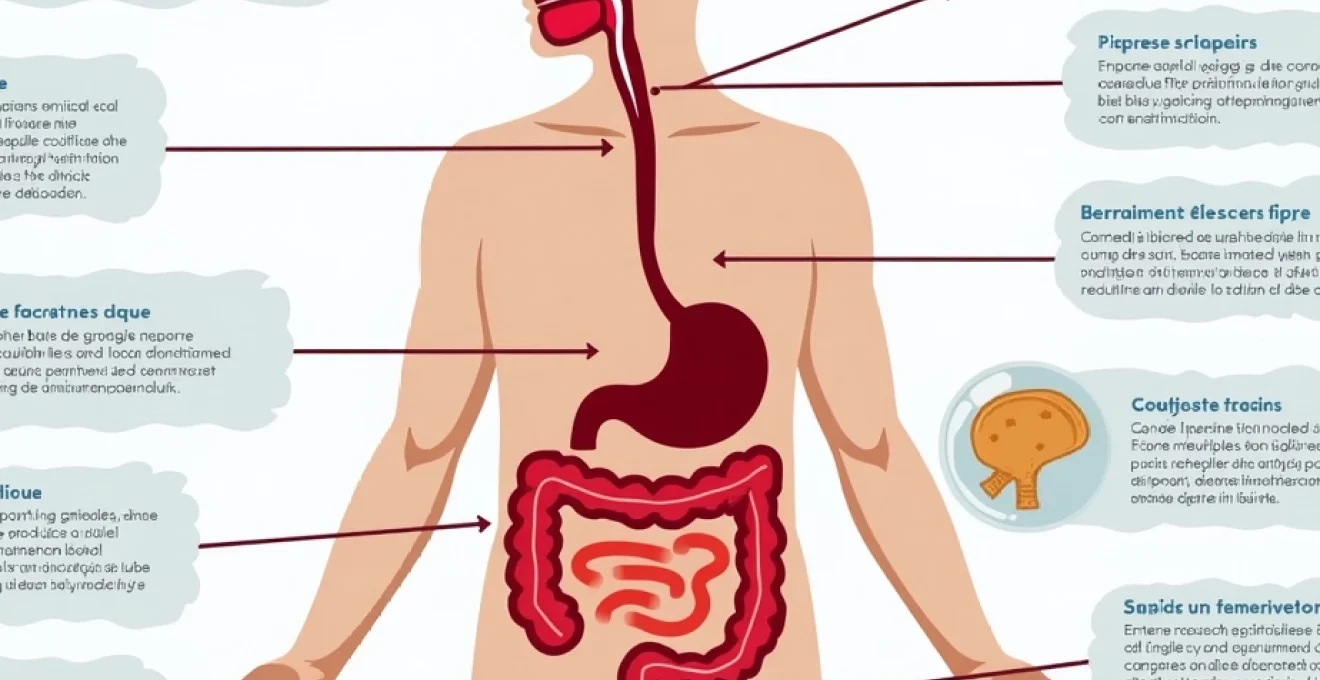
Bowel retraining represents a systematic, evidence-based approach to restoring normal defecation patterns in individuals experiencing faecal incontinence or chronic constipation. This therapeutic intervention combines behavioural modifications, physiological conditioning, and structured protocols to re-establish voluntary control over bowel movements. The programme addresses the complex interplay between neurological pathways, muscular coordination, and psychological factors that govern continence. By implementing consistent timing, positioning strategies, and muscle strengthening exercises, bowel retraining offers hope to millions who struggle with embarrassing and debilitating bowel disorders. The success of these programmes depends on understanding the intricate mechanisms underlying normal defecation and systematically rebuilding these processes through targeted interventions.
Understanding bowel retraining: neurological mechanisms and physiological foundations
The foundation of successful bowel retraining lies in comprehending the sophisticated neurological networks that orchestrate normal defecation. The process involves coordination between the central nervous system, peripheral nerves, and the enteric nervous system—often called the “second brain” due to its independent functioning capabilities. When these systems become disrupted through injury, disease, or dysfunction, the carefully choreographed sequence of muscle contractions and relaxations that enable controlled bowel movements breaks down.
Enteric nervous system rehabilitation through scheduled defecation protocols
The enteric nervous system contains over 500 million neurons embedded within the gastrointestinal wall, creating an autonomous network capable of initiating and coordinating bowel movements independently of brain input. Bowel retraining programmes exploit this inherent capacity by establishing consistent stimulation patterns that encourage the enteric nervous system to resume regular, predictable activity cycles. Through scheduled attempts at defecation, typically 20-40 minutes after meals, patients can harness the natural gastrocolic reflex that triggers coordinated colonic contractions.
Digital stimulation techniques form a cornerstone of enteric nervous system rehabilitation. By inserting a lubricated finger into the anal canal and performing gentle circular movements, patients can manually activate the defecation reflex. This mechanical stimulation mimics the natural distension signals that normally trigger the relaxation of internal anal sphincters while simultaneously contracting rectal muscles to expel faecal contents.
Pelvic floor muscle coordination in faecal continence restoration
The pelvic floor musculature consists of multiple layers of striated and smooth muscle fibres that work in concert to maintain continence and facilitate controlled evacuation. The external anal sphincter, puborectalis muscle, and supporting pelvic floor muscles must coordinate precisely to prevent involuntary leakage whilst allowing voluntary bowel movements when appropriate. Disruption of this coordination often results from childbirth injuries, surgical complications, or neurological conditions.
Kegel exercises specifically target the strengthening and coordination of these crucial muscle groups. Patients learn to identify and isolate the correct muscles through progressive muscle relaxation techniques , starting with brief contractions and gradually increasing duration and intensity. The analogy of an elevator system helps patients understand the concept—rather than using maximum force at all times, they learn to modulate muscle tension at different “floors” of contraction intensity.
Rectal sensory threshold modification via biofeedback training
Biofeedback technology provides real-time visual or auditory feedback about muscle activity and rectal sensations, enabling patients to develop greater awareness and control over their pelvic floor function. During biofeedback sessions, sensors placed on the abdomen and within the anal canal measure muscle contractions and relaxations, displaying this information on a computer screen. This objective feedback helps patients distinguish between productive muscle contractions and counterproductive straining patterns.
The modification of rectal sensory thresholds represents a particularly sophisticated aspect of biofeedback training. Many patients with faecal incontinence experience altered sensation—either hypersensitivity that creates urgent, frequent urges, or hyposensitivity that prevents adequate warning of impending bowel movements. Through graduated exposure and conditioning exercises, biofeedback can help recalibrate these sensory thresholds to more normal ranges.
Gastrocolic reflex optimisation through timed meal scheduling
The gastrocolic reflex represents one of the body’s most reliable mechanisms for triggering bowel movements. Within 20-30 minutes of eating, particularly after the first meal of the day, mass peristaltic waves sweep through the colon, propelling contents towards the rectum. Bowel retraining programmes capitalise on this physiological phenomenon by scheduling defecation attempts during these predictable periods of heightened colonic activity.
Research demonstrates that the gastrocolic reflex remains intact even in many patients with neurological impairments, making it a valuable tool for establishing predictable bowel patterns. By consuming consistent meal volumes and compositions at regular times, patients can optimise the strength and timing of these reflexive contractions. Hot beverages, particularly coffee, can enhance the gastrocolic response, making them useful adjuncts to morning bowel routines.
Clinical indications for bowel retraining implementation
Bowel retraining programmes address a diverse spectrum of defecation disorders, each requiring tailored approaches based on underlying pathophysiology. The identification of appropriate candidates involves comprehensive assessment of medical history, physical examination findings, and functional testing results. Success rates vary significantly depending on the primary disorder, patient compliance, and the presence of concurrent medical conditions that may interfere with treatment outcomes.
Post-surgical bowel dysfunction following colorectal resection
Surgical interventions involving the colon, rectum, or anal sphincters frequently result in temporary or permanent alterations in bowel function. Low anterior resection syndrome affects up to 90% of patients following rectal cancer surgery, characterised by urgency, frequency, incomplete evacuation, and faecal incontinence. These symptoms arise from reduced rectal capacity, altered sensation, and disrupted neuromuscular coordination in the remaining bowel segments.
Bowel retraining becomes particularly valuable in the post-operative period as tissues heal and neural pathways reorganise. The programme must account for anatomical changes while helping patients develop new strategies for achieving continence. Positioning modifications become crucial when normal rectal anatomy has been altered, with lateral positioning often proving more effective than traditional sitting postures.
Neurogenic bowel management in spinal cord injury patients
Spinal cord injuries create complex patterns of bowel dysfunction depending on the level and completeness of the lesion. Upper motor neuron lesions typically result in a reflexic neurogenic bowel with preserved gastrocolic reflexes but loss of voluntary control. Lower motor neuron lesions produce areflexic patterns characterised by absent reflexes and flaccid anal sphincters. Each pattern requires fundamentally different retraining approaches.
For patients with reflexic neurogenic bowel, stimulated defecation programmes focus on triggering and timing reflexive evacuations. Digital stimulation, suppositories, or small-volume enemas can reliably initiate bowel movements when properly timed with the gastrocolic reflex. Patients with areflexic patterns require more aggressive interventions, including manual evacuation techniques and larger-volume stimulants to overcome the absence of reflexive activity.
Faecal incontinence secondary to obstetric anal sphincter injuries
Obstetric anal sphincter injuries occur in 3-11% of vaginal deliveries, often resulting in immediate or delayed faecal incontinence symptoms. These injuries can involve the external anal sphincter, internal anal sphincter, or both structures, along with potential damage to the anal epithelium and surrounding tissues. The severity of symptoms correlates with the extent of injury and the effectiveness of initial surgical repair.
Bowel retraining for obstetric injuries emphasises compensatory muscle strengthening and coordination exercises. When sphincter function cannot be fully restored through surgical repair, surrounding pelvic floor muscles can be trained to provide additional support for maintaining continence. Timing strategies become particularly important, as these patients may need to evacuate completely during planned bowel movements to minimise the risk of subsequent leakage.
Functional constipation and dyssynergic defecation patterns
Functional constipation affects approximately 16% of adults globally, with dyssynergic defecation contributing to symptoms in roughly 40% of cases. This condition involves paradoxical contraction of pelvic floor muscles during attempted defecation, creating functional obstruction despite the absence of anatomical abnormalities. Patients often develop counterproductive straining patterns that worsen symptoms over time.
The retraining approach for dyssynergic defecation focuses on coordination rather than strengthening. Patients must learn to relax pelvic floor muscles while simultaneously increasing intra-abdominal pressure through proper breathing and positioning techniques. Biofeedback training proves particularly valuable for these patients, as visual feedback helps them recognise and correct inappropriate muscle activation patterns during simulated defecation attempts.
Evidence-based bowel retraining methodologies and protocols
Contemporary bowel retraining programmes integrate multiple evidence-based interventions to address the multifactorial nature of defecation disorders. The most effective protocols combine behavioural modifications, physical techniques, and environmental optimisations to create comprehensive treatment approaches. Research demonstrates that individualised programmes yield superior outcomes compared to standardised protocols, emphasising the importance of tailoring interventions to specific patient needs and capabilities.
Progressive muscle relaxation techniques for anal sphincter control
Progressive muscle relaxation forms the foundation of many successful bowel retraining programmes, particularly for patients who have developed maladaptive tension patterns in response to incontinence fears. The technique involves systematically tensing and releasing different muscle groups, helping patients develop greater awareness of muscular tension and control. For bowel retraining, specific attention focuses on the anal sphincter complex and surrounding pelvic floor muscles.
The training progression typically begins with basic awareness exercises where patients learn to identify and isolate the anal sphincter muscles. Many patients initially recruit additional muscle groups unnecessarily, including gluteal muscles, abdominal muscles, or thigh muscles. Through guided practice sessions, patients learn to activate only the target muscles whilst keeping surrounding areas relaxed. This selective activation proves crucial for developing sustained continence without causing fatigue or discomfort.
Digital stimulation protocols for reflexive bowel evacuation
Digital stimulation represents one of the most reliable methods for triggering reflexive bowel movements in patients with neurological impairments or severely compromised sensation. The technique involves inserting a lubricated, gloved finger approximately 1-2 centimetres into the anal canal and performing gentle circular movements against the rectal wall. This mechanical stimulation activates stretch receptors that initiate the defecation reflex sequence.
Proper technique execution requires understanding the optimal timing, pressure, and duration of stimulation. Most protocols recommend beginning stimulation 20-30 minutes after breakfast to capitalise on the gastrocolic reflex. The circular movements should continue for 30-60 seconds, followed by a brief pause to assess response. If no reflex activity occurs, the stimulation can be repeated up to three times before considering alternative interventions.
Abdominal massage sequences following mariani and cerulli methods
Abdominal massage techniques can significantly enhance colonic motility and facilitate more complete bowel evacuations. The Mariani and Cerulli methods represent two distinct approaches, with the former emphasising deep, circular movements following the anatomical course of the colon, while the latter focuses on rapid, vibratory techniques designed to stimulate peristaltic activity. Both methods can be integrated into comprehensive bowel retraining programmes.
The Mariani technique involves systematic massage beginning at the right iliac fossa and progressing along the ascending, transverse, and descending colon pathways. Patients or caregivers apply steady pressure using circular movements, spending 2-3 minutes in each anatomical region. The technique proves particularly beneficial for patients with slow-transit constipation or those recovering from surgery where normal motility patterns have been disrupted.
Positioning strategies: squatting posture and left lateral positioning
Optimal positioning during defecation attempts can significantly influence evacuation success and patient comfort. The traditional Western toilet position, whilst convenient, does not provide the most physiologically advantageous posture for bowel movements. Research demonstrates that squatting positions, which can be approximated using footstools, create more favourable anorectal angles and reduced straining requirements.
For patients unable to achieve squatting positions, left lateral positioning offers an excellent alternative. This position utilises gravity to assist faecal movement whilst reducing pressure on healing tissues or compromised sphincter muscles. Left lateral positioning proves particularly valuable for post-operative patients, those with mobility limitations, or individuals with significant anal pain during attempted defecation.
Dietary fibre titration and fluid intake optimisation schedules
Dietary modifications form an essential component of successful bowel retraining, with particular attention to fibre content and fluid intake patterns. The optimal approach involves gradual introduction of soluble and insoluble fibres while monitoring stool consistency and frequency responses. Most programmes target 25-35 grams of daily fibre intake, achieved through combination of dietary sources and supplements when necessary.
Fluid intake optimisation requires balancing adequate hydration with practical considerations about timing and volume. The standard recommendation of 2-3 litres daily may need modification based on individual medical conditions, medications, or lifestyle factors. Strategic timing of fluid intake can enhance the effectiveness of scheduled bowel movements, with increased consumption during morning hours supporting the gastrocolic reflex response.
Successful bowel retraining requires patience, consistency, and individualised approaches that address the specific mechanisms underlying each patient’s symptoms.
Pharmacological adjuncts in bowel retraining programmes
While behavioural interventions form the cornerstone of bowel retraining, pharmacological agents often provide essential support for achieving optimal outcomes. The selection of appropriate medications depends on the underlying pathophysiology, with different agents targeting specific aspects of bowel dysfunction. Stimulant laxatives, osmotic agents, stool softeners, and prokinetic medications each offer distinct advantages in particular clinical scenarios.
Stimulant laxatives such as bisacodyl or senna can be invaluable for initiating bowel movements during the early phases of retraining programmes. These agents directly stimulate colonic smooth muscle contractions, helping to establish predictable evacuation patterns. However, their use must be carefully managed to avoid dependency and to allow natural reflexes to re-establish over time. Most protocols recommend limiting stimulant use to 2-3 times per week during active retraining phases.
Osmotic agents including polyethylene glycol, lactulose, or magnesium-based preparations offer gentler approaches to stool consistency modification. These medications increase faecal water content, creating softer, more easily evacuated stools whilst minimising the risk of dependency. Osmotic laxatives prove particularly valuable for patients with hard, difficult-to-pass stools that contribute to incomplete evacuation and subsequent leakage episodes.
Prokinetic medications such as prucalopride can benefit selected patients with severe constipation or gastroparesis. These agents enhance gastric emptying and colonic transit times, potentially improving the effectiveness of gastrocolic reflex-based retraining strategies. However, their use requires careful consideration of potential side effects and contraindications, particularly in elderly patients or those with cardiovascular comorbidities.
Measuring bowel retraining success: assessment tools and outcome metrics
Objective measurement of bowel retraining outcomes requires standardised assessment tools that capture both clinical improvements and quality-of-life changes. The most widely used instruments include symptom diaries, validated questionnaires, and physiological testing parameters that provide quantifiable evidence of treatment effectiveness. Successful programmes typically demonstrate measurable improvements within 2-4 weeks, with continued progress over subsequent months.
Symptom diaries represent the foundation of outcome assessment, providing detailed records of bowel movement frequency, consistency, and associated symptoms. The Bristol Stool Chart offers a standardised method for describing stool consistency, whilst incontinence severity scales quantify the frequency and volume of leakage episodes. Digital applications and smartphone-based tracking systems can enhance compliance with diary completion whilst facilitating data analysis.
Quality-of-life questionnaires capture the broader impact of bowel dysfunction on daily activities, emotional well-being, and social functioning. The Faecal Incontinence Quality of Life Scale and Cleveland Clinic Incontinence Score provide validated instruments for measuring these important domains. Improvements in quality-of-
life scores often precede clinical symptom improvements, making these instruments valuable for early detection of treatment benefits.
Physiological testing provides objective measurements of anal sphincter function and rectal sensation. Anorectal manometry measures sphincter pressures, rectal compliance, and sensory thresholds, offering quantifiable parameters for tracking improvements. Endoanal ultrasound imaging can document structural changes in sphincter muscles over time, particularly valuable for patients recovering from obstetric injuries or surgical repairs. Electromyography studies demonstrate improvements in pelvic floor muscle coordination and strength following targeted exercise programmes.
Success metrics vary depending on the primary indication for bowel retraining. For faecal incontinence patients, reduction in leakage episodes by 50% or greater typically indicates clinically meaningful improvement. Constipation programmes target increases in spontaneous bowel movement frequency to at least three per week, with concurrent improvements in evacuation completeness. Patient-reported outcome measures consistently rank among the most important indicators of treatment success, reflecting the significant impact of bowel dysfunction on overall quality of life.
Long-term management strategies and relapse prevention protocols
Sustaining the gains achieved through bowel retraining requires comprehensive long-term management strategies that address both the physiological and psychological aspects of bowel dysfunction. Research indicates that approximately 20-30% of patients experience some degree of symptom recurrence within the first year following successful retraining, highlighting the importance of robust maintenance protocols. The development of personalised prevention strategies based on individual risk factors and trigger identification significantly improves long-term success rates.
Maintenance exercise programmes form the cornerstone of relapse prevention, with patients continuing modified versions of their initial pelvic floor strengthening routines indefinitely. The frequency and intensity of exercises can often be reduced once optimal function is achieved, but complete discontinuation frequently leads to gradual deterioration in muscle strength and coordination. Progressive exercise protocols should be reviewed and updated every 3-6 months to ensure continued challenge and adaptation, preventing the plateau effect that commonly occurs with static routines.
Environmental and lifestyle factors require ongoing attention to maintain optimal bowel function. Stress management techniques become particularly important, as emotional stress can significantly impact gastrointestinal motility and sphincter function. Many patients benefit from incorporating mindfulness practices, relaxation techniques, or stress reduction counselling into their long-term management plans. Regular sleep patterns, consistent meal timing, and adequate physical activity levels all contribute to maintaining stable bowel patterns over time.
Dietary adherence presents ongoing challenges for many patients, particularly during travel, illness, or significant life changes. Developing flexible dietary strategies that can accommodate various situations while maintaining adequate fibre and fluid intake becomes essential for long-term success. Nutritional counselling sessions every 6-12 months help patients adapt their dietary approaches as their needs and circumstances evolve, ensuring continued optimisation of stool consistency and bowel movement patterns.
Medical monitoring protocols should include regular assessment of concurrent conditions that may impact bowel function. Diabetes management, medication reviews, and treatment of inflammatory conditions require ongoing attention to prevent secondary effects on gastrointestinal function. Patients taking medications with constipating side effects may need periodic dosage adjustments or alternative therapeutic options to maintain the benefits achieved through bowel retraining programmes.
Early intervention strategies for symptom recurrence can prevent complete relapse and facilitate rapid return to optimal function. Patients should be educated about early warning signs of deteriorating bowel control and provided with specific action plans for addressing initial symptoms. This might include temporary increases in exercise frequency, dietary modifications, or short-term use of supportive medications under medical supervision. Patient empowerment through education and self-management skills significantly improves long-term outcomes and reduces healthcare utilisation.
Long-term success in bowel retraining depends not only on initial symptom resolution but also on developing sustainable lifestyle modifications and maintenance strategies that prevent symptom recurrence.
Support systems play crucial roles in sustaining long-term behavioural changes. Family education helps create supportive home environments that facilitate adherence to recommended protocols. Peer support groups, whether in-person or online, provide valuable opportunities for sharing experiences and strategies among individuals facing similar challenges. Healthcare provider accessibility for questions and guidance helps patients maintain confidence in their self-management abilities while ensuring appropriate medical oversight.
Technology integration offers promising opportunities for enhancing long-term management effectiveness. Smartphone applications can provide medication reminders, exercise prompts, and symptom tracking capabilities that support adherence to maintenance protocols. Telehealth consultations enable regular check-ins with healthcare providers without the burden of frequent office visits, particularly valuable for patients with mobility limitations or those living in remote areas. Wearable devices may eventually provide real-time feedback about pelvic floor muscle activity and posture, though this technology remains in developmental stages.
The economic considerations of long-term bowel retraining maintenance deserve attention, as ongoing costs may impact patient adherence. Insurance coverage for maintenance therapies, nutritional supplements, and follow-up appointments varies significantly among providers. Healthcare systems that invest in comprehensive maintenance programmes often demonstrate cost-effectiveness through reduced emergency department visits, decreased need for invasive interventions, and improved patient quality of life metrics. Advocacy for improved coverage of maintenance therapies continues to evolve as evidence demonstrates their long-term value in preventing symptom recurrence and maintaining functional independence.