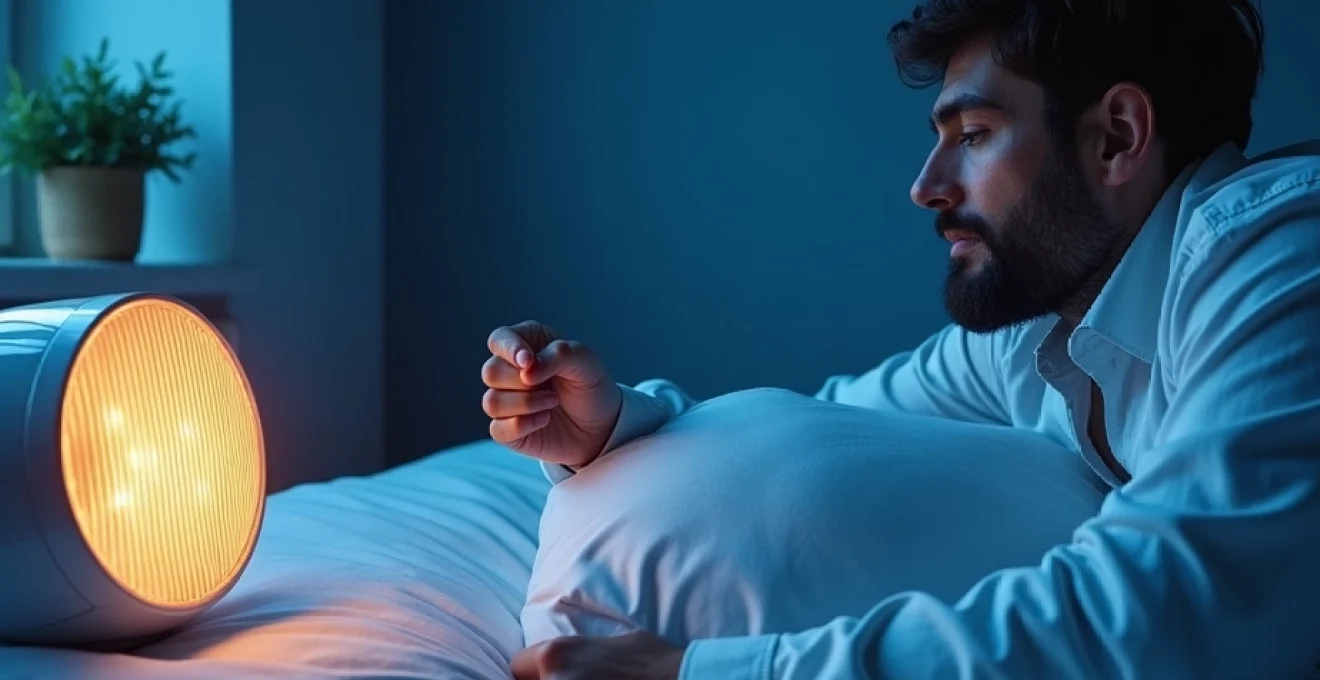
White noise machines have transformed from niche audio equipment into essential household devices, revolutionising how millions approach sleep quality and environmental sound management. These sophisticated acoustic instruments generate consistent, broadband sound frequencies that effectively mask disruptive environmental noise whilst creating calming auditory environments. Whether you’re battling urban traffic noise, managing sleep disorders, or creating optimal study conditions, understanding the intricate technology behind white noise machines reveals why they’ve become indispensable tools for modern living.
The science underlying white noise technology extends far beyond simple sound generation, incorporating advanced acoustic engineering principles, clinical sleep research, and sophisticated digital signal processing. From mechanical fan-based systems to cutting-edge digital algorithms, these devices represent a fascinating intersection of physics, psychology, and practical engineering solutions designed to enhance human wellbeing through controlled sound environments.
White noise machine technology and sound generation mechanisms
Modern white noise machines employ diverse technological approaches to generate their characteristic soundscapes, each method offering distinct advantages and acoustic properties. The fundamental principle underlying all white noise generation involves creating a consistent sound spectrum that spans the full range of audible frequencies, typically from 20Hz to 20kHz, with relatively equal energy distribution across this spectrum.
Analog Circuit-Based white noise generators using zener diodes
Traditional analog white noise generators rely on the inherent electronic noise characteristics of semiconductor components, particularly Zener diodes operating in their avalanche breakdown region. When reverse-biased beyond their breakdown voltage, these diodes produce random electrical fluctuations that, when amplified and filtered, create authentic white noise signals. This approach generates truly random noise patterns rather than digitally synthesised approximations, resulting in naturally occurring sound variations that many users find more soothing than repetitive digital loops.
The analog circuitry typically incorporates multiple gain stages, frequency shaping filters, and amplitude control circuits to refine the raw noise signal into pleasant, therapeutic soundscapes. High-quality analog systems often feature discrete component designs using premium transistors and operational amplifiers, minimising harmonic distortion and ensuring consistent frequency response across extended operating periods.
Digital signal processing (DSP) algorithms in modern white noise devices
Contemporary white noise machines predominantly utilise sophisticated digital signal processing algorithms to generate precise frequency spectra whilst offering enhanced control over sound characteristics. These systems employ pseudorandom number generators combined with spectral shaping techniques to create mathematically accurate white, pink, and brown noise variants. Advanced DSP implementations can dynamically adjust frequency content, implement adaptive filtering, and even respond to environmental sound levels automatically.
Modern processors enable real-time spectrum analysis and adjustment, allowing devices to maintain consistent masking effectiveness regardless of ambient noise fluctuations. Some premium models incorporate machine learning algorithms that analyse your sleep patterns and automatically optimise sound parameters for maximum therapeutic benefit throughout different sleep phases.
Fan-based mechanical sound generation systems
Mechanical fan-based white noise machines represent the most traditional approach to consistent sound generation, utilising precisely engineered airflow patterns to create naturally occurring broadband noise. These systems employ specially designed impellers, housing geometries, and airflow channels to generate rich, complex sound signatures that many users find particularly effective for sleep enhancement and noise masking applications.
The acoustic characteristics of fan-based systems result from turbulent airflow interactions, creating naturally random sound patterns without the repetitive loops common in digital recordings. Premium mechanical systems feature precision-balanced rotors, optimised blade geometries, and carefully tuned acoustic chambers that enhance the therapeutic qualities of the generated soundscape whilst minimising mechanical noise and vibration.
Frequency spectrum analysis: true white vs pink vs brown noise output
Understanding the distinct frequency characteristics of different noise colours proves essential when selecting appropriate white noise machines for specific applications. True white noise maintains equal energy per frequency band, creating a bright, hissing sound that some users find too harsh for extended listening periods. Pink noise reduces energy at higher frequencies by 3dB per octave, producing warmer, more natural sounds reminiscent of rainfall or rustling leaves.
Brown noise (also called red noise) decreases high-frequency content even more dramatically, creating deep, rumbling sounds similar to distant thunder or heavy rainfall. Modern white noise machines often provide multiple noise colours, allowing users to select optimal frequency distributions based on personal preferences, specific masking requirements, and environmental conditions.
Clinical applications and sleep science research behind white noise therapy
Extensive clinical research has established white noise therapy as a legitimate medical intervention for various sleep disorders, concentration difficulties, and auditory processing conditions. Sleep laboratories worldwide have documented measurable improvements in sleep onset time, sleep efficiency, and overall sleep quality when patients utilise appropriate white noise interventions during nocturnal rest periods.
Polysomnography studies on white noise and REM sleep enhancement
Polysomnographic research utilising comprehensive sleep monitoring equipment has revealed fascinating insights into how consistent background noise influences different sleep stages. Studies involving electroencephalogram (EEG) monitoring demonstrate that appropriate white noise levels can significantly reduce sleep fragmentation caused by environmental sound disturbances, leading to increased REM sleep duration and improved sleep architecture overall.
Research indicates that white noise machines operating at 40-50 decibels can reduce sleep onset latency by up to 38% compared to silent environments, particularly in urban settings where intermittent noise disruptions frequently interrupt natural sleep progression. The consistent auditory stimulus appears to stabilise brainwave patterns during light sleep phases, reducing the likelihood of awakening from sudden environmental sounds.
Masking audiometry principles in white noise machine design
Professional white noise machines incorporate fundamental masking audiometry principles derived from clinical hearing assessment protocols. Effective noise masking requires understanding critical band theory, whereby the masking sound must contain sufficient energy within specific frequency ranges to render unwanted sounds inaudible rather than merely reducing their perceived volume.
Advanced white noise systems employ spectral shaping algorithms that adjust frequency content based on common environmental noise signatures, ensuring optimal masking effectiveness for typical household disturbances such as traffic, conversation, or mechanical equipment operation. This scientific approach to sound masking significantly outperforms simple volume-based noise reduction strategies.
Tinnitus management protocols using broadband sound therapy
Clinical tinnitus management protocols increasingly incorporate white noise machines as primary therapeutic interventions, particularly for patients experiencing high-frequency tinnitus symptoms. The consistent broadband sound helps retrain auditory processing pathways whilst providing immediate symptomatic relief by masking the perceived ringing or buzzing sensations that characterise various tinnitus presentations.
Professional audiologists recommend specific white noise characteristics and listening protocols tailored to individual tinnitus frequencies and severity levels, emphasising the importance of properly calibrated sound therapy equipment for optimal therapeutic outcomes.
Long-term tinnitus management studies demonstrate that consistent white noise exposure, combined with appropriate counselling and lifestyle modifications, can produce lasting improvements in tinnitus-related distress and sleep quality for many patients experiencing chronic auditory symptoms.
Paediatric sleep disorders treatment with consistent ambient noise
Paediatric sleep medicine has embraced white noise therapy as a safe, non-pharmacological intervention for various childhood sleep disorders, including difficulty with sleep initiation, frequent night wakings, and sensitivity to environmental sounds. Research with infants demonstrates that consistent background noise can recreate aspects of the intrauterine sound environment, promoting more settled sleep patterns during critical early developmental periods.
Clinical guidelines recommend specific volume limits and frequency characteristics for paediatric white noise applications, ensuring therapeutic benefits whilst protecting developing auditory systems from potential harm associated with excessive sound exposure during crucial developmental stages.
Leading white noise machine models and technical specifications
The white noise machine market features diverse products ranging from basic mechanical units to sophisticated digital systems incorporating advanced acoustic engineering and smart technology integration. Understanding the technical specifications and design philosophies behind leading models helps consumers make informed decisions based on specific requirements and preferences.
Marpac dohm classic mechanical fan technology analysis
The Marpac Dohm Classic represents the gold standard in mechanical white noise generation, utilising a precision-engineered fan assembly housed within an acoustically optimised enclosure. The device’s distinctive two-speed motor drives a carefully balanced impeller that creates consistent airflow patterns, generating naturally occurring turbulence-based sound without the repetitive loops characteristic of digital recordings.
Technical specifications include adjustable acoustic chambers that allow users to modify tonal characteristics by adjusting airflow patterns, creating personalised soundscapes suited to individual preferences. The unit’s robust construction ensures consistent performance across extended operating periods whilst maintaining minimal electromagnetic interference and mechanical vibration.
Lectrofan EVO digital sound processing capabilities
The LectroFan EVO showcases cutting-edge digital signal processing technology, offering twenty-two distinct sound options including ten white noise variations, ten fan sounds, and two ocean surf recordings. Advanced DSP algorithms generate non-repeating sound patterns that avoid the psychological fatigue associated with obvious loop repetition in lesser-quality digital systems.
This model incorporates precision volume control, multiple timer options, and a high-quality speaker system capable of producing clean sound output across a wide dynamic range. The digital architecture enables consistent frequency response and eliminates the mechanical wear issues associated with fan-based systems whilst providing superior portability and energy efficiency.
Adaptive sound technologies ASM1002 professional features
Professional-grade white noise machines like the ASM1002 incorporate advanced features designed for clinical and commercial applications where consistent, high-quality sound generation proves essential. These units often feature multiple output channels, remote control capabilities, and extensive customisation options allowing precise adjustment of spectral characteristics and amplitude parameters.
The robust construction and commercial-grade components ensure reliable operation in demanding environments whilst providing the acoustic performance required for professional sleep laboratories, medical facilities, and commercial sound masking installations. Enhanced connectivity options enable integration with building automation systems and centralised control networks.
Big red rooster BRRC102 portable design engineering
Portable white noise machines prioritise compact design whilst maintaining effective acoustic performance for travel and temporary installations. The BRRC102 exemplifies this category with battery operation, lightweight construction, and simplified controls optimised for ease of use in various environments.
Despite size constraints, quality portable units incorporate sophisticated acoustic design principles including optimised speaker placement, effective sound projection patterns, and frequency response characteristics tailored for typical hotel room and temporary living space acoustics. Battery life considerations and charging convenience become paramount design factors for these mobile applications.
Acoustic engineering parameters and sound quality metrics
Evaluating white noise machine performance requires understanding fundamental acoustic engineering parameters that determine effectiveness, comfort, and therapeutic value. Sound quality encompasses multiple measurable characteristics including frequency response, harmonic distortion, dynamic range, and spectral consistency, each contributing to the overall user experience and therapeutic efficacy.
Professional acoustic measurements utilise specialised equipment to assess total harmonic distortion (THD), signal-to-noise ratios, and frequency response linearity across the full audible spectrum. Quality white noise machines typically maintain THD levels below 1% whilst providing flat frequency response within ±3dB across the critical 100Hz to 8kHz range where most environmental masking occurs. These specifications ensure that the generated sound effectively masks unwanted noise without introducing audible artifacts or unpleasant tonal characteristics that could interfere with sleep or concentration.
Dynamic range capabilities determine how effectively a white noise machine can adapt to varying environmental conditions and user preferences. Premium units offer 60dB or greater dynamic range, enabling whisper-quiet operation for sensitive users whilst maintaining sufficient output power to mask significant environmental disturbances when necessary. This flexibility proves particularly valuable in shared living spaces where different family members may have varying sensitivity levels and masking requirements.
The acoustic design of white noise machines must balance effective masking capabilities with long-term listening comfort, ensuring that therapeutic benefits can be maintained throughout extended use periods without causing auditory fatigue or discomfort.
Spectral consistency measurements evaluate how stable the frequency content remains during extended operation periods, particularly important for digital systems that might exhibit processing variations or analog systems subject to component drift over time. Professional-grade units maintain spectral deviation within 1dB across 24-hour operating cycles, ensuring consistent masking effectiveness regardless of usage duration or environmental temperature fluctuations.
Installation positioning and environmental acoustic optimisation
Optimal white noise machine placement significantly impacts effectiveness, requiring consideration of room acoustics, user positioning, and environmental factors that influence sound propagation and masking performance. The acoustic properties of different room geometries, surface materials, and furniture arrangements create unique sound reflection patterns that can either enhance or diminish white noise effectiveness depending on strategic device positioning.
Distance calculations prove crucial for achieving appropriate sound levels without excessive volume requirements. Positioning white noise machines 3-8 feet from the listener typically provides optimal balance between effective masking and comfortable listening levels, utilising natural sound attenuation to achieve therapeutic benefits without overwhelming the auditory environment. This positioning also minimises potential hearing damage risks associated with prolonged close-proximity exposure to high-intensity broadband noise.
Room acoustic treatment considerations include evaluating hard versus soft surface ratios, ceiling heights, and furniture placement that might create acoustic dead zones or excessive reverberation. Rooms with predominantly hard surfaces may require different white noise characteristics compared to heavily carpeted and furnished spaces, as reflection patterns and absorption coefficients dramatically affect how the generated sound interacts with the acoustic environment.
Environmental variables such as HVAC system noise, external traffic patterns, and neighbouring activity levels should inform white noise machine selection and positioning strategies. Devices positioned near natural sound transmission paths, such as doorways or windows, can more effectively intercept and mask incoming disturbances before they reach sleeping or working areas. Strategic placement can enhance masking effectiveness whilst reducing overall volume requirements, creating more comfortable and energy-efficient acoustic environments.
Multiple unit installations in larger spaces require careful consideration of phase relationships and frequency interactions to avoid acoustic interference patterns that could reduce masking effectiveness or create uncomfortable listening conditions. Professional installations often incorporate acoustic modeling software to optimise multiple white noise source positioning for maximum coverage and therapeutic benefit throughout complex architectural spaces.
Comparative analysis: white noise machines vs sleep apps vs smart home integration
The proliferation of digital alternatives to dedicated white noise machines has created a complex landscape of options, each offering distinct advantages and limitations for different user requirements and technical preferences. Smartphone applications provide convenient access to diverse sound libraries and customisation options, whilst smart home integration enables sophisticated automation and environmental responsiveness that traditional standalone units cannot match.
Dedicated white noise machines maintain significant advantages in audio quality, consistency, and reliability compared to smartphone-based solutions. Professional-grade hardware incorporates purpose-built speakers, amplification systems, and acoustic design optimised specifically for therapeutic sound generation, typically outperforming the compact speakers and general-purpose audio components found in mobile devices. Battery life considerations also favour dedicated units, which can operate continuously for weeks compared to smartphones that require daily charging when used for extended audio playback.
Sleep applications offer unparalleled variety and customisation capabilities, with some platforms providing hundreds of different sound options, mixing capabilities, and personalisation features that would be impractical in hardware-based systems. Advanced applications incorporate biometric monitoring and adaptive algorithms that adjust sound characteristics based on detected sleep patterns, movement, and environmental conditions throughout the night. However, these benefits come with trade-offs including potential wireless interference, software reliability concerns, and dependency on internet connectivity for full functionality.
Smart home integration represents the cutting edge of white noise technology, enabling sophisticated automation scenarios where acoustic environments respond dynamically to occupancy patterns, time schedules, and environmental conditions detected by various sensors throughout the home. Integration with platforms like Amazon Alexa, Google Home, and Apple HomeKit allows voice control, remote adjustment, and coordination with other smart home systems such as lighting, temperature control, and security monitoring.
The choice between dedicated hardware, mobile applications, and smart home solutions ultimately depends on individual priorities regarding audio quality, convenience, customisation capabilities, and integration with existing technology ecosystems.
Cost considerations reveal interesting trade-offs across different white noise delivery methods. While premium dedicated machines require significant upfront investment, they typically provide years of reliable service with minimal ongoing costs. Smartphone applications may appear more economical initially, but subscription fees for premium features, increased battery replacement costs, and potential device upgrade requirements can accumulate substantial expenses over time. Smart home solutions often involve the highest initial setup costs but provide the greatest long-term flexibility and feature expansion possibilities through software updates and ecosystem integration.