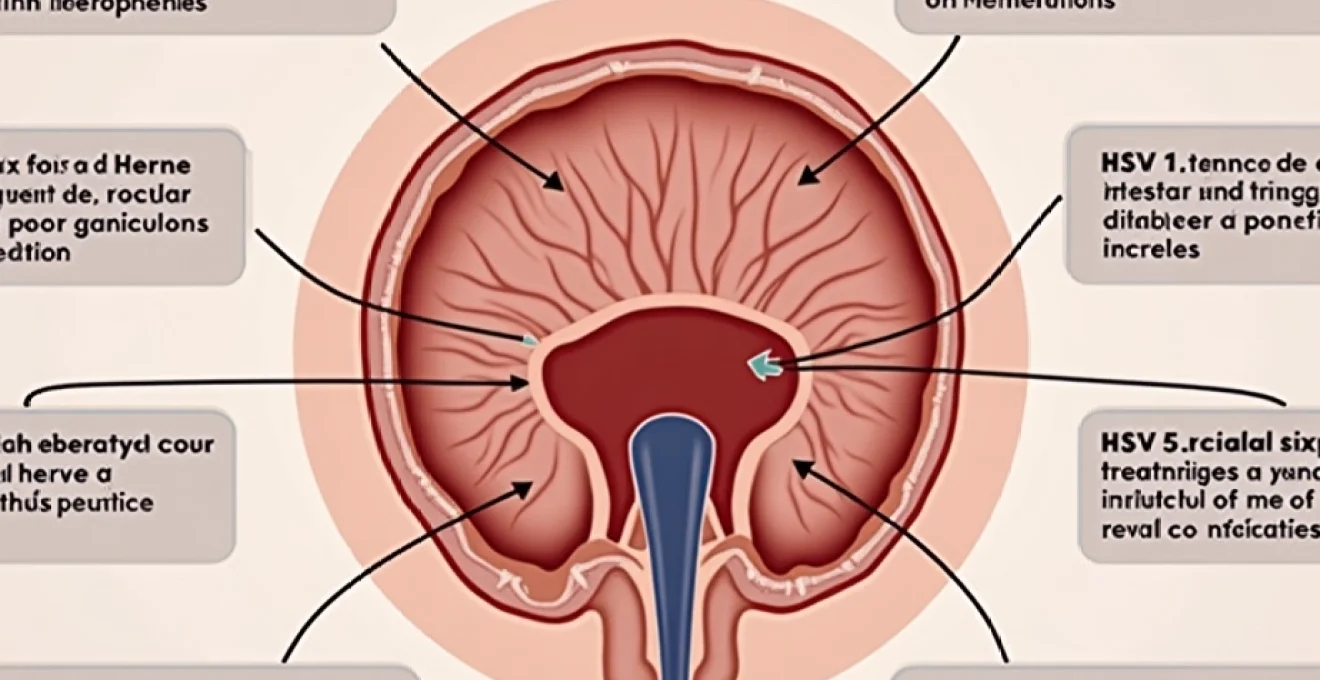
Sacral herpes represents one of the most clinically challenging presentations of herpes simplex virus infection, affecting the lower back, buttocks, and pelvic region through involvement of the sacral nerve distribution. This condition, whilst relatively uncommon compared to typical oral or genital herpes manifestations, can cause significant neurological complications and profoundly impact patient quality of life. Understanding the complex pathophysiology, varied clinical presentations, and appropriate management strategies for sacral herpes infections is crucial for healthcare professionals across multiple specialities.
The sacral region’s unique anatomical and neurological characteristics create a distinctive environment for herpes simplex virus reactivation. Unlike more common presentations affecting facial or genital areas, sacral herpes involves complex interactions between viral neurotropism and the intricate sacral plexus innervation. This complexity often leads to delayed diagnosis, as symptoms can mimic various other conditions including mechanical back pain, radiculopathy, or even urological disorders.
HSV-1 and HSV-2 viral pathophysiology in sacral nerve distribution
The pathophysiology of sacral herpes involves complex viral-neural interactions that distinguish it from other herpes simplex presentations. Both HSV-1 and HSV-2 demonstrate distinct patterns of neurotropism when affecting the sacral region, with implications for clinical presentation, recurrence patterns, and long-term neurological outcomes. The sacral nerve roots, particularly S2 through S4, provide innervation to crucial pelvic structures including the bladder, rectum, and external genitalia, making viral involvement in this region particularly consequential.
Herpes simplex virus type 1 neurotropism to S2-S4 dermatomes
HSV-1 demonstrates unique neurotropic properties when affecting the sacral dermatomes, exhibiting preferential affinity for specific nerve pathways within the S2-S4 distribution. Research indicates that HSV-1 sacral infections often result from viral migration along peripheral sensory pathways, particularly following initial genital exposure through oral-genital contact. The virus establishes latency in the dorsal root ganglia corresponding to these dermatomes, creating a reservoir for potential reactivation episodes.
The cellular mechanisms underlying HSV-1 neurotropism involve specific viral glycoproteins that facilitate binding to neural receptors. These interactions enable retrograde transport along axonal pathways to reach the dorsal root ganglia, where the virus can remain dormant for extended periods. During latency, viral DNA persists in an episomal form within neuronal nuclei, maintained through host cell transcriptional machinery whilst evading immune surveillance.
HSV-2 sacral ganglion latency and reactivation mechanisms
HSV-2 exhibits distinct patterns of sacral ganglion establishment and reactivation compared to HSV-1, with important implications for clinical management. The virus demonstrates enhanced neurotropism for sacral ganglia, establishing more robust latent reservoirs that correlate with increased recurrence rates. Studies suggest that HSV-2 sacral infections show approximately 60% higher reactivation frequency compared to HSV-1 in similar anatomical distributions .
Reactivation mechanisms for HSV-2 in sacral ganglia involve complex interactions between viral transcriptional programmes and host cellular stress responses. Triggers including immunosuppression, physical trauma, or psychological stress can disrupt the delicate balance maintaining viral latency. The reactivation process involves sequential expression of immediate-early, early, and late viral genes, ultimately leading to production of infectious virions that travel antegradely along sensory nerve pathways to reach the skin surface.
Viral DNA integration in dorsal root ganglia L5-S3
The process of viral DNA integration within dorsal root ganglia spanning L5 through S3 represents a critical aspect of sacral herpes pathogenesis. Unlike lytic infections in epithelial tissues, herpes simplex virus establishes a unique relationship with neural cells, maintaining genetic material in a stable episomal form rather than integrating into the host chromosome. This arrangement allows for long-term persistence whilst preserving the potential for reactivation under appropriate conditions.
Molecular studies demonstrate that viral DNA persists in neuronal nuclei as circular episomes, maintained through interactions with host histones and chromatin remodelling complexes. The number of viral genome copies per infected neuron varies significantly, with higher copy numbers correlating with increased reactivation potential. Research indicates that sacral ganglia may harbour 10-50 viral genome copies per infected neuron, substantially higher than typical trigeminal distributions .
Trigeminal-sacral Cross-Innervation pathways in recurrent episodes
An intriguing aspect of sacral herpes pathophysiology involves potential cross-innervation pathways between trigeminal and sacral distributions during recurrent episodes. Whilst anatomically distinct, these neural networks may share common central nervous system pathways that facilitate viral spread or reactivation synchronisation. Clinical observations suggest that patients with established sacral herpes may experience coordinated reactivation episodes affecting both oral and sacral regions.
The mechanisms underlying this cross-innervation phenomenon remain incompletely understood but may involve central sensitisation pathways or shared neurotransmitter systems. Neuroimaging studies have identified enhanced connectivity between trigeminal and sacral processing centres in patients with recurrent multi-site herpes infections . These findings suggest that sacral herpes may represent part of a more complex neurological syndrome rather than an isolated peripheral infection.
Clinical manifestations of sacral herpes simplex infections
The clinical presentation of sacral herpes encompasses a broad spectrum of symptoms extending well beyond typical cutaneous manifestations. Patients often present with a constellation of neurological, urological, and dermatological symptoms that can significantly impact daily functioning. The diverse nature of these presentations frequently leads to diagnostic challenges, with many patients experiencing delays in appropriate diagnosis and treatment initiation.
Vesicular eruptions along S2-S4 dermatome distribution
Characteristic vesicular eruptions represent the most recognisable manifestation of sacral herpes, typically appearing along well-defined dermatome distributions corresponding to S2, S3, and S4 nerve roots. These eruptions commonly affect the lower buttocks, posterior thigh, and perianal region, following precise anatomical patterns that reflect underlying neural innervation. The vesicles initially appear as small, clear fluid-filled lesions that may cluster together or appear as isolated lesions depending on the extent of viral reactivation.
The progression from vesicle formation to healing typically follows a predictable timeline, with initial lesions appearing 24-72 hours after prodromal symptoms. Clinical studies indicate that sacral vesicular eruptions demonstrate slower healing times compared to other anatomical sites, with complete resolution requiring 10-21 days in most patients . The vesicles eventually rupture, forming shallow ulcerations that gradually crust over before epithelial regeneration occurs.
Sacral radiculopathy and neuralgic pain syndromes
Sacral radiculopathy associated with herpes simplex infection can produce severe neuralgic pain syndromes that may persist long after visible skin lesions have resolved. This pain typically exhibits characteristics of neuropathic discomfort, including burning, shooting, or electric shock-like sensations distributed along affected dermatomes. The intensity and duration of pain symptoms often correlate with the extent of neural involvement and individual patient pain processing mechanisms.
The neuralgic pain component of sacral herpes can be particularly debilitating, affecting mobility and functional capacity. Pain intensity scores in sacral herpes patients average 7.2/10 during acute episodes, significantly higher than typical genital herpes presentations . This enhanced pain response likely reflects the complex innervation patterns of the sacral region and the involvement of deep tissue structures innervated by affected nerve roots.
Urinary retention and neurogenic bladder complications
Urinary retention represents one of the most serious complications of sacral herpes, resulting from viral involvement of nerve pathways controlling bladder function. The S2-S4 nerve roots provide critical innervation to the detrusor muscle and external urethral sphincter, making these structures vulnerable to herpes-induced dysfunction. Patients may experience difficulty initiating urination, incomplete bladder emptying, or complete urinary retention requiring catheterisation.
Neurogenic bladder complications can develop rapidly during acute sacral herpes episodes and may persist beyond resolution of cutaneous symptoms. Approximately 15-25% of patients with sacral herpes experience some degree of urological dysfunction, with complete retention occurring in 5-8% of cases . Early recognition and management of urinary symptoms is crucial to prevent long-term bladder dysfunction and associated complications including urinary tract infections or hydronephrosis.
Aseptic meningitis secondary to sacral HSV reactivation
Aseptic meningitis can occur as a rare but serious complication of sacral herpes reactivation, resulting from viral spread along neural pathways to reach the central nervous system. This condition typically presents with classic meningeal symptoms including headache, neck stiffness, and photophobia, often accompanied by fever and altered mental status. The temporal relationship between sacral skin lesions and meningeal symptoms may not always be immediately apparent, potentially complicating diagnosis.
The pathophysiology of HSV-associated aseptic meningitis involves viral migration along nerve pathways to reach cerebrospinal fluid spaces. Lumbar puncture typically reveals lymphocytic pleocytosis with cell counts ranging from 50-500 cells/microlitre, elevated protein levels, and normal glucose concentrations . PCR testing of cerebrospinal fluid provides definitive diagnosis, enabling appropriate antiviral treatment to prevent progression to more severe neurological complications.
Diagnostic approaches for sacral herpes identification
Accurate diagnosis of sacral herpes requires a comprehensive approach combining clinical assessment, laboratory testing, and imaging studies when indicated. The complexity of sacral herpes presentations often necessitates multiple diagnostic modalities to establish definitive diagnosis and exclude alternative conditions. Modern diagnostic techniques have significantly improved sensitivity and specificity for detecting herpes simplex virus in various clinical samples, enabling more precise characterisation of infection patterns.
PCR testing of vesicular fluid and cerebrospinal fluid
Polymerase chain reaction (PCR) testing represents the gold standard for diagnosing sacral herpes through detection of viral DNA in clinical specimens. Vesicular fluid obtained from intact lesions provides optimal sample material for PCR analysis, offering sensitivity rates exceeding 95% when collected within 72 hours of lesion appearance. The technique can distinguish between HSV-1 and HSV-2, providing valuable information for prognosis and treatment planning.
For patients presenting with neurological complications, cerebrospinal fluid PCR testing becomes essential for diagnosis. CSF PCR demonstrates sensitivity rates of 85-90% for detecting HSV in cases of aseptic meningitis, significantly superior to traditional viral culture methods . Real-time PCR techniques can provide results within 24-48 hours, enabling rapid treatment initiation and improved patient outcomes.
HSV IgM and IgG serology Type-Specific testing
Type-specific serological testing plays a crucial role in diagnosing sacral herpes, particularly in patients presenting without active lesions or when PCR testing is not feasible. Modern enzyme-linked immunosorbent assays (ELISA) can accurately distinguish between HSV-1 and HSV-2 antibodies, providing information about previous exposure and infection status. IgM antibodies typically indicate recent infection, whilst IgG antibodies suggest established infection with potential for recurrence.
Interpretation of serological results requires careful consideration of clinical context and timing relative to symptom onset. Seroconversion typically occurs within 2-12 weeks following initial infection, with IgG antibodies persisting lifelong in infected individuals . False-negative results may occur during the early stages of primary infection, whilst false-positive results can complicate interpretation in certain patient populations.
Tzanck smear cytology and viral culture methods
Tzanck smear cytology provides rapid diagnostic information through microscopic examination of cells obtained from vesicular lesions. This technique can identify characteristic multinucleated giant cells and nuclear changes associated with herpes virus infection, though it cannot distinguish between HSV-1, HSV-2, and varicella-zoster virus. Whilst less sensitive than modern molecular methods, Tzanck smears remain valuable in resource-limited settings or when immediate diagnostic information is needed.
Viral culture methods, though largely superseded by PCR techniques, continue to provide valuable information about viral sensitivity to antiviral medications. Culture techniques require viable virus and optimal transport conditions, limiting sensitivity compared to molecular methods. Viral culture sensitivity ranges from 50-70% depending on lesion age and sample collection techniques, significantly lower than PCR-based methods . However, culture remains the only method for obtaining viral isolates needed for antiviral resistance testing.
MRI findings in sacral nerve root enhancement
Magnetic resonance imaging can provide valuable diagnostic information in patients with sacral herpes, particularly when neurological complications are suspected. MRI findings may include enhancement of affected nerve roots, signal changes in dorsal root ganglia, and inflammatory changes in surrounding tissues. These imaging findings can help confirm the diagnosis and assess the extent of neural involvement.
Gadolinium-enhanced MRI sequences demonstrate particular utility in identifying nerve root inflammation associated with sacral herpes. Studies report nerve root enhancement in approximately 60-70% of patients with sacral herpes and neurological symptoms . T2-weighted sequences may reveal hyperintense signals in affected ganglia, whilst diffusion-weighted imaging can identify areas of acute inflammation or tissue damage.
Antiviral treatment protocols for sacral HSV infections
Antiviral treatment for sacral herpes follows established protocols adapted for the unique challenges presented by this anatomical distribution. The selection of specific antiviral agents, dosing regimens, and treatment duration must consider factors including severity of presentation, presence of neurological complications, patient immunocompetence, and risk of recurrent episodes. Early initiation of antiviral therapy can significantly reduce symptom duration, viral shedding, and risk of complications.
Standard antiviral medications for sacral herpes include acyclovir, valacyclovir, and famciclovir, each offering distinct pharmacological profiles and dosing conveniences. Valacyclovir demonstrates superior bioavailability compared to acyclovir, achieving therapeutic levels with less frequent dosing regimens that improve patient compliance . Treatment protocols typically involve higher doses and longer durations for sacral presentations compared to uncomplicated genital herpes, reflecting the enhanced neurological involvement characteristic of this condition.
For patients presenting with neurological complications such as urinary retention or aseptic meningitis, intravenous acyclovir therapy may be necessary to achieve adequate tissue penetration and therapeutic effect. The standard regimen involves acyclovir 10-15 mg/kg every 8 hours for 10-14 days, with dosage adjustments required for patients with renal impairment. Clinical studies demonstrate that early intravenous treatment can reduce neurological sequelae by up to 40% compared to delayed therapy initiation .
Suppressive antiviral therapy may be considered for patients experiencing frequent recurrences or severe symptoms with each episode. Daily suppressive regimens using valacyclovir 500-1000mg or famciclovir 250mg twice daily can reduce recurrence frequency by 70-80% whilst decreasing viral shedding and transmission risk. The decision to initiate suppressive therapy should weigh individual patient factors including recurrence frequency, symptom severity, and potential medication side effects.
Differential diagnosis from Varicella-Zoster and sacral radiculopathy
Distinguishing sacral herpes from varicella-zoster virus (VZV) infections and other causes of sacral radiculopathy represents a critical diagnostic challenge with important therapeutic implications. The clinical presentations of these conditions may overlap significantly, particularly in the early stages before characteristic features become apparent. Accurate differential diagnosis requires careful attention to clinical history, lesion characteristics, pain patterns, and appropriate laboratory testing.
Varicella-zoster virus affecting the sacral region typically presents with more extensive vesicular eruptions following strict dermatomal distributions, often accompanied by more severe pain that may precede skin lesions by several days. VZV infections demonstrate a predilection for elderly patients with declining cellular immunity, whilst HSV sacral infections occur across all age groups . The pain associated with VZV is often described as more intense and persistent,
with frequent postherpetic neuralgia that can persist for months after lesion resolution.
Mechanical sacral radiculopathy presents another important differential consideration, often resulting from disc herniation, spinal stenosis, or other structural abnormalities. Unlike viral radiculopathy, mechanical causes typically demonstrate consistent pain patterns related to specific movements or positions, with imaging studies revealing corresponding structural pathology. Electromyography and nerve conduction studies can help distinguish between viral and mechanical causes of radiculopathy, showing different patterns of nerve dysfunction. The absence of vesicular lesions and the presence of mechanical triggers strongly suggest non-viral aetiology.
Laboratory differentiation between HSV and VZV relies primarily on PCR testing, which can definitively identify viral type from lesional material. Serology may provide supportive evidence but requires careful interpretation in the context of previous exposures and vaccination history. The Tzanck smear, whilst useful for confirming viral cytopathic effects, cannot distinguish between different herpes family viruses, highlighting the importance of molecular diagnostic techniques for accurate identification.
Long-term neurological sequelae and recurrence patterns
The long-term neurological consequences of sacral herpes infections can significantly impact patient quality of life and functional capacity long after acute symptoms resolve. Unlike more superficial herpes presentations, sacral infections involving deep neural structures may result in persistent neurological deficits that require ongoing management strategies. Understanding these potential sequelae enables healthcare providers to counsel patients appropriately and implement preventive measures to minimise long-term complications.
Chronic pelvic pain syndrome represents one of the most debilitating long-term consequences of sacral herpes infections. This condition can manifest as persistent burning, aching, or shooting pains distributed along previously affected dermatomes, often exacerbated by specific triggers such as prolonged sitting, physical activity, or stress. Studies indicate that approximately 25-30% of patients with sacral herpes experience some degree of chronic pain symptoms extending beyond six months post-infection. The mechanisms underlying chronic pain development involve sensitisation of peripheral nociceptors and central pain processing pathways, creating persistent pain signals even in the absence of ongoing tissue damage.
Bladder dysfunction may persist as a long-term complication, ranging from mild urgency or frequency symptoms to more severe neurogenic bladder requiring intermittent catheterisation. The S2-S4 nerve roots provide crucial innervation to bladder detrusor muscles and sphincter mechanisms, making them particularly vulnerable to herpes-induced damage. Recovery of bladder function typically occurs gradually over several months, though some patients may experience permanent alterations in voiding patterns. Urodynamic studies demonstrate persistent abnormalities in 10-15% of patients six months following acute sacral herpes episodes.
Sexual dysfunction complications can arise from both direct neural involvement and psychological factors associated with recurrent genital area symptoms. Sensory changes in genital and perineal regions may affect sexual response and satisfaction, whilst anticipatory anxiety about recurrent episodes can create additional psychological barriers to normal sexual function. Comprehensive management approaches addressing both physical and psychological aspects are essential for optimal patient outcomes.
Recurrence patterns in sacral herpes demonstrate considerable individual variation, influenced by factors including viral type, host immune status, and environmental triggers. HSV-2 infections typically exhibit higher recurrence rates compared to HSV-1, with most patients experiencing 3-6 episodes annually during the first few years following initial infection. Longitudinal studies show that recurrence frequency generally decreases over time, with 70% of patients experiencing reduced episode frequency after five years. However, individual patterns can vary significantly, with some patients experiencing frequent recurrences whilst others may have prolonged symptom-free intervals.
The severity of recurrent episodes typically diminishes compared to primary infections, though sacral presentations may retain more pronounced neurological symptoms than other anatomical sites. Prodromal symptoms, including tingling, burning, or shooting pains, often precede visible lesions by 12-48 hours, providing opportunities for early intervention with episodic antiviral therapy. Recognition of individual prodromal patterns enables patients to initiate treatment promptly, potentially reducing episode severity and duration.
Immunocompromised patients face particular challenges with sacral herpes recurrences, often experiencing more frequent, severe, and prolonged episodes. Conditions such as HIV infection, organ transplantation, or chemotherapy treatment can significantly alter natural history patterns, necessitating modified management approaches. These patients may require prolonged suppressive antiviral therapy and enhanced monitoring for complications, including atypical presentations or secondary bacterial infections.
Pregnancy considerations add complexity to sacral herpes management, as maternal infections can pose risks to developing foetuses and newborns. Women with established sacral herpes infections generally have lower transmission risks compared to those acquiring primary infections during pregnancy. Vertical transmission rates for established maternal herpes infections range from 1-4%, significantly lower than primary infections occurring near term which carry transmission risks of 30-50%. Careful obstetric monitoring and consideration of suppressive antiviral therapy during the third trimester can further reduce neonatal transmission risks.
Prevention strategies for reducing recurrence frequency and severity encompass both pharmacological and lifestyle modifications. Daily suppressive antiviral therapy remains the most effective intervention for patients with frequent or severe recurrences, demonstrating sustained efficacy over extended treatment periods. Lifestyle modifications including stress reduction, adequate sleep, sun protection, and immune system support through proper nutrition and exercise can contribute to reduced recurrence frequency.
Patient education plays a crucial role in long-term management, empowering individuals to recognise prodromal symptoms, implement appropriate treatment measures, and make informed decisions about suppressive therapy options. Understanding the chronic nature of herpes infections whilst emphasising the generally favourable long-term prognosis helps patients develop realistic expectations and coping strategies. Regular follow-up with healthcare providers enables monitoring for complications and adjustment of treatment regimens as needed to optimise individual outcomes.