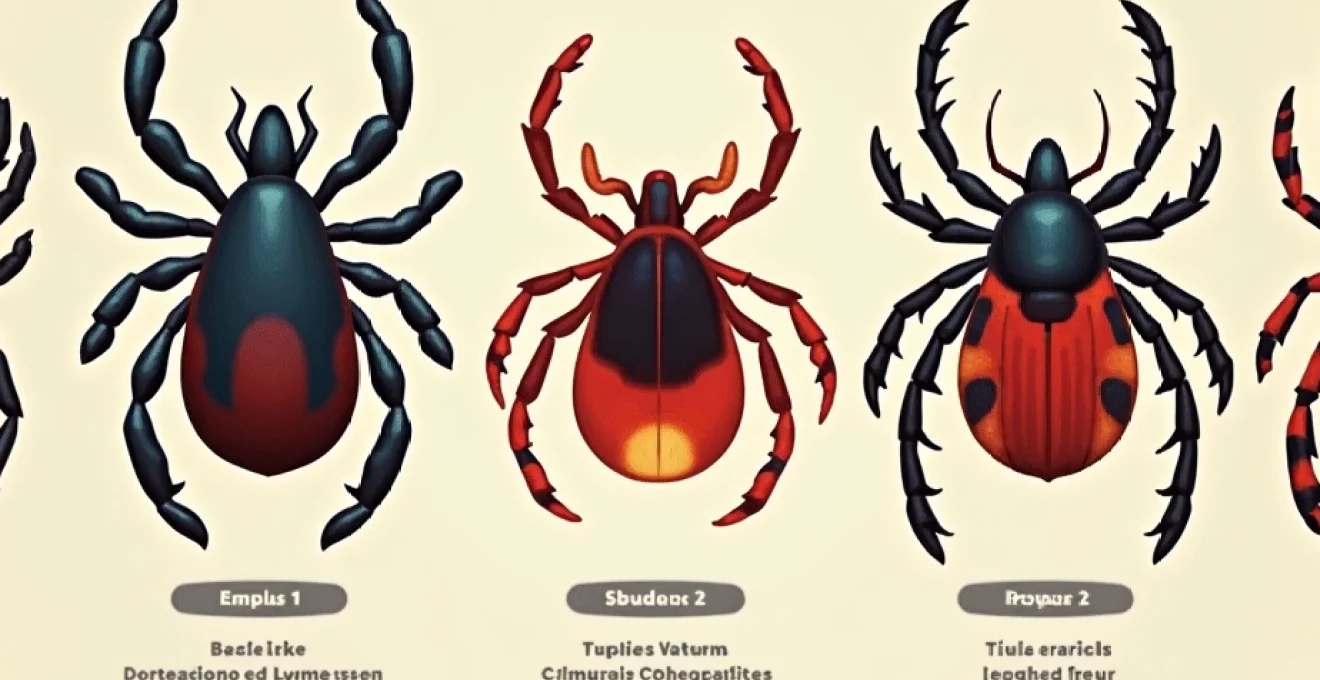
The world of tick-borne diseases presents a complex landscape where multiple arthropod vectors compete for the dubious honour of being considered the most dangerous to human health. With tick-borne illnesses affecting over 50,000 people annually in the United States alone, understanding the relative threat posed by different tick species has become crucial for public health professionals and outdoor enthusiasts alike. The answer to which tick species poses the greatest danger isn’t straightforward, as it depends on various factors including pathogen diversity, transmission efficiency, geographic distribution, and disease severity outcomes.
The question of tick dangerousness requires examining not just the number of pathogens each species can transmit, but also the lethality of those diseases, the efficiency of transmission, and the expanding geographic ranges driven by climate change. From the Lyme disease-transmitting black-legged tick to the alpha-gal syndrome-inducing lone star tick, each species presents unique challenges to human health. Recent surveillance data suggests that whilst some ticks may carry more pathogens, others demonstrate higher transmission rates or cause more severe clinical outcomes.
Ixodes scapularis: the Black-Legged tick’s disease transmission profile
The black-legged tick, scientifically known as Ixodes scapularis , stands as perhaps the most notorious tick species in North America due to its remarkable capacity to serve as a vector for multiple serious pathogens. Found predominantly in the eastern United States and expanding westward, this species has earned its reputation through its efficient transmission of Lyme disease, anaplasmosis, babesiosis, and the potentially fatal Powassan virus. The tick’s three-host life cycle and preference for diverse mammalian hosts, including white-footed mice and white-tailed deer, creates numerous opportunities for pathogen acquisition and subsequent transmission to humans.
What makes I. scapularis particularly dangerous is its ability to maintain multiple pathogens simultaneously, creating the potential for co-infections that can complicate diagnosis and treatment. The tick’s small size, especially in its nymphal stage when it’s most active during peak outdoor recreation months, means that many people remain unaware of tick attachment until hours or days later. This extended feeding period, combined with the tick’s efficient salivary transmission mechanisms, significantly increases the likelihood of pathogen transfer.
Borrelia burgdorferi and lyme disease pathogenesis
Borrelia burgdorferi , the causative agent of Lyme disease, represents the most commonly reported tick-borne illness in the United States, with over 35,000 cases reported annually to the CDC. The spirochete bacterium demonstrates remarkable adaptability, capable of evading immune responses and establishing chronic infections if left untreated. Research indicates that transmission typically requires 36-48 hours of tick attachment, though some studies suggest transmission can occur in as little as 16 hours under certain conditions.
The pathogenesis of Lyme disease involves multiple stages, beginning with localised skin infection characterised by the distinctive erythema migrans rash, progressing to disseminated infection affecting joints, heart, and nervous system. The bacterium’s ability to alter its surface proteins helps it evade immune detection, whilst its motility allows penetration into tissues with limited vascular access. Chronic manifestations can include arthritis, carditis, and neurological complications that significantly impact quality of life.
Anaplasma phagocytophilum co-infection dynamics
Co-infection with Anaplasma phagocytophilum , the causative agent of human granulocytic anaplasmosis, occurs in approximately 10-15% of Lyme disease cases in endemic areas. This intracellular bacterium targets neutrophils, creating characteristic morulae visible on blood smears. The co-infection dynamic is particularly concerning because it can mask or delay Lyme disease symptoms whilst simultaneously causing more severe acute illness.
Anaplasmosis symptoms typically include high fever, severe headache, and myalgia, with potential complications including respiratory failure and bleeding disorders. The bacterium’s tropism for immune cells creates immunosuppression that can predispose patients to secondary bacterial infections. Studies indicate that co-infected patients experience prolonged illness duration and may require more aggressive antibiotic therapy compared to single-pathogen infections.
Babesia microti transmission mechanisms
Babesiosis, caused by the protozoan parasite Babesia microti , represents one of the most severe tick-borne diseases, particularly dangerous for immunocompromised individuals and those over 50 years of age. The parasite’s life cycle involves both sexual reproduction in ticks and asexual reproduction in mammalian red blood cells, creating a complex transmission dynamic that can result in severe haemolytic anaemia.
Transmission efficiency varies based on tick engorgement duration, with studies showing that transmission can occur within 36-48 hours of attachment. The parasite’s ability to cause persistent parasitemia means that infected individuals can serve as blood transfusion reservoirs, leading to transfusion-transmitted babesiosis cases.
Mortality rates for severe babesiosis can reach 20% in high-risk populations, making it one of the most lethal tick-borne diseases in North America.
Powassan virus encephalitis risk assessment
Powassan virus represents the most rapidly transmitted and potentially lethal pathogen carried by I. scapularis , with transmission possible within 15 minutes of tick attachment. This flavivirus causes severe encephalitis with case fatality rates of 10-15% and significant neurological sequelae in 50% of survivors. The virus’s rapid transmission kinetics make it particularly dangerous, as traditional tick removal recommendations may not prevent infection.
Recent surveillance data indicates increasing Powassan virus activity across the northeastern United States, with cases expanding beyond traditional endemic foci. The virus’s ability to cause severe central nervous system disease, including encephalitis and meningoencephalitis, combined with the lack of specific antiviral treatment or vaccine, positions it as one of the most concerning tick-borne threats. Clinical presentation ranges from asymptomatic infection to fatal encephalitis, with fever, confusion, and focal neurological deficits marking severe cases.
Dermacentor variabilis: rocky mountain spotted fever vector analysis
The American dog tick, Dermacentor variabilis , earned its dangerous reputation primarily through its role as the principal vector of Rocky Mountain spotted fever (RMSF) in the eastern United States. Despite its common name suggesting a western distribution, this tick species demonstrates remarkable adaptability across diverse ecological niches east of the Rocky Mountains. Its larger size compared to Ixodes species makes detection easier, yet its aggressive feeding behaviour and efficient pathogen transmission capabilities maintain its status as a significant public health threat.
The tick’s three-host life cycle and broad host range, including dogs, humans, and various wildlife species, creates multiple opportunities for pathogen acquisition and amplification. Unlike some tick species that show seasonal activity patterns, D. variabilis demonstrates extended activity periods from early spring through late autumn, maximising human exposure opportunities. Its preference for open areas with minimal tree cover, including suburban environments, increases the likelihood of human encounters during routine outdoor activities.
Rickettsia rickettsii bacterial load and virulence
Rickettsia rickettsii , the obligate intracellular bacterium responsible for Rocky Mountain spotted fever, demonstrates exceptional virulence with case fatality rates reaching 20-30% in untreated cases. The bacterium’s tropism for vascular endothelium creates the characteristic pathophysiology of increased vascular permeability, leading to the classic triad of fever, headache, and petechial rash. However, the rash appears in only 60-70% of cases and often manifests late in the disease course, complicating early diagnosis.
Transmission studies indicate that bacterial load within infected ticks varies significantly, with some populations showing infection rates below 5% whilst others demonstrate rates exceeding 50%. The bacterium requires a minimum feeding period of 2-4 hours for transmission, though extended attachment increases transmission probability exponentially. Recent molecular studies reveal genetic variations in R. rickettsii strains that correlate with virulence differences, explaining regional variations in disease severity and mortality rates.
Tularemia transmission via francisella tularensis
Francisella tularensis , the causative agent of tularemia, represents one of the most infectious bacterial pathogens known to science, requiring as few as 10 organisms to establish infection in humans. The bacterium’s extraordinary infectivity, combined with its potential for aerosol transmission and bioweapon applications, has earned it classification as a Category A bioterrorism agent. Tick-borne tularemia typically presents as the ulceroglandular form, characterised by painful ulcerative lesions at bite sites and regional lymphadenopathy.
The pathogenesis involves bacterial invasion of macrophages and subsequent dissemination to reticuloendothelial organs. Clinical manifestations vary based on route of exposure and bacterial subspecies, with mortality rates ranging from less than 1% for ulceroglandular disease to over 30% for pneumonic and typhoidal forms. The bacterium’s ability to survive intracellularly and evade immune responses creates potential for chronic infection and relapse if inadequately treated with appropriate antibiotics.
Colorado tick fever virus reservoir studies
Colorado tick fever virus, though primarily associated with Dermacentor andersoni in western regions, occasionally involves D. variabilis in transmission cycles across its eastern range. This coltivirus demonstrates unique characteristics among tick-borne viruses, including the ability to establish persistent infection in human erythrocytes for weeks to months following initial infection. The virus’s tropism for haematopoietic tissues results in characteristic laboratory findings of leucopenia and thrombocytopenia.
Reservoir studies indicate complex maintenance cycles involving small mammals, particularly ground squirrels and chipmunks, which serve as amplifying hosts during spring emergence. The virus’s ability to cause biphasic fever patterns, with initial symptom resolution followed by recurrence after 2-3 days, creates diagnostic challenges that may lead to underreporting.
While rarely fatal, Colorado tick fever can cause severe complications including aseptic meningitis and haemorrhagic fever in immunocompromised patients.
Amblyomma americanum: lone star tick’s emerging pathogen portfolio
The lone star tick, Amblyomma americanum , has emerged as perhaps the most aggressively expanding tick species in North America, with its range extending northward into previously uncolonised territories. Distinguished by the characteristic white spot on the female’s dorsal shield, this species demonstrates remarkable adaptability to diverse ecological conditions and host preferences. Its aggressive host-seeking behaviour and painful bite make it easily recognisable, yet its expanding pathogen portfolio positions it as an increasingly significant public health concern.
Recent surveillance data indicates that A. americanum populations have established sustainable breeding colonies in areas previously considered climatically unsuitable, including parts of New England and the upper Midwest. This range expansion, attributed to climate change and host mobility patterns, brings new populations into contact with tick-borne diseases for the first time. The tick’s ability to transmit multiple pathogens, combined with its aggressive feeding behaviour and extended activity season, creates substantial disease transmission opportunities.
Ehrlichia chaffeensis and human monocytotropic ehrlichiosis
Ehrlichia chaffeensis , the causative agent of human monocytotropic ehrlichiosis (HME), demonstrates particular virulence in its targeting of monocytes and macrophages, creating characteristic intracytoplasmic inclusions called morulae. The bacterium’s ability to manipulate host cell apoptosis and immune responses contributes to disease pathogenesis and creates opportunities for secondary bacterial infections. HME presents with nonspecific symptoms including fever, headache, and myalgia, making clinical diagnosis challenging without laboratory confirmation.
The disease’s progression can be rapid, with severe complications including multi-organ failure, adult respiratory distress syndrome, and central nervous system involvement occurring within days of symptom onset. Mortality rates reach 3-5% in appropriately treated cases but can exceed 20% in delayed or inadequate treatment scenarios. The bacterium’s intracellular location provides protection from many antibiotics, making doxycycline the treatment of choice for its ability to achieve adequate intracellular concentrations.
Alpha-gal syndrome immunological response
Alpha-gal syndrome represents a unique tick-associated condition that demonstrates the complex immunological consequences of tick feeding beyond traditional pathogen transmission. The syndrome involves IgE-mediated delayed hypersensitivity reactions to galactose-α-1,3-galactose, a carbohydrate present in mammalian meat but absent from human tissues. Lone star tick saliva contains substances that sensitise individuals to alpha-gal, creating lifelong dietary restrictions and potential anaphylactic reactions to red meat consumption.
The immunological mechanism involves tick saliva components that act as adjuvants, enhancing immune recognition of alpha-gal epitopes present in the tick’s previous blood meals. Clinical presentations range from mild gastrointestinal symptoms to life-threatening anaphylaxis, typically occurring 3-6 hours after red meat consumption. The delayed onset of symptoms often leads to misdiagnosis or delayed recognition of the tick-meat connection, potentially resulting in repeated exposures and increasingly severe reactions.
Heartland virus clinical manifestations
Heartland virus, a novel phlebovirus first identified in 2009, has emerged as a significant pathogen transmitted by lone star ticks across the southeastern and south-central United States. The virus demonstrates particular tropism for leucocytes, creating characteristic laboratory findings of leucopenia, thrombocytopenia, and elevated liver enzymes. Clinical presentation typically includes high fever, fatigue, headache, and myalgia, with some patients developing more severe complications including multi-organ failure.
Surveillance studies indicate expanding geographic distribution and increasing case recognition, though the true incidence remains unknown due to diagnostic challenges and limited awareness among healthcare providers. The virus’s ability to cause severe illness in otherwise healthy individuals, combined with the lack of specific antiviral therapy or vaccine, creates significant clinical management challenges. Mortality rates approach 12% in hospitalised patients, with elderly individuals and those with underlying conditions at highest risk for severe outcomes.
Bourbon virus mortality rates
Bourbon virus, another recently discovered thogotovirus associated with lone star tick transmission, demonstrates the highest mortality rates among tick-borne viruses in North America. Since its initial identification in Kansas in 2014, the virus has been associated with severe illness characterised by fever, headache, myalgia, and haematological abnormalities including thrombocytopenia and leucopenia. The limited number of confirmed cases prevents comprehensive mortality analysis, but available data suggests fatality rates approaching 11-17% among diagnosed patients.
The virus’s pathogenesis involves multi-organ dysfunction, with particular impact on haematopoietic and reticuloendothelial systems.
The emergence of Bourbon virus highlights the ongoing discovery of novel tick-borne pathogens and the potential for previously unknown agents to cause severe human disease.
Current diagnostic capabilities remain limited, relying primarily on RT-PCR and serological testing at specialised laboratories, potentially leading to underdiagnosis and delayed recognition of outbreak situations.
Comparative pathogenicity metrics across tick species
Evaluating tick species dangerousness requires comprehensive analysis of multiple pathogenicity metrics, including case fatality rates, transmission efficiency, disease severity, and long-term sequelae. Ixodes scapularis demonstrates the broadest pathogen portfolio with eight confirmed human pathogens, yet individual disease mortality remains relatively low except for Powassan virus encephalitis. In contrast, Dermacentor variabilis transmits fewer pathogens but includes the highly lethal Rickettsia rickettsii , creating a different risk profile focused on acute severe illness rather than chronic disease burden.
The emergence of Amblyomma americanum as a multi-pathogen vector introduces additional complexity through novel diseases like alpha-gal syndrome that create lifelong impacts without traditional infectious disease mortality. When comparing transmission efficiency, Powassan virus transmitted by I. scapularis demonstrates the most rapid transmission kinetics
(within 15 minutes), significantly outpacing other tick-borne pathogens that require hours to days for successful transmission. This rapid transmission capability, combined with high mortality rates, positions Powassan virus as perhaps the most immediately dangerous tick-borne threat despite its relatively low incidence compared to Lyme disease.Statistical analysis of CDC surveillance data from 2010-2020 reveals distinct mortality patterns across tick species. Amblyomma americanum demonstrates the highest diversity of severe outcomes, with Heartland and Bourbon viruses showing case fatality rates of 12% and 17% respectively, whilst alpha-gal syndrome creates permanent lifestyle modifications affecting thousands annually. Chronic disease burden metrics favour I. scapularis due to the high incidence of post-treatment Lyme disease syndrome, affecting an estimated 10-20% of treated patients with persistent symptoms including fatigue, cognitive impairment, and joint pain lasting months to years.The complexity of measuring tick dangerousness extends beyond simple mortality statistics to include factors such as diagnostic challenges, treatment availability, and prevention effectiveness. Diseases like Rocky Mountain spotted fever demonstrate the importance of early recognition and treatment, with mortality dropping from 20-30% in untreated cases to less than 5% with appropriate antibiotic therapy initiated within the first five days of illness. Conversely, viral pathogens transmitted by ticks lack specific antiviral treatments, making prevention through tick control and early removal the primary intervention strategy.
Geographic distribution and Climate-Driven range expansion
Climate change has fundamentally altered tick distribution patterns across North America, creating new zones of human-tick interaction and expanding the geographic scope of tick-borne disease risk. Ixodes scapularis has demonstrated the most dramatic range expansion, moving northward into Canada and westward beyond its historical boundaries. Modelling studies predict continued expansion into the Great Lakes region and southern Canada, potentially exposing millions of previously unexposed individuals to Lyme disease and other I. scapularis-transmitted pathogens.Temperature increases of just 2-3°C have enabled tick populations to survive winters in previously inhospitable regions, whilst changes in precipitation patterns affect host animal distributions and vegetation characteristics that support tick development. The establishment of I. scapularis populations in Minnesota, Wisconsin, and northern New England demonstrates how rapidly tick species can colonise new territories when climatic barriers are removed. These newly established populations often show higher pathogen infection rates than historical endemic areas, creating elevated disease risk for naive human populations.Amblyomma americanum has shown even more aggressive range expansion, moving northward from traditional southeastern strongholds into New England, New York, and the upper Midwest. The species’ tolerance for diverse habitat types and host species facilitates rapid establishment in new territories. Range expansion models predict continued northward movement, potentially reaching southern Canada within the next two decades. This expansion brings alpha-gal syndrome, ehrlichiosis, and emerging viral pathogens into contact with populations lacking previous exposure or clinical awareness.The emergence of Dermacentor variabilis in urban and suburban environments represents another concerning trend, as this species adapts to modified landscapes with increased human presence. Urban heat islands and altered precipitation patterns create microclimates that support tick survival in areas previously considered unsuitable. The species’ association with domestic dogs provides additional dispersal mechanisms, enabling rapid colonisation of new suburban developments.Invasive tick species present additional challenges to public health preparedness. Haemaphysalis longicornis, the Asian longhorned tick, has established populations across multiple states since its first detection in New Jersey in 2017. This species demonstrates parthenogenetic reproduction, allowing single females to establish entire populations without mating. Whilst human pathogen transmission in North America remains unconfirmed, the species carries multiple dangerous pathogens in its native range, creating potential for pathogen spillover as populations expand.
Climate-driven range expansion could expose an additional 8.6 million Americans to Lyme disease risk by 2080, according to EPA climate change projections.
Monitoring programs have documented establishment of reproduction populations in areas previously experiencing only occasional tick introductions through migratory birds or human transport. The transition from occasional introductions to established breeding populations represents a critical threshold in disease transmission risk, as locally reproducing ticks can maintain pathogen cycles independent of external inputs.
Vector competence and transmission efficiency studies
Vector competence studies reveal significant variations in pathogen transmission efficiency both within and between tick species, influencing the relative danger posed by different vectors. Ixodes scapularis demonstrates remarkable vector competence for Borrelia burgdorferi, with transmission rates exceeding 95% in laboratory studies when infected ticks feed for 48 hours or longer. However, transmission efficiency varies considerably based on tick life stage, with nymphs showing higher transmission rates than adults despite lower pathogen loads.The molecular mechanisms underlying vector competence involve complex interactions between tick physiology, pathogen biology, and environmental factors. Borrelia burgdorferi demonstrates sophisticated adaptation to tick biology, altering its surface protein expression during the feeding process to facilitate transmission. The bacterium’s ability to survive tick moulting and persist through multiple life stages ensures efficient maintenance within tick populations. Studies using xenodiagnostic techniques demonstrate that spirochete migration from tick midgut to salivary glands occurs within 36-48 hours of feeding initiation, establishing the critical time window for transmission prevention through tick removal.Rickettsia rickettsii transmission by Dermacentor variabilis follows different kinetics, with some transmission possible within 2-4 hours of attachment, though maximum transmission efficiency requires 6-10 hours of feeding. The bacterium’s transovarial transmission in ticks creates vertical maintenance within tick populations, ensuring pathogen persistence across generations. However, transovarial transmission efficiency varies geographically, with some populations showing rates below 10% whilst others exceed 60%, explaining regional variations in Rocky Mountain spotted fever incidence.Viral pathogens demonstrate the most rapid transmission kinetics, with Powassan virus showing transmission within 15 minutes of tick attachment in laboratory studies. This rapid transmission results from virus replication within tick salivary glands and immediate release during feeding initiation. The virus’s ability to cause persistent infection in ticks without apparent fitness costs ensures lifelong vector competence once infected. Transstadial transmission allows virus persistence through moulting, whilst transovarial transmission, though less efficient than in rickettsial agents, contributes to population maintenance.Co-infection dynamics significantly impact transmission efficiency and disease severity. Ticks infected with multiple pathogens may show altered feeding behaviour, extended feeding duration, or increased probability of pathogen transmission. Studies demonstrate that I. scapularis co-infected with B. burgdorferi and A. phagocytophilum show increased transmission rates for both pathogens compared to singly infected ticks. The mechanisms underlying these interactions include pathogen-mediated alterations in tick immune responses and competitive or synergistic effects on pathogen replication.Environmental factors significantly influence vector competence and transmission efficiency. Temperature affects tick feeding rates, pathogen development within ticks, and the kinetics of pathogen migration to salivary tissues. Studies show that optimal transmission temperatures vary by pathogen, with bacterial agents generally showing increased transmission efficiency at moderate temperatures (20-25°C) whilst viral agents may demonstrate broader temperature tolerance.Laboratory vector competence studies must be interpreted carefully when extrapolating to field conditions, as natural tick feeding involves complex interactions with host immune responses, previous pathogen exposure, and concurrent infections that may not be replicated in experimental systems. Field studies using molecular xenodiagnosis techniques provide more realistic estimates of transmission efficiency under natural conditions, generally showing lower transmission rates than laboratory studies but confirming the relative rankings of vector competence across species and pathogens.The concept of vectorial capacity integrates vector competence with ecological factors including tick density, host-seeking behaviour, survival rates, and feeding frequency to provide comprehensive assessments of disease transmission potential. Ixodes scapularis demonstrates high vectorial capacity for Lyme disease due to the combination of high vector competence, dense populations in suitable habitat, extended questing periods, and broad host range that includes humans. Vectorial capacity calculations help explain why some highly competent vectors pose relatively low human disease risk due to ecological constraints, whilst others with moderate competence create significant public health burdens through high encounter rates with humans.These comprehensive analyses of pathogen portfolios, transmission efficiency, geographic distribution, and vector competence demonstrate that determining the “most dangerous” tick species requires consideration of multiple factors rather than simple pathogen counts or mortality statistics. Each major tick species presents distinct risk profiles that vary geographically and temporally, emphasising the importance of region-specific prevention strategies and continued surveillance for emerging threats in our changing climate.