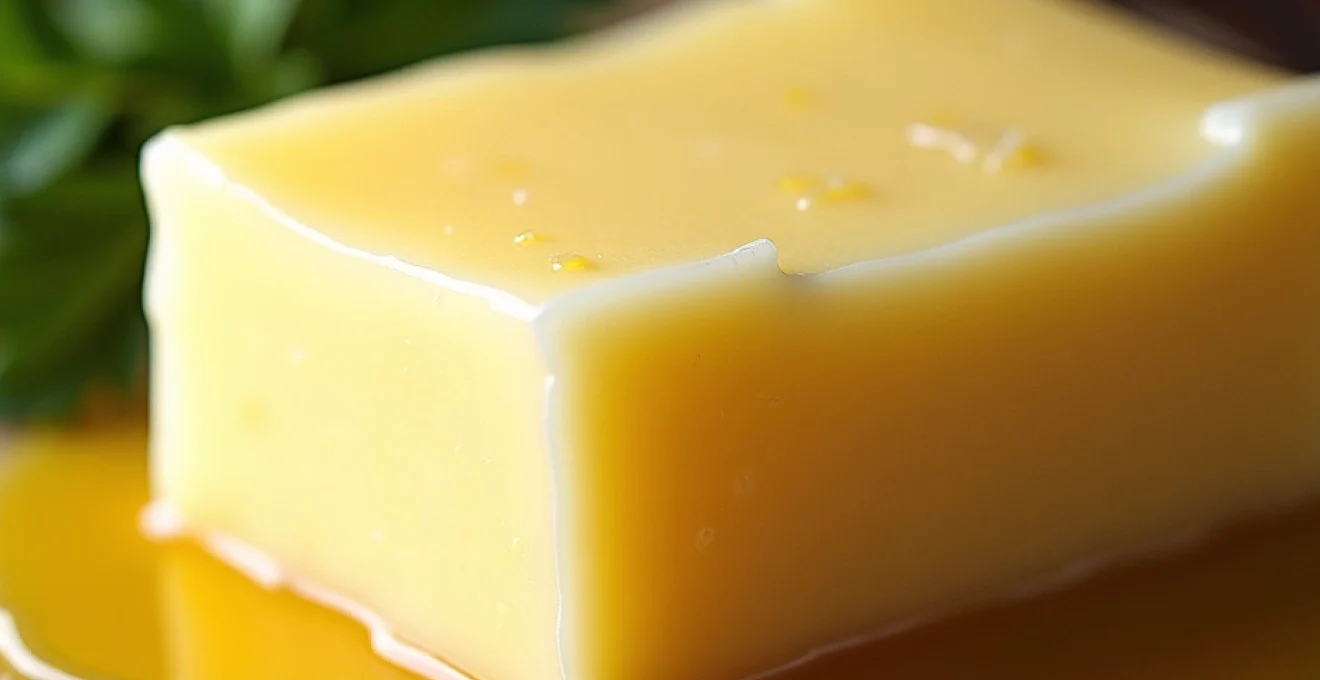
The transformation of American cooking fats represents one of the most dramatic dietary shifts in modern history. For centuries, beef tallow served as the cornerstone of traditional cooking, prized for its exceptional flavour and remarkable stability at high temperatures. Yet within a few decades of the mid-20th century, this time-tested ingredient virtually disappeared from commercial kitchens and home cooking alike. The story behind this exodus reveals a complex interplay of questionable science, aggressive marketing campaigns, and institutional policy changes that fundamentally altered how Americans approach food preparation and nutritional health.
Understanding why tallow vanished from American tables requires examining both the nutritional properties that made it indispensable for generations and the powerful forces that orchestrated its removal. This shift didn’t occur in isolation—it represented a broader transformation of the food industry that prioritised industrial convenience over traditional wisdom and nutritional integrity.
Tallow’s nutritional supremacy and heat stability properties
Beef tallow possesses unique characteristics that set it apart from modern cooking oils, particularly in terms of nutritional density and thermal stability. These properties made it the preferred cooking fat for professional chefs and home cooks throughout history, long before the advent of industrial seed oils.
Saturated fat composition and oxidative resistance during High-Temperature cooking
The saturated fat composition of beef tallow, comprising approximately 50% saturated fatty acids, provides exceptional resistance to oxidation during high-temperature cooking processes. Unlike polyunsaturated seed oils, which readily break down and form harmful compounds when exposed to heat, tallow maintains its molecular integrity even at temperatures exceeding 400°F. This stability prevents the formation of aldehydes, ketones, and other toxic oxidation products that emerge when unstable oils are heated repeatedly.
Research demonstrates that tallow’s resistance to lipid peroxidation significantly exceeds that of commonly used vegetable oils. When subjected to prolonged heating cycles typical of commercial frying operations, tallow shows minimal degradation compared to canola, soybean, or corn oils. This characteristic not only preserves the nutritional value of foods cooked in tallow but also prevents the accumulation of harmful compounds that contribute to inflammation and cellular damage.
Conjugated linoleic acid (CLA) content in Grass-Fed beef tallow
Grass-fed beef tallow contains substantial amounts of conjugated linoleic acid, a naturally occurring fatty acid with demonstrated anti-inflammatory and metabolic benefits. CLA concentrations in grass-fed tallow can reach levels three to five times higher than those found in grain-fed alternatives, providing significant nutritional advantages beyond basic caloric content.
Studies indicate that CLA consumption supports healthy body composition by promoting lean muscle development whilst reducing adipose tissue accumulation. Additionally, this beneficial fatty acid demonstrates potent antioxidant properties that help protect cellular membranes from oxidative stress. The presence of CLA in traditional cooking fats like tallow provided ancestral populations with protective compounds that modern diets largely lack.
Vitamin K2 and Fat-Soluble vitamin absorption enhancement
Beef tallow serves as an excellent source of vitamin K2, particularly the MK-4 form that plays crucial roles in calcium metabolism and cardiovascular health. This fat-soluble vitamin works synergistically with vitamins A and D to support bone mineralisation and prevent arterial calcification. Traditional diets rich in animal fats provided abundant K2, whilst modern diets often create deficiency states that contribute to osteoporosis and heart disease.
The saturated fat structure of tallow also enhances the absorption of fat-soluble vitamins from accompanying foods. When vegetables are cooked in tallow, the bioavailability of carotenoids, vitamin A, and other lipophilic nutrients increases dramatically compared to preparation methods using minimal fat or water-based cooking techniques. This absorption enhancement explains why traditional cultures consistently paired vegetables with animal fats for optimal nutritional benefit.
Smoke point analysis: tallow versus modern cooking oils
Beef tallow’s smoke point of approximately 420°F surpasses most commonly used cooking oils, making it ideal for high-temperature applications like frying and searing. This elevated smoke point results from tallow’s stable saturated fat structure, which resists thermal breakdown more effectively than polyunsaturated alternatives.
| Cooking Fat | Smoke Point (°F) | Saturated Fat Content (%) |
|---|---|---|
| Beef Tallow | 420 | 50 |
| Canola Oil | 400 | 7 |
| Soybean Oil | 460 | 15 |
| Sunflower Oil | 440 | 10 |
The superior thermal stability of tallow becomes particularly important in commercial food preparation, where oils undergo repeated heating cycles. Restaurants using tallow could maintain oil quality for extended periods , reducing both replacement costs and the formation of harmful compounds that accumulate in degraded cooking oils.
Ancel keys and the seven countries study impact on dietary fat perception
The systematic campaign against saturated fats, including tallow, began with epidemiological research conducted in the 1950s and 1960s. This period marked the emergence of the diet-heart hypothesis, which proposed that saturated fat consumption directly caused cardiovascular disease. The influence of this research extended far beyond academic circles, ultimately reshaping American dietary policy and food production practices.
Methodological flaws in the Diet-Heart hypothesis research
The Seven Countries Study, which examined heart disease rates across different populations, contained significant methodological limitations that compromised its conclusions. Cherry-picking data from countries that supported the saturated fat hypothesis whilst ignoring contradictory evidence from populations like the French, who consumed high amounts of saturated fat yet maintained low heart disease rates, fundamentally skewed the results.
Contemporary analysis reveals that the study failed to control for numerous confounding variables, including sugar consumption, physical activity levels, smoking rates, and overall dietary patterns. Countries with high saturated fat intake often had other lifestyle factors that could explain cardiovascular outcomes independently of fat consumption. The research methodology would not meet current standards for epidemiological studies , yet its conclusions became the foundation for decades of nutritional policy.
American heart association’s 1961 Anti-Saturated fat campaign
The American Heart Association’s official position against saturated fats, announced in 1961, marked a pivotal moment in American nutritional history. This endorsement of the diet-heart hypothesis provided institutional credibility to what remained largely theoretical at the time. The AHA’s recommendations called for replacing traditional cooking fats like tallow with newly developed vegetable oils, fundamentally altering the American food landscape.
This campaign gained momentum through aggressive public relations efforts that portrayed animal fats as dangerous whilst promoting industrial seed oils as heart-healthy alternatives. The messaging resonated with a public increasingly concerned about rising heart disease rates, creating demand for products marketed as cardiovascular-protective. Food manufacturers quickly capitalised on this shift , developing new product lines that emphasised their vegetable oil content whilst demonising traditional animal fats.
Mcgovern committee’s dietary goals for the united states (1977)
The Senate Select Committee on Nutrition and Human Needs, led by Senator George McGovern, published dietary recommendations in 1977 that institutionalised the anti-saturated fat position at the federal level. These guidelines recommended reducing total fat intake, particularly saturated fats, whilst increasing carbohydrate consumption—recommendations that would profoundly influence American eating patterns for generations.
The committee’s recommendations became the foundation for the first official Dietary Guidelines for Americans, published in 1980. These guidelines specifically advised limiting saturated fat intake to less than 10% of total calories, effectively stigmatising traditional cooking fats like tallow.
The guidelines created an environment where restaurants and food manufacturers felt compelled to reformulate their products to align with official recommendations, regardless of the limited scientific evidence supporting such changes.
Framingham study misinterpretation and media amplification
The Framingham Heart Study, whilst providing valuable longitudinal health data, suffered from significant misinterpretation in popular media coverage of dietary fat recommendations. News reports consistently emphasised correlations between cholesterol levels and heart disease whilst downplaying the study’s own findings that dietary cholesterol had minimal impact on blood cholesterol levels.
Media coverage created public confusion between dietary cholesterol and saturated fat, leading many Americans to avoid both categories indiscriminately. This misunderstanding contributed to the wholesale rejection of traditional animal fats, including tallow, despite the lack of direct evidence linking these foods to adverse health outcomes. The amplification of preliminary research findings through mass media created a feedback loop that reinforced anti-saturated fat messaging across multiple platforms.
Industrial seed oil manufacturing and market penetration strategies
The rise of industrial seed oil production coincided with technological advances in chemical processing and agricultural mechanisation. Companies like Procter & Gamble invested heavily in developing extraction and refining techniques that could transform previously inedible plant materials into cooking oils suitable for mass production. This industrial transformation created entirely new product categories whilst generating substantial profit margins for manufacturers.
Seed oil production utilises complex chemical processes involving hexane extraction, high-temperature processing, bleaching, and deodorising to create shelf-stable products from raw plant materials. These intensive processing methods remove natural antioxidants and beneficial compounds whilst creating products with extended storage life—crucial factors for mass distribution and retail sales. The resulting oils bear little resemblance to their natural source materials, representing a fundamental departure from traditional food preparation methods.
Market penetration strategies focused on positioning these new products as modern, scientific alternatives to “old-fashioned” animal fats. Advertising campaigns emphasised the industrial origins of seed oils as evidence of their superiority, whilst portraying traditional fats like tallow as primitive and potentially dangerous. This marketing approach successfully reframed consumer perceptions , making industrial processing appear more desirable than traditional food preparation methods.
The economic advantages of seed oil production created powerful incentives for continued market expansion. Unlike animal fats, which required livestock and processing infrastructure, seed oils could be produced from widely available agricultural commodities using standardised industrial equipment. This scalability allowed manufacturers to achieve economies of scale that made seed oils increasingly price-competitive with traditional alternatives, particularly as production volumes expanded throughout the latter half of the 20th century.
Crisco’s revolutionary marketing campaign against animal fats
Procter & Gamble’s launch of Crisco in 1911 represented one of the first systematic marketing campaigns designed to replace traditional animal fats with industrial alternatives. The company invested unprecedented resources in educating consumers about their new hydrogenated vegetable shortening, positioning it as a cleaner, more modern alternative to lard and tallow. This campaign established marketing strategies that would influence food industry practices for decades.
The Crisco campaign employed multiple tactics to overcome consumer resistance to unfamiliar products. Free samples, cooking demonstrations, and recipe booklets helped introduce the product whilst addressing practical concerns about substitution ratios and cooking techniques. The company also distributed cookbooks specifically designed to showcase Crisco’s versatility , creating new culinary traditions that featured their product prominently.
Religious and cultural messaging played crucial roles in Crisco’s market penetration strategy. The product’s vegetable origins appealed to Jewish consumers observing kosher dietary laws, whilst its industrial processing resonated with Progressive Era ideals of scientific advancement and modern convenience. Marketing materials emphasised cleanliness and purity, implicitly contrasting these qualities with the perceived messiness of animal fat processing.
The success of Crisco’s marketing approach provided a template for subsequent campaigns against animal fats.
By establishing industrial processing as a mark of quality rather than a concerning departure from traditional methods, Crisco fundamentally altered consumer expectations about food production and preparation.
This shift in perception created market conditions that would prove hostile to traditional fats like tallow for generations.
Mcdonald’s 1990 french fry formula change and consumer health implications
McDonald’s decision to eliminate beef tallow from their french fry preparation in 1990 marked a watershed moment in American fast food history. For decades, the chain’s fries had been renowned for their distinctive flavour and texture, characteristics directly attributable to cooking in beef tallow. The formula change represented capitulation to mounting pressure from health advocacy groups and changing consumer preferences shaped by anti-saturated fat messaging.
The transition to vegetable oil blends fundamentally altered the nutritional profile of McDonald’s fries, introducing trans fats and polyunsaturated fatty acids whilst eliminating the stable saturated fats that had characterised the original recipe. Initially, the company used partially hydrogenated vegetable oils, which contained significant amounts of trans fats—compounds later recognised as far more harmful than the saturated fats they replaced. This substitution exemplified the unintended consequences of dietary recommendations based on incomplete scientific understanding.
Consumer reaction to the recipe change proved mixed, with many longtime customers noting the altered taste and texture of the new fries. The company faced criticism from multiple directions: health advocates who later discovered the trans fat content of the new oils, and taste enthusiasts who mourned the loss of the original flavour profile. Legal challenges emerged when consumers realised that the “natural beef flavouring” added to maintain taste still made the fries unsuitable for vegetarians, despite the removal of actual beef tallow.
The McDonald’s formula change influenced industry practices throughout the fast food sector, as competing chains felt pressure to make similar modifications to their cooking methods. This ripple effect accelerated the disappearance of tallow from commercial food preparation, whilst establishing vegetable oil as the default choice for high-volume frying operations. The change also demonstrated how institutional decisions by major food companies could rapidly transform American eating patterns on a massive scale.
Contemporary tallow revival movement and artisanal cooking applications
Recent years have witnessed a remarkable resurgence of interest in traditional cooking fats, driven by evolving understanding of nutritional science and growing scepticism about industrial food processing. This revival movement encompasses diverse groups, from professional chefs seeking superior culinary results to health-conscious consumers questioning decades of dietary orthodoxy.
Nose-to-tail butchery renaissance and sustainable fat utilisation
The nose-to-tail butchery movement has played a crucial role in tallow’s revival by emphasising complete animal utilisation and waste reduction. Contemporary butchers and chefs increasingly view fat rendering as essential to sustainable meat processing, recognising tallow as a valuable byproduct rather than waste material. This approach aligns with environmental concerns about food waste whilst providing access to high-quality cooking fats.
Artisanal butcher shops now prominently feature rendered tallow alongside their meat selections, often providing detailed information about sourcing and rendering techniques. These establishments emphasise the connection between fat quality and animal husbandry practices, promoting grass-fed and pasture-raised sources that produce nutritionally superior tallow. The educational component of these operations helps consumers understand traditional fat processing methods that had been largely forgotten during the industrial food era.
Michelin-starred restaurants reintroducing traditional rendering techniques
High-end restaurants have embraced tallow as a means of achieving superior flavour profiles and demonstrating commitment to traditional culinary techniques. Michelin-starred establishments frequently highlight their use of house-rendered tallow in menu descriptions, positioning it as a mark of authenticity and culinary sophistication. This professional endorsement has legitimised tallow use amongst serious cooking enthusiasts.
Professional kitchens appreciate tallow’s functional advantages beyond flavour considerations. Its stability during repeated heating cycles reduces oil replacement frequency, whilst its high smoke point enables precise temperature control during cooking processes. Chefs also value the clean flavour profile that doesn’t compete with other ingredients , allowing food flavours to shine without the off-notes sometimes associated with industrial cooking oils.
Ketogenic diet community’s adoption of ancestral cooking fats
The ketogenic diet movement has substantially contributed to tallow’s renaissance by emphasising high-quality fat consumption as a cornerstone of metabolic health. Keto practitioners actively seek traditional animal fats like tallow, recognising their superior nutritional profiles compared to processed alternatives. This community has created robust information networks sharing sourcing, rendering, and cooking techniques for traditional fats.
Scientific research supporting ketogenic approaches has provided credibility to traditional fat consumption patterns that had been marginalised for decades. Studies demonstrating the metabolic benefits of saturated fat consumption have given keto practitioners confidence in choosing tallow over industrial seed oils.
The keto community’s embrace of tallow represents a direct challenge to conventional
dietary guidelines for the first time in generations. This paradigm shift has created market demand for high-quality animal fats that was virtually nonexistent just a decade ago.
Local sourcing networks for grass-fed tallow distribution
Regional networks connecting consumers with local farmers and processors have emerged to meet growing demand for grass-fed tallow. These distribution systems often operate through farmers’ markets, community-supported agriculture programs, and direct-to-consumer sales platforms. Local sourcing ensures freshness whilst supporting sustainable farming practices that prioritise animal welfare and environmental stewardship.
Many local networks provide transparency about animal husbandry practices, allowing consumers to make informed decisions about fat quality based on feed, pasture management, and processing methods. These relationships foster connections between producers and consumers that were largely severed during the industrialisation of food production. The premium prices commanded by grass-fed tallow have also incentivised farmers to develop rendering capabilities, creating additional revenue streams from previously underutilised animal parts.
Online platforms have facilitated nationwide distribution of small-batch rendered tallow, connecting artisanal producers with consumers in areas where local sourcing options remain limited. These platforms often feature detailed producer profiles, rendering techniques, and nutritional analyses that help consumers make informed purchasing decisions. The digital marketplace has democratised access to high-quality traditional fats, making them available to anyone willing to invest in superior cooking ingredients.
Subscription services have emerged to provide regular deliveries of fresh tallow, addressing storage and sourcing challenges that previously limited consumer adoption. These services often bundle tallow with other traditional animal products, creating comprehensive offerings that support nose-to-tail consumption patterns.
The development of sophisticated distribution networks represents a complete reversal of the industrial food system that eliminated tallow from American kitchens.