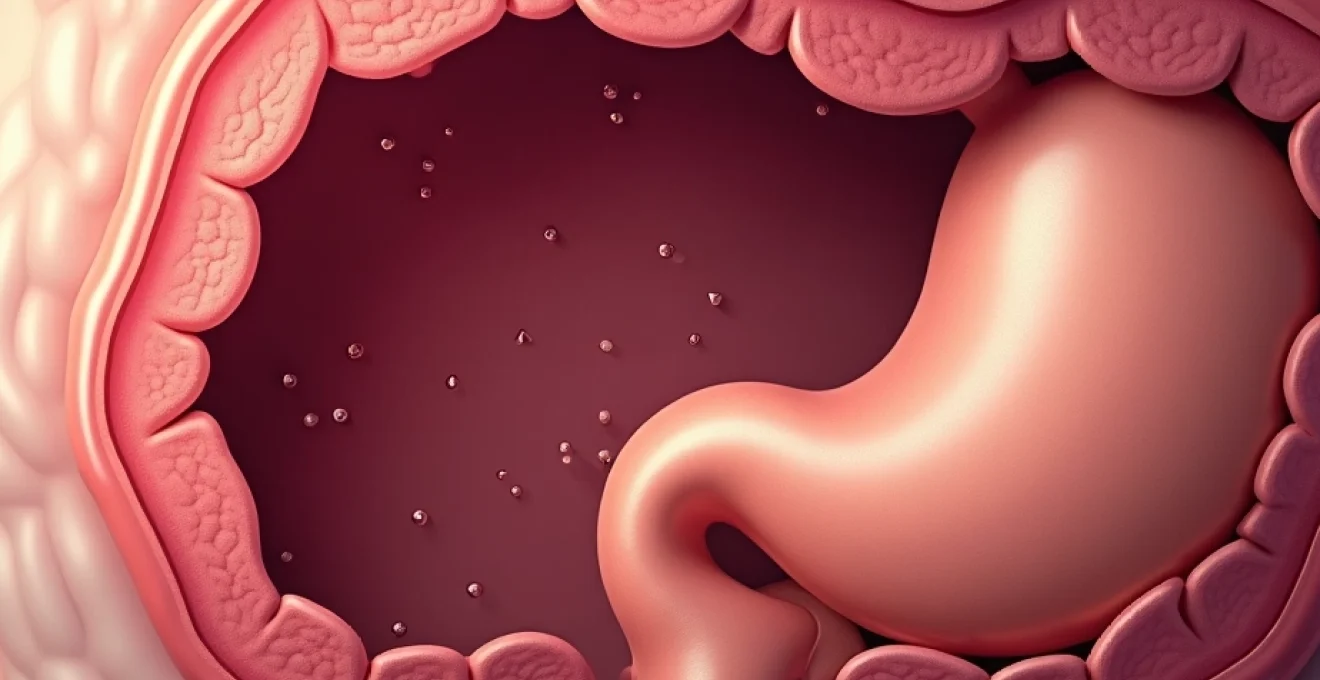
Gallbladder removal, medically termed cholecystectomy, represents one of the most frequently performed surgical procedures worldwide, with over 1.2 million operations conducted annually in the United States alone. This small, pear-shaped organ nestled beneath the liver plays a crucial role in bile storage and concentration, yet its removal has become increasingly necessary as modern lifestyle factors contribute to rising rates of gallbladder disease. The decision to remove a gallbladder is never taken lightly by healthcare professionals, as it requires careful evaluation of symptoms, diagnostic findings, and potential complications.
Understanding why medical professionals recommend gallbladder removal involves examining a complex array of pathological conditions that can affect this digestive organ. From acute inflammatory processes that threaten patient safety to chronic functional disorders that significantly impact quality of life, the indications for cholecystectomy span a broad spectrum of medical scenarios. Each case presents unique challenges that require thorough assessment and individualised treatment approaches.
Acute cholecystitis and emergency cholecystectomy indications
Acute cholecystitis stands as the most common emergency indication for gallbladder removal, affecting approximately 3-4% of adults during their lifetime. This inflammatory condition occurs when the gallbladder wall becomes inflamed, typically following obstruction of the cystic duct by gallstones or sludge. The resulting inflammatory cascade can lead to severe complications if left untreated, making prompt surgical intervention crucial for patient outcomes.
Calculous cholecystitis pathophysiology and cystic artery compromise
Calculous cholecystitis, accounting for 95% of acute cholecystitis cases, develops when gallstones obstruct the cystic duct, leading to increased intraluminal pressure and subsequent inflammation. The compromised blood flow through the cystic artery creates a cascade of ischaemic changes that can progress rapidly from simple inflammation to gangrenous necrosis. This pathophysiological process typically manifests within 6-12 hours of initial obstruction, making early recognition and intervention essential.
The inflammatory response triggers the release of prostaglandins and cytokines, which intensify pain and promote further tissue damage. Murphy’s sign , characterised by inspiratory arrest during right upper quadrant palpation, serves as a classic clinical indicator of acute cholecystitis. Laboratory findings typically reveal leucocytosis and elevated inflammatory markers, whilst imaging studies demonstrate gallbladder wall thickening and pericholecystic fluid collection.
Acalculous cholecystitis in critical care patients
Acalculous cholecystitis presents particular challenges in critical care settings, where it affects 5-10% of patients requiring intensive care. This condition develops without the presence of gallstones, often in association with systemic illness, prolonged fasting, or vasopressor use. The absence of typical symptoms in sedated patients makes diagnosis particularly challenging, requiring heightened clinical suspicion and frequent imaging assessment.
Risk factors for acalculous cholecystitis include major trauma, extensive burns, prolonged mechanical ventilation, and total parenteral nutrition. The mortality rate for this condition can exceed 30% when diagnosis is delayed, emphasising the importance of early recognition and intervention. Percutaneous cholecystostomy may serve as a temporising measure in critically ill patients who cannot tolerate surgical intervention.
Empyema and gallbladder perforation risk assessment
Gallbladder empyema represents a severe complication of acute cholecystitis, characterised by pus accumulation within the gallbladder lumen. This condition develops when bacterial infection complicates the inflammatory process, leading to suppurative cholangitis and potential sepsis. The risk of perforation increases significantly with empyema, creating potential for peritonitis and life-threatening complications.
The presence of gas within the gallbladder wall or lumen, known as emphysematous cholecystitis, indicates a surgical emergency requiring immediate intervention.
Clinical presentation of empyema typically includes high fever, rigors, and severe right upper quadrant pain. Imaging studies reveal characteristic findings including gallbladder distension, wall thickening exceeding 4mm, and internal echogenic material representing purulent debris. Laboratory studies demonstrate marked leucocytosis with a left shift, elevated C-reactive protein, and often positive blood cultures.
Tokyo guidelines classification for cholecystitis severity grading
The Tokyo Guidelines provide a standardised framework for assessing cholecystitis severity and guiding treatment decisions. Grade I (mild) cholecystitis involves healthy patients without organ dysfunction, whilst Grade II (moderate) includes elderly patients or those with leucocytosis, palpable mass, or symptoms persisting beyond 72 hours. Grade III (severe) cholecystitis encompasses patients with cardiovascular, neurological, respiratory, renal, or hepatic dysfunction.
This classification system helps determine optimal timing for surgical intervention, with Grade I patients typically undergoing early laparoscopic cholecystectomy within 72 hours. Grade II patients may benefit from delayed surgery after medical stabilisation, whilst Grade III patients often require immediate drainage procedures followed by interval cholecystectomy. The guidelines have significantly improved standardisation of care and patient outcomes across different healthcare settings.
Cholelithiasis complications requiring surgical intervention
Gallstones affect approximately 10-15% of adults in developed countries, with the majority remaining asymptomatic throughout their lifetime. However, when gallstones cause complications, surgical intervention becomes necessary to prevent serious morbidity and mortality. The decision for prophylactic cholecystectomy in asymptomatic patients remains controversial, with most experts recommending a watchful waiting approach unless specific risk factors are present.
Choledocholithiasis and common bile duct obstruction
Choledocholithiasis occurs when gallstones migrate from the gallbladder into the common bile duct, causing obstruction and potential complications. This condition affects 10-20% of patients with gallstones and can lead to obstructive jaundice, cholangitis, or pancreatitis. The classic Charcot’s triad of fever, jaundice, and right upper quadrant pain indicates acute cholangitis, whilst Reynolds’ pentad adds mental confusion and shock, suggesting severe sepsis.
Diagnostic evaluation typically involves magnetic resonance cholangiopancreatography (MRCP) or endoscopic retrograde cholangiopancreatography (ERCP), with the latter offering both diagnostic and therapeutic capabilities. Endoscopic sphincterotomy with stone extraction represents the gold standard treatment for choledocholithiasis, often performed before or during laparoscopic cholecystectomy. The success rate for endoscopic stone removal exceeds 90% in experienced hands, with minimal morbidity and mortality.
Gallstone pancreatitis and ranson criteria evaluation
Gallstone pancreatitis accounts for approximately 40-50% of acute pancreatitis cases and represents a serious complication requiring immediate medical attention. Small stones (less than 5mm diameter) pose the highest risk for pancreatic duct obstruction, as they can easily pass through the cystic duct but become impacted at the ampulla of Vater. The resulting pancreatic enzyme activation leads to autodigestion and inflammatory cascade that can progress to necrotising pancreatitis.
The Ranson criteria provide valuable prognostic information for patients with gallstone pancreatitis, evaluating factors such as age, leucocyte count, glucose levels, and lactate dehydrogenase. Patients meeting fewer than three criteria have mortality rates below 1%, whilst those with six or more criteria face mortality rates exceeding 40%. Early cholecystectomy during the same hospitalisation reduces the risk of recurrent pancreatitis from 30-60% to less than 5%.
Mirizzi syndrome type classification and management
Mirizzi syndrome represents a rare but significant complication of cholelithiasis, characterised by mechanical obstruction of the common hepatic duct by an impacted stone in the cystic duct or Hartmann’s pouch. This condition affects less than 1% of patients with gallstones but presents unique surgical challenges due to altered anatomy and inflammatory changes. The syndrome is classified into four types based on the extent of ductal involvement and inflammatory erosion.
Type I involves external compression without fistula formation, whilst Types II-IV demonstrate progressive erosion into the common bile duct with increasing destruction of the ductal wall. Preoperative diagnosis remains challenging, with MRCP and ERCP providing the most accurate assessment of ductal anatomy. Surgical management requires careful dissection and often necessitates conversion from laparoscopic to open approach due to severe inflammatory adhesions and anatomical distortion.
Bouveret syndrome and gallstone ileus mechanisms
Bouveret syndrome represents a rare variant of gallstone ileus where a large gallstone erodes through the gallbladder wall into the duodenum, subsequently causing gastric outlet obstruction. This condition typically affects elderly patients with large gallstones exceeding 2.5cm in diameter. The pathophysiology involves chronic inflammation leading to cholecystoenteric fistula formation, allowing stone migration into the gastrointestinal tract.
Gallstone ileus accounts for 1-4% of all mechanical intestinal obstructions but represents up to 25% of small bowel obstructions in patients over 65 years of age.
The classic Rigler’s triad includes pneumobilia, ectopic gallstone, and small bowel obstruction, though complete triad presentation occurs in only 15-20% of cases. Treatment typically involves stone removal via enterolithotomy, with the decision for concurrent cholecystectomy and fistula repair depending on patient condition and operative risk. The mortality rate for gallstone ileus ranges from 15-30%, emphasising the importance of early recognition and appropriate management.
Gallbladder dyskinesia and functional disorders
Gallbladder dyskinesia represents a functional disorder characterised by impaired gallbladder motility in the absence of gallstones or anatomical abnormalities. This condition affects approximately 8% of adults and presents diagnostic challenges due to its non-specific symptoms and subtle imaging findings. The pathophysiology involves abnormal gallbladder contractility, often associated with sphincter of Oddi dysfunction or visceral hypersensitivity.
Diagnosis relies primarily on cholecystokinin-stimulated cholescintigraphy (HIDA scan) with calculation of gallbladder ejection fraction. An ejection fraction below 35-40% suggests functional impairment, though correlation with symptoms remains imperfect. Patients typically present with postprandial abdominal pain, nausea, and food intolerance, particularly following fatty meals. The pain pattern often mimics biliary colic, leading to extensive evaluation before reaching the correct diagnosis.
Conservative management includes dietary modifications, prokinetic agents, and smooth muscle relaxants, though success rates remain modest. Laparoscopic cholecystectomy provides symptom relief in 70-90% of patients with confirmed dyskinesia, making it the definitive treatment for medically refractory cases. Careful patient selection remains crucial, as functional disorders can coexist with other gastrointestinal conditions that may persist following gallbladder removal.
The decision for surgical intervention in gallbladder dyskinesia requires thorough evaluation to exclude other causes of abdominal pain. Psychosocial factors, including anxiety and depression, can influence symptom perception and treatment outcomes. Multidisciplinary assessment involving gastroenterology, surgery, and sometimes psychology helps ensure appropriate patient selection for surgical intervention. Post-operative outcomes are generally favourable, with most patients experiencing significant symptom improvement within 3-6 months of surgery.
Neoplastic conditions and malignant transformation
Neoplastic conditions of the gallbladder, whilst relatively uncommon, represent serious indications for cholecystectomy due to their malignant potential and aggressive behaviour. Gallbladder cancer ranks as the fifth most common gastrointestinal malignancy worldwide, with incidence rates varying significantly based on geographic location and ethnic background. Early detection remains challenging due to non-specific symptoms and the lack of effective screening programmes, resulting in poor overall survival rates.
Gallbladder adenocarcinoma early detection challenges
Gallbladder adenocarcinoma accounts for 85-95% of all gallbladder malignancies and presents formidable diagnostic challenges due to its insidious onset and non-specific symptomatology. Early-stage disease rarely produces symptoms, whilst advanced cases may present with jaundice, weight loss, and right upper quadrant pain that can be mistaken for benign biliary disease. The 5-year survival rate for localised disease approaches 80%, but drops dramatically to less than 5% for metastatic disease.
Risk factors include chronic gallstone disease, porcelain gallbladder, primary sclerosing cholangitis, and certain genetic syndromes. Incidental gallbladder cancer is discovered in approximately 0.3-2% of cholecystectomy specimens, highlighting the importance of routine histopathological examination. When cancer is identified on frozen section during laparoscopic surgery, immediate conversion to open radical cholecystectomy may be necessary to achieve curative resection.
Porcelain gallbladder calcification and cancer risk
Porcelain gallbladder, characterised by dystrophic calcification of the gallbladder wall, affects approximately 0.06-0.8% of the population and carries a historically reported cancer risk of 12-60%. However, recent studies suggest that the actual malignancy risk may be lower, estimated at 5-7%, particularly when calcification is limited to the mucosal layer. The condition typically develops following chronic inflammation and is more common in elderly women with a history of cholelithiasis.
Imaging findings include characteristic rim-like calcification visible on plain radiographs and CT scans, creating the classic “eggshell” appearance. Ultrasound may demonstrate posterior acoustic shadowing that obscures gallbladder contents. The calcification pattern influences cancer risk, with intramural calcification carrying higher malignant potential than mucosal calcification. Prophylactic cholecystectomy is generally recommended for porcelain gallbladder, particularly in patients suitable for surgical intervention.
Gallbladder polyps size criteria for prophylactic surgery
Gallbladder polyps are detected in 3-7% of abdominal ultrasound examinations, with the vast majority representing benign cholesterol polyps or inflammatory pseudopolyps. However, adenomatous polyps carry malignant potential, with transformation risk increasing significantly with polyp size. The 10mm threshold serves as the traditional cut-off for surgical recommendation, as polyps exceeding this size demonstrate higher rates of malignant transformation.
Recent guidelines suggest a more nuanced approach, considering factors such as patient age, polyp morphology, and the presence of concurrent gallstones when determining surgical indications for gallbladder polyps.
Sessile polyps, those with broad-based attachment, and polyps demonstrating rapid growth warrant closer surveillance or surgical intervention regardless of size. Additional risk factors include age over 50 years, primary sclerosing cholangitis, and Indian ethnicity. The advent of high-resolution ultrasonography and contrast-enhanced ultrasound has improved characterisation of polyp morphology, helping distinguish between benign and potentially malignant lesions. Follow-up protocols typically recommend repeat imaging at 6-month intervals for polyps measuring 6-9mm, with surgical consideration if growth is demonstrated.
Laparoscopic cholecystectomy versus open calot’s triangle dissection
The evolution of gallbladder surgery from open to laparoscopic approach has revolutionised patient care, with laparoscopic cholecystectomy now representing the gold standard for most gallbladder diseases. This minimally invasive technique offers significant advantages including reduced post-operative pain, shorter hospital stays, faster recovery times, and improved cosmetic outcomes. However, certain clinical scenarios may necessitate open surgical approach or conversion from laparoscopic to open technique during the procedure.
The critical view of safety, first described by Strasberg, has become the cornerstone of safe laparoscopic cholecystectomy. This technique requires identification of three key structures: the hepatocystic triangle cleared of all tissue except two structures (artery and duct), the liver bed clearly visible, and only two structures entering the gallbladder. Achieving this view reduces the risk of bile duct injury, the most feared complication of cholecyst
ectomy.
Conversion rates from laparoscopic to open cholecystectomy range from 2-15%, with higher rates observed in acute cholecystitis, previous abdominal surgery, or anatomical variants. The decision to convert should be made early when safe dissection cannot be achieved, as delayed conversion is associated with increased morbidity. Subtotal cholecystectomy may be considered in cases of severe inflammation where complete dissection of Calot’s triangle poses unacceptable risk of injury to vital structures.
Open cholecystectomy through a right subcostal incision remains the preferred approach in certain scenarios, including suspected gallbladder cancer, severe acute cholecystitis with extensive inflammatory changes, or when laparoscopic expertise is unavailable. The open approach allows for better tactile feedback and more precise dissection in challenging cases, though it requires longer recovery times and results in larger incisions. Intraoperative cholangiography can be performed more easily during open surgery, providing valuable information about bile duct anatomy and the presence of retained stones.
Post-cholecystectomy syndrome and sphincter of oddi dysfunction
Post-cholecystectomy syndrome affects approximately 10-40% of patients following gallbladder removal and encompasses a spectrum of symptoms that persist or develop after cholecystectomy. This complex condition challenges both patients and healthcare providers, as symptoms can range from mild digestive discomfort to debilitating abdominal pain that significantly impacts quality of life. Understanding the pathophysiology and management options for post-cholecystectomy syndrome is crucial for optimising patient outcomes and setting appropriate expectations before surgery.
The syndrome encompasses various mechanisms including sphincter of Oddi dysfunction, bile acid malabsorption, functional dyspepsia, and psychosomatic disorders. Sphincter of Oddi dysfunction represents the most clinically significant component, affecting 10-14% of post-cholecystectomy patients. This condition involves abnormal pressure dynamics at the ampulla of Vater, leading to episodic biliary-type pain, elevated liver enzymes, and bile duct dilatation. The Milwaukee classification system categorises patients into three groups based on clinical presentation and objective findings.
Type I sphincter of Oddi dysfunction includes patients with biliary-type pain plus abnormal liver enzymes and common bile duct dilatation exceeding 12mm, representing the most severe form with the highest success rates for endoscopic intervention.
Diagnostic evaluation for post-cholecystectomy syndrome requires systematic assessment to exclude retained stones, strictures, or other anatomical abnormalities. Magnetic resonance cholangiopancreatography (MRCP) serves as the initial imaging modality, whilst endoscopic ultrasound can provide detailed assessment of the pancreaticobiliary system. Sphincter of Oddi manometry, though considered the gold standard for diagnosis, carries significant morbidity risk and is reserved for carefully selected patients who fail conservative management.
Treatment approaches for post-cholecystectomy syndrome include dietary modifications, smooth muscle relaxants, tricyclic antidepressants, and endoscopic sphincterotomy for confirmed sphincter of Oddi dysfunction. Bile acid sequestrants such as cholestyramine can be beneficial for patients with bile acid malabsorption, whilst proton pump inhibitors may help those with concurrent functional dyspepsia. The success rates for endoscopic sphincterotomy vary considerably based on patient selection, with Type I dysfunction showing response rates exceeding 90%, compared to 50-60% for Type II dysfunction.
Long-term management of post-cholecystectomy syndrome requires multidisciplinary approach involving gastroenterology, surgery, and sometimes pain management specialists. Patient education about the chronic nature of some symptoms and realistic expectations for improvement are essential components of care. Research continues into novel therapeutic approaches, including botulinum toxin injection for sphincter of Oddi dysfunction and targeted therapies for bile acid regulation. The complexity of post-cholecystectomy syndrome underscores the importance of careful preoperative assessment and patient counselling before elective cholecystectomy.