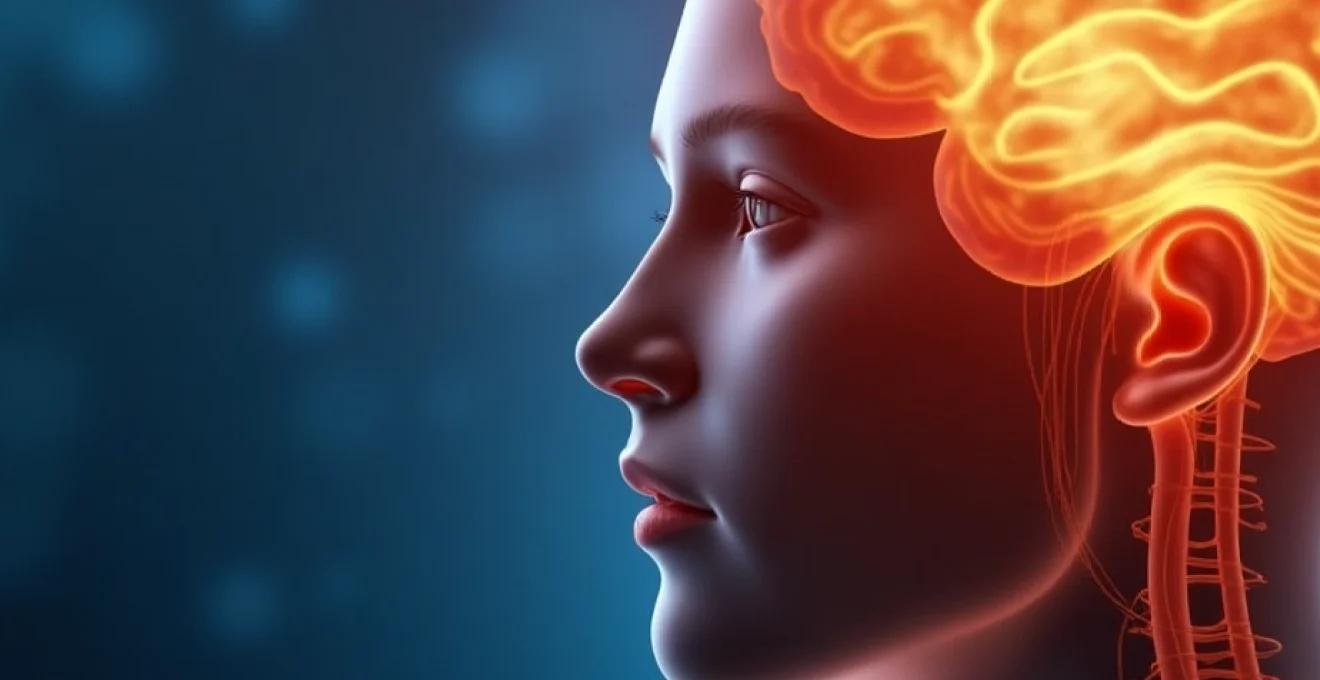
A burning sensation in the head represents one of medicine’s most perplexing neurological symptoms, affecting millions worldwide yet remaining poorly understood by both patients and healthcare providers. This distressing symptom can manifest as scalp tenderness, facial burning, or deep cranial discomfort that significantly impacts quality of life. Unlike typical headaches, burning head sensations often present with unique characteristics including hyperesthesia, allodynia, and dysesthesia that require specialised diagnostic approaches and treatment protocols.
The complexity of head burning symptoms stems from the intricate network of sensory innervation throughout the cranial region, involving multiple cranial nerves, cervical nerve roots, and vascular structures. Understanding these anatomical relationships proves essential for accurate diagnosis and effective treatment. Modern neurological research has identified numerous underlying pathophysiological mechanisms, ranging from peripheral nerve dysfunction to central sensitisation phenomena that contribute to this challenging condition.
Neurological causes of burning head sensations
The nervous system’s role in generating burning head sensations encompasses both peripheral and central mechanisms that can produce chronic pain syndromes. Neurological causes represent the most common category of conditions underlying these symptoms, with specific cranial nerve pathologies leading the differential diagnosis. These conditions often present with characteristic patterns of pain distribution that correspond to anatomical nerve territories, helping clinicians identify the underlying pathophysiology.
Trigeminal neuralgia and cranial nerve dysfunction
Trigeminal neuralgia affects the fifth cranial nerve, producing excruciating burning or electric shock-like pain throughout the face and scalp regions. This condition typically manifests unilaterally, following the distribution of one or more trigeminal nerve branches. The maxillary and mandibular divisions most commonly produce burning sensations that patients describe as “fire-like” or “searing” pain episodes lasting seconds to minutes.
Classical trigeminal neuralgia results from vascular compression of the trigeminal nerve root, whilst secondary forms develop due to multiple sclerosis, tumours, or vascular malformations. Atypical trigeminal neuralgia presents with constant burning pain rather than the characteristic sharp, shooting episodes seen in classical cases. This variant proves particularly challenging to diagnose and treat, often requiring multimodal therapeutic approaches including anticonvulsants, baclofen, and interventional procedures.
Occipital neuralgia: C2 and C3 nerve root irritation
Occipital neuralgia involves inflammation or irritation of the greater, lesser, or third occipital nerves, producing burning pain that radiates from the suboccipital region to the vertex of the scalp. This condition frequently develops following cervical spine pathology, muscle tension, or direct trauma to the upper cervical nerve roots. The C2 and C3 nerve roots provide sensory innervation to the posterior scalp, explaining the characteristic distribution of burning symptoms.
Patients with occipital neuralgia often experience allodynia , where light touch triggers severe burning pain, making simple activities like brushing hair or wearing hats unbearable. The condition may also produce referred pain patterns extending to the frontal and temporal regions, complicating differential diagnosis. Diagnostic nerve blocks targeting specific occipital nerves can both confirm the diagnosis and provide therapeutic relief, whilst imaging studies may reveal underlying structural abnormalities requiring surgical intervention.
Atypical facial pain and neuropathic dysesthesia
Atypical facial pain represents a chronic neuropathic condition characterised by continuous burning, aching, or crushing sensations affecting the face and head regions. Unlike trigeminal neuralgia, this condition produces constant rather than paroxysmal symptoms, often described as a “deep burning” or “crushing” sensation that persists throughout the day. The pain typically lacks clear anatomical boundaries, making diagnosis challenging for healthcare providers.
The pathophysiology involves central sensitisation mechanisms and abnormal neural processing of sensory input from facial and cranial structures. Sympathetic nervous system dysfunction may contribute to symptom maintenance and progression, explaining why some patients respond favourably to sympathetic blockade procedures. Treatment typically requires neuropathic pain medications including gabapentinoids, tricyclic antidepressants, and topical agents that modulate peripheral nerve sensitivity.
Post-herpetic neuralgia following herpes zoster infection
Post-herpetic neuralgia develops in approximately 10-15% of patients following herpes zoster infection affecting cranial nerve distributions, particularly the ophthalmic division of the trigeminal nerve. This condition produces persistent burning, stabbing, or electric shock-like pain that can persist for months or years after the initial viral infection resolves. The burning quality of post-herpetic neuralgia often proves more distressing than the acute zoster episode itself.
Risk factors for developing post-herpetic neuralgia include advanced age, severe acute pain during the zoster episode, and immunocompromised status. The condition results from nerve damage caused by viral replication within sensory ganglia, leading to abnormal pain signalling and central sensitisation. Early antiviral treatment during acute zoster infection may reduce the risk of developing chronic post-herpetic neuralgia, whilst established cases typically require multimodal pain management approaches including topical lidocaine, capsaicin preparations, and systemic neuropathic agents.
Glossopharyngeal neuralgia and cranial nerve IX pathology
Glossopharyngeal neuralgia affects the ninth cranial nerve, producing severe burning or stabbing pain in the throat, ear, and posterior tongue regions that may radiate to the head and neck. This rare condition often presents with trigger zones in the tonsillar area, where light touch or swallowing can precipitate excruciating pain episodes. The burning component typically develops between acute episodes, creating a constant background discomfort that significantly impacts quality of life.
Vascular compression represents the most common underlying cause, similar to trigeminal neuralgia, though tumours and inflammatory conditions may also produce glossopharyngeal nerve dysfunction. Some patients experience associated cardiac symptoms including bradycardia or syncope due to the nerve’s connection to cardiovascular control centres. Diagnosis often requires specialised imaging studies and may benefit from diagnostic nerve blocks to differentiate glossopharyngeal neuralgia from other causes of throat and head pain.
Vascular and circulatory disorders triggering cephalic burning
Vascular pathology represents a significant category of conditions that can produce burning sensations throughout the head and neck regions. These disorders typically involve inflammatory processes affecting cranial blood vessels, compromised cerebral circulation, or abnormal vascular pressure dynamics. Understanding the relationship between vascular dysfunction and burning head symptoms proves essential for appropriate diagnosis and treatment, particularly given the potential for serious underlying pathology in some cases.
Temporal arteritis and giant cell arteritis inflammation
Giant cell arteritis, also known as temporal arteritis, represents a systemic inflammatory vasculitis affecting medium and large arteries, particularly those supplying the head and neck regions. This condition produces characteristic burning, throbbing pain in the temporal areas, often accompanied by scalp tenderness and jaw claudication. The inflammatory process affects arterial walls, leading to vessel narrowing and compromised blood flow that manifests as burning or aching sensations.
Patients typically present with constitutional symptoms including fever, weight loss, and fatigue, alongside the characteristic head pain patterns. The condition predominantly affects individuals over 50 years of age and requires urgent medical attention due to the risk of vision loss from ophthalmic artery involvement. Laboratory studies reveal elevated inflammatory markers, whilst temporal artery biopsy provides definitive diagnosis. High-dose corticosteroid therapy represents the standard treatment approach, often providing rapid symptom relief within 24-48 hours.
Cluster headaches and Trigemino-Autonomic cephalalgias
Cluster headaches belong to a group of primary headache disorders known as trigemino-autonomic cephalalgias, characterised by severe unilateral head pain with associated autonomic features. The pain quality often includes burning or boring sensations, typically located in the orbital, supraorbital, or temporal regions. These episodes occur in clusters, with multiple attacks happening daily over weeks or months, followed by remission periods.
The pathophysiology involves hypothalamic dysfunction and trigeminovascular system activation, leading to characteristic pain patterns and autonomic symptoms including lacrimation, nasal congestion, and ptosis. Circadian rhythmicity represents a hallmark feature, with attacks frequently occurring at consistent times, often awakening patients from sleep. Acute treatment includes high-flow oxygen therapy and subcutaneous sumatriptan, whilst preventive medications such as verapamil or lithium help reduce cluster frequency and intensity.
Cervical artery dissection and vertebrobasilar insufficiency
Cervical artery dissection can produce burning head and neck pain through several mechanisms, including direct arterial wall damage and compromised cerebral circulation. Vertebral artery dissection often presents with posterior head and neck burning pain, whilst carotid dissection may produce frontotemporal burning sensations. These conditions typically develop following trauma, sudden neck movements, or underlying connective tissue disorders that predispose to arterial wall weakness.
Vertebrobasilar insufficiency, resulting from compromised blood flow through the vertebral or basilar arteries, can produce burning sensations in the occipital region alongside other posterior circulation symptoms including dizziness, visual disturbances, and ataxia. The burning quality may result from ischaemic irritation of pain-sensitive structures or secondary muscle tension from compensatory mechanisms. Diagnosis typically requires specialised vascular imaging including CT or MR angiography, whilst treatment focuses on anticoagulation and risk factor modification.
Hypertensive encephalopathy and intracranial pressure changes
Severe hypertension can produce burning head sensations through multiple mechanisms, including cerebral oedema, increased intracranial pressure, and direct vascular irritation. Hypertensive encephalopathy represents a medical emergency characterised by severe hypertension with associated neurological symptoms including headache, altered consciousness, and visual disturbances. The burning quality of head pain may result from stretching of pain-sensitive intracranial structures or secondary muscle tension.
Idiopathic intracranial hypertension, previously known as pseudotumour cerebri, can also produce burning head sensations alongside characteristic features including papilloedema, visual field defects, and pulsatile tinnitus. This condition predominantly affects young, obese women and may result from impaired cerebrospinal fluid absorption or increased production. Treatment approaches include weight reduction, diuretics, and in severe cases, cerebrospinal fluid diversion procedures to prevent permanent visual loss.
Dermatological conditions causing scalp burning symptoms
Dermatological pathology affecting the scalp represents an often-overlooked cause of burning head sensations that can significantly impact patient quality of life. These conditions typically involve inflammatory processes, infectious agents, or autoimmune mechanisms that affect scalp skin and underlying structures. The burning sensations may result from direct cutaneous inflammation, nerve irritation from inflammatory mediators, or secondary hyperalgesia from chronic tissue damage.
Seborrhoeic dermatitis represents one of the most common scalp conditions producing burning sensations, particularly during acute flares. This inflammatory condition affects sebaceous gland-rich areas and typically presents with erythematous, scaling patches accompanied by burning or stinging sensations. The underlying pathophysiology involves Malassezia yeast overgrowth, sebaceous gland dysfunction, and inflammatory cascade activation that produces characteristic symptoms including burning, itching, and scalp tenderness.
Scalp psoriasis frequently produces burning sensations alongside the characteristic silvery scales and erythematous plaques. The condition results from abnormal keratinocyte proliferation and immune system dysfunction, leading to chronic inflammation that can irritate cutaneous sensory nerves. Treatment typically involves topical corticosteroids, vitamin D analogues, and tar-based preparations that reduce inflammation and normalise skin cell turnover. Severe cases may require systemic immunosuppressive therapy to achieve adequate symptom control.
Contact dermatitis from hair care products, dyes, or chemical treatments can produce acute burning sensations that may persist long after the initial exposure. Allergic contact dermatitis involves type IV hypersensitivity reactions that can produce severe inflammatory responses with associated burning, itching, and pain. Patch testing helps identify specific allergens, whilst treatment focuses on allergen avoidance and anti-inflammatory therapies including topical corticosteroids and systemic antihistamines.
Alopecia areata, whilst primarily causing hair loss, can produce burning or tingling sensations during active phases of the condition. The autoimmune inflammatory process targeting hair follicles may irritate surrounding sensory nerves, leading to uncomfortable burning sensations in affected areas. Lichen planopilaris, a scarring alopecia condition, frequently produces significant burning and itching symptoms that often precede visible hair loss, making early recognition and treatment crucial for preventing permanent follicular damage.
Dermatological conditions affecting the scalp frequently produce burning sensations that may be dismissed as minor complaints, yet these symptoms can significantly impact patient quality of life and may indicate serious underlying pathology requiring prompt medical attention.
Medication-induced burning sensations and drug interactions
Pharmaceutical agents represent an increasingly recognised cause of burning head sensations through various mechanisms including direct neurotoxicity, metabolic disturbances, and drug interactions that affect nervous system function. Understanding medication-induced burning symptoms proves essential for healthcare providers, particularly given the widespread use of potentially neurotoxic medications across multiple therapeutic areas. These adverse effects may develop acutely following drug initiation or gradually over months to years of treatment.
Anticonvulsant-related peripheral neuropathy from phenytoin
Phenytoin, a widely-used anticonvulsant medication, can produce dose-dependent peripheral neuropathy that may manifest as burning sensations in various body regions including the head and face. The mechanism involves interference with axonal transport and vitamin B metabolism, leading to distal axonal degeneration that typically begins in the extremities but may extend to cranial nerve distributions in severe cases. Long-term phenytoin therapy carries particular risk, especially at plasma levels exceeding therapeutic ranges.
The burning sensations typically develop insidiously over months to years of treatment and may initially be attributed to other causes. Serum phenytoin monitoring proves essential for preventing neurotoxicity, whilst vitamin B supplementation may help reduce neuropathy risk in high-risk patients. Switching to alternative anticonvulsant agents often halts progression and may allow partial recovery of nerve function, though complete resolution may not occur in patients with established neuropathy.
Chemotherapy-induced peripheral neuropathy and cisplatin toxicity
Cisplatin and other platinum-based chemotherapy agents frequently produce peripheral neuropathy characterised by burning, tingling, and numbness that may affect cranial nerve distributions in severe cases. The neurotoxic effects result from platinum accumulation within dorsal root ganglia and cranial nerve ganglia, leading to sensory neuron damage and abnormal pain signalling. The incidence and severity correlate with cumulative dose exposure and individual patient susceptibility factors.
Cranial nerve involvement typically affects the trigeminal and facial nerves, producing burning facial pain and altered sensation that can persist long after chemotherapy completion. Prevention strategies include neuroprotective agents such as amifostine, though these remain investigational. Established neuropathy requires symptomatic treatment with neuropathic pain medications including gabapentinoids, tricyclic antidepressants, and topical agents that modulate peripheral nerve sensitivity.
Antidepressant withdrawal syndrome and SSRI discontinuation
Discontinuation of selective serotonin reuptake inhibitors (SSRIs) and other antidepressant medications can produce withdrawal syndromes characterised by various neurological symptoms including burning sensations in the head and face. These symptoms result from rebound effects following chronic serotonin system modulation, leading to temporary neurotransmitter imbalances that affect pain processing pathways. Short half-life medications such as paroxetine and venlafaxine carry particular risk for severe withdrawal symptoms.
The burning sensations typically develop within days of dose reduction or discontinuation and may be accompanied by “brain zaps,” dizziness, and flu-like symptoms. Gradual tapering schedules help minimise withdrawal risk, whilst bridging strategies using longer half-life antidepressants may ease transition periods. Patient education regarding withdrawal risks proves essential for medication adherence and appropriate discontinuation planning when clinically indicated.
Topiramate-associated paresthesia and carbonic anhydrase inhibition
Topiramate, an anticonvulsant medication commonly prescribed for epilepsy and migraine prevention, frequently produces paresthesias including burning sensations affecting the face and scalp regions. This adverse effect results from the medication’s inhibition of carbonic anhydrase enzymes, leading to metabolic acidosis and altered neuronal excitability. The burning sensations typically develop within the first few weeks of treatment initiation and may persist throughout the course of therapy, affecting up to 50% of patients receiving therapeutic doses.
The mechanism involves disruption of normal acid-base balance within nerve cells, leading to altered sodium channel function and spontaneous nerve firing that manifests as burning, tingling, or numbness. Dose-dependent effects mean that higher topiramate doses carry increased risk for developing paresthesias, though individual susceptibility varies considerably among patients. Most patients experience improvement in burning sensations over time as physiological adaptation occurs, though some may require dose reduction or medication discontinuation to achieve symptom relief.
Diagnostic evaluation protocols for burning head sensations
Comprehensive diagnostic evaluation for burning head sensations requires a systematic approach that considers the complex anatomical relationships and potential underlying pathophysiology. The diagnostic process typically begins with detailed history-taking that explores symptom characteristics, temporal patterns, triggering factors, and associated neurological features. Healthcare providers must carefully assess pain quality, distribution, intensity, and duration to differentiate between various potential causes and guide appropriate diagnostic testing.
Initial clinical assessment should include comprehensive neurological examination focusing on cranial nerve function, sensory testing, and evaluation for signs of systemic disease. Provocative manoeuvres such as light touch testing for allodynia, trigger point palpation, and positional changes can provide valuable diagnostic information. Blood pressure measurement proves essential given the potential for hypertensive causes, whilst fundoscopic examination may reveal papilloedema suggesting increased intracranial pressure.
Laboratory investigations typically include complete blood count, comprehensive metabolic panel, inflammatory markers, and vitamin B12 levels to screen for metabolic or inflammatory causes. Specific testing may include thyroid function studies, autoimmune markers, and infectious disease screening based on clinical presentation. Advanced diagnostic techniques such as quantitative sensory testing can objectively assess nerve function and help differentiate between peripheral and central causes of burning sensations.
Neuroimaging studies play a crucial role in diagnostic evaluation, particularly when structural causes are suspected. Magnetic resonance imaging with gadolinium enhancement provides excellent visualisation of intracranial structures and can identify tumours, vascular malformations, or inflammatory lesions. Cervical spine MRI may reveal nerve root compression or other structural abnormalities contributing to occipital neuralgia. Magnetic resonance angiography or CT angiography proves valuable when vascular causes such as arterial dissection or temporal arteritis are suspected.
Accurate diagnosis of burning head sensations requires systematic evaluation that considers both common and rare underlying causes, with particular attention to potentially serious conditions that require urgent medical intervention.
Diagnostic nerve blocks represent both therapeutic and diagnostic interventions that can help localise the source of burning sensations. Occipital nerve blocks targeting the greater, lesser, or third occipital nerves can confirm suspected occipital neuralgia, whilst trigeminal nerve blocks may help differentiate trigeminal neuralgia from other facial pain conditions. Response to diagnostic blocks provides valuable information about underlying pathophysiology and helps guide long-term treatment planning.
Evidence-based treatment approaches and therapeutic interventions
Treatment of burning head sensations requires individualised approaches based on underlying pathophysiology, symptom severity, and patient-specific factors including comorbidities and treatment preferences. Evidence-based therapeutic interventions encompass pharmacological agents, interventional procedures, and complementary therapies that target different aspects of the pain pathway. The goal involves not only symptom relief but also addressing underlying causes when possible to prevent symptom progression and improve long-term outcomes.
First-line pharmacological treatment typically includes anticonvulsant medications such as gabapentin or pregabalin, which modulate calcium channel function and reduce neuropathic pain signalling. These medications prove particularly effective for burning sensations resulting from nerve damage or dysfunction. Tricyclic antidepressants such as amitriptyline or nortriptyline provide dual benefits through both analgesic and mood-stabilising effects, making them valuable for patients with concurrent depression or sleep disturbances.
Topical therapies offer targeted relief with minimal systemic adverse effects for many patients with localised burning sensations. Lidocaine patches or gels provide temporary anaesthesia and can interrupt pain signalling cycles, whilst capsaicin preparations help deplete substance P from nerve terminals, reducing neuropathic pain over time. Topical tricyclic antidepressants or anticonvulsants compounded by specialised pharmacies may provide benefits for patients who cannot tolerate systemic medications.
Interventional procedures play important roles in both diagnosis and treatment of refractory burning head sensations. Nerve blocks using local anaesthetics provide immediate pain relief and help identify responsive patients for longer-acting procedures. Botulinum toxin injections have shown efficacy for certain headache disorders and may reduce muscle tension contributing to secondary burning sensations. Radiofrequency ablation or cryotherapy can provide longer-lasting relief for patients with well-localised nerve pathology.
Advanced interventional techniques including spinal cord stimulation or peripheral nerve stimulation may benefit carefully selected patients with refractory symptoms. These neuromodulation approaches work by delivering electrical impulses that interfere with pain signal transmission, providing relief without the need for ongoing medication use. Patient selection criteria include failure of conservative treatments, psychological stability, and absence of active substance abuse disorders.
Complementary and alternative therapies provide valuable adjunctive treatments for many patients with burning head sensations. Acupuncture has demonstrated efficacy for various pain conditions and may help modulate pain processing pathways through neurophysiological mechanisms. Cognitive behavioural therapy helps patients develop coping strategies and addresses psychological factors that may amplify pain perception. Mindfulness-based stress reduction and meditation practices can provide both immediate symptom relief and long-term improvements in pain management.
Physical therapy approaches focus on addressing musculoskeletal factors that may contribute to nerve irritation and burning sensations. Manual therapy techniques including soft tissue mobilisation and joint manipulation can reduce muscle tension and improve cervical spine function. Posture correction and ergonomic modifications prove particularly important for patients whose symptoms relate to occupational or lifestyle factors that place stress on cervical and cranial structures.
Treatment outcomes vary significantly depending on underlying cause, symptom duration, and individual patient factors. Acute conditions such as medication-induced burning sensations often resolve completely following drug discontinuation or dose adjustment. Chronic neuropathic conditions typically require ongoing management with combination approaches that may include multiple medications, interventional procedures, and lifestyle modifications. Regular monitoring and treatment adjustments prove essential for maintaining optimal symptom control and preventing treatment-related adverse effects.
Prevention strategies focus on identifying and modifying risk factors that contribute to burning head sensations. This includes proper management of underlying medical conditions such as diabetes or hypertension, avoiding known triggers such as certain medications or chemical exposures, and maintaining good cervical spine health through appropriate posture and regular exercise. Patient education regarding symptom recognition and appropriate medical care helps ensure prompt treatment of acute conditions before they progress to chronic pain states.