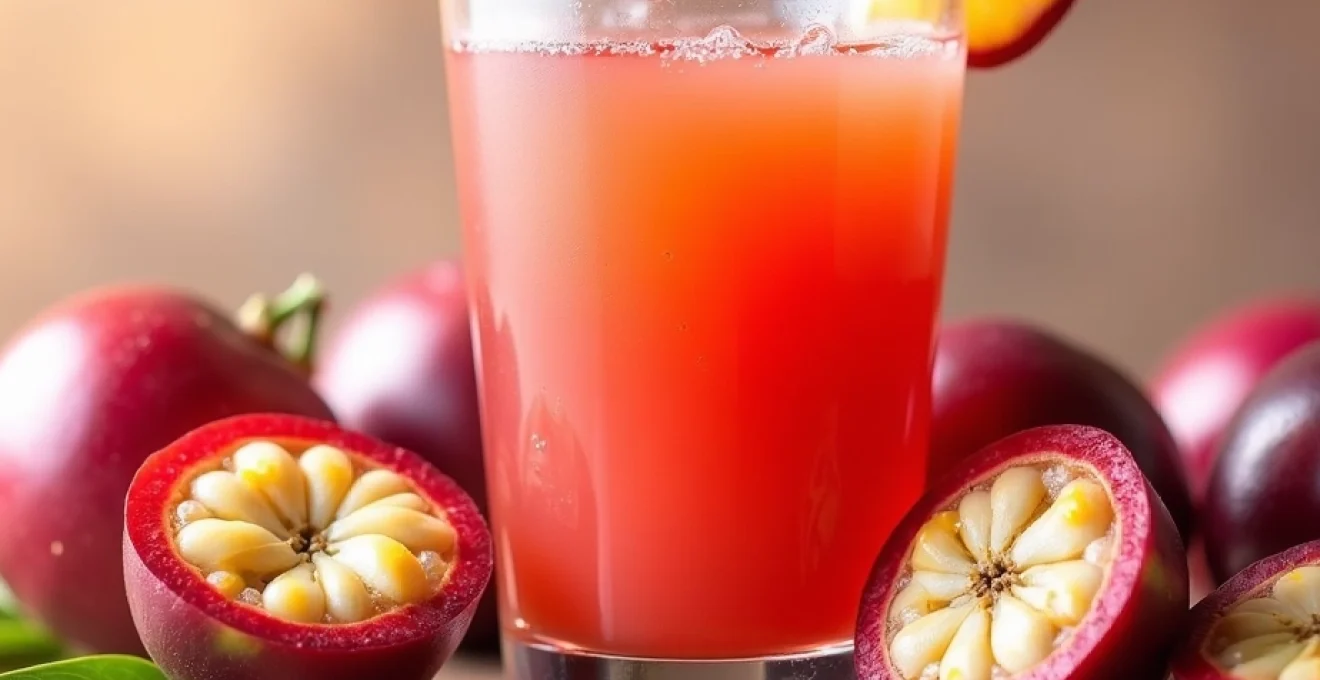
The tropical mangosteen fruit, scientifically known as Garcinia mangostana, has captivated health enthusiasts and researchers alike for its remarkable phytochemical profile. This Southeast Asian delicacy, once reserved for royalty and dubbed the “Queen of Fruits,” has found its way into the global wellness market through various commercial formulations, with Xango being one of the most recognisable brands. The mangosteen’s distinctive purple exterior conceals a treasure trove of bioactive compounds that have sparked considerable scientific interest and commercial enterprise.
Xango emerged as a pioneer in the mangosteen juice market, capitalising on growing consumer demand for functional beverages with purported health benefits. The company’s multi-level marketing approach has generated significant revenue, reportedly exceeding $1 billion in cumulative sales within its first five years. However, this commercial success has also attracted scrutiny from regulatory bodies and scientific communities questioning the substantiation of health claims associated with mangosteen-based products.
Garcinia mangostana phytochemical profile and bioactive compounds
The mangosteen fruit’s therapeutic potential stems from its complex phytochemical composition, which includes a diverse array of bioactive compounds. The fruit’s pericarp, or outer rind, contains the highest concentration of these valuable substances, whilst the edible arils provide additional nutritional benefits. Understanding this intricate chemical profile is essential for evaluating the scientific basis behind commercial mangosteen products like Xango.
Research has identified over 40 xanthones in various parts of the mangosteen plant, with the majority concentrated in the pericarp. These compounds represent the fruit’s most distinctive feature, setting it apart from other tropical fruits in terms of antioxidant capacity and biological activity. The xanthone content varies significantly depending on factors such as fruit maturity, harvesting methods, and processing techniques employed during juice production.
Alpha-mangostin and gamma-mangostin xanthone content analysis
Alpha-mangostin stands as the predominant xanthone compound in mangosteen, typically comprising 60-70% of the total xanthone content. Laboratory analyses have demonstrated that this compound exhibits potent antioxidant activity, with studies showing its ability to neutralise free radicals more effectively than vitamin E in certain test conditions. The concentration of alpha-mangostin in commercial mangosteen juices varies considerably, with some products containing less than 5% of the levels found in fresh pericarp extracts.
Gamma-mangostin, the second most abundant xanthone, contributes approximately 10-15% of the total xanthone profile. This compound has shown particular promise in preclinical studies for its anti-inflammatory properties and potential neuroprotective effects. The synergistic interaction between alpha-mangostin and gamma-mangostin appears to enhance the overall bioactivity of mangosteen preparations, though the optimal ratio for maximum therapeutic benefit remains under investigation.
Polyphenolic antioxidant capacity in xango formulation
Independent laboratory testing commissioned by various organisations has revealed that Xango’s antioxidant capacity measures approximately 14,884 micromoles per litre on the ORAC (Oxygen Radical Absorbance Capacity) scale. This places the product in the moderate range compared to other commercially available fruit juices, performing similarly to cranberry juice but falling short of blueberry juice, which demonstrates nearly double the antioxidant capacity.
The polyphenolic content of Xango extends beyond xanthones to include flavonoids, tannins, and other phenolic acids. However, the processing methods used in commercial juice production can significantly impact the retention of these delicate compounds. Heat treatment, filtration, and storage conditions all influence the final polyphenolic profile, potentially reducing the bioavailability of beneficial compounds compared to fresh fruit consumption.
Catechin and proanthocyanidin concentration levels
Catechins and proanthocyanidins represent another important class of bioactive compounds found in mangosteen. These flavonoid compounds contribute to the fruit’s astringent taste and potential cardiovascular benefits. Analysis of Xango juice reveals moderate levels of these compounds, though concentrations appear lower than those found in grape seed extracts or green tea, which are considered gold standards for catechin content.
The bioavailability of catechins in mangosteen juice depends heavily on the presence of other compounds that may enhance or inhibit their absorption. The complex matrix of mangosteen juice may provide synergistic effects that improve the utilisation of these compounds compared to isolated supplementation, though definitive clinical evidence remains limited.
Vitamin C and folate nutritional bioavailability
A standard 196-gram serving of mangosteen provides approximately 6% of the daily value for vitamin C and 15% for folate (vitamin B9). These water-soluble vitamins contribute to the fruit’s antioxidant capacity and support various physiological functions, including immune system maintenance and DNA synthesis. However, the vitamin C content in processed mangosteen juices may be significantly reduced due to oxidation during processing and storage.
The folate content in mangosteen represents one of its more substantial nutritional contributions, particularly important for pregnant women and individuals with increased folate requirements. The natural folate found in mangosteen appears to be well-absorbed, though the bioavailability may be influenced by other components in the juice formulation and individual digestive factors.
Tannin structure impact on gastrointestinal absorption
The tannin compounds present in mangosteen pericarp may influence the absorption of other bioactive compounds in the gastrointestinal tract. These polyphenolic compounds can bind to proteins and other molecules, potentially affecting nutrient bioavailability. Some research suggests that tannins may contribute to the traditional use of mangosteen for digestive disorders, though clinical evidence remains insufficient to support specific therapeutic claims.
The interaction between tannins and other mangosteen compounds creates a complex absorption profile that varies among individuals. Factors such as gastric pH, presence of food, and individual gut microbiota composition all influence how effectively the body can utilise the bioactive compounds present in mangosteen juice products.
Clinical research evidence supporting xango health claims
The scientific literature surrounding mangosteen’s health benefits presents a mixed picture, with promising preclinical results contrasted by limited human clinical trials. Most published research focuses on isolated mangosteen compounds rather than commercial juice products, creating a gap between laboratory findings and real-world applications. This disparity has led to ongoing debates within the scientific community regarding the validity of health claims associated with mangosteen-based products.
Current research efforts have concentrated primarily on the antioxidant, anti-inflammatory, and potential anticancer properties of mangosteen xanthones. However, translating these findings from cell culture and animal studies to human health outcomes requires extensive clinical investigation that has yet to be comprehensively conducted for most claimed benefits.
Randomised controlled trials on inflammatory biomarkers
A limited number of randomised controlled trials have examined mangosteen’s effects on inflammatory markers in human subjects. One notable 30-day study involving 59 participants found that those consuming a mangosteen-containing supplement showed reduced markers of inflammation compared to placebo groups. The study measured various inflammatory cytokines and found statistically significant reductions in several key markers, though the clinical significance of these changes remains unclear.
Another 26-week trial focused on obese women consuming 400 mg of mangosteen extract daily. Results showed significant improvements in insulin resistance, a condition closely linked to chronic inflammation. These findings suggest potential metabolic benefits, though the study’s small sample size and specific population limit the generalisability of results to broader demographics.
Peer-reviewed studies on oxidative stress reduction
Research examining mangosteen’s impact on oxidative stress has produced encouraging preliminary results, though most studies involve small sample sizes and short duration periods. Laboratory markers of oxidative stress, including malondialdehyde levels and antioxidant enzyme activity, have shown improvement in some human trials. However, the relationship between these biomarker changes and actual health outcomes remains incompletely understood.
The challenge in oxidative stress research lies in establishing clinically meaningful endpoints. Whilst laboratory values may improve, demonstrating that these changes translate to reduced disease risk or improved quality of life requires long-term studies with larger populations. Current evidence suggests potential benefits but falls short of providing definitive proof of therapeutic efficacy.
Human clinical data on cardiovascular function parameters
Cardiovascular research on mangosteen remains predominantly limited to animal studies, with minimal human clinical data available. Animal models have demonstrated improvements in cholesterol profiles, with increases in HDL cholesterol and reductions in LDL cholesterol and triglycerides. These findings suggest potential cardiovascular benefits, but human validation is critically needed to establish clinical relevance.
The few human studies examining cardiovascular parameters have focused primarily on blood pressure and arterial stiffness measures. Results have been inconsistent, with some studies showing modest improvements whilst others report no significant changes. The variability in study designs, dosages, and participant characteristics makes it difficult to draw definitive conclusions about mangosteen’s cardiovascular effects.
The current body of clinical evidence, whilst promising in some areas, remains insufficient to support specific therapeutic claims for mangosteen-based products in cardiovascular health applications.
In vitro research on cancer cell line inhibition
Laboratory studies examining mangosteen xanthones’ effects on cancer cell lines have produced remarkable results, showing inhibition of growth in breast, lung, stomach, and colon cancer cells. These in vitro studies demonstrate that alpha-mangostin and other xanthones can induce apoptosis (programmed cell death) in various cancer cell types, suggesting potential anticancer properties. However, the leap from test tube results to human therapeutic applications represents a significant scientific challenge.
Animal studies have provided additional support for potential anticancer effects, with some research showing reduced tumor growth in mouse models. However, the complex nature of human cancer development and progression means that these promising laboratory results require extensive clinical validation before any therapeutic claims can be substantiated. The gap between preclinical promise and clinical reality remains substantial in cancer research.
Multi-level marketing structure and product distribution analysis
Xango’s business model relies heavily on multi-level marketing (MLM) strategies, creating a network of distributors who earn commissions from both direct sales and recruitment of new distributors. This approach has enabled rapid market penetration and product awareness but has also attracted criticism from consumer advocacy groups and regulatory bodies. The MLM structure creates inherent conflicts of interest, as distributors have financial incentives to promote health benefits regardless of scientific substantiation.
Analysis of Xango’s compensation plan reveals a pyramid-like structure where the top 1% of distributors generate the majority of income, whilst most participants struggle to recover their initial investments. Industry experts estimate that fewer than 5% of MLM participants achieve meaningful financial success, with many losing money due to mandatory monthly purchase requirements and inventory stockpiling. This business model raises ethical questions about the promotion of health products through networks of non-medical sales representatives.
The company’s distributor training materials have historically included unsubstantiated health claims, leading to regulatory warnings from the FDA. These materials often feature testimonials and anecdotal evidence rather than peer-reviewed scientific data, potentially misleading consumers about the product’s therapeutic capabilities. The challenge of controlling health claims across thousands of independent distributors has proven difficult for MLM companies in the dietary supplement industry.
Pricing analysis reveals that Xango costs approximately £30-40 per 750ml bottle, making it significantly more expensive than other fruit juices with comparable antioxidant capacity. This premium pricing is partly attributable to the MLM distribution model, which requires multiple commission layers to be factored into the final consumer price. Comparative analysis shows that consumers can obtain similar antioxidant benefits from conventional fruit juices at a fraction of the cost.
Comparative analysis against pure mangosteen juice extracts
When comparing Xango to pure mangosteen juice extracts available through traditional retail channels, several important differences emerge. Pure mangosteen extracts typically contain higher concentrations of xanthones and other bioactive compounds, as they often focus on pericarp-derived ingredients rather than whole fruit preparations. However, these concentrated extracts may lack the synergistic effects that come from consuming the complete fruit matrix.
Cost analysis reveals significant disparities between Xango and alternative mangosteen products. Pure mangosteen supplements and juices from health food stores typically cost 60-80% less than Xango whilst providing comparable or superior concentrations of active compounds. This price difference reflects the additional costs associated with MLM distribution models rather than superior product quality or efficacy.
Standardisation represents another key differentiator between products. Some pure mangosteen extracts undergo standardisation processes to ensure consistent levels of key compounds like alpha-mangostin, whilst commercial juice blends may show batch-to-batch variation. However, standardisation does not necessarily equate to superior health outcomes, as the optimal dosage and compound ratios for therapeutic effects remain unclear.
Independent laboratory testing suggests that the therapeutic potential of mangosteen products depends more on the concentration and bioavailability of active compounds than on brand recognition or marketing claims.
Regulatory status and FDA GRAS classification assessment
Mangosteen fruit holds Generally Recognised as Safe (GRAS) status for food use in the United States, meaning it can be consumed safely as a conventional food product. However, this classification does not extend to therapeutic claims or concentrated extracts used in dietary supplements. The FDA has issued warning letters to Xango and other mangosteen product manufacturers for making unauthorised health claims that position their products as drugs rather than dietary supplements.
The regulatory landscape for mangosteen products remains complex, with different standards applying to foods, dietary supplements, and therapeutic claims. Companies must navigate strict guidelines about what can be claimed on product labels and marketing materials, with violations potentially resulting in product seizures or legal action. The FDA’s enforcement approach focuses particularly on claims related to disease treatment, prevention, or cure.
European regulatory bodies have taken similar positions, with the European Food Safety Authority (EFSA) requiring substantial scientific evidence before approving health claims for mangosteen products. The absence of authorised health claims in major markets reflects the insufficient clinical evidence currently available to support therapeutic applications of mangosteen-based products.
Ongoing regulatory scrutiny emphasises the importance of distinguishing between traditional food use and therapeutic applications. Whilst mangosteen consumption as a fruit poses minimal safety concerns, concentrated extracts and therapeutic dosages may require additional safety evaluation and clinical validation before regulatory approval for specific health claims.
Consumer safety profile and contraindication guidelines
The safety profile of mangosteen consumption appears favourable for most individuals when used as a conventional food product. Centuries of traditional use in Southeast Asian cultures provide reassurance about basic safety, though modern commercial preparations may present different risk profiles due to concentration and processing methods. Understanding potential contraindications and safety considerations remains essential for informed consumer decision-making.
Most adverse effects reported with mangosteen consumption are mild and related to gastrointestinal tolerance, including occasional digestive upset or diarrhoea with high intake levels. However, concentrated mangosteen products may pose additional risks due to higher levels of bioactive compounds and potential interactions with medications or medical conditions.
Drug interaction potential with anticoagulant medications
Research indicates that mangosteen xanthones may influence blood clotting mechanisms, potentially interacting with anticoagulant medications such as warfarin, heparin, or newer oral anticoagulants. Studies suggest that mangosteen compounds may slow blood clotting processes, which could amplify the effects of prescription blood thinners and increase bleeding risk. Patients taking anticoagulant medications should exercise particular caution and consult healthcare providers before consuming concentrated mangosteen products.
The interaction potential appears related to the concentration of xanthones rather than occasional fruit consumption. Individuals scheduled for surgical procedures should discontinue mangosteen supplements at least two weeks prior to surgery to minimise bleeding complications. This recommendation extends beyond Xango to include all concentrated mangosteen preparations and supplements.
Allergenic response risk assessment
Allergic reactions to mangosteen appear uncommon but have been documented in medical literature. Cross-reactivity with other tropical fruits, particularly those in the Clusiaceae family, may increase risk for individuals with existing fruit allergies. Symptoms of mangosteen allergy can range from mild oral irritation to more severe systemic reactions, though severe anaphylaxis appears extremely rare.
Individuals with known sensitivities to tropical fruits should introduce mangosteen products cautiously, starting with small amounts and monitoring for adverse reactions. The processing methods used in commercial juice production may alter the allergenic profile compared to fresh fruit consumption, though specific data on this topic remains limited.
Pregnancy and lactation safety protocols
Safety data for mangosteen consumption during pregnancy and lactation remains insufficient to establish definitive guidelines. Whilst traditional dietary consumption appears safe base
d on traditional dietary practices, concentrated mangosteen supplements during these vulnerable periods require careful consideration. The absence of comprehensive safety studies in pregnant and breastfeeding women necessitates a cautious approach, particularly given the potential for concentrated xanthones to cross placental barriers or appear in breast milk.Healthcare providers generally recommend avoiding concentrated mangosteen supplements during pregnancy and lactation until more definitive safety data becomes available. Traditional consumption of mangosteen fruit in moderate amounts appears less concerning, though even this should be discussed with healthcare providers for individualised guidance. The precautionary principle suggests that the potential unknown risks may outweigh uncertain benefits during these critical developmental periods.
Dosage limitations and overconsumption effects
Establishing appropriate dosage guidelines for mangosteen products remains challenging due to limited clinical research on optimal therapeutic levels. Most studies examining mangosteen’s health effects have used varying dosages, making it difficult to determine standardised recommendations. The concentration of active compounds varies significantly between products, further complicating dosage considerations for consumers seeking consistent therapeutic effects.
Overconsumption of mangosteen products, particularly concentrated supplements, may lead to gastrointestinal disturbances including nausea, diarrhoea, and abdominal discomfort. Some individuals report experiencing loose stools when consuming more than the recommended serving sizes of mangosteen juice. The high tannin content in mangosteen pericarp extracts may contribute to these digestive effects, particularly in sensitive individuals.
Current evidence suggests that moderate consumption equivalent to 30-90ml of mangosteen juice daily appears well-tolerated by most healthy adults. However, individuals with compromised digestive systems, liver conditions, or those taking multiple medications should consider lower starting doses and gradual increases whilst monitoring for adverse effects. The lack of established upper intake limits necessitates a conservative approach to mangosteen supplementation.
The absence of standardised dosing guidelines emphasises the importance of starting with minimal amounts and consulting healthcare providers before incorporating concentrated mangosteen products into daily routines.
Long-term consumption effects of concentrated mangosteen products remain largely unknown, as most clinical studies have examined short-term use periods. This knowledge gap raises important questions about the safety of extended supplementation protocols. Traditional populations consuming mangosteen as part of varied diets provide some reassurance, but concentrated commercial preparations may present different risk profiles requiring further investigation.
The interaction between mangosteen compounds and common medications extends beyond anticoagulants to potentially include diabetes medications, blood pressure treatments, and certain psychiatric drugs. These interactions may be dose-dependent, highlighting the importance of careful dosage management and professional medical oversight for individuals with existing health conditions or medication regimens.
Quality control issues in the dietary supplement industry add another layer of complexity to dosage considerations. Variability in xanthone content between batches and manufacturers means that consumers may unknowingly receive different potency levels, potentially leading to unexpected effects or therapeutic inconsistency. This variability underscores the importance of choosing reputable manufacturers with third-party testing protocols.
The financial implications of long-term mangosteen supplementation also warrant consideration, particularly given the premium pricing of products like Xango. Cost-effectiveness analyses suggest that achieving similar antioxidant benefits through conventional fruits and vegetables may provide better nutritional value whilst reducing the risk of overconsumption of concentrated bioactive compounds. This economic perspective highlights the importance of balancing potential benefits against practical sustainability and overall dietary quality.
Future research priorities should focus on establishing evidence-based dosage guidelines, identifying optimal consumption patterns, and characterising long-term safety profiles for various mangosteen preparations. Until such data becomes available, consumers should approach mangosteen supplementation with appropriate caution, recognising that more is not necessarily better when it comes to bioactive compounds with potentially powerful physiological effects.